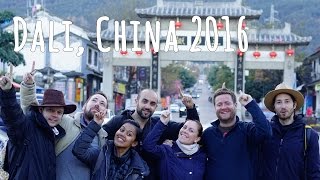
DaLi, YunNan province trip

With Willene Business & Lifestyle ...

[640],shadow=true,start=,stop=

Bonus film - with Seiu Travel ...

[320],shadow=true,start=,stop=

Dali, located in Yunnan Province in southwestern China, is a charming and culturally rich destination that attracts visitors with its stunning natural scenery, ancient history, and vibrant local culture. Here's a guide for visitors to Dali:

Historical and Cultural Significance:
Ancient City: Dali Ancient City, also known as Dali Old Town, is a well-preserved historical town that dates back over 1,000 years. It served as the capital of the Kingdom of Dali during the Tang Dynasty and later as an important trading post on the ancient Tea Horse Road.

Bai Minority Culture: Dali is home to the Bai ethnic minority, whose unique culture and traditions are evident throughout the region. Visitors can explore Bai villages, interact with locals, and learn about their traditional customs, architecture, and craftsmanship.

Top Attractions:
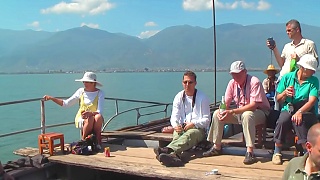
Erhai Lake: One of Dali's most iconic natural attractions is Erhai Lake, a vast freshwater lake surrounded by picturesque landscapes. Visitors can take boat cruises on the lake, cycle along its shores, or hike to viewpoints for panoramic views of the water and surrounding mountains.

Three Pagodas of Chongsheng Temple: Located just outside Dali Ancient City, the Three Pagodas are iconic symbols of the region and date back to the Tang Dynasty. The pagodas are set against the backdrop of Cangshan Mountain and are surrounded by lush gardens and temples.

Cangshan Mountain: Cangshan Mountain is a scenic mountain range that towers over Dali and offers numerous hiking trails, scenic viewpoints, and opportunities for outdoor adventure. Visitors can hike to waterfalls, explore alpine meadows, and enjoy panoramic views of the valley below.

Xizhou Ancient Town: Xizhou Ancient Town is another well-preserved historical town near Dali, known for its traditional Bai architecture, historic courtyards, and vibrant market streets. Visitors can wander through the town's narrow alleyways, visit ancient temples, and sample local delicacies.

Cultural Experiences:
Bai Architecture: Explore the distinctive Bai architecture found throughout Dali, characterized by white-washed walls, gray tiled roofs, and intricately carved wooden decorations. Visitors can tour traditional Bai homes, visit ancient temples, and learn about local building techniques.

Cultural Performances: Experience traditional Bai music, dance, and theater performances at local venues and cultural centers in Dali. These performances often showcase traditional costumes, musical instruments, and storytelling techniques unique to the Bai culture.

Practical Tips:
Weather: Dali enjoys a mild climate year-round, but the best time to visit is during the spring (March to May) and autumn (September to November) when the weather is most pleasant and the landscapes are lush and green.

Transportation: Getting around Dali is convenient with its network of buses, taxis, and bicycles. Many attractions are within walking distance of Dali Ancient City, while others can be reached by public transportation or organized tours.

Accommodation: Dali offers a range of accommodation options, including boutique hotels, guesthouses, and traditional courtyard homes. Staying in Dali Ancient City allows visitors to immerse themselves in the town's historic atmosphere and vibrant culture.

Dali offers a captivating blend of natural beauty, cultural heritage, and traditional charm, making it an enchanting destination for visitors seeking to explore the treasures of Yunnan Province. Whether hiking in the mountains, wandering through ancient towns, or immersing oneself in local culture, Dali has something to offer for every traveler.
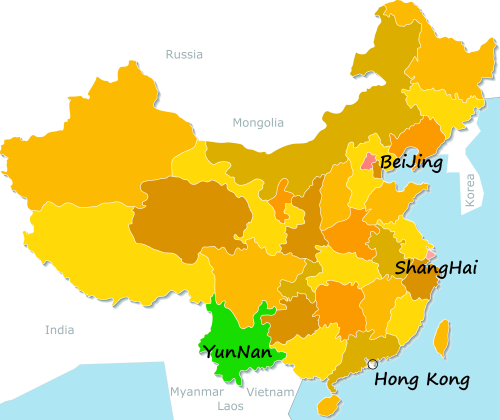
YunNan map

Related Videos


Featured Videos

FoShan night walk
GuangDong province. With Walk East ...
50 traditional Chinese culture arts and crafts
Introduction China's traditional arts and crafts reflect its rich cultural heritage and diverse ethnic backgrounds. These art forms have been passed down through generations, showcasing exquisite craftsmanship and profound cultural significance. Here are the top 50 traditional Chinese arts and crafts, along with their origins and associated ethnicities. 1. Chinese Calligraphy (书法, Shūfǎ) Origin: Han Dynasty Ethnicity: Han Chinese calligraphy is the art of writing Chinese characters with a brush and ink. It is highly regarded for its aesthetic qualities and expressive potential. 2. Chinese Painting (国画, Guóhuà) Origin: Neolithic Period Ethnicity: Han Traditional Chinese painting involves brushwork on paper or silk, depicting landscapes, flowers, birds, and human figures. 3. Cloisonné (景泰蓝, Jǐngtàilán) Origin: Yuan Dynasty Ethnicity: Han Cloisonné is an ancient technique for decorating metalwork objects with enamel, featuring intricate patterns and vibrant colors. 4. Chinese Embroidery (刺绣, Cìxiù) Origin: Zhou Dynasty Ethnicity: Han, Miao, Yi, Zhuang Chinese embroidery is a decorative art that involves stitching intricate patterns onto fabrics using silk or cotton threads. 5. Paper Cutting (剪纸, Jiǎnzhǐ) Origin: Han Dynasty Ethnicity: Han Paper cutting is a folk art where designs are cut into paper, traditionally used for window decorations and festival celebrations. 6. Porcelain (瓷器, Cíqì) Origin: Shang Dynasty Ethnicity: Han Chinese porcelain, known for its delicate beauty and durability, has been highly prized for centuries and is often decorated with intricate designs. 7. Jade Carving (玉雕, Yùdiāo) Origin: Neolithic Period Ethnicity: Han Jade carving is the art of shaping jade into ornaments, figurines, and ritual objects, revered for its beauty and spiritual significance. 8. Chinese Opera Masks (戏曲面具, Xìqǔ Miànjù) Origin: Tang Dynasty Ethnicity: Han Opera masks are used in traditional Chinese theater to represent various characters and their traits through colors and patterns. 9. Silk Weaving (丝织, Sīzhī) Origin: Shang Dynasty Ethnicity: Han Silk weaving is an ancient craft involving the production of silk fabric, known for its smooth texture and luxurious appearance. 10. Chinese Knotting (中国结, Zhōngguó Jié) Origin: Tang and Song Dynasties Ethnicity: Han Chinese knotting is the art of creating decorative knots using a single length of cord, symbolizing good luck and prosperity. 11. Bronze Casting (青铜铸造, Qīngtóng Zhùzào) Origin: Shang Dynasty Ethnicity: Han Bronze casting is an ancient method of creating bronze objects, including vessels, weapons, and ritual items, through mold casting. 12. Batik (蜡染, Làrǎn) Origin: Han Dynasty Ethnicity: Miao, Buyi Batik is a traditional textile art involving wax-resist dyeing, creating intricate patterns on fabric, commonly practiced by the Miao and Buyi people. 13. Lacquerware (漆器, Qīqì) Origin: Neolithic Period Ethnicity: Han Lacquerware involves coating objects with lacquer to create a hard, shiny surface, often decorated with intricate designs and inlays. 14. Bamboo Weaving (竹编, Zhúbiān) Origin: Zhou Dynasty Ethnicity: Han Bamboo weaving is the craft of creating items like baskets, mats, and furniture using bamboo strips, valued for its durability and flexibility. 15. Chinese Puppetry (木偶戏, Mù'ǒuxì) Origin: Han Dynasty Ethnicity: Han Chinese puppetry involves using hand-crafted puppets to perform traditional stories and plays, combining art, music, and storytelling. 16. Thangka Painting (唐卡, Tángkǎ) Origin: 7th Century Ethnicity: Tibetan Thangka painting is a Tibetan Buddhist art form that involves creating religious images on cloth, used for meditation and teaching. 17. Pottery (陶器, Táoqì) Origin: Neolithic Period Ethnicity: Han Pottery is one of the earliest forms of Chinese art, with hand-crafted ceramic vessels used for cooking, storage, and rituals. 18. Chinese Shadow Puppetry (皮影戏, Píyǐngxì) Origin: Han Dynasty Ethnicity: Han Shadow puppetry involves manipulating flat puppets behind a screen to create shadows, telling stories with music and narration. 19. Rattan Weaving (藤编, Téngbiān) Origin: Ancient Times Ethnicity: Dai, Li Rattan weaving is the craft of making furniture, baskets, and other items using rattan, commonly practiced by the Dai and Li ethnic groups. 20. Dough Figurines (面人, Miànrén) Origin: Han Dynasty Ethnicity: Han Dough figurines are traditional folk art made from colored dough, sculpted into various characters, animals, and scenes. 21. Silver Jewelry Making (银饰, Yínshì) Origin: Tang Dynasty Ethnicity: Miao, Yi Silver jewelry making involves crafting intricate silver ornaments, often worn during festivals and ceremonies by the Miao and Yi people. 22. Chinese Seal Carving (篆刻, Zhuànkè) Origin: Zhou Dynasty Ethnicity: Han Seal carving is the art of engraving characters or designs onto stone or wood seals, used for stamping documents and artwork. 23. Tangka Embroidery (唐卡刺绣, Tángkǎ Cìxiù) Origin: 7th Century Ethnicity: Tibetan Tangka embroidery combines traditional embroidery techniques with religious themes, creating elaborate and colorful textile art. 24. Peking Opera Costumes (京剧服装, Jīngjù Fúzhuāng) Origin: Qing Dynasty Ethnicity: Han Peking Opera costumes are elaborate and symbolic garments worn by performers, representing different characters and social statuses. 25. Wooden Fish Carving (木鱼雕刻, Mùyú Diāokè) Origin: Tang Dynasty Ethnicity: Han Wooden fish carving is a traditional craft involving the creation of wooden fish sculptures, often used in Buddhist temples as percussion instruments. 26. Tie-Dye (扎染, Zhārǎn) Origin: Han Dynasty Ethnicity: Bai Tie-dye is a textile art practiced by the Bai people, involving the tying and dyeing of fabric to create intricate patterns and designs. 27. Paper Fans (纸扇, Zhǐshàn) Origin: Han Dynasty Ethnicity: Han Paper fans are traditional hand-held fans made from paper and bamboo, often decorated with calligraphy and paintings. 28. Dragon and Lion Dance (舞龙舞狮, Wǔlóng Wǔshī) Origin: Han Dynasty Ethnicity: Han The dragon and lion dance are traditional Chinese performances involving large, colorful costumes, performed during festivals to bring good luck. 29. Ethnic Costumes (民族服饰, Mínzú Fúshì) Origin: Varies Ethnicity: Various (e.g., Yi, Zhuang, Miao) Ethnic costumes are traditional garments worn by various ethnic groups in China, each with distinct styles, colors, and patterns reflecting their culture. 30. Kesi Weaving (缂丝, Kēsī) Origin: Tang Dynasty Ethnicity: Han Kesi weaving is a highly intricate form of silk tapestry weaving, creating detailed and colorful patterns often used for clothing and artwork. 31. Woodblock Printing (木版画, Mùbǎn Huà) Origin: Tang Dynasty Ethnicity: Han Woodblock printing is a technique for printing text, images, and patterns, involving carving designs into wooden blocks and pressing them onto paper or fabric. 32. Shadow Play (皮影戏, Píyǐngxì) Origin: Han Dynasty Ethnicity: Han Shadow play is a traditional form of storytelling using silhouetted figures manipulated behind a translucent screen, accompanied by music and narration. 33. Chinese Garden Design (中国园林, Zhōngguó Yuánlín) Origin: Han Dynasty Ethnicity: Han Chinese garden design is the art of creating harmonious landscapes that combine natural elements like rocks, water, and plants with architecture and art. 34. Miao Silver Jewelry (苗银, Miáo Yín) Origin: Qing Dynasty Ethnicity: Miao Miao silver jewelry is known for its intricate designs and craftsmanship, often worn during festivals and ceremonies by the Miao people. 35. Chinese Paper Umbrellas (油纸伞, Yóuzhǐ Sǎn) Origin: Han Dynasty Ethnicity: Han Paper umbrellas are traditional umbrellas made from oiled paper and bamboo, used for protection against rain and sun, and as decorative items. 36. Tibetan Thangka Painting (唐卡, Tángkǎ) Origin: 7th Century Ethnicity: Tibetan Tibetan Thangka painting involves creating religious images on cloth, used for meditation and teaching in Tibetan Buddhism. 37. Chinese Shadow Puppetry (皮影戏, Píyǐngxì) Origin: Han Dynasty Ethnicity: Han Shadow puppetry is a traditional form of storytelling using silhouetted figures manipulated behind a translucent screen, accompanied by music and narration. 38. Hunan Embroidery (湘绣, Xiāngxiù) Origin: Han Dynasty Ethnicity: Han Hunan embroidery is a traditional Chinese embroidery style known for its fine craftsmanship and lifelike images, often depicting nature and animals. 39. Guizhou Batik (贵州蜡染, Guìzhōu Làrǎn) Origin: Han Dynasty Ethnicity: Miao, Buyi Guizhou batik is a traditional textile art involving wax-resist dyeing, creating intricate patterns on fabric, commonly practiced by the Miao and Buyi people. 40. Tibetan Rugs (藏毯, Zàngtǎn) Origin: 7th Century Ethnicity: Tibetan Tibetan rugs are hand-woven woolen rugs known for their vibrant colors and intricate designs, used for both practical and decorative purposes. 41. Hanfu Clothing (汉服, Hànfú) Origin: Zhou Dynasty Ethnicity: Han Hanfu is traditional Chinese clothing worn by the Han people, characterized by flowing robes, wide sleeves, and intricate embroidery. 42. Tibetan Singing Bowls (西藏唱盘, Xīzàng Chàngpán) Origin: 8th Century Ethnicity: Tibetan Tibetan singing bowls are metal bowls that produce a resonant sound when struck or rubbed, used in meditation and healing practices. 43. Manchu Embroidery (满绣, Mǎnxiù) Origin: Qing Dynasty Ethnicity: Manchu Manchu embroidery is a traditional embroidery style known for its intricate designs and vibrant colors, often depicting nature and animals. 44. Suzhou Embroidery (苏绣, Sūxiù) Origin: Han Dynasty Ethnicity: Han Suzhou embroidery is a highly detailed and refined embroidery style known for its realistic images and delicate stitching, often depicting landscapes and flowers. 45. Traditional Chinese Musical Instruments (传统乐器, Chuántǒng Yuèqì) Origin: Various Ethnicity: Various Traditional Chinese musical instruments include the guzheng, erhu, pipa, and dizi, each with its own unique sound and playing technique, used in various forms of Chinese music. 46. Tibetan Butter Sculpture (酥油花, Sūyóu Huā) Origin: 7th Century Ethnicity: Tibetan Tibetan butter sculpture is a traditional art form involving the creation of intricate sculptures from colored butter, often used in religious ceremonies. 47. Yi Embroidery (彝绣, Yíxiù) Origin: Ancient Times Ethnicity: Yi Yi embroidery is a traditional embroidery style known for its bold colors and geometric patterns, often depicting nature and cultural symbols. 48. Dong Brocade (侗锦, Dòngjǐn) Origin: Han Dynasty Ethnicity: Dong Dong brocade is a traditional textile art practiced by the Dong people, known for its intricate patterns and vibrant colors, often used for clothing and household items. 49. Zhuang Brocade (壮锦, Zhuàngjǐn) Origin: Han Dynasty Ethnicity: Zhuang Zhuang brocade is a traditional textile art practiced by the Zhuang people, known for its intricate patterns and vibrant colors, often used for clothing and household items. 50. Traditional Chinese Tea Ceremony (茶道, Chá Dào) Origin: Tang Dynasty Ethnicity: Han The traditional Chinese tea ceremony is a cultural activity involving the ceremonial preparation and presentation of tea, reflecting Chinese values of harmony, respect, and tranquility. Conclusion These traditional Chinese arts and crafts offer a glimpse into the country's rich cultural heritage, showcasing the creativity and skill of various ethnic groups. They continue to be celebrated and preserved, contributing to the vibrant cultural tapestry of China.
HuaWei P30 Pro vs iPhone XS Max
Best photography, best battery life and super-fast charging ... Bonus film, with Nathan Rich :
NanLuoGuXiang 南锣鼓巷, BeiJing
Sticker Travel visits the delightful NanLuoGuXiang street in the hutongs of BeiJing ...
A trip through central and south China 中国
Including PingYao, Xi`An, GuiLin, the Dragon`s Backbone Rice Terraces, a Yao minority village, and the Li River ...
EnShi PingShan Grand Canyon, HuBei province
With Beijing Old Liu ... Welcome to Enshi Pingshan Grand Canyon Introduction Top Attractions Activities Local Culture Local Cuisine Visitor Tips Getting There Introduction Enshi Pingshan Grand Canyon, located in Enshi Tujia and Miao Autonomous Prefecture in HuBei Province, is a breathtaking natural wonder known for its dramatic karst landscapes, towering cliffs, deep gorges, and pristine rivers. Often referred to as "China's Grand Canyon," this stunning destination offers a unique combination of natural beauty and cultural richness, making it a must-visit location for nature lovers and adventurers alike. The canyon stretches for about 108 kilometers and is carved out by the Qingjiang River, creating a series of spectacular geological formations over millions of years. Enshi Pingshan Grand Canyon is a part of the Enshi National Geological Park and is recognized for its scenic beauty and ecological diversity. Top Attractions Pingshan Gorge The Pingshan Gorge is the centerpiece of the Enshi Pingshan Grand Canyon. It features sheer cliffs that rise dramatically from the Qingjiang River, creating a narrow gorge that is both awe-inspiring and serene. Visitors can take a boat ride through the gorge to fully appreciate its towering rock formations, clear waters, and lush vegetation. Qingjiang River The Qingjiang River, known as the "Mother River" of the Enshi region, winds its way through the canyon, offering stunning views of the surrounding karst landscape. The river is renowned for its emerald green waters, which contrast beautifully with the steep cliffs and dense forests along its banks. The river is perfect for leisurely boat trips or more adventurous white-water rafting. Yunlong Ground Crack One of the most unique geological features of the Enshi Pingshan Grand Canyon is the Yunlong Ground Crack. This deep fissure in the earth's surface is more than 3 kilometers long and varies in width, creating a dramatic and almost otherworldly landscape. Visitors can walk along the edge of the crack and peer into its depths, offering a thrilling experience for geology enthusiasts and adventure seekers. Qingjiang Ancient Town Qingjiang Ancient Town, located near the canyon, is a beautifully preserved historic town that offers a glimpse into the region’s rich cultural heritage. The town is home to traditional Tujia and Miao architecture, ancient temples, and vibrant markets. It’s an ideal place to experience the local culture and enjoy traditional performances, handicrafts, and cuisine. Activities Boat Rides: Explore the stunning Pingshan Gorge by taking a boat ride along the Qingjiang River. This serene journey allows you to fully appreciate the towering cliffs, emerald waters, and lush greenery that make this canyon so special. Hiking: The Enshi Pingshan Grand Canyon offers numerous hiking trails that wind through its rugged terrain. Whether you're looking for a challenging climb or a leisurely walk, there are trails for all levels, each offering breathtaking views of the canyon. Rafting: For the more adventurous, white-water rafting on the Qingjiang River is a thrilling way to experience the canyon’s natural beauty. The river's rapids vary in intensity, providing excitement for both beginners and seasoned rafters. Photography: With its dramatic landscapes, the Enshi Pingshan Grand Canyon is a paradise for photographers. The play of light and shadow on the cliffs, the reflection of the mountains in the river, and the vibrant colors of the vegetation make for stunning photographs. Local Culture The Enshi region is home to the Tujia and Miao ethnic minorities, both of which have rich cultural traditions that are still very much alive today. Visitors to the Enshi Pingshan Grand Canyon have the opportunity to experience these unique cultures firsthand. The Tujia people are known for their distinctive folk songs, dances, and Baishou Dance, a traditional group dance that is often performed during festivals. The Miao people, on the other hand, are famous for their intricate silver jewelry, colorful traditional costumes, and lively music. Local festivals, such as the Tujia New Year and the Miao Sisters' Meal Festival, offer a vibrant display of the region's cultural heritage, with traditional performances, parades, and feasts that are a delight to witness. Local Cuisine The cuisine of the Enshi region is heavily influenced by the Tujia and Miao ethnic groups, offering a unique blend of flavors and ingredients. Some must-try dishes include: Tujia Bacon: A local specialty, Tujia bacon is smoked over a wood fire, giving it a rich, smoky flavor. It's often served with vegetables or used as a flavoring in soups and stews. Sanxia Fish: Freshwater fish from the Qingjiang River, prepared in a variety of ways, including grilling, steaming, and stewing. The fish is known for its tender meat and delicate flavor. Enshi Green Tea: The Enshi region is famous for its green tea, which is grown in the mountains surrounding the canyon. The tea is known for its bright color, fresh aroma, and mellow taste. Maize Dishes: Corn is a staple in the local diet, and many dishes feature maize as a primary ingredient. Maize pancakes, steamed corn buns, and corn porridge are all popular dishes in the area. Pickled Vegetables: A variety of pickled vegetables are served as side dishes or snacks, providing a tangy and refreshing contrast to the richer flavors of the main dishes. Visitor Tips Best Time to Visit: The best time to visit Enshi Pingshan Grand Canyon is from April to October, when the weather is mild, and the landscape is at its most beautiful. Spring and autumn are particularly recommended for their pleasant temperatures and stunning natural scenery. Altitude: The canyon is situated at a moderate altitude, so visitors should be prepared for slightly thinner air, especially during strenuous activities. It's advisable to take it easy on the first day to acclimate. Clothing: Comfortable walking shoes and layered clothing are recommended, as temperatures can vary throughout the day. Be prepared for rain, especially in the summer months, by bringing a waterproof jacket or poncho. Safety: Always stay on designated paths and follow the guidance of local guides, especially when exploring the more rugged areas of the canyon. The terrain can be challenging, and it's important to be cautious. Respect Local Customs: When visiting the Qingjiang Ancient Town or interacting with local communities, be respectful of local customs and traditions. Always ask for permission before taking photos of people or cultural sites. Getting There The Enshi Pingshan Grand Canyon is located in Enshi Tujia and Miao Autonomous Prefecture in HuBei Province. Here are some transportation options: By Air: The nearest airport is Enshi Xujiaping Airport, which has flights to major cities such as Beijing, Shanghai, and Chengdu. From the airport, you can take a taxi or bus to reach the canyon. By Train: Enshi is well-connected by train, with regular services from major cities like Wuhan, Chongqing, and Yichang. From Enshi Railway Station, you can take a bus or taxi to the canyon. By Bus: Long-distance buses operate from nearby cities to Enshi, and local buses or taxis can take you to the canyon from the city center. By Car: If you prefer to drive, Enshi is accessible via highways from major cities in HuBei and the surrounding provinces. The scenic drive offers beautiful views of the countryside and mountains.
NanJing 南京 time-lapse and aerial drone film
The Li River and YuLong River, between YangShuo and Guilin, GuangXi province
Post office in the desert
NingXia ...

Tag search ?