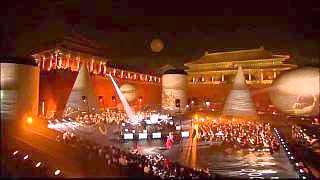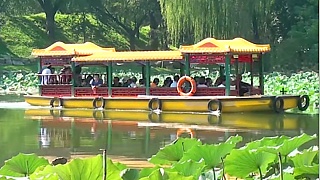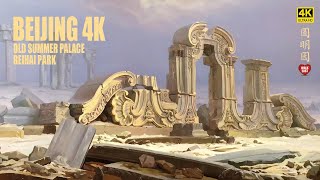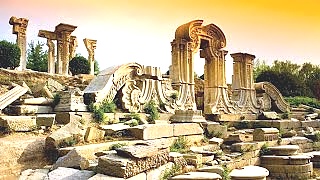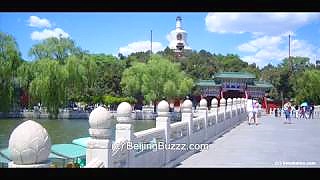
YuanMingYuan 圆明园 Park, Beijing (beautiful slideshow)

YuanMingYuan is also known as the 'Old Summer Palace'.

A film by kinabaloo.com and BeijingBuzzz.com

[640],shadow=true,start=,stop=

Beijing, the capital city of China, is a vibrant metropolis steeped in history, culture, and modernity. Here's a brief overview of what you can expect as a tourist in Beijing:

Historical Landmarks:
The Great Wall of China: One of the most iconic structures in the world, the Great Wall is easily accessible from Beijing. Mutianyu and Badaling sections are popular among tourists.

Forbidden City (Palace Museum): A UNESCO World Heritage Site, this vast imperial palace complex was home to Chinese emperors for over 500 years. It houses numerous halls, courtyards, and historical artifacts.

Temple of Heaven: A masterpiece of Chinese architecture, this ancient temple complex served as a place of worship for emperors to pray for good harvests.

Summer Palace: A stunning ensemble of lakes, gardens, and palaces, the Summer Palace served as a retreat for emperors during the Qing dynasty.

Tiananmen Square: One of the largest city squares in the world, Tiananmen Square is flanked by important landmarks such as the Monument to the People's Heroes, the Great Hall of the People, and the Mausoleum of Mao Zedong.

Cultural Sites:
Beijing Hutongs: Explore the narrow alleyways and traditional courtyard residences of Beijing's historic neighborhoods. You can take a rickshaw tour or simply wander around on foot.

Beijing Opera: Experience traditional Chinese opera performances at venues like the Liyuan Theater or the Chang'an Grand Theatre.

798 Art District: A hub of contemporary art and culture, this former industrial area is now home to numerous galleries, studios, and cafes.

Modern Attractions:
Olympic Park: Visit iconic structures such as the Bird's Nest (National Stadium) and the Water Cube (National Aquatics Center) from the 2008 Beijing Olympics.

CBD (Central Business District): Marvel at the futuristic skyline of Beijing's modern business district, which includes landmarks like the CCTV Headquarters and the China World Trade Center Tower III.

Culinary Delights:
Peking Duck: Indulge in Beijing's most famous dish, crispy roast duck served with pancakes, scallions, and hoisin sauce.

Street Food: Explore the city's vibrant street food scene and sample local delicacies like jianbing (savory crepes), lamb skewers, and dumplings.

Practical Tips:
Transportation: Beijing has an extensive public transportation system, including the subway, buses, and taxis. However, traffic can be heavy, so plan your travels accordingly.

Language: While English is not widely spoken, especially outside tourist areas, many signs and transportation announcements are in English. It's helpful to carry a translation app or a phrasebook.

Weather: Beijing experiences four distinct seasons, with hot summers and cold winters. The best times to visit are spring (April to June) and autumn (September to October) when the weather is mild and comfortable.

Etiquette: Respect local customs and traditions, such as removing your shoes before entering someone's home and using both hands to pass or receive items.

Beijing offers a rich tapestry of experiences for tourists, blending ancient heritage with modern innovations. Whether you're fascinated by history, culture, or culinary delights, there's something for everyone in this dynamic city.


Related Videos


Featured Videos

The ancient cities of ShanXi province
With Walk East ...
What is the West doing in Myanmar (to isolate China) ?
Destabilization of China's neighbors is gathering pace ...
BYD and Tesla
With Pascal Coppens ...
End stress, anxiety, depression and negativity, and change your life – don’t miss it
One hour - watch it all, it really could change your life (it tells you how, and it's easy). Feel helpless, unhappy or lost ? You can change, and be the real you. How to become the adult in the room (let go of all the nonsense we carry over from childhood and those insecurities). By acting the way you want to be, ignoring the conditioned feelings that get in the way. Stop feeling down, and start being great. One cannot wait till one feels like it; that will never happen; get started by acting the way you want life to be. Stop feeling hurt and start acting with love. It's not about realising the fantasies we currently live by (intellectually), but acting to get real in life. When you stop being who you are, you can become who you should be. The voice in your head that knows all this - that voice is who you really are. Ignore the feelings from the past, and start really living in the present. Biggest regret of so many will be that they didn't live the life that they should have, didn't be who they really were. With Mel Robbins and Mark Hyman ...
Xi’An 西安 !
The capital of ShaanXi province in central China ...
Food and inflammation – those that might, and those that will
From maybe to likely : 10-dairy 9-lectins/oxalates (nightashed,legumes) 8-soy 7-corn 6-wheat/gluten/grains --- Certainly : 5-alcohol 4-sugar 3-seed oil 2-trans fat 1-fast food With Dr. Sten Ekberg ...
Bliss – Afterlife – awesome music album – don’t miss it
Including : If heaven closes; Long life, my friend; When the morning comes : and much more. One of the best music albums ever ... Support Bliss by buying their albums ...
Ten enduring fundamentals of China’s culture
1. Harmony and Balance (和谐 Héxié) Philosophical Roots: Derived from Confucianism, Daoism, and Buddhism, the concept of harmony emphasizes balance in social relationships, nature, and the universe. It promotes peaceful coexistence and cooperation. Social Application: In social and business contexts, maintaining harmony is crucial. Conflicts are often resolved through negotiation and compromise to preserve social stability. 2. Family and Filial Piety (孝 Xiào) Central Role of Family: The family is the cornerstone of Chinese society. Filial piety, respect for one’s parents and ancestors, is a key virtue. Social Structure: Family obligations often take precedence over individual desires, reflecting the collective nature of Chinese culture. 3. Collectivism Community Focus: Chinese culture emphasizes the importance of the group over the individual. This is evident in societal, family, and workplace dynamics. Shared Responsibility: Successes and failures are often viewed as collective rather than individual, fostering a strong sense of community and mutual support. 4. Win-Win Philosophy (共赢 Gòngyíng) Mutual Benefit: In business and diplomacy, the concept of win-win solutions is highly valued. It emphasizes creating outcomes that benefit all parties involved. Long-Term Relationships: Building long-term relationships and mutual trust is prioritized over short-term gains. 5. Respect for Hierarchy and Authority Confucian Influence: Respect for hierarchy is deeply ingrained, influenced by Confucian principles. This is evident in social, familial, and organizational structures. Role of Elders and Leaders: Elders and leaders are accorded high respect and their opinions are given significant weight in decision-making processes. 6. Education and Continuous Learning Value of Education: Education is highly valued and seen as a means to achieve personal and societal improvement. Historical reverence for scholars and intellectuals persists. Meritocracy: Historically, the imperial examination system reinforced the importance of education and merit in attaining social status and governmental positions. 7. Adaptability and Pragmatism Historical Adaptation: China has a long history of adapting to changing circumstances, whether through economic reforms or cultural assimilation. Pragmatic Approach: Practical solutions are often favored over rigid adherence to ideology, allowing for flexibility in governance and daily life. 8. Respect for Tradition and Cultural Heritage Preservation of Traditions: Despite modernization, traditional festivals, customs, and rituals remain integral to Chinese life. Cultural Continuity: There's a strong emphasis on preserving and passing down cultural heritage through generations. 9. Guanxi (关系) - Social Connections and Networks Importance of Relationships: Building and maintaining relationships is crucial in both personal and professional contexts. Guanxi can provide social support, opportunities, and resources. Reciprocity: Relationships are maintained through reciprocal exchanges of favors and support. 10. Yin and Yang (阴阳 Yīnyáng) Philosophical Concept: Represents the duality and interconnectedness of opposites in the natural world. Balance between yin (passive, dark, feminine) and yang (active, light, masculine) is sought. Application in Life: This concept influences various aspects of life, including health, environment, and personal relationships. Conclusion These enduring characteristics shape the Chinese worldview and influence behavior, relationships, and societal norms. Understanding these cultural elements provides valuable insights into the dynamics of Chinese society and its approach to both personal and professional interactions. These values continue to guide life in China into modernity and its international relations.
Harbin City Summer Visitor Guide – A Romantic Resort Destination
With Seiu Travel ... Harbin City Summer Visitor Guide - A Romantic Resort Destination Introduction Harbin, the capital of Heilongjiang Province, is often known for its ice and snow festival, but it is also a charming summer destination. With its mix of Russian architecture, lush parks, and romantic atmosphere, Harbin is perfect for couples seeking a summer getaway. This guide will help you explore the best of Harbin in the warmer months, focusing on its romantic appeal. Key Attractions 1. Central Street (Zhongyang Dajie) Central Street is Harbin's most famous pedestrian street, lined with European-style buildings, boutique shops, and cafes. A stroll down this street offers a glimpse into Harbin's rich cultural heritage and a romantic atmosphere with street performers and outdoor dining. 2. Harbin Sun Island Scenic Area Located on the north bank of the Songhua River, Sun Island is a beautiful park ideal for picnics, leisurely walks, and enjoying nature. In summer, the island is filled with blooming flowers and greenery, making it a perfect spot for couples to relax and enjoy the scenery. 3. St. Sophia Cathedral This stunning Russian Orthodox church is an architectural marvel and one of Harbin's most iconic landmarks. The cathedral, with its green onion-shaped domes, is a romantic backdrop for photos and offers a glimpse into Harbin's Russian past. 4. Songhua River Cruise A cruise on the Songhua River is a must-do for couples visiting Harbin. The gentle breeze and scenic views of the city's skyline create a romantic ambiance. Evening cruises are especially popular, offering a chance to see the city lights reflecting on the water. Romantic Activities Evening Walks: Take a stroll along the Songhua River or in Zhaolin Park. The soft glow of street lamps and the serene environment provide a perfect setting for romantic evening walks. Horse Carriage Rides: Central Street offers horse-drawn carriage rides, adding a touch of old-world romance as you ride through the historic parts of the city. Visit to Siberian Tiger Park: For couples who love wildlife, visiting the nearby Siberian Tiger Park can be an adventurous yet memorable experience. Café Hopping: Explore the numerous cafes along Central Street. Enjoy a quiet coffee break with pastries and soak in the atmosphere of Harbin's unique blend of Russian and Chinese culture. Boat Rides on Sun Island: Rent a boat on Sun Island and enjoy a peaceful ride on the lake, surrounded by lush greenery and the sounds of nature. Romantic Dining Options Harbin offers a variety of dining experiences, from fine dining to casual eateries, catering to romantic outings. Here are some recommended spots: Huamei Restaurant: Known for its Russian-style architecture and dishes, Huamei offers an authentic experience. Try the borscht, Russian bread, and hearty meat dishes. Modern Hotel: A historic hotel with a famous bakery, offering delicious Russian and European pastries. It's a great place for afternoon tea or a sweet treat. Lucy's Café and Restaurant: Located on Central Street, Lucy's offers a cozy atmosphere with a mix of Chinese and Western cuisine. The outdoor seating is perfect for a summer evening. 1918 Coffee Shop: A quaint café located in a historic building, offering a charming ambiance and a range of coffee and light snacks. Ideal for a relaxed and romantic coffee break. Practical Tips for Visitors Best Time to Visit: Summer months (June to August) are ideal for enjoying Harbin's outdoor attractions and pleasant weather. What to Wear: Summer temperatures in Harbin are mild, but evenings can be cool. Bring light, comfortable clothing for daytime and a light jacket for the evening. Language: While Chinese is the main language, English is not widely spoken. Having a translation app or a phrasebook can be helpful. Currency: The local currency is the Chinese Yuan (CNY). It's advisable to carry some cash as not all places accept credit cards. Transportation: Harbin has a reliable public transport system, including buses and taxis. Central Street and many attractions are walkable.

Tag search ?