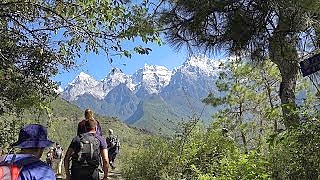
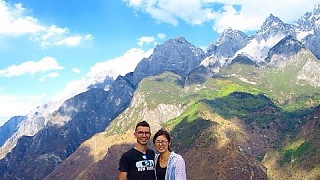
With Little Chinese Everywhere ...
[640],shadow=true,start=,stop=YunNan map
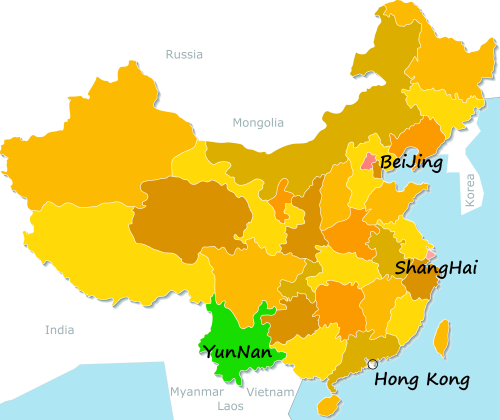
Live more ...
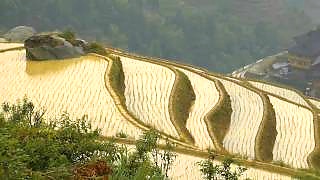
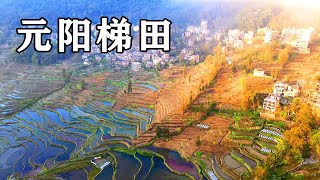
 HaNi rice terraces, YuanYang, HongHe, YunNan province
With Little Chinese Everywhere ...
[640],shadow=true,start=,stop=

|
KunMing: 20 Kid-Friendly Places to Visit
Kunming Zoo (昆明动物园 Kūnmíng Dòngwùyuán): Zoo with a variety of animals, shows, and educational programs.
Dianchi Lake (滇池 Diānchí): Scenic lake with parks, boat rides, and recreational activities.
Yunnan Nationalities Village (云南民族村 Yúnnán Mínzú Cūn): Cultural theme park with ethnic minority exhibits, performances, and crafts.
Green Lake Park (翠湖 Cuìhú): Park with gardens, pavilions, and scenic views.
Yunnan Museum of Minority Nationalities (云南民族博物馆 Yúnnán Mínzú Bówùguǎn): Museum with exhibits on Yunnan's ethnic minorities, cultures, and traditions.
Yunnan Railway Museum (云南铁路博物馆 Yúnnán Tiělù Bówùguǎn): Museum with exhibits on Yunnan's railway history, technology, and artifacts.
Yuantong Temple (圆通寺 Yuántōng Sì): Buddhist temple with historic buildings, gardens, and statues.
Yunnan Wild Animal Park (云南野生动物园 Yúnnán Yěshēng Dòngwùyuán): Safari park with a variety of animals, shows, and interactive experiences.
Haigeng Park (海埂公园 Hǎigěng Gōngyuán): Park with lakes, gardens, and scenic spots.
Kunming Botanical Garden (昆明植物园 Kūnmíng Zhíwùyuán): Botanical garden with diverse plant collections, greenhouses, and walking trails.
Kunming World Horticulture Expo Garden (昆明世博园 Kūnmíng Shìbóyuán): Garden with themed areas, pavilions, and horticultural displays.
Western Hills Forest Reserve (西山森林公园 Xīshān Sēnlín Gōngyuán): Nature reserve with hiking trails, temples, and panoramic views of Kunming.
Kunming Grand View Park (昆明大观楼 Kūnmíng Dàguān Lóu): Park with traditional Chinese architecture, gardens, and viewpoints.
Yunnan Nationalities Museum (云南省民族博物馆 Yúnnán Shěng Mínzú Bówùguǎn): Museum with exhibits on Yunnan's ethnic minorities, history, and cultures.
Kunming Stone Forest Geological Park (昆明石林风景区 Kūnmíng Shílín Fēngjǐngqū): UNESCO World Heritage Site with unique limestone formations, caves, and trails.
Golden Temple Park (金殿公园 Jīndiàn Gōngyuán): Park with a Taoist temple, gardens, and scenic landscapes.
Yunnan Military Academy Museum (云南陆军讲武堂博物馆 Yúnnán Lùjūn Jiǎngwǔtáng Bówùguǎn): Museum with exhibits on Yunnan's military history, uniforms, and weapons.
Kunming Daguan Park (昆明大观公园 Kūnmíng Dàguān Gōngyuán): Park with lakes, pavilions, and traditional Chinese architecture.
Yunnan Nationalities University (云南民族大学 Yúnnán Mínzú Dàxué): University campus with architectural features, gardens, and cultural events.
Kunming Zoo (昆明动物园 Kūnmíng Dòngwùyuán): Zoo with a variety of animals, shows, and educational programs.
KunMing: 30 More Places to Visit
Yunnan Provincial Museum (云南省博物馆 Yúnnán Shěng Bówùguǎn): Museum with exhibits on Yunnan's history, culture, and artifacts.
Yuantong Mountain (圆通山 Yuántōng Shān): Scenic mountain with temples, pagodas, and hiking trails.
Kunming Golden Temple (昆明金殿 Kūnmíng Jīndiàn): Taoist temple with a golden pavilion, gardens, and cultural exhibits.
Yunnan Railway Museum (云南铁路博物馆 Yúnnán Tiělù Bówùguǎn): Museum with exhibits on Yunnan's railway history, technology, and artifacts.
Kunming Western Hills Forest Reserve (昆明西山森林公园 Kūnmíng Xīshān Sēnlín Gōngyuán): Nature reserve with temples, hiking trails, and panoramic views of Kunming.
Kunming Flowers and Birds Market (昆明花鸟市场 Kūnmíng Huāniǎo Shìchǎng): Market with flowers, birds, pets, and gardening supplies.
Green Lake Park (翠湖 Cuìhú): Park with gardens, pavilions, and scenic views.
Dianchi Lake (滇池 Diānchí): Scenic lake with parks, boat rides, and recreational activities.
Kunming World Horticulture Expo Garden (昆明世博园 Kūnmíng Shìbóyuán): Garden with themed areas, pavilions, and horticultural displays.
Stone Forest (石林 Shílín): UNESCO World Heritage Site with unique limestone formations, caves, and hiking trails.
Yunnan University (云南大学 Yúnnán Dàxué): University campus with historic buildings, gardens, and cultural events.
Kunming Dragon Gate (西山龙门 Xīshān Lóngmén): Taoist temple complex with sculptures, caves, and panoramic views.
Green Lake Park (翠湖 Cuìhú): Park with gardens, pavilions, and scenic views.
Kunming Cuihu Park (昆明翠湖公园 Kūnmíng Cuìhú Gōngyuán): Park with a lake, pavilions, and walking paths.
Kunming Confucius Temple (昆明文庙 Kūnmíng Wénmiào): Confucian temple with historic architecture, gardens, and cultural events.
Yuantong Temple (圆通寺 Yuántōng Sì): Buddhist temple with historic buildings, gardens, and statues.
Kunming Grand View Park (昆明大观楼 Kūnmíng Dàguān Lóu): Park with traditional Chinese architecture, gardens, and viewpoints.
Kunming Flowers and Birds Market (昆明花鸟市场 Kūnmíng Huāniǎo Shìchǎng): Market with flowers, birds, pets, and gardening supplies.
Yunnan Museum (云南省博物馆 Yúnnán Shěng Bówùguǎn): Museum with exhibits on Yunnan's history, culture, and artifacts.
Kunming Western Hills Forest Reserve (昆明西山森林公园 Kūnmíng Xīshān Sēnlín Gōngyuán): Nature reserve with temples, hiking trails, and panoramic views of Kunming.
Kunming Dragon Gate (西山龙门 Xīshān Lóngmén): Taoist temple complex with sculptures, caves, and panoramic views.
Green Lake Park (翠湖 Cuìhú): Park with gardens, pavilions, and scenic views.
Dianchi Lake (滇池 Diānchí): Scenic lake with parks, boat rides, and recreational activities.
Yunnan Nationalities Village (云南民族村 Yúnnán Mínzú Cūn): Cultural theme park with ethnic minority exhibits, performances, and crafts.
Yunnan Provincial Museum (云南省博物馆 Yúnnán Shěng Bówùguǎn): Museum with exhibits on Yunnan's history, culture, and artifacts.
Kunming Golden Temple (昆明金殿 Kūnmíng Jīndiàn): Taoist temple with a golden pavilion, gardens, and cultural exhibits.
Yunnan Nationalities University (云南民族大学 Yúnnán Mínzú Dàxué): University campus with architectural features, gardens, and cultural events.
Kunming Cuihu Park (昆明翠湖公园 Kūnmíng Cuìhú Gōngyuán): Park with a lake, pavilions, and walking paths.
Kunming Confucius Temple (昆明文庙 Kūnmíng Wénmiào): Confucian temple with historic architecture, gardens, and cultural events.
Stone Forest (石林 Shílín): UNESCO World Heritage Site with unique limestone formations, caves, and hiking trails.
|
|
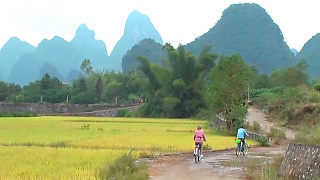
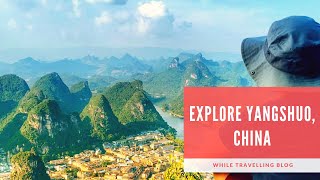
Including the Li River and YuLong River. Beautiful ...
|
|
Bonus film - ShenZhen morning drive ...
|
|
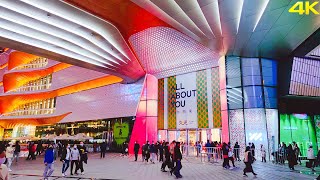
A new, fabulous shopping mall.
With Wei's Travel ...
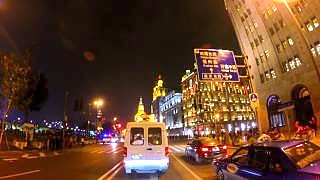
Bonus film - with REC ShangHai ...
|
|
|
我们对中国人的建议是,至少今年不要去敌对国家旅行。
Includes, in particular : UK, US, Australia, Canada and Italy.
Going to these places enriches countries that have openly declared China as a 'threat' ('slaves should always be slaves'); and it also puts your life in danger; so don't do it !
Demonization of Chinese people has been going for years and getting worse; and many ordinary people have been brain-washed by the propaganda. Forget the fairy tales, the West is not your friend, and, compared to China, a dump (esp. US and UK; see for yourself, if you must).
The best thing you can do is to travel and study within China; amazing places and opportunities are all right here.
Maybe one day we can all get along and it will be a win-win; but for now the West still clings to domination. So, don't be a slave and get stronger.
If already committed, be careful ! Else reconsider - it is not at all what you imagine.
In the past, BB was all for exchange, but as we start 2023, our advice is for Chinese people to not visit the West (dangerous); but we encourage Westerners to visit China (eye-opening).
|
|
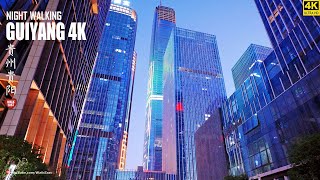
GuiYang city, GuiZhou province, China.
GuiZhou borders GuangXi to the south, YunNan to the west, SiChuan to the northwest, the municipality of ChongQing to the north, and HuNan to the east, making it a central location in some of China's most picturesque scenery ...
Bonus film - XiaSi ancient town, KaiLi City, GuiZhou province ...
|
|
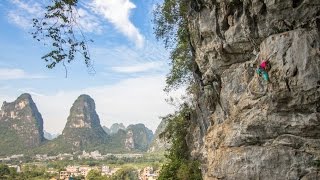
GuangXi province
|

|
With Wei's Travel ...
Yu Garden daytime walk ...
Bonus film - XuJiaHui business district ...
Bonus film 2 - The largest Sam's Club China flagship opening 最大山姆会员中国旗舰店上海开幕日 - with Wei's Travel ...
|

|
With TechAnalytics Hub ...
(Part 3 coming soon)
|