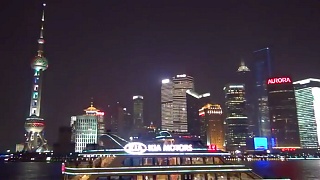
The Li River 漓江 and GuiLin 桂林 night cruise

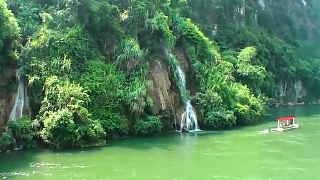
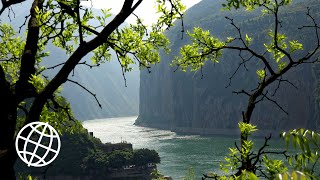
The Li River between YangShuo and GuiLin, plus the '2 rivers, 4 lakes GuiLin night cruise', GuangXi province ...

[640],shadow=true,start=,stop=
[320],shadow=true,start=,stop=

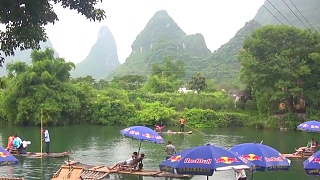
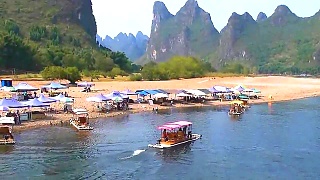
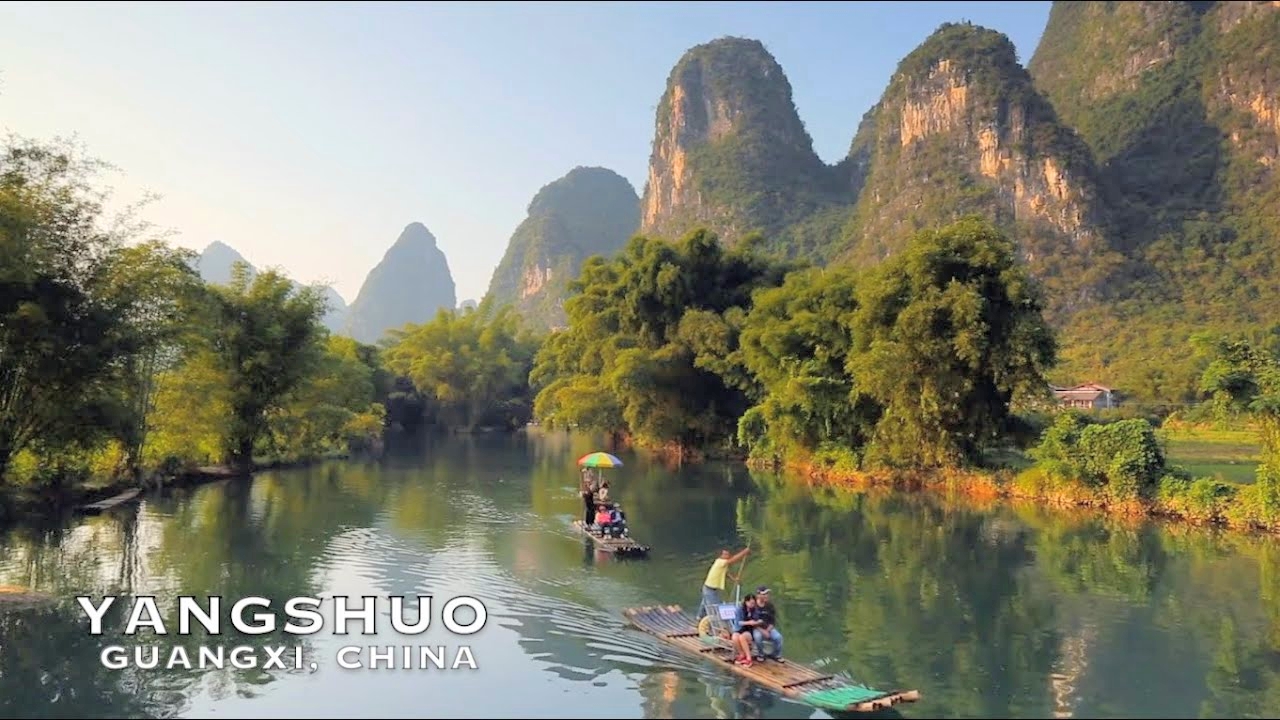
Yangshuo, situated in Guangxi Zhuang Autonomous Region in southern China, is renowned for its breathtaking karst landscapes, serene rivers, and vibrant local culture. Here's a guide for visitors to Yangshuo:

Natural Beauty:
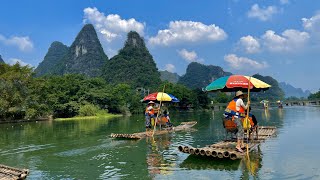
Karst Mountains: Yangshuo is famous for its iconic karst mountains, which rise sharply from the surrounding plains, creating a dramatic and picturesque landscape. Visitors can explore these unique limestone formations by hiking, biking, or taking boat cruises along the Li River.

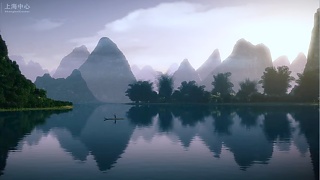
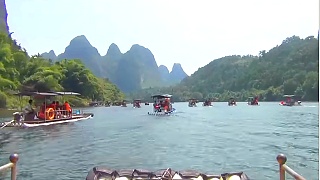
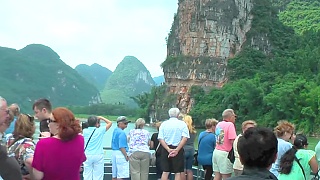
Li River: The Li River, one of China's most scenic waterways, meanders through the karst mountains of Yangshuo, offering stunning vistas at every turn. A leisurely boat cruise along the Li River is a must-do activity for visitors, providing opportunities to admire the breathtaking scenery and capture iconic views of the karst peaks reflected in the water.

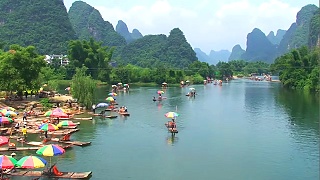
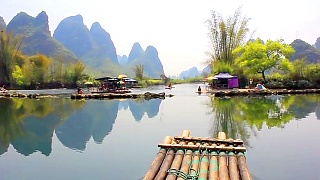
Yulong River: The Yulong River, a tributary of the Li River, is another picturesque waterway that flows through Yangshuo's countryside. Visitors can enjoy bamboo rafting or kayaking on the Yulong River, passing through idyllic villages, rice paddies, and bamboo groves along the way.

Outdoor Activities:
Cycling: Yangshuo is a cyclist's paradise, with scenic countryside roads and trails that wind through rice fields, orchards, and traditional villages. Renting a bicycle and exploring the surrounding countryside at a leisurely pace is a popular activity for visitors.

Rock Climbing: With its towering karst cliffs and limestone peaks, Yangshuo is a premier rock climbing destination in China. Experienced climbers and beginners alike can find suitable routes and climbing spots in the area, with options for guided tours and equipment rental available.

Cultural Experiences:
West Street: West Street (Xi Jie) is the main thoroughfare in Yangshuo's town center and a hub of activity for tourists and locals alike. Lined with shops, restaurants, cafes, and bars, West Street offers a vibrant atmosphere and is a great place to shop for souvenirs, sample local cuisine, and soak in the town's unique charm.

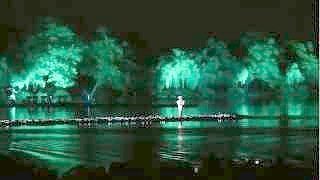
Impression Sanjie Liu: Directed by renowned filmmaker Zhang Yimou, Impression Sanjie Liu is a spectacular outdoor performance staged on the Li River. Featuring a cast of hundreds of performers, including local fishermen and farmers, the show combines music, dance, and light effects to showcase the natural beauty and cultural heritage of the area.

Practical Tips:
Weather: Yangshuo has a subtropical climate with mild winters and hot, humid summers. The best time to visit is during the spring (March to May) and autumn (September to November) when the weather is most pleasant and the landscapes are lush and green.

Accommodation: Yangshuo offers a range of accommodation options, including guesthouses, boutique hotels, and hostels catering to various budgets and preferences. Staying in the town center allows visitors to easily access attractions, restaurants, and transportation options.

Local Cuisine: Don't miss the opportunity to sample Yangshuo's delicious local cuisine, which includes specialties such as beer fish and Guilin rice noodles. Many restaurants in Yangshuo offer outdoor seating with panoramic views of the surrounding karst landscape.

Yangshuo's stunning natural scenery, outdoor activities, and vibrant cultural scene make it a popular destination for travelers seeking to explore the beauty of southern China. Whether cruising along the Li River, cycling through the countryside, or immersing oneself in the town's bustling street life, Yangshuo offers unforgettable experiences for visitors of all ages and interests.
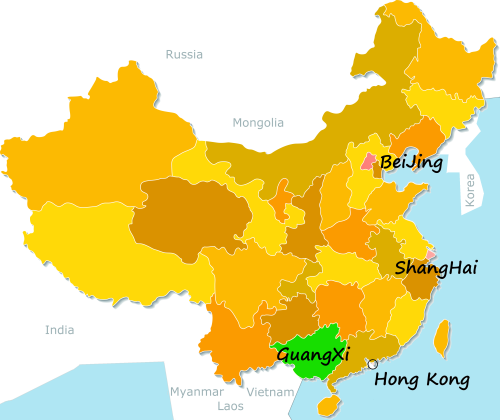
GuangXi map

Related Videos


Featured Videos

Memories of the ShangHai 上海 World Expo 2010 (8)
1. Shanghai pavilion 2. State Grid (light show) 3. Russia 4. Asia and Americas 5. Europe 6. Europe and Africa 7. Human Footprint (history and ecology) 8. Food Street 9,10,11 Dance and music (including Tunisia, XinJiang and Inner Mongolia) 12. China pavilion and overview
Scenes from HangZhou 杭州 in ZheJiang province
West Lake, HangZhou
A trip to the beautiful HuangShan 黄山 mountain – video
HuangShan (Yellow Mountain) is one of the most famous scenic areas in China and a UNESCO World Heritage Site ...
Flying around ShangHai 上海
Beautiful drone footage, like a dream ...
The beautiful WuYuan ancient town, JiangXi province
With JiangXi China ... WuYuan Ancient Town, located in JiangXi province, is a place of historical and cultural significance, known for its well-preserved architecture and picturesque scenery. The town is often referred to as a "living museum" of ancient Chinese culture, offering a glimpse into the country's rich historical past. Historical Significance Wuyuan Ancient Town has a history that dates back over a thousand years. It flourished during the Tang (618-907) and Song (960-1279) dynasties and continued to thrive through the Ming (1368-1644) and Qing (1644-1912) dynasties. The town's strategic location and prosperous agricultural economy contributed to its development as a cultural and commercial hub. Architecture The architecture of Wuyuan Ancient Town is a highlight, featuring traditional Chinese structures such as ancestral halls, temples, and residential buildings. These structures are characterized by their intricate woodwork, stone carvings, and tile-roofed houses. The well-preserved buildings reflect the elegance and craftsmanship of ancient Chinese architectural styles. Natural Beauty Wuyuan is also renowned for its stunning natural landscapes. The town is surrounded by lush mountains, winding rivers, and terraced fields, creating a picturesque setting that changes with the seasons. In spring, the blooming canola flowers turn the fields into a sea of yellow, attracting photographers and nature enthusiasts from all over the country. Culture and Traditions Wuyuan Ancient Town is rich in cultural heritage and traditions. The local customs, festivals, and folk arts are well-preserved, offering visitors a chance to experience traditional Chinese culture firsthand. The town hosts various cultural events, including lantern festivals, dragon boat races, and traditional opera performances. Notable Sites Some of the notable sites in Wuyuan Ancient Town include: Likeng Village: Known for its beautiful ancient buildings and tranquil environment, Likeng Village offers a glimpse into traditional rural life in China. Rainbow Bridge: A historic covered bridge that is one of the most iconic landmarks in Wuyuan, featuring unique wooden architecture. Xiaoqi Village: Famous for its ancient merchant houses and well-preserved cultural relics. Jiangwan Village: A historic village with a rich cultural heritage and traditional architecture. Tourism and Accessibility Wuyuan Ancient Town has become a popular tourist destination, attracting visitors with its historical charm and natural beauty. The town is easily accessible from major cities in Guangxi and neighboring provinces. Efforts have been made to preserve the town's cultural heritage while developing infrastructure to accommodate tourists.
China and geopolitics (2), January 2024
With Li JingJing and Ben Norton ...
Hong Kong riots – how one HK cafe is a beacon of courage, and thereby hope, amidst the violence and hate
An inspiration to us all ...
The Spirit Way, Ming Tombs 明十三陵, BeiJing
The Ming Tombs are a collection of mausoleums built by emperors of the Ming dynasty. They lie within the ChangPing District of BeiJing Municipality, 40 kilometers (25 miles) north-northwest of Beijing city center. The site was chosen based on the principles of Feng Shui by the third Ming emperor, YongLe. Construction began after completion of the Imperial Palace (Forbidden City) in 1420. Subsequent emperors placed their tombs in the same valley; 13 in total. The siting of the Ming dynasty imperial tombs was carefully chosen according to Feng Shui principles. A key guide is that bad spirits and cold winds from the north must be deflected; therefore, an arc-shaped valley area at the foot of the JunDu Mountains was selected. This 40 square kilometer area, enclosed by mountains in a pristine, quiet valley with dark earth and tranquil water became the necropolis of the Ming dynasty. A 7 kilometer (4 mile) path named the Spirit Way, or Sacred Way, leads into the complex, lined with statues of guardian animals and officials, with a front memorial gate consisting of three arches called the Great Red Gate; constructed in 1540, it is one of the biggest stone archways in China. Further in, lies the ShenGong ShengDe Stele Pavilion with a 50 tonne stone statue of BiXi carrying a memorial tablet. Four white marble HuaBiao (pillars of glory) are positioned at each corner of the pavilion; at the top of each is a mythical beast. Then come two pillars on each side of the path, whose surfaces are carved with a cloud design, and tops are shaped like a cylinder; these are of a traditional design and were originally beacons to guide the soul of the deceased, The path leads to 18 pairs of stone statues of mythical animals, which are all sculpted from single blocks; these are all larger than life size. After, the path leads to a three-arched gate known as the Dragon and Phoenix Gate. Two of the mausoleums are open to visitors, but it is the beauty of the valley, with orchards, and the sheer scale of the area used for the tombs, that make this a nice day out in the countryside.
95 years in China – the extraordinary life of Isabel Crook
Isabel and David Crook : We belonged, and this is why we stayed ...

Tag search ?