Related Videos


Featured Videos

LongQing Xia 龙庆峡, BeiJing
The beautiful LongQing Gorge is just 90 km north west of the city and a great day trip ...
Something different – minimalism (less is more)
With Einzelgänger ... Bonus film - Erich Fromm on 'To Have or To Be' ...
Crescent Moon Lake, an oasis in the Gobi desert
A few of the lesser known beauty spots in China ...
Discover ShanXi 山西 province ..
ShanXi province lies west / south west of BeiJing / HeBei. Best known places include PingYao, the YunGang Grottoes and JinCi Temple. ShanXi is packed with ancient Chinese culture.
A trip to Kashgar, XinJiang province
With Alan & Shannon ...
Quick fact – CO2 emissions per capita
Canada : 18.6 Australia : 17.1 US : 15.5 Russia : 11.4 ... China : 7.4 That is, twice the CO2 emissions in the US versus China. Source : https://www.worldometers.info/co2-emissions/co2-emissions-per-capita/
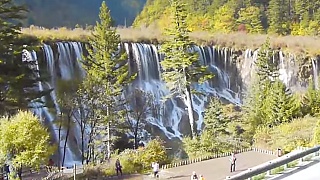
JiuZhaiGou 九寨沟 Nature Reserve, SiChuan province (slideshow)
'Nine Villages Valley' (Tibetan and Qiang). With walkways though hills and streams, cyan limestone pools and many waterfalls ...
The beautiful Humble Administrator’s Garden in SuZhou, JiangSu province
With Lulu's Daily In China ... Humble Administrator's Garden Visitor Guide Overview The Humble Administrator's Garden, located in SuZhou, JiangSu province, is one of the most famous classical gardens in China. Built in the early 16th century during the Ming Dynasty, this garden is a masterpiece of Chinese landscape design, featuring beautiful pavilions, serene ponds, lush greenery, and exquisite rock formations. It is a UNESCO World Heritage Site and a must-visit destination for anyone interested in traditional Chinese garden art. History The garden was originally created by Wang XianChen, a retired government official, who sought to design a peaceful retreat for himself. Over the centuries, the garden changed hands multiple times, undergoing various renovations and expansions. Despite these changes, the garden has retained its original layout and classical elements, reflecting the aesthetics and philosophical principles of traditional Chinese gardens. Main Attractions Central Garden The Central Garden is the heart of the Humble Administrator's Garden, featuring a large pond surrounded by lush plants, winding paths, and elegant pavilions. Key highlights include: Lotus Pavilion: A beautiful structure overlooking the pond, offering a tranquil spot to enjoy the view of blooming lotus flowers in summer. Hall of Distant Fragrance: Named after the lotus flowers whose fragrance can be smelled from afar, this hall is one of the garden's main buildings, known for its elegant design. Eastern Garden The Eastern Garden features a series of smaller ponds, rockeries, and pavilions, creating a more intimate and secluded atmosphere. Notable features include: Small Flying Rainbow Bridge: A charming stone bridge that arches gracefully over a small pond. Hall of 36 Mandarin Ducks: Named after the mandarin ducks often seen in Chinese art, this hall offers picturesque views of the surrounding landscape. Western Garden The Western Garden is characterized by its open spaces and carefully arranged rockeries and plantings. Highlights include: Hall of the Thirty-Six Mandarin Ducks: Featuring beautiful carvings and a serene ambiance. GuanYun Peak: A striking rock formation representing a mountain peak, showcasing the garden's sophisticated use of stones. Architecture and Design The Humble Administrator's Garden exemplifies the principles of traditional Chinese garden design, which seeks to create harmony between nature and human-made structures. The garden's architecture and layout incorporate the following elements: Water Features: Ponds and streams are central to the garden's design, reflecting the sky and surrounding plants, and adding a sense of tranquility. Rockeries: Carefully arranged rocks and rock formations symbolize mountains and add a dynamic visual element to the landscape. Pavilions and Halls: These structures provide spaces for relaxation and contemplation, offering various perspectives of the garden. Plantings: A diverse array of plants, including bamboo, lotus, and seasonal flowers, enhance the garden's beauty and symbolize different virtues and qualities. Visiting Tips Best Time to Visit: The garden is beautiful year-round, but spring and summer are particularly lovely when flowers are in bloom. Autumn offers stunning foliage, and winter provides a peaceful, serene atmosphere. Opening Hours: The garden is open daily from 7:30 AM to 5:30 PM (hours may vary seasonally). Getting There: The garden is located in the heart of SuZhou and is easily accessible by public transportation or taxi. The nearest metro station is Lindun Road Station (Line 1). Guided Tours: Consider hiring a local guide or joining a guided tour to gain deeper insights into the garden's history, architecture, and cultural significance. Photography: The garden offers countless photo opportunities. Be sure to bring your camera and take your time capturing the beauty of the landscape. Respect the Environment: Help preserve the garden by not picking flowers, climbing on rocks, or littering. Respect the tranquility of the space and other visitors.
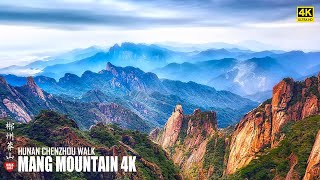
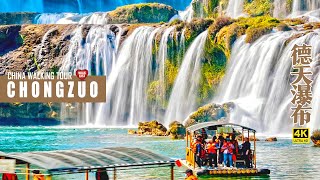
The beautiful MangShan WuZhiFeng and DeTian Waterfall, HuNan province
With Beijing Old Liu ... Mangshan Wuzhifeng, Xiongqi, and Waterfalls Visitor Guide Mangshan Wuzhifeng, located in Hunan Province, is a breathtaking natural wonder renowned for its rugged peaks, lush forests, and cascading waterfalls. With its nickname "Wuzhifeng" (Five-Finger Peaks), the area is a perfect destination for hiking enthusiasts, nature lovers, and those seeking a tranquil escape. How to Get There By Air: The nearest airport is Changsha Huanghua International Airport. From there, you can take a train or bus to Mangshan Scenic Area. By Train: The high-speed rail to Chenzhou or Yongzhou offers connections to Mangshan by bus or private car. By Road: Direct buses from Chenzhou or nearby towns are available to the scenic area. Top Attractions Wuzhifeng (Five-Finger Peaks) These iconic peaks resemble a hand reaching towards the sky. The view from the summit provides panoramic vistas of the surrounding forested valleys and rugged terrain. It's a must-visit for photography and hiking enthusiasts. Xiongqi Waterfalls The area is dotted with numerous waterfalls cascading from great heights. The Xiongqi Waterfalls are particularly stunning, with their powerful flow and mist creating a magical atmosphere. Visitors can enjoy the cooling spray during warm months. Mangshan Forest This lush forest is home to diverse flora and fauna. The forest is known for its giant ancient trees, rare plants, and a variety of bird species. It’s a great spot for nature walks and birdwatching. Cloud Sea Viewing On misty mornings, the valleys below Wuzhifeng are often filled with a sea of clouds, creating an otherworldly landscape. Sunrise views are particularly spectacular from designated observation decks. Golden Dragon Pool Located within the scenic area, this serene pool is surrounded by verdant greenery and is perfect for quiet reflection and relaxation. Activities and Experiences Hiking trails leading to the peaks and viewpoints. Exploring the waterfalls and enjoying the cool mist. Camping under the stars for an immersive nature experience. Photography of the unique landscapes and vibrant biodiversity. Birdwatching and wildlife spotting in the forest. Best Time to Visit Spring (March–May): Mild weather and blooming flowers make this season ideal for exploring. Autumn (September–November): Cool temperatures and colorful foliage enhance the scenic beauty. Summer (June–August): The waterfalls are at their most vibrant due to the rainy season, offering refreshing experiences. Local Tips Wear sturdy hiking shoes and bring rain gear if visiting during the rainy season. Carry water and snacks, as facilities may be limited on certain trails. Arrive early to enjoy the best light for photography and avoid long waits at viewpoints. Additional Information Entrance Fee: Tickets are required for access to the scenic area and can be purchased at the entrance or online. Transportation: Shuttle buses within the scenic area provide access to major attractions. Accommodations: Nearby towns offer a range of hotels and guesthouses, including eco-friendly lodges. With its dramatic peaks, enchanting waterfalls, and serene forest trails, Mangshan Wuzhifeng and Xiongqi Waterfalls promise an unforgettable experience for every nature enthusiast. Detian Waterfall Visitor Guide Detian Waterfall, located on the border between China and Vietnam in Guangxi Province, is one of Asia's most magnificent natural wonders. The cascading falls span both countries, offering a unique blend of natural beauty and cultural significance. How to Get There By Air: The nearest airport is Nanning Wuxu International Airport, approximately 210 km from the waterfall. From Nanning, you can take a bus or hire a private car to reach the site. By Train: Trains to Chongzuo or Daxin County provide access to Detian Waterfall via local transportation. By Bus: Buses from Nanning or nearby towns like Daxin County operate regularly to the scenic area. Top Highlights The Waterfall Detian Waterfall is a multi-tiered cascade that stretches over 200 meters wide, with a drop of 70 meters. It is fed by the Guichun River, creating a thundering spectacle, especially during the rainy season when the water flow is at its peak. Border Views As the waterfall straddles the border between China and Vietnam, visitors can enjoy views of both countries. Vietnamese fishing boats often add charm to the scene, and the unique geography makes this a one-of-a-kind destination. Rafting Experience Visitors can take a bamboo raft to get up close to the falls, feeling the mist and hearing the roar of the cascading water. It's an exhilarating way to experience the power and beauty of the waterfall. Surrounding Scenery The area around Detian Waterfall is lush with greenery, karst formations, and rice terraces, creating a serene and picturesque environment for exploration and photography. Local Culture The region is home to the Zhuang ethnic group, and visitors can experience traditional Zhuang culture, including music, dance, and local cuisine. Best Time to Visit Spring (March–May): The weather is mild, and the scenery is vibrant with blooming flowers and fresh greenery. Summer (June–August): The rainy season enhances the water flow, making the falls even more majestic. Autumn (September–November): Clear skies and cooler temperatures provide excellent conditions for sightseeing. Activities and Tips Take a bamboo raft ride to experience the falls up close. Visit the observation decks for panoramic views of the waterfall and surrounding landscape. Explore nearby villages to learn about local customs and enjoy authentic Zhuang cuisine. Bring a waterproof camera or phone case to capture the beauty without worry. Wear comfortable shoes for walking and exploring the area. Additional Information Entrance Fee: Tickets are required to access the Detian Scenic Area and can be purchased online or at the entrance. Transportation: Shuttle buses are available within the scenic area to help visitors access key spots. Accommodations: Nearby towns offer a variety of accommodations, including guesthouses and boutique hotels. Whether you're seeking natural beauty, cultural immersion, or a peaceful retreat, Detian Waterfall offers a memorable experience in one of China's most enchanting landscapes.

Tag search ?