|
With Nick in China ...
Meidaizhao Temple Visitor Guide
Located near Baotou in Inner Mongolia, Meidaizhao Temple (also known as Meidaizhao Lamasery) is a unique cultural landmark that blends Tibetan Buddhism with Mongolian and Han architectural influences. This guide provides everything you need to know for an enriching visit to this historical and spiritual site.
Overview of Meidaizhao Temple
History & Significance: Built in the late 16th century, during the reign of the Ming Dynasty, Meidaizhao Temple is one of the most important Tibetan Buddhist monasteries in Inner Mongolia. It was initially a palace for Altan Khan, a Mongol leader who played a key role in introducing Tibetan Buddhism to the region. The temple later evolved into a lamasery and continues to serve as a significant religious site for both monks and pilgrims.
Architecture: Meidaizhao’s architecture is a fascinating blend of Mongolian, Tibetan, and Han Chinese styles, making it stand out among other temples in the region. The complex is surrounded by a fortress-like wall, and inside, visitors will find beautifully painted murals, prayer halls, and courtyards that reflect its spiritual importance and artistic beauty.
Key Attractions in Meidaizhao Temple
Main Prayer Hall
The Main Prayer Hall, or "Sükhbaatar," is the heart of Meidaizhao Temple. This large, ornate building is used for religious ceremonies and prayers. Visitors can observe monks conducting rituals and admire the intricately painted murals that depict Buddhist stories and deities.
White Pagoda
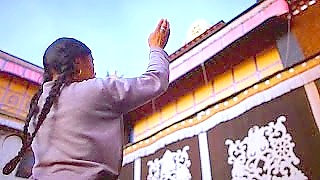
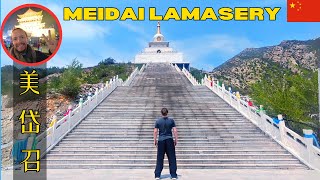
One of the most iconic features of Meidaizhao is the White Pagoda, which stands tall against the backdrop of the vast grasslands. This stupa, a symbol of enlightenment in Buddhism, is a popular spot for pilgrims who come to offer prayers and walk clockwise around the structure for blessings.
Mongolian Fortress Walls
The temple complex is encircled by fortress-like walls that reflect its historical role as a defensive palace for Altan Khan. Walking along these walls provides stunning views of the surrounding landscape and offers a glimpse into the temple's past as a political and military stronghold.
Buddhist Murals
Inside the temple, visitors can find elaborate Buddhist murals that are well-preserved despite their age. These murals depict Tibetan Buddhist figures, scenes from religious texts, and Mongolian motifs, showcasing the cultural fusion that defines Meidaizhao.
Travel Tip: Don't miss the chance to observe monks performing traditional Tibetan Buddhist rituals in the Main Hall. These ceremonies are deeply spiritual and offer a rare glimpse into the religious life of the lamasery.
Practical Travel Information for Meidaizhao Temple
When to Visit
The best time to visit Meidaizhao Temple is during the late spring and early autumn months (May to October), when the weather is mild, and the grasslands surrounding the temple are lush and green. Summer can be warm, but it is also the peak season for local festivals, while winter is harsh and cold, making outdoor exploration difficult.
Getting to Meidaizhao
By Air: The nearest major airport is Baotou Airport, about 80 kilometers from the temple. From Baotou, you can hire a taxi or take a local bus to reach Meidaizhao.
By Train: Baotou is well-connected by train to major cities in China. After arriving in Baotou, buses or taxis can take you directly to the temple.
By Bus: Local buses operate from Baotou and other nearby towns, offering a budget-friendly option for reaching the temple. Private tours also often include transportation to the temple as part of their package.
Accommodation
There are limited accommodation options near Meidaizhao Temple. Most visitors stay in Baotou, which has a wide range of hotels, from budget to luxury. If you're interested in a more immersive experience, some guesthouses in the area offer basic lodging close to the temple grounds. It is recommended to book in advance, especially during peak seasons.
Cultural Sensitivity
As Meidaizhao is an active religious site, visitors should show respect by dressing modestly and refraining from loud conversations within the temple complex. Photography may be restricted in certain areas, especially inside prayer halls. Always ask for permission before taking photos of monks or religious ceremonies.
Local Cuisine
Inner Mongolian cuisine is known for its hearty, meat-heavy dishes. Near Meidaizhao, you can find local eateries serving traditional Mongolian food such as mutton, dairy products (such as milk tea and cheese), and a variety of grilled meats. For a unique experience, try the local "suutei tsai" (Mongolian milk tea) or "huoguo" (Mongolian hotpot).
Travel Tip: If you visit during a local festival, such as the Naadam Festival, you’ll have the opportunity to witness traditional Mongolian sports like wrestling and horse racing. These cultural events add an extra dimension to your visit.
Suggested Itinerary for Exploring Meidaizhao Temple
Day 1: Arrive in Baotou and explore the city’s museums or enjoy a local Mongolian meal. In the afternoon, travel to Meidaizhao and take a walk around the temple's exterior, exploring the fortress walls and nearby grasslands.
Day 2: Spend the morning exploring the temple complex. Visit the Main Prayer Hall to observe religious ceremonies, explore the White Pagoda, and admire the murals. Enjoy a traditional lunch at a local restaurant before returning to Baotou.
Day 3: If time allows, visit nearby attractions such as the Dazhao Temple in Hohhot or take a tour of the Inner Mongolian grasslands for a more in-depth exploration of the region’s natural beauty and nomadic culture.
|
 Real democracy – government by, for, and of the people