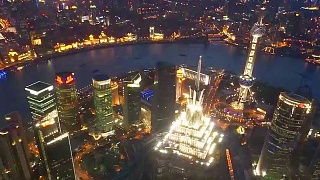
NanJing night walk

JiangSu province.

With Walk East ...

[640],shadow=true,start=,stop=

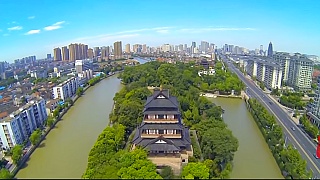
Nanjing, known as the Southern Capital, is one of China's most historically significant cities and a vibrant modern metropolis. Situated in the Jiangsu Province, Nanjing offers visitors a blend of rich history, cultural heritage, scenic landscapes, and modern amenities. Here's a guide to Nanjing for visitors:

Historical and Cultural Attractions:
Nanjing City Wall: Explore the remnants of the ancient city wall, one of the most well-preserved in China, offering panoramic views of the city and surrounding areas.

Sun Yat-sen Mausoleum: Pay homage to Dr. Sun Yat-sen, the founding father of modern China, at his grand mausoleum located at the foot of Purple Mountain.

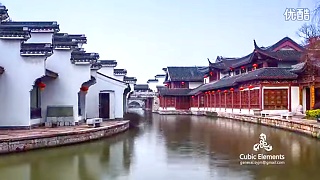
Confucius Temple (Fuzimiao): Immerse yourself in traditional Chinese architecture, visit the Confucius Temple, and stroll along the Qinhuai River, known for its lively atmosphere and historic charm.

Nanjing Massacre Memorial Hall: Commemorates the victims of the Nanjing Massacre. Learn about this tragic chapter in history.

Presidential Palace: Explore the former presidential residence of China's early republican era, showcasing exhibits on Chinese history and culture.

Jiming Temple: Visit one of Nanjing's oldest temples, known for its serene atmosphere, beautiful gardens, and ancient pagodas.

Natural Beauty:
Purple Mountain (Zijin Shan): Escape the urban hustle and bustle with a visit to Purple Mountain, home to scenic hiking trails, tranquil lakes, and historical sites like the Ming Xiaoling Mausoleum.

Xuanwu Lake: Relax by the shores of Xuanwu Lake, a picturesque oasis in the heart of the city, offering boat rides, walking paths, and lush greenery.

Modern Landmarks:
Nanjing Olympic Sports Center: Experience modern Nanjing at the Olympic Sports Center, home to state-of-the-art sports facilities, shopping malls, and entertainment venues.

Nanjing Eye Pedestrian Bridge: Take a leisurely stroll across the Yangtze River on the Nanjing Eye Pedestrian Bridge, offering stunning views of the city skyline.

Culinary Delights:
Nanjing Salted Duck: Sample this local delicacy, known for its savory flavor and tender meat, at traditional restaurants throughout the city.

Nanjing Dumplings (Soup Dumplings): Indulge in Nanjing's famous soup dumplings, filled with flavorful broth and served piping hot.

Practical Information:
Transportation: Getting around Nanjing is easy, with an efficient public transportation system including buses, metro, and taxis.

Accommodation: Nanjing offers a range of accommodation options, from luxury hotels to budget-friendly hostels, catering to different preferences and budgets.

Language: Mandarin Chinese is the official language, but some locals may speak English, especially in tourist areas.

Nanjing's blend of historical significance, natural beauty, cultural richness, and modernity makes it a compelling destination for travelers seeking a diverse and immersive experience in China.


JiangSu map

Related Videos


Featured Videos

Cycling and bamboo rafting near YangShuo 阳朔, GuangXi province
Harmony and balance in Chinese philosophy – video
A trailer to Richard Bangs' travel videos of GuangDong, Macau and Hong Kong around the Pearl River Delta ...
JiuZhaiGou and HuangLong National Park 九寨沟 + 黄龙
In SiChuan province ...
When spring comes, let’s enjoy a pot of SiChuan dried ribs
春暖花开,来上一锅享誉巴蜀的盐排骨可好? ZiQi wrote the following when she released this video on Chinese social media on father's day 2016 : I don't have a signature dish. I just heard from grandma that you liked it. I don't remember your face, but there's always a silhouette in my head, and I know that it's you. It hasn't been easy without you by my side. It's been twenty two years. I really miss you. Her father passed away when she was a young child. The background song is by an artist named 薛之谦 and is called 我好像在哪见过你 - I think I have met you somewhere ...
The beaches of Hong Kong 香港
Hong Kong has quite a few beaches and some of these are very nice ...
The Grand Tang Dynasty Mall, Xi’An, ShaanXi province
With Andy see the World ...
KunMing city walk, YunNan province
With Walk East ...
A guide to visiting HuaShan, ShaanXi province
Mount Hua, or HuaShan, is one of China's Five Great Mountains, renowned for its steep trails, breathtaking views, and significant Taoist history. Located in Shaanxi Province, near the city of Huayin, Huashan attracts adventurers and pilgrims alike. This guide provides an in-depth look at the best attractions, activities, and tips for visiting Huashan. Top Attractions The Five Peaks of Huashan Mount Hua consists of five main peaks, each offering unique scenery and experiences: East Peak (Zhaoyang Peak): Known as the "Sunrise Peak," it is the best spot to watch the sunrise. West Peak (Lianhua Peak): Also called the "Lotus Peak," it is famous for its striking rock formations that resemble a lotus flower. South Peak (Luoyan Peak): The highest of the five peaks at 2,154 meters, offering panoramic views. North Peak (Yuntai Peak): Known as the "Cloud Terrace Peak," it serves as the starting point for many hikes. Central Peak (Yunv Peak): Also known as the "Jade Maiden Peak," it is named after a Taoist legend. Huashan Plank Walk The Huashan Plank Walk is one of the most thrilling attractions on the mountain. The narrow wooden walkway is attached to the sheer cliff face of the South Peak, offering an adrenaline-pumping experience and stunning views. Chess Pavilion Perched on a precarious rock, the Chess Pavilion is a small structure with legendary associations. According to legend, it is where a deity played chess with a mortal. Taoist Temples Mount Hua is home to several ancient Taoist temples, including the Jade Spring Temple at the base of the mountain and the Yuquan Temple. These temples are important pilgrimage sites and offer a glimpse into the mountain's spiritual significance. Geology of Huashan Mount Hua is part of the Qinling Mountain range and is primarily composed of granite. The mountain's distinctive steep slopes and sharp peaks are the result of tectonic uplift and erosion over millions of years. The granite rock faces provide both a dramatic landscape and a challenging environment for climbers. Touring Huashan Planning Your Visit Visiting Huashan requires careful planning due to its challenging terrain and the variety of routes available. A typical visit can take one to two days, depending on the routes and peaks you choose to explore. Here is a suggested itinerary: Day 1: North Peak and the Plank Walk Morning: Take the cable car from the East Gate to the North Peak. Spend the morning exploring the North Peak and its surrounding trails. Afternoon: Head towards the South Peak for the Huashan Plank Walk. Ensure you have the proper safety gear and follow all safety instructions. Evening: Consider spending the night on the mountain at one of the guesthouses or temples to experience the sunrise from one of the peaks. Day 2: The Five Peaks Early Morning: Watch the sunrise from the East Peak. Mid-Morning: Hike to the Central Peak, then continue to the West Peak to see the Lotus Flower Rock. Afternoon: Ascend to the South Peak, the highest peak, for panoramic views. Descend back to the North Peak and take the cable car down. Activities and Experiences Hiking Huashan offers challenging hikes with rewarding views. Trails are steep and can be narrow, requiring a good level of fitness and caution. Popular routes include the ascent from the East Gate to the North Peak and the circular route covering the five peaks. Photography The dramatic landscapes of Huashan provide excellent opportunities for photography. Key spots include the sunrise from the East Peak, the Plank Walk on the South Peak, and the panoramic views from the highest point. Local Cuisine After a day of hiking, try local Shaanxi cuisine, known for its hearty and flavorful dishes. Specialties include biangbiang noodles, roujiamo (Chinese hamburger), and various dumplings. There are several restaurants and food stalls at the base of the mountain and near the East Gate. Travel Tips Best Time to Visit The best times to visit Huashan are spring (April to June) and autumn (September to November) when the weather is mild and the views are clear. Summer can be hot and crowded, while winter can be cold and snowy, making some trails hazardous. Getting There Huashan is accessible by train, bus, and car. The nearest major city is Xi'an, from where you can take a high-speed train to Huashan North Railway Station. From there, shuttle buses or taxis can take you to the mountain's entrances. Accommodation Accommodation options range from budget hostels to mid-range hotels in Huayin City. For a unique experience, consider staying overnight on the mountain in a guesthouse or temple. This allows you to catch the sunrise from one of the peaks. Tickets and Passes Purchase entrance tickets at the mountain's gates. There are separate tickets for the cable cars and the Plank Walk. Consider buying a multi-day pass if you plan to explore all five peaks. Guides and Tours Hiring a local guide can enhance your experience by providing insights into the mountain's history, culture, and geology. Many tour operators offer packages that include transportation, tickets, and guided tours.
TongZiao Village, YongZhou, HuNan
With Walk East ... Phoenix ancient town, night walk ...

Tag search ?