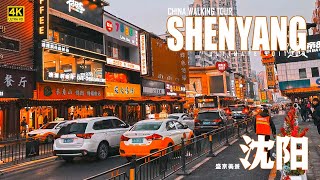
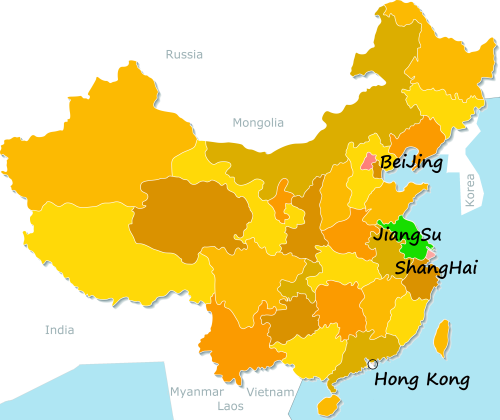
NanJing city drive, JiangSu province

With Walk East ...

[640],shadow=true,start=,stop=

Nanjing, known as the Southern Capital, is one of China's most historically significant cities and a vibrant modern metropolis. Situated in the Jiangsu Province, Nanjing offers visitors a blend of rich history, cultural heritage, scenic landscapes, and modern amenities. Here's a guide to Nanjing for visitors:

Historical and Cultural Attractions:
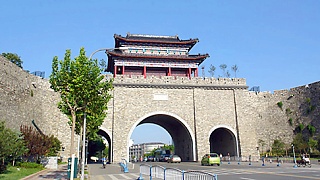
Nanjing City Wall: Explore the remnants of the ancient city wall, one of the most well-preserved in China, offering panoramic views of the city and surrounding areas.

Sun Yat-sen Mausoleum: Pay homage to Dr. Sun Yat-sen, the founding father of modern China, at his grand mausoleum located at the foot of Purple Mountain.

Confucius Temple (Fuzimiao): Immerse yourself in traditional Chinese architecture, visit the Confucius Temple, and stroll along the Qinhuai River, known for its lively atmosphere and historic charm.

Nanjing Massacre Memorial Hall: Commemorates the victims of the Nanjing Massacre. Learn about this tragic chapter in history.

Presidential Palace: Explore the former presidential residence of China's early republican era, showcasing exhibits on Chinese history and culture.

Jiming Temple: Visit one of Nanjing's oldest temples, known for its serene atmosphere, beautiful gardens, and ancient pagodas.

Natural Beauty:
Purple Mountain (Zijin Shan): Escape the urban hustle and bustle with a visit to Purple Mountain, home to scenic hiking trails, tranquil lakes, and historical sites like the Ming Xiaoling Mausoleum.

Xuanwu Lake: Relax by the shores of Xuanwu Lake, a picturesque oasis in the heart of the city, offering boat rides, walking paths, and lush greenery.

Modern Landmarks:
Nanjing Olympic Sports Center: Experience modern Nanjing at the Olympic Sports Center, home to state-of-the-art sports facilities, shopping malls, and entertainment venues.

Nanjing Eye Pedestrian Bridge: Take a leisurely stroll across the Yangtze River on the Nanjing Eye Pedestrian Bridge, offering stunning views of the city skyline.

Culinary Delights:
Nanjing Salted Duck: Sample this local delicacy, known for its savory flavor and tender meat, at traditional restaurants throughout the city.

Nanjing Dumplings (Soup Dumplings): Indulge in Nanjing's famous soup dumplings, filled with flavorful broth and served piping hot.

Practical Information:
Transportation: Getting around Nanjing is easy, with an efficient public transportation system including buses, metro, and taxis.

Accommodation: Nanjing offers a range of accommodation options, from luxury hotels to budget-friendly hostels, catering to different preferences and budgets.

Language: Mandarin Chinese is the official language, but some locals may speak English, especially in tourist areas.

Nanjing's blend of historical significance, natural beauty, cultural richness, and modernity makes it a compelling destination for travelers seeking a diverse and immersive experience in China.
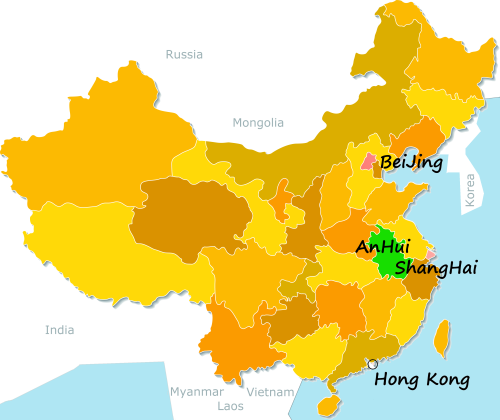
AnHui map
JiangSu map

Related Videos


Featured Videos

Planning war on China – part 18
What is called 'democracy' is elite rule; money buys power / fool the people that they have significance. 'Democracy' is the subterfuge that is capture / takeover by other means. In the West, you don't have any real say, other than which side of the same coin is to 'represent' you. To keep one from seeing the bigger picture, and a sense of being part of humanity, the West focuses you on personal identity (misdirection), and that you are 'free'. This is the mix of 'divide and rule', plus mental chains (beliefs) over physical chains, as the new slavery. Anyone who opens their eyes can see it, right in front of them; how one is constantly programmed. Another aspect of the control is money; that is what limits your real freedom; and refocuses your life on the material / survival. The walls and bars of our prison are internalized. To add to the confusion, these elements are projected onto the 'others'. The bigger picture, the full reality, is kept hidden, while the focus remains on endless little bits that are easily construed a certain way. Once one sees reality, the purpose behind all the little steps that make up the 'news' becomes clear. In the end, the West's elite can only rule with the acquiescence of the vast majority. With The Gravel Institute ... In China, the people are family. In the West, the people are livestock. Hence, China is a 'threat' to the Western elite; the threat of a good example. On how the US rules Taiwan ... On Iran - sanctions and the 'nuclear deal' ... On the Laos - China high speed rail link ...
NiuShou Mountain Buddhist temple palace, NanJing
With Middle Kingdom Productions ...
WangJing 望京 Galaxy SOHO, BeiJing
Posted in respect to Iraq born architect Zaha Hadid, who sadly died today (31st March 2016). Galaxy SOHO opened in November 2011 as an office, retail and entertainment complex. An excellent example of a unique perspective, this building, in north east Beijing, with characteristic natural forms and curves, with futuristic outlook, opened in 2014. Her talent and bold vision will be missed by everyone. Thank you Zaha for all you did to help make this world a better place ...
Ginseng and honey
XianYang city, ShaanXi province
With Valeriy Blank ... Visitor Guide to XianYang Introduction to XianYang XianYang (咸阳), located in ShaanXi Province, is one of China's most historically significant cities. As the ancient capital of the Qin Dynasty (221–206 BCE), XianYang played a pivotal role in Chinese history and culture. Today, it is a vibrant city that blends its rich past with modern development, offering visitors a unique mix of historical sites, cultural experiences, and natural beauty. Top Attractions in XianYang Maoling Mausoleum (茂陵) - The tomb of Emperor Wu of the Han Dynasty, surrounded by smaller tombs of his concubines and generals. The site features impressive stone carvings and statues. Qianling Mausoleum (乾陵) - The joint burial site of Emperor Gaozong and Empress Wu Zetian, the only female emperor in Chinese history. The site is known for its grand scale and the famous "Silent Statues" lining the Sacred Way. XianYang Museum (咸阳博物馆) - A treasure trove of artifacts from the Qin and Han Dynasties, including pottery, jade, and bronze ware. The museum provides a deep dive into the region's history. ZhangLiang Temple (张良庙) - A temple dedicated to ZhangLiang, a famous strategist and statesman of the early Han Dynasty. The temple is set in a serene environment with beautiful architecture. FengHe River Scenic Area (沣河风景区) - A picturesque area along the FengHe River, perfect for leisurely walks, boating, and enjoying the natural scenery. Local Cuisine XianYang is known for its delicious ShaanXi cuisine, which features bold flavors and hearty dishes. Some must-try foods include: BiangBiang Noodles (BiangBiang Mian) - Thick, hand-pulled noodles served with a savory sauce, often topped with vegetables and meat. RouJiaMo (肉夹馍) - Often referred to as the "Chinese hamburger," this dish consists of braised pork stuffed inside a flatbread. YangRou PaoMo (羊肉泡馍) - A hearty lamb soup with crumbled flatbread, a specialty of ShaanXi Province. LiangPi (凉皮) - Cold, chewy noodles made from wheat or rice flour, served with a spicy and tangy sauce. Getting Around XianYang XianYang is well-connected by public transportation, making it easy to explore the city and its surroundings. Options include: Buses: The city has an extensive bus network that connects major attractions and neighborhoods. Taxis: Taxis are readily available and affordable for getting around the city. Bicycles: Renting a bicycle is a great way to explore XianYang at your own pace, especially along the FengHe River. High-Speed Rail: XianYang is just a short ride from Xi'An via high-speed rail, making it easy to combine visits to both cities. Best Time to Visit The best time to visit XianYang is during the spring (March–May) and autumn (September–November) when the weather is mild and pleasant. These seasons are ideal for exploring outdoor attractions like the FengHe River Scenic Area and the ancient mausoleums. Tips for Visitors Language: Mandarin is the primary language spoken in XianYang. Learning a few basic phrases can be helpful, especially in more rural areas. Currency: The local currency is the Chinese Yuan (CNY). Credit cards are accepted in most hotels and restaurants, but it's a good idea to carry cash for smaller establishments. Etiquette: When visiting historical sites, dress modestly and be respectful of local customs and traditions. Health and Safety: XianYang is generally a safe city, but it's always a good idea to take standard precautions, such as keeping an eye on your belongings and staying aware of your surroundings. Conclusion XianYang is a city steeped in history and culture, offering visitors a chance to step back in time and explore the legacy of ancient China. From its majestic mausoleums to its vibrant local cuisine, XianYang is a destination that promises a rich and rewarding experience. Whether you're a history enthusiast, a food lover, or simply looking to explore a lesser-known gem in ShaanXi Province, XianYang is sure to leave a lasting impression.
LiZiQi – the life of a countryside girl : farming and cooking – don’t miss it !
With 李子柒 Liziqi ...
What you MUST know to save your health / life
Why it is so important to increase fiber and decrease sugar. Why fructose is as damaging to the liver as alcohol. Why convenience food is often not really food at all. With Robert Lustig, Rangan Chatterjee, and Sten Ekberg ...
Beautiful DaLian 美丽大连 超清
LiaoNing province. A beautiful film ... DaLian at night ... Informational guide ...
LongTan Park 龙潭公园, BeiJing 北京
Longtan Park is located about 1.5 km east of the Temple of Heaven. Next to the west side of Longtan Park is the Beijing Amusement Park that features a ferris wheel and other rides. LongTan ('Dragon Pond') Park features the large Dragon Lake, with 'moon bridges', weeping willows, rock gardens, dragon boats, tea houses and restaurant, winding jogging track, exercise areas and play areas for children. There is also a beautifully curving pavilion with a dragon roof and pillars decorated with golden spiralled dragons. Indeed, the dragon motif is featured in many places throughout Longtan Park. This is a prime site for the Lantern Festival in Beijing when the whole park is illuminated with large colorful lanterns.

Tag search ?