Love ShangHai 上海

A great film by Sticker Travel ...

[640],shadow=true,start=,stop=

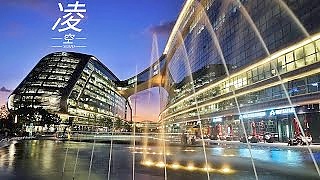
Shanghai is one of China's most dynamic and cosmopolitan cities, blending a rich history with modern skyscrapers and vibrant culture. Here's what you need to know as a tourist visiting Shanghai:

Historical and Cultural Landmarks:
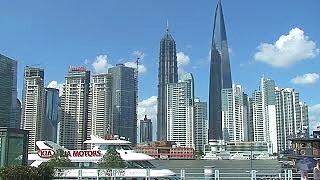
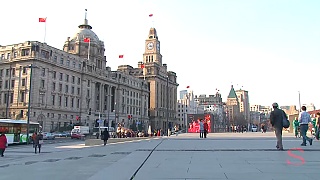
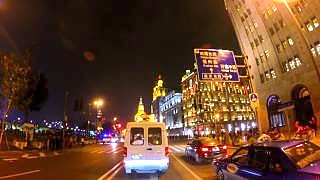
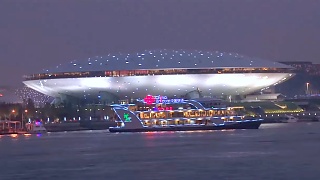
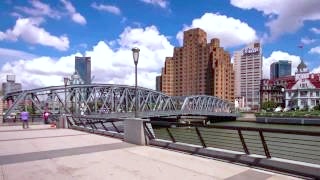
The Bund: This iconic waterfront promenade along the Huangpu River features colonial-era buildings on one side and futuristic skyscrapers on the other, offering stunning views of Shanghai's skyline.

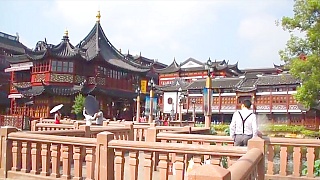
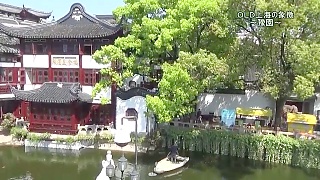
Yu Garden: Dating back to the Ming dynasty, Yu Garden is a classical Chinese garden with pavilions, ponds, and rockeries. The nearby Yu Garden Bazaar is a great place to shop for souvenirs and traditional crafts.

Shanghai Museum: Home to an extensive collection of Chinese art and artifacts, including bronzes, ceramics, paintings, and calligraphy, the Shanghai Museum is a must-visit for history and art enthusiasts.

Jing'an Temple: One of Shanghai's most famous Buddhist temples, Jing'an Temple is known for its beautiful architecture, peaceful atmosphere, and towering golden Buddha statue.

Modern Attractions:
Shanghai Tower: Ascend to the observation deck of this iconic skyscraper, the tallest in China and the second-tallest in the world, for panoramic views of the city.

The Oriental Pearl TV Tower: Another iconic landmark, this futuristic tower offers observation decks, a glass-bottomed skywalk, and a revolving restaurant.

Shanghai Disneyland: Located in the Pudong district, Shanghai Disneyland offers a magical experience for visitors of all ages with its themed lands, attractions, and entertainment.

Shopping and Entertainment:
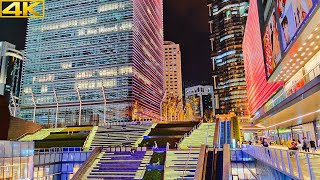
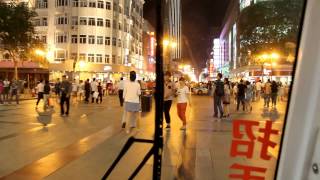
Nanjing Road: One of the world's busiest shopping streets, Nanjing Road is lined with department stores, boutiques, and restaurants. Don't miss the nearby pedestrian-friendly Nanjing Road East, known for its lively atmosphere and street performers.

Xintiandi: This upscale shopping, dining, and entertainment district features a mix of traditional Shikumen-style buildings and modern amenities, making it a popular destination for locals and tourists alike.

French Concession: Explore this historic neighborhood known for its tree-lined streets, charming cafes, boutiques, and art galleries.

Culinary Delights:
Shanghai Cuisine: Sample local specialties such as xiaolongbao (soup dumplings), shengjianbao (pan-fried dumplings), and Shanghai-style noodles.

Street Food: Wander through the city's bustling food markets and snack streets to taste a variety of street foods, from savory pancakes to grilled skewers.

Practical Tips:
Transportation: Shanghai has an efficient public transportation system, including the subway, buses, and taxis. Consider purchasing a rechargeable transportation card for convenience.

Language: While Mandarin is the official language, English is widely spoken in tourist areas, hotels, and restaurants.

Weather: Shanghai experiences four distinct seasons, with hot, humid summers and chilly winters. The best times to visit are spring (March to May) and autumn (September to November) when the weather is mild and comfortable.

Etiquette: Respect local customs and traditions, such as using polite language and avoiding loud behavior in public places.

Shanghai offers a captivating blend of old and new, with its historic landmarks, modern skyscrapers, vibrant culture, and delectable cuisine. Whether you're interested in history, architecture, shopping, or dining, Shanghai has something to offer every type of visitor.
Related Videos


Featured Videos

Aerial view of the beautiful LaoJunShan Mountain 老君山
Near LuoYang, provincial capital of HeNan, central China. There is a LaoZi Cultural Park near the foot of the mountain and a cable car is available to reach the top. The ancient sage LaoZi (in modern PinYin though one will still also see Lao-Tse or Lao-Tzu) who started Daoism (Taoism) and authored the Dao De Jing (Tao Te Ching), is said to have gained inspiration here around 550 BC. The Dao (道) which roughly translates as 'the way', in the sense of how things are, is a concept that existed in Chinese thought many centuries before LaoZi, but it was LaoZi who developed the concept considerably. Wu Wei (無爲), literally "non-action" or "not acting", is a central concept of the DaoDeJing. The concept of wu wei is multi-faceted, and reflected in the words' multiple meanings, even in English translation; it can mean "not doing anything", "not forcing", "not acting" in the theatrical sense, "creating nothingness", "acting spontaneously", and "flowing with the moment / 'here and now'". It is a concept used to explain ZiRan (自然), or harmony with the Dao. LaoZi used the term broadly with simplicity and humility as key virtues, often in contrast to selfish action. On a political level, it means avoiding such circumstances as war, harsh laws and heavy taxes. The 'ruler' can also refer to the 'self'. There is an overlap here with the Buddha's teachings that suffering stems from attachments and desires, ultimately to the notion of a separate self. In Chinese philosophy, Yin and Yang (陰陽 YīnYáng, "dark—light") describes how opposite or contrary forces are actually complementary, interconnected, and interdependent in the natural world, and how they give rise to each other as they interrelate to one another. While duality is found in many belief systems, Yin and Yang are parts of a Oneness that is also equated with the Dao. Yin and yang can be thought of as complementary (rather than opposing) forces that interact to form a dynamic system in which the whole is greater than the assembled parts; it is a holistic view. Everything has both yin and yang aspects, though either of the two major aspects may manifest more strongly in a particular object, depending on the criterion of the observation. Yin and Yang is a balance between two seeming opposites with a portion of the opposite element in each. Some of LaoZi's famous sayings include: "When goodness is lost, it is replaced by morality." "Without Darkness, there can be no Light." "The usefulness of a pot comes from its emptiness." "The best people are like water, which benefits all things and does not compete with them. It stays in lowly places that others reject. This is why it is so similar to the Way." "When people see some things as beautiful, other things become ugly. When people see some things as good, other things become bad." "Try to change it and you will ruin it. Try to hold it and you will lose it." "Those who know do not say. Those who say do not know." "When you realize there is nothing lacking, the whole world belongs to you." "Nature does not hurry, yet everything is accomplished." "A good traveler has no fixed plans, and is not intent on arriving." "Music in the soul can be heard by the universe." "A journey of a thousand miles starts under one's feet." "The more that laws and regulations are given prominence, the more thieves there will be." Alan Watts - 'The Daoist Way' ...
The Tang Dynasty Show in Xi’An 西安
The Tang Dynasty Music and Dance Show has become a classic that has been running since 1982 and has also toured many countries. Xi'An, formerly known as Chang'An, was the imperial capital during 13 dynasties. Of these, the Tang Dynasty (618 - 907) was perhaps the most glorious of all. The Tang was open to outside influences, taking in the best of various art forms of not only past dynasties but also the ethnic groups in China as well as central and western Asia, including a wide range of unusual musical instruments and a variety of techniques in painting, sculpting, patterns, costume design, poetry, singing and dancing. The performances have their roots in folk arts, developing over thousands of years. The show presented today is a recreation of traditional entertainment based on much historical research. Staged with a visualization of the Tang imperial court as its setting, the production manifests a unique classical style with features typical of Xi'An.
Exploring LiuZhou 柳州 and the surrounding countryside, GuangXi province
The beautiful XiaSi Ancient Town, KaiLi, GuiZhou province
With Walk East ... XiaSi Ancient Town visitor guide Overview XiaSi Ancient Town, located in GuiZhou province, is a charming and picturesque destination that offers a glimpse into China's rich cultural and historical heritage. Known for its well-preserved traditional architecture, winding streets, and vibrant local culture, XiaSi Ancient Town is a must-visit for those looking to explore the beauty and history of rural China. History XiaSi Ancient Town has a history that dates back over a thousand years. The town was an important commercial hub during the Ming and Qing dynasties, serving as a center for trade and cultural exchange. Many of the town's buildings and structures have been carefully preserved, allowing visitors to experience the architectural styles and cultural atmosphere of ancient China. Main Attractions Ancient Streets The ancient streets of XiaSi are lined with well-preserved traditional buildings, shops, and residences. These narrow, winding streets offer a charming and authentic experience, transporting visitors back in time. The architecture reflects the unique styles of the Ming and Qing dynasties, with intricate wooden carvings, tiled roofs, and stone-paved pathways. Traditional Residences XiaSi Ancient Town is home to numerous traditional residences that showcase the local architectural styles and building techniques. Many of these homes have been converted into museums or guesthouses, allowing visitors to explore their interiors and learn more about the town's history and culture. Local Temples The town features several historic temples that are important cultural and religious sites. These temples are beautifully decorated with traditional artwork and serve as places of worship and community gatherings. Visitors can explore the temples, learn about local religious practices, and enjoy the serene and spiritual atmosphere. Market Square The market square is the heart of XiaSi Ancient Town, bustling with activity and vibrant with local life. Here, visitors can find a variety of traditional crafts, local delicacies, and handmade souvenirs. The market is an excellent place to experience the local culture and interact with the friendly residents. Culture and Traditions XiaSi Ancient Town is rich in cultural heritage, with a strong emphasis on preserving traditional customs and practices. The town is home to various ethnic groups, each contributing to the diverse cultural tapestry of the area. Visitors can witness traditional festivals, folk performances, and artisan crafts that reflect the unique cultural identity of the region. Activities and Experiences Walking Tours Explore XiaSi Ancient Town on foot by joining a guided walking tour. These tours provide valuable insights into the town's history, architecture, and culture, and are led by knowledgeable local guides. Walking through the ancient streets is a delightful way to immerse yourself in the town's unique charm. Shopping for Local Crafts The town's market square and shops offer a variety of traditional crafts and handmade products. Visitors can shop for souvenirs, including pottery, textiles, and wooden carvings, all crafted by local artisans. These items make for unique and meaningful mementos of your visit. Sampling Local Cuisine XiaSi Ancient Town is known for its delicious local cuisine, which reflects the flavors and traditions of GuiZhou province. Visitors can sample a range of traditional dishes at the town's restaurants and food stalls. Don't miss trying the local specialties, such as spicy hotpot, pickled vegetables, and handmade noodles. Participating in Festivals Throughout the year, XiaSi Ancient Town hosts various traditional festivals that celebrate local culture and heritage. These festivals feature music, dance, and traditional performances, offering visitors a unique and immersive cultural experience. Check the local event calendar to see if any festivals coincide with your visit. Accommodation XiaSi Ancient Town offers a range of accommodation options, including traditional guesthouses, boutique hotels, and homestays. Staying in a traditional guesthouse or homestay provides an authentic experience and allows visitors to interact with local residents. These accommodations often feature traditional architecture and décor, adding to the charm of your stay. Travel Tips Best Time to Visit: The best time to visit XiaSi Ancient Town is during spring (March to May) and autumn (September to November) when the weather is pleasant and the town is less crowded. Getting There: XiaSi Ancient Town is accessible by bus or car from GuiZhou's major cities. The nearest airport is GuiYang LongDongBao International Airport, which offers connections to various domestic and international destinations. Opening Hours: The town is open to visitors year-round. Specific attractions and shops may have their own operating hours. Entrance Fees: There may be entrance fees for certain attractions within the town. It is advisable to check the latest fees before planning your visit. Dress Comfortably: Wear comfortable clothing and sturdy walking shoes, as the town's streets are cobbled and can be uneven. Respect Local Customs: Be respectful of local customs and traditions, especially when visiting temples and cultural sites. Always ask for permission before taking photos of people. Stay Hydrated: Carry water, especially if you plan on exploring the town extensively. It's also a good idea to bring snacks or purchase food from local vendors.
HangZhou 杭州 – ‘Heaven on Earth’
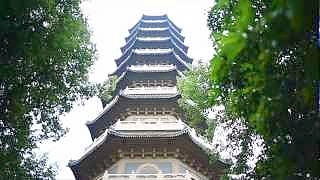
Eight hundred years ago, Marco Polo described HangZhou as the most enchanting place on Earth. West Lake is a UNESCO World Heritage Site. Adjacent to the West Lake is a scenic area that includes historical pagodas and other cultural sites, blended with the natural beauty of the landscape, including Phoenix Mountain. The lake is crossed by two causeways. Check out this beautiful city, two hours from Shanghai, the famous West Lake and the wonderful show 'Impression West Lake' ...
Highlights of the closing ceremony of the 26th Universiade, ShenZhen 深圳
August 2011. Staged at the 'Window of the World'. Includes the handover to Kazan, Russia for July 2013.
Flying around ShangHai 上海
Beautiful drone footage, like a dream ...
Something different – Haley Reinhart (music)
Can't help falling in love ... Off the ground ... Radiohead - Creep ... My Baby just cares for me - with Jeff Goldblum ... All about the bass ...
ChengDu 成都, provincial capital of SiChuan

Tag search ?