A journey through China 中国 – feature length

BeiJing, Xi'An and ShangHai. A feature-length film.

With Dennis Hurd ...

[640],shadow=true,start=,stop=

Beijing, the capital city of China, is a vibrant metropolis steeped in history, culture, and modernity. Here's a brief overview of what you can expect as a tourist in Beijing:

Historical Landmarks:
The Great Wall of China: One of the most iconic structures in the world, the Great Wall is easily accessible from Beijing. Mutianyu and Badaling sections are popular among tourists.

Forbidden City (Palace Museum): A UNESCO World Heritage Site, this vast imperial palace complex was home to Chinese emperors for over 500 years. It houses numerous halls, courtyards, and historical artifacts.

Temple of Heaven: A masterpiece of Chinese architecture, this ancient temple complex served as a place of worship for emperors to pray for good harvests.

Summer Palace: A stunning ensemble of lakes, gardens, and palaces, the Summer Palace served as a retreat for emperors during the Qing dynasty.

Tiananmen Square: One of the largest city squares in the world, Tiananmen Square is flanked by important landmarks such as the Monument to the People's Heroes, the Great Hall of the People, and the Mausoleum of Mao Zedong.

Cultural Sites:
Beijing Hutongs: Explore the narrow alleyways and traditional courtyard residences of Beijing's historic neighborhoods. You can take a rickshaw tour or simply wander around on foot.

Beijing Opera: Experience traditional Chinese opera performances at venues like the Liyuan Theater or the Chang'an Grand Theatre.

798 Art District: A hub of contemporary art and culture, this former industrial area is now home to numerous galleries, studios, and cafes.

Modern Attractions:
Olympic Park: Visit iconic structures such as the Bird's Nest (National Stadium) and the Water Cube (National Aquatics Center) from the 2008 Beijing Olympics.

CBD (Central Business District): Marvel at the futuristic skyline of Beijing's modern business district, which includes landmarks like the CCTV Headquarters and the China World Trade Center Tower III.

Culinary Delights:
Peking Duck: Indulge in Beijing's most famous dish, crispy roast duck served with pancakes, scallions, and hoisin sauce.

Street Food: Explore the city's vibrant street food scene and sample local delicacies like jianbing (savory crepes), lamb skewers, and dumplings.

Practical Tips:
Transportation: Beijing has an extensive public transportation system, including the subway, buses, and taxis. However, traffic can be heavy, so plan your travels accordingly.

Language: While English is not widely spoken, especially outside tourist areas, many signs and transportation announcements are in English. It's helpful to carry a translation app or a phrasebook.

Weather: Beijing experiences four distinct seasons, with hot summers and cold winters. The best times to visit are spring (April to June) and autumn (September to October) when the weather is mild and comfortable.

Etiquette: Respect local customs and traditions, such as removing your shoes before entering someone's home and using both hands to pass or receive items.

Beijing offers a rich tapestry of experiences for tourists, blending ancient heritage with modern innovations. Whether you're fascinated by history, culture, or culinary delights, there's something for everyone in this dynamic city.

Shanghai is one of China's most dynamic and cosmopolitan cities, blending a rich history with modern skyscrapers and vibrant culture. Here's what you need to know as a tourist visiting Shanghai:

Historical and Cultural Landmarks:
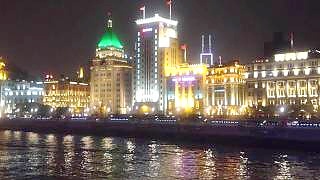
The Bund: This iconic waterfront promenade along the Huangpu River features colonial-era buildings on one side and futuristic skyscrapers on the other, offering stunning views of Shanghai's skyline.

Yu Garden: Dating back to the Ming dynasty, Yu Garden is a classical Chinese garden with pavilions, ponds, and rockeries. The nearby Yu Garden Bazaar is a great place to shop for souvenirs and traditional crafts.

Shanghai Museum: Home to an extensive collection of Chinese art and artifacts, including bronzes, ceramics, paintings, and calligraphy, the Shanghai Museum is a must-visit for history and art enthusiasts.

Jing'an Temple: One of Shanghai's most famous Buddhist temples, Jing'an Temple is known for its beautiful architecture, peaceful atmosphere, and towering golden Buddha statue.

Modern Attractions:
Shanghai Tower: Ascend to the observation deck of this iconic skyscraper, the tallest in China and the second-tallest in the world, for panoramic views of the city.

The Oriental Pearl TV Tower: Another iconic landmark, this futuristic tower offers observation decks, a glass-bottomed skywalk, and a revolving restaurant.

Shanghai Disneyland: Located in the Pudong district, Shanghai Disneyland offers a magical experience for visitors of all ages with its themed lands, attractions, and entertainment.

Shopping and Entertainment:
Nanjing Road: One of the world's busiest shopping streets, Nanjing Road is lined with department stores, boutiques, and restaurants. Don't miss the nearby pedestrian-friendly Nanjing Road East, known for its lively atmosphere and street performers.

Xintiandi: This upscale shopping, dining, and entertainment district features a mix of traditional Shikumen-style buildings and modern amenities, making it a popular destination for locals and tourists alike.

French Concession: Explore this historic neighborhood known for its tree-lined streets, charming cafes, boutiques, and art galleries.

Culinary Delights:
Shanghai Cuisine: Sample local specialties such as xiaolongbao (soup dumplings), shengjianbao (pan-fried dumplings), and Shanghai-style noodles.

Street Food: Wander through the city's bustling food markets and snack streets to taste a variety of street foods, from savory pancakes to grilled skewers.

Practical Tips:
Transportation: Shanghai has an efficient public transportation system, including the subway, buses, and taxis. Consider purchasing a rechargeable transportation card for convenience.

Language: While Mandarin is the official language, English is widely spoken in tourist areas, hotels, and restaurants.

Weather: Shanghai experiences four distinct seasons, with hot, humid summers and chilly winters. The best times to visit are spring (March to May) and autumn (September to November) when the weather is mild and comfortable.

Etiquette: Respect local customs and traditions, such as using polite language and avoiding loud behavior in public places.

Shanghai offers a captivating blend of old and new, with its historic landmarks, modern skyscrapers, vibrant culture, and delectable cuisine. Whether you're interested in history, architecture, shopping, or dining, Shanghai has something to offer every type of visitor.
Related Videos


Featured Videos

The 1000 tree sky garden, ShangHai
With Middle Kingdom Productions ... Bonus film - with Sly's Life ... Bonus film with Willene Business & Lifestyle ... Bonus film - with Ben Coleman ...
FuZhou 福州, provincial capital of FuJian
Bonus film - SongKou Town of FuZhou ...
The awesome and beautiful Summer Palace in BeiJing
With WestChinaGo ... With BeijingBuzzz ... With Ross ... With China Walking Tour ... With Chris ... Summer Palace Visitor Guide - BeiJing Overview The Summer Palace, located in the HaiDian district of Beijing, is a vast ensemble of lakes, gardens, and palaces. It served as a royal garden and retreat for the Qing Dynasty emperors and is now a UNESCO World Heritage Site. Getting There Location: 19 XinJianGongMen Road, HaiDian District, Beijing, China. Public Transport: Subway: Line 4, Beigongmen Station (North Palace Gate), Exit D. Alternatively, Line 10, Xiyuan Station, Exit C2. Bus: Several bus lines stop near the Summer Palace, including routes 303, 330, 331, 332, 346, 508, 579, and 584. Opening Hours April 1 to October 31: 6:30 AM to 6:00 PM (ticket sales and last entry at 4:00 PM) November 1 to March 31: 7:00 AM to 5:00 PM (ticket sales and last entry at 3:00 PM) Tickets April 1 to October 31: Entrance Fee: ¥30, Through Ticket (includes Dehe Garden, Tower of Buddhist Incense, Suzhou Street, and Wenchang Hall): ¥60 November 1 to March 31: Entrance Fee: ¥20, Through Ticket: ¥50 Main Attractions The Summer Palace is rich with historical and cultural sites. Here are some of the main attractions: Kunming Lake: This large lake dominates the Summer Palace and is ideal for boating. It covers about three-quarters of the park's area. Longevity Hill: Standing 60 meters high, it provides excellent views of the lake and surrounding area. Important buildings such as the Tower of Buddhist Incense are located here. Seventeen-Arch Bridge: A long, beautiful bridge that connects the eastern shore of Kunming Lake to Nanhu Island. Long Corridor: A 728-meter-long covered walkway decorated with intricate paintings, connecting the Hall of Dispelling Clouds to the Marble Boat. Marble Boat: A lakeside pavilion built from marble and wood, symbolizing stability and the enduring nature of the Qing Dynasty. Hall of Benevolence and Longevity: The administrative center of the Summer Palace, where Empress Dowager Cixi handled state affairs. Suzhou Street: A charming area designed to resemble the canals and traditional shops of Suzhou, complete with waterways and bridges. Activities Visitors to the Summer Palace can engage in various activities: Boating: Rent a paddleboat or take a dragon boat tour on Kunming Lake. Walking and Hiking: Stroll along the scenic paths, the Long Corridor, or hike up Longevity Hill for panoramic views. Photography: Capture the stunning architecture, landscapes, and historical sites. Guided Tours: Join a guided tour to learn more about the history and significance of the Summer Palace. Dining and Refreshments Several cafes and snack stalls are available within the Summer Palace, offering light refreshments, drinks, and local snacks. For a more substantial meal, visitors can dine at restaurants near the park entrances. Visitor Tips Best Time to Visit: Spring and autumn are the best times to visit due to the pleasant weather. Summer can be very hot, and winter can be quite cold. Wear Comfortable Shoes: The Summer Palace is vast, and exploring it involves a lot of walking. Stay Hydrated: Bring water, especially during the hotter months. Respect the Site: The Summer Palace is a cultural heritage site. Avoid touching artifacts, stay on marked paths, and do not litter. Plan Your Visit: Due to its size, plan which sections you want to visit in advance to make the most of your time. Nearby Attractions Old Summer Palace (Yuanmingyuan): Located nearby, this former imperial garden offers ruins and beautiful landscapes to explore. Beijing University: One of China’s most prestigious universities, known for its beautiful campus and Weiming Lake. Tsinghua University: Another top university in China, with an expansive and scenic campus. Conclusion The Summer Palace in Beijing is a magnificent site rich in history, culture, and natural beauty. Whether you're interested in Chinese history, stunning architecture, or beautiful landscapes, the Summer Palace offers a memorable and enriching experience.
Silberventures in GuangZhou – a family adventure
QiBao Ancient Town, ShangHai
With Roaming N Watching ... With Fyfy & Nyny ... QiBao Ancient Town visitor guide Overview QiBao Ancient Town, located in the MinHang district of ShangHai, is a picturesque water town known for its well-preserved ancient architecture, historical sites, and traditional culture. The name "QiBao" means "Seven Treasures," and the town is famous for its seven historic treasures, though only a few remain today. QiBao offers visitors a glimpse into China's rich cultural heritage and a chance to experience traditional JiangNan water town scenery. History QiBao Ancient Town has a history that dates back over a thousand years to the Northern Song Dynasty. It flourished during the Ming and Qing dynasties as a prosperous commercial hub. Today, QiBao retains much of its historical charm, with well-preserved buildings, stone bridges, and narrow canals that transport visitors back in time. Main Attractions QiBao Temple QiBao Temple is a significant religious and cultural site in the town. Originally built during the Song Dynasty, the temple has undergone several restorations. It is an important place of worship and a symbol of the town's spiritual heritage. QiBao Old Street QiBao Old Street is the heart of the ancient town, lined with traditional shops, teahouses, and food stalls. The street is divided into North Street and South Street, each offering unique experiences and local delicacies. QiBao Shadow Play Art Museum The QiBao Shadow Play Art Museum showcases the traditional Chinese art of shadow puppetry. Visitors can learn about the history of shadow plays, watch live performances, and even try their hand at manipulating the puppets. QiBao Zhuzhai (Old Residences) QiBao Zhuzhai are ancient residential buildings that offer a glimpse into the traditional lifestyle of QiBao's inhabitants. These well-preserved houses reflect the architectural style of the Ming and Qing dynasties and provide insight into the daily lives of ancient Chinese families. Culture and Traditions QiBao Ancient Town is a cultural gem that showcases traditional JiangNan water town culture. The town is known for its traditional crafts, local cuisine, and cultural performances. Visitors can explore the various workshops and studios where artisans create silk, paper-cuts, and other traditional handicrafts. Activities and Experiences Boat Rides One of the best ways to experience QiBao Ancient Town is by taking a boat ride along its narrow canals. The boat ride offers a unique perspective of the town's architecture and serene waterways, providing a peaceful and scenic experience. Food Tasting QiBao is renowned for its local delicacies, including QiBao rice cakes, braised pork, and stinky tofu. The food stalls and restaurants along QiBao Old Street offer a wide variety of traditional snacks and dishes that are a must-try for visitors. Cultural Performances Visitors to QiBao can enjoy various cultural performances, including traditional Chinese opera, shadow plays, and folk music. These performances are often held in public squares and cultural centers, providing an authentic cultural experience. Accommodation QiBao Ancient Town offers a range of accommodation options, from traditional guesthouses to modern hotels. Staying in a local guesthouse provides an immersive experience and a chance to enjoy the town's charm after the day-trippers have left. Travel Tips Best Time to Visit: The best time to visit QiBao Ancient Town is during spring (March to May) and autumn (September to November) when the weather is mild and pleasant. Getting There: QiBao Ancient Town is located about 18 kilometers from ShangHai city center. It is accessible by metro (Line 9, QiBao Station) or by taxi. The journey takes approximately 30-40 minutes. Opening Hours: The town is open to visitors daily from 8:30 AM to 4:30 PM. Entrance Fees: There is no entrance fee for the town itself, but some attractions and museums within the town may charge a small fee. Dress Comfortably: Wear comfortable walking shoes, as the town's streets are paved with cobblestones and can be uneven. Respect Local Customs: When visiting temples and cultural sites, be respectful of local customs and traditions. Always ask for permission before taking photos of people.
Panda Base : The Panda Research Center in ChengDu 成都
This center, 成都大熊猫繁育研究基地, in SiChuan province, has been created to imitate the natural habitat of the Giant Panda and other rare species, for research, breeding and education. One can also see the so-called Red Panda. Bonus films : ChengDu city center at night ... 10 great places to visit in ChengDu ... 11 : The largest building in the world: the New Century Global Center ... And ChengDu in timelapse ...
The 2010 Asian Games closing gala – best songs
A selection of beautiful performances from the 16th Asian Games held in GuangZhou, provincial capital of GuangDong ... Sing Sing So - Indonesia Mongolia Sakura - Japan Yue Guang Guang - China Kazakhstan Happy Journey Mongani by Gupta Tanya & Ravi Tripathi Sunshine Again
QingXiu Mountain Scenic Area, NanNing, GuangXi province
How the West tries to blame China for climate change

Tag search ?