China 中国 wedding

In a few hours it will be China's 'Singles Day' 11 / 11. Single ? Celebrate your freedom ;)

Regardless, we hope all our visitors will one day find (or have found) their true love ...

Romantic songs galore ...

When love calls your name ... are you ready to believe ? Are you strong enough, to trust in love ...?

No matter what ...

Forever my baby; always yours ...

A beautiful heart creates our paradise ...

It can be a beautiful world, when you share your dream ...

It's amazing !

You can count on me ...

Three little words :
Wo ai ni (I love you) ...

Waiting for my chance,
I was lost, then found,
All I know is :
We're all in the dance.

One life ... one love ...

Beginning with 'Superhero Wedding' ...

[640],shadow=true,start=,stop=
[230],shadow=true,start=,stop=[230],shadow=true,start=,stop=[230],shadow=true,start=,stop=[230],shadow=true,start=,stop=[230],shadow=true,start=,stop=[230],shadow=true,start=,stop=[230],shadow=true,start=,stop=[230],shadow=true,start=,stop=[230],shadow=true,start=,stop=[230],shadow=true,start=,stop=[230],shadow=true,start=,stop=[230],shadow=true,start=,stop=


Related Videos


Featured Videos

Beautiful WuYuan, JiangXi province
WuYuan, known as the "most beautiful countryside in China", with at least 50 old villages, is located in the northeast of JiangXi province, and near Mount HuangShan and JingDeZhen. With Walk East ... Max (Walk East) : Wuyuan is home to a few of the well-preserved ancient architecture in China. Each of those ancient structures has a unique appearance as well as structure. They emerge from among the emerald green mountains and trees, clear rivers along with the crisscrossing paths between the fields. Those structures were built in 740 during the Tang Dynasty; its remoteness and inconvenient transportation protecting its villages' beauty from a large amount of tourists. Local people there can enjoy the pure, clean brooks, seemingly delicate wooden buildings, unique bridges as well as the tranquil lifestyle, etc... This village has turned into a ecological, cultural as well as tourist demonstration center of China. The ancient Architectural complexes,caves, blue water, trees as well as rural sceneries; all these form a typical Chinese countryside scene Wuyuan has become a well known town in the world features in famous Huizhou local culture as well as charming idyllic scenery. Beijing Opera, Hui Opera, the Luo Dance known as the "Dance Live Fossil" as well as the charming tea performance, all these make Wuyuan fascinating tourism destination. 【Likeng Village】 Likeng Village is a cluster of houses constructed along a brook. It is said to be the most scenically beautiful village in the town. The brook is two to three meters wide spanned at different points by makeshift bridges. A rolling stream through the village lived by 260 peasant households along with ancient buildings with its pink walls, black tiles as well as beautiful girls who are washing laundry reflecting from the stream look like a natural scenery. 【Visit Local Ancient Village in Hui-style】 Wuyuan is the birthplace of the Huizhou culture. Villages around are must go, and you will be attracted by the quiet and simple countryside life there. noticeable Huizhou-style architecture can be found in these old villages, such as, arches, stone tablets, stone bridges, ancient stages, etc. Wuyuan is a county in northeastern Jiangxi province. It is renowned for its beautiful countryside and well-preserved ancient Huizhou villages and architecture. Many of the buildings and villages date from the Tang dynasty and have been protected by the county’s remoteness and relatively inconvenient transportation. Highlights and Travel Tips The area is famous for the fields of yellow rapeseed flowers that surround the villages in March and April, which are among the most beautiful in China and will delight photographers. One of the best places to see the flowers is hills surrounding the village of Jiangling. Popular villages and sights around the county include Likeng Village, Mount Dazhang (a beautiful area filled with soaring mountains and crashing waterfalls that is as yet undiscovered by tourism), Rainbow Bridge (a covered bridge), and Jiangling Village.
New insights on food as medicine
Dr. Rangan Chatterjee in conversation with Dr. William Li ...
The overnight sleeper train – BeiJing to Xi’An
How we met – a Swedish girl and a QingHai soulmate…
You have undoubtedly seen a few of their videos - and there will be many more. Here's the back story of how they met ...
NiuShou Mountain Buddhist temple palace, NanJing
With Middle Kingdom Productions ...
The musical fountain at the Big Wild Goose Pagoda in Xi’An 西安
ShaanXi province Filmed by stellaxhyu
Richard Wolff on the dangers of a new Cold War
Bonus film - with the Moderate Rebels and Daniel Dumbrill ...
Charming WuXi : HuiShan ancient town, JiangSu province – canal and DongLin Academy
With Seiu Travel ... With Wei's Travel ... Huishan Ancient Town Travel Guide Overview Huishan Ancient Town, located in Wuxi, Jiangsu Province, is a well-preserved historical town known for its rich cultural heritage, ancient temples, traditional gardens, and ancestral halls. It provides visitors with a glimpse into China’s past with its classical architecture and serene atmosphere. How to Get There By Train: Take a high-speed train to Wuxi Railway Station or Wuxi East Railway Station, then take a taxi or public transport to the ancient town. By Bus: Local buses such as 45, 88, and 89 stop near the entrance of Huishan Ancient Town. By Car: Easily accessible via major highways leading to Wuxi, with parking available near the entrance. Main Attractions Huishan Temple: A historic Buddhist temple featuring beautiful statues and peaceful gardens. Ancestral Halls: Over a hundred ancestral halls belonging to various Chinese families, showcasing traditional architecture and family heritage. Jichang Garden: A classical Chinese garden known for its tranquil atmosphere, ponds, and traditional pavilions. Huishan Spring: A famous water source considered one of the best in southern China. Best Time to Visit The best time to visit Huishan Ancient Town is during spring (March-May) and autumn (September-November) when the weather is pleasant, and the scenery is at its most beautiful. Local Cuisine Wuxi-style Spare Ribs: A sweet and savory pork rib dish famous in the region. Huishan Clay Pot Noodles: A delicious noodle dish cooked in a clay pot with rich broth and toppings. Steamed Dumplings: Juicy dumplings filled with pork and soup, a local specialty. Tips for Visitors Wear comfortable walking shoes, as there are many cobblestone paths. Early morning visits offer a quieter and more picturesque experience. Local shops sell handmade crafts and souvenirs unique to the region. ***** Welcome to the Kingdom of Wu: A Visitor Guide and History Introduction to the Kingdom of Wu The Kingdom of Wu, a historical region in eastern China, is a land of profound cultural heritage, natural beauty, and historical significance. Centered around the modern city of Wuxi and extending to areas like Suzhou and Hangzhou, the Kingdom of Wu was one of the most influential states during the Spring and Autumn (770–476 BCE) and Warring States (475–221 BCE) periods. Today, the region is celebrated for its classical gardens, ancient waterways, and contributions to Chinese art, literature, and philosophy. History of the Kingdom of Wu The Kingdom of Wu emerged as a powerful state during the Zhou Dynasty, with its capital initially located in modern-day Suzhou. It played a pivotal role in Chinese history, particularly during the Spring and Autumn period, when it rivaled the states of Yue and Chu. The kingdom is famously associated with the legendary King Helü, who ruled during the 6th century BCE and is credited with constructing the Grand Canal and strengthening Wu's military. The Kingdom of Wu is also central to the story of Sun Tzu, the ancient military strategist and author of The Art of War. Sun Tzu served as a general under King Helü, and his strategies helped Wu achieve significant victories. The region's history is deeply intertwined with the development of Chinese civilization, particularly in areas like agriculture, silk production, and water management. Cultural Highlights of the Kingdom of Wu 1. Classical Gardens The Kingdom of Wu is renowned for its classical Chinese gardens, which are masterpieces of landscape design. These gardens, such as the Humble Administrator's Garden in Suzhou, feature intricate layouts, serene ponds, and elegant pavilions. They reflect the Confucian ideals of harmony between humans and nature. 2. Silk Production The region has been a center of silk production for thousands of years. The ancient city of Wuxi, in particular, was a major hub for silk weaving and trade. Visitors can explore the history of silk at local museums and workshops. 3. Wu Opera and Music The Kingdom of Wu is the birthplace of Wu Opera, a traditional form of Chinese opera known for its melodic tunes and poetic lyrics. The region is also famous for its traditional music, particularly the pipa (a Chinese lute) and guqin (a seven-stringed zither). Key Cities and Attractions 1. Wuxi Wuxi, often called the "Pearl of Lake Tai," is a city steeped in history and natural beauty. Key attractions include Lake Tai, the Lingshan Grand Buddha, and Xihui Park. Wuxi's Grand Canal section is a testament to the region's historical importance as a transportation hub. 2. Suzhou Suzhou, the ancient capital of the Kingdom of Wu, is famous for its classical gardens, canals, and silk industry. The Humble Administrator's Garden, Tiger Hill, and the Suzhou Museum are must-visit sites. 3. Hangzhou Hangzhou, located to the south of the Kingdom of Wu, is celebrated for its West Lake, a UNESCO World Heritage Site. The city is also known for its tea culture, particularly Longjing (Dragon Well) tea. Practical Travel Tips Best Time to Visit: Spring (March to May) and autumn (September to November) offer mild weather and vibrant scenery. Getting There: The region is well-connected by high-speed trains. Major cities like Wuxi, Suzhou, and Hangzhou have their own train stations and airports. Accommodation: Options range from luxury hotels to budget-friendly hostels. Staying near key attractions like Lake Tai or West Lake is recommended. Local Transportation: Public transportation is efficient, with buses, metros, and taxis readily available. Cycling is also a popular way to explore the cities.
Welcome to the future – ShangHai
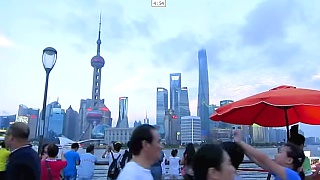
With Sam Tyler ... "Welcome to Shanghai, China! This is my first time exploring Shanghai for the first time. Shanghai is a huge megacity, rich in history and culture and in this video, you are getting my first impressions, uncovering what it's really like here, and diving into the hustle and bustle of this vibrant city."

Tag search ?