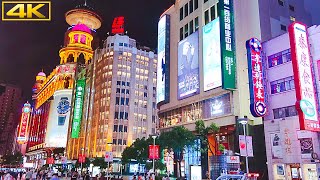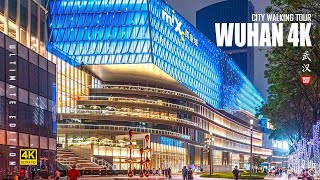
ShangHai 上海 night drive …

[640],shadow=true,start=,stop=

Bonus film - ShenZhen morning drive ...

[320],shadow=true,start=,stop=

Shanghai is one of China's most dynamic and cosmopolitan cities, blending a rich history with modern skyscrapers and vibrant culture. Here's what you need to know as a tourist visiting Shanghai:

Historical and Cultural Landmarks:
The Bund: This iconic waterfront promenade along the Huangpu River features colonial-era buildings on one side and futuristic skyscrapers on the other, offering stunning views of Shanghai's skyline.

Yu Garden: Dating back to the Ming dynasty, Yu Garden is a classical Chinese garden with pavilions, ponds, and rockeries. The nearby Yu Garden Bazaar is a great place to shop for souvenirs and traditional crafts.

Shanghai Museum: Home to an extensive collection of Chinese art and artifacts, including bronzes, ceramics, paintings, and calligraphy, the Shanghai Museum is a must-visit for history and art enthusiasts.

Jing'an Temple: One of Shanghai's most famous Buddhist temples, Jing'an Temple is known for its beautiful architecture, peaceful atmosphere, and towering golden Buddha statue.

Modern Attractions:
Shanghai Tower: Ascend to the observation deck of this iconic skyscraper, the tallest in China and the second-tallest in the world, for panoramic views of the city.

The Oriental Pearl TV Tower: Another iconic landmark, this futuristic tower offers observation decks, a glass-bottomed skywalk, and a revolving restaurant.

Shanghai Disneyland: Located in the Pudong district, Shanghai Disneyland offers a magical experience for visitors of all ages with its themed lands, attractions, and entertainment.

Shopping and Entertainment:
Nanjing Road: One of the world's busiest shopping streets, Nanjing Road is lined with department stores, boutiques, and restaurants. Don't miss the nearby pedestrian-friendly Nanjing Road East, known for its lively atmosphere and street performers.

Xintiandi: This upscale shopping, dining, and entertainment district features a mix of traditional Shikumen-style buildings and modern amenities, making it a popular destination for locals and tourists alike.

French Concession: Explore this historic neighborhood known for its tree-lined streets, charming cafes, boutiques, and art galleries.

Culinary Delights:
Shanghai Cuisine: Sample local specialties such as xiaolongbao (soup dumplings), shengjianbao (pan-fried dumplings), and Shanghai-style noodles.

Street Food: Wander through the city's bustling food markets and snack streets to taste a variety of street foods, from savory pancakes to grilled skewers.

Practical Tips:
Transportation: Shanghai has an efficient public transportation system, including the subway, buses, and taxis. Consider purchasing a rechargeable transportation card for convenience.

Language: While Mandarin is the official language, English is widely spoken in tourist areas, hotels, and restaurants.

Weather: Shanghai experiences four distinct seasons, with hot, humid summers and chilly winters. The best times to visit are spring (March to May) and autumn (September to November) when the weather is mild and comfortable.

Etiquette: Respect local customs and traditions, such as using polite language and avoiding loud behavior in public places.

Shanghai offers a captivating blend of old and new, with its historic landmarks, modern skyscrapers, vibrant culture, and delectable cuisine. Whether you're interested in history, architecture, shopping, or dining, Shanghai has something to offer every type of visitor.

Shenzhen is a modern metropolis located in Guangdong Province, bordering Hong Kong to the south. Known as China's first Special Economic Zone, Shenzhen has transformed from a fishing village into a bustling city known for its innovation, technology, and vibrant culture. Here's what you need to know as a tourist visiting Shenzhen:

Modern Landmarks and Skyscrapers:
Shenzhen Bay Park: This expansive waterfront park offers stunning views of Shenzhen's skyline and the Hong Kong skyline across the bay. It's a popular spot for leisurely strolls, cycling, and picnics.

Shenzhen Civic Center: Admire the futuristic architecture of the Shenzhen Civic Center, which includes landmarks such as the Shenzhen Concert Hall, Shenzhen Library, and Shenzhen Museum.

Ping An Finance Centre: Marvel at one of the tallest skyscrapers in China and the fourth-tallest in the world, featuring an observation deck on the 116th floor offering panoramic views of the city.

Theme Parks and Entertainment:
Window of the World: Explore miniature replicas of famous landmarks from around the world, including the Eiffel Tower, the Taj Mahal, and the Great Wall of China, all in one place.

Happy Valley: This amusement park offers thrilling rides, live entertainment, and themed areas catering to visitors of all ages, making it a popular destination for families and thrill-seekers.

Shopping and Dining:
Huaqiangbei Electronics Market: Known as the world's largest electronics market, Huaqiangbei is a paradise for tech enthusiasts, offering everything from gadgets and components to accessories and repairs.

Coco Park: This upscale shopping and dining district features a wide range of boutiques, department stores, restaurants, bars, and cafes, catering to both locals and tourists.

Cultural and Historical Sites:
Dafen Oil Painting Village: Explore this vibrant artist community known for its reproduction oil paintings, where you can watch artists at work and purchase artworks at affordable prices.

Fairy Lake Botanical Garden: Escape the urban hustle and bustle at this expansive botanical garden, featuring lush greenery, scenic walking trails, and a diverse collection of plants and flowers.

Practical Tips:
Transportation: Shenzhen has a well-developed public transportation system, including the metro, buses, and taxis. The metro is the most convenient way to get around the city, with signs and announcements in both Chinese and English.

Language: Mandarin is the official language, but Cantonese and English are also widely spoken, especially in tourist areas, hotels, and restaurants.

Weather: Shenzhen has a subtropical climate with mild, dry winters and hot, humid summers. The best times to visit are spring (March to May) and autumn (September to November) when the weather is pleasant and comfortable.

Visa: Depending on your nationality, you may need a visa to enter China. Check the latest visa requirements and apply in advance if necessary.

Shenzhen offers a dynamic mix of modern attractions, cultural experiences, and shopping opportunities, making it an exciting destination for tourists seeking a taste of urban life in China. Whether you're interested in technology, entertainment, or simply exploring a vibrant city, Shenzhen has something for everyone.
Related Videos


Featured Videos

50 ‘Small Eats’ 小吃 (Xiǎo Chī) dishes
50 Small Eats Dishes in China Dumplings (饺子, jiǎozi) - Steamed or fried dough pockets filled with meat or vegetables. Spring Rolls (春卷, chūn juǎn) - Crispy rolls filled with vegetables and sometimes meat. Scallion Pancakes (葱油饼, cōng yóu bǐng) - Flaky, savory pancakes with scallions. Sticky Rice Dumplings (粽子, zòngzi) - Glutinous rice wrapped in bamboo leaves, usually with fillings like meat or beans. Soup Dumplings (小笼包, xiǎo lóng bāo) - Steamed dumplings filled with broth and meat. Sichuan Spicy Wontons (红油抄手, hóng yóu chāo shǒu) - Wontons in chili oil with a spicy sauce. Sesame Balls (煎堆, jiān duī) - Deep-fried glutinous rice balls coated in sesame seeds. Fried Stinky Tofu (臭豆腐, chòu dòufu) - Fermented tofu fried until crispy. Guokui (锅盔, guō kuī) - Crispy, pan-fried flatbread. Chinese Crepes (煎饼果子, jiān bǐng guǒzi) - Thin pancakes filled with savory ingredients. Roujiamo (肉夹馍, ròu jiá mó) - Chinese-style hamburger with shredded meat inside a flatbread. Tea Eggs (茶叶蛋, chá yè dàn) - Hard-boiled eggs marinated in tea and spices. Fried Dough Sticks (油条, yóutiáo) - Crispy fried dough sticks, often eaten with soy milk. Cold Noodles (凉面, liáng miàn) - Chilled noodles served with a savory sauce. Congee (粥, zhōu) - Rice porridge often served with various toppings. Baozi (包子, bāozi) - Steamed buns filled with meat or vegetables. Liangpi (凉皮, liángpí) - Cold noodles made from wheat or rice flour, served with spicy sauce. Jianbing (煎饼, jiānbing) - Savory Chinese crepe filled with egg, crispy cracker, and sauces. Fried Rice Balls (炸年糕, zhà nián gāo) - Crispy fried glutinous rice balls. Fried Mashed Taro (芋泥, yùní) - Mashed taro fried until golden and crispy. Lotus Root Stuffed with Sticky Rice (藕夹, ǒu jiá) - Sticky rice stuffed into hollowed-out lotus root slices. Chive Pockets (韭菜盒子, jiǔcài hézi) - Pan-fried dumplings filled with chives and sometimes eggs. Lamb Skewers (羊肉串, yángròu chuàn) - Grilled skewers of seasoned lamb. Steamed Buns (馒头, mántou) - Plain steamed bread often served with dishes. Fried Glutinous Rice Cakes (糍粑, cíbā) - Sticky rice cakes fried until crispy. Stuffed Tofu (香干, xiānggān) - Tofu pockets filled with meat or vegetables. Fried Pork Ribs (排骨, páigǔ) - Deep-fried marinated pork ribs. Shengjian Bao (生煎包, shēngjiān bāo) - Pan-fried buns filled with pork and soup. Spicy Cold Jelly (凉粉, liáng fěn) - Cold, chewy jelly noodles in spicy sauce. Pan-fried Pork Buns (生煎包, shēng jiān bāo) - Pan-fried buns with juicy pork filling. Fried Glutinous Rice Balls (炸年糕, zhà nián gāo) - Crispy on the outside, chewy on the inside. Lamb Skewers (羊肉串, yángròu chuàn) - Grilled skewers of seasoned lamb. Green Onion Pancakes (葱油饼, cōng yóu bǐng) - Crispy pancakes flavored with green onions. Pork and Chive Dumplings (韭菜饺子, jiǔcài jiǎozi) - Dumplings filled with pork and chives. Steamed Custard Buns (流沙包, liúshā bāo) - Soft steamed buns filled with sweet custard. Hot and Sour Soup (酸辣汤, suān là tāng) - Spicy and tangy soup with mushrooms, tofu, and bamboo shoots. Steamed Shrimp Dumplings (虾饺, xiā jiǎo) - Delicate dumplings filled with shrimp and bamboo shoots. Spicy Chicken Wings (辣子鸡翅, làzi jī chì) - Crispy fried chicken wings tossed in spicy seasoning. Spicy Cold Noodles (麻辣凉面, málà liáng miàn) - Chilled noodles in a spicy, numbing sauce. Cucumber Salad (拍黄瓜, pāi huángguā) - Refreshing salad of sliced cucumbers with garlic and vinegar dressing. Cold Tofu (冷豆腐, lěng dòufu) - Chilled silken tofu served with soy sauce and toppings. Fried Chicken Dumplings (炸鸡饺子, zhà jī jiǎozi) - Crispy dumplings filled with seasoned chicken. Beef Noodle Soup (牛肉面, niúròu miàn) - Hearty soup with tender beef slices and noodles. Cumin Lamb (孜然羊肉, zīrán yángròu) - Spicy stir-fried lamb seasoned with cumin and other spices. Steamed BBQ Pork Buns (叉烧包, chāshāo bāo) - Soft steamed buns filled with sweet barbecued pork. Cold Sesame Noodles (凉拌麻酱面, liángbàn májiàng miàn) - Noodles tossed in a savory sesame sauce. Spinach and Pork Wontons (菠菜猪肉馄饨, bōcài zhūròu húntún) - Wontons filled with spinach and ground pork. Fried Radish Cake (萝卜糕, luóbo gāo) - Pan-fried cakes made from shredded radish and rice flour. Shrimp Toast (虾多士, xiā duōshì) - Crispy bread topped with shrimp paste and sesame seeds. Red Bean Pancakes (红豆煎饼, hóngdòu jiān bǐng) - Sweet pancakes filled with red bean paste. Egg and Tomato Stir-fry (西红柿炒鸡蛋, xī hóng shì chǎo jī dàn) - Simple and delicious stir-fry of tomatoes and scrambled eggs. Spicy Stir-fried Egg and Chili Peppers (辣炒鸡蛋, là chǎo jī dàn) - Eggs stir-fried with spicy chili peppers. Potato, aubergine / egg-plant, and chili peppers (地三鲜, dì sān xiān) - Stir-fried dish featuring potatoes, eggplants, and chili peppers.
Ten enduring fundamentals of China’s culture
1. Harmony and Balance (和谐 Héxié) Philosophical Roots: Derived from Confucianism, Daoism, and Buddhism, the concept of harmony emphasizes balance in social relationships, nature, and the universe. It promotes peaceful coexistence and cooperation. Social Application: In social and business contexts, maintaining harmony is crucial. Conflicts are often resolved through negotiation and compromise to preserve social stability. 2. Family and Filial Piety (孝 Xiào) Central Role of Family: The family is the cornerstone of Chinese society. Filial piety, respect for one’s parents and ancestors, is a key virtue. Social Structure: Family obligations often take precedence over individual desires, reflecting the collective nature of Chinese culture. 3. Collectivism Community Focus: Chinese culture emphasizes the importance of the group over the individual. This is evident in societal, family, and workplace dynamics. Shared Responsibility: Successes and failures are often viewed as collective rather than individual, fostering a strong sense of community and mutual support. 4. Win-Win Philosophy (共赢 Gòngyíng) Mutual Benefit: In business and diplomacy, the concept of win-win solutions is highly valued. It emphasizes creating outcomes that benefit all parties involved. Long-Term Relationships: Building long-term relationships and mutual trust is prioritized over short-term gains. 5. Respect for Hierarchy and Authority Confucian Influence: Respect for hierarchy is deeply ingrained, influenced by Confucian principles. This is evident in social, familial, and organizational structures. Role of Elders and Leaders: Elders and leaders are accorded high respect and their opinions are given significant weight in decision-making processes. 6. Education and Continuous Learning Value of Education: Education is highly valued and seen as a means to achieve personal and societal improvement. Historical reverence for scholars and intellectuals persists. Meritocracy: Historically, the imperial examination system reinforced the importance of education and merit in attaining social status and governmental positions. 7. Adaptability and Pragmatism Historical Adaptation: China has a long history of adapting to changing circumstances, whether through economic reforms or cultural assimilation. Pragmatic Approach: Practical solutions are often favored over rigid adherence to ideology, allowing for flexibility in governance and daily life. 8. Respect for Tradition and Cultural Heritage Preservation of Traditions: Despite modernization, traditional festivals, customs, and rituals remain integral to Chinese life. Cultural Continuity: There's a strong emphasis on preserving and passing down cultural heritage through generations. 9. Guanxi (关系) - Social Connections and Networks Importance of Relationships: Building and maintaining relationships is crucial in both personal and professional contexts. Guanxi can provide social support, opportunities, and resources. Reciprocity: Relationships are maintained through reciprocal exchanges of favors and support. 10. Yin and Yang (阴阳 Yīnyáng) Philosophical Concept: Represents the duality and interconnectedness of opposites in the natural world. Balance between yin (passive, dark, feminine) and yang (active, light, masculine) is sought. Application in Life: This concept influences various aspects of life, including health, environment, and personal relationships. Conclusion These enduring characteristics shape the Chinese worldview and influence behavior, relationships, and societal norms. Understanding these cultural elements provides valuable insights into the dynamics of Chinese society and its approach to both personal and professional interactions. These values continue to guide life in China into modernity and its international relations.
‘Climate Change’ – an alternative view
A view, right or wrong, that you are not supposed to hear ...
ShangHai 上海 night rider – video
Beautiful ...
MoGao Grottoes and DunHuang night market tour
GanSu's UNESCO World Heritage Site ...
The Stone Village of the NaXi people, YunNan province
With China Road Tales ... The Stone Village of the NaXi people, located in YunNan Province, China, is a remarkable destination that offers a unique glimpse into the traditional lifestyle, culture, and architecture of the NaXi ethnic minority. Here’s a detailed look at this fascinating village: ### Location and Overview - **Location**: The Stone Village, also known as ShiZhiShu Village, is situated in the YuLong Naxi Autonomous County in the northwestern part of Yunnan Province, near the town of Lijiang. - **Geography**: Nestled in the foothills of the Jade Dragon Snow Mountain (YuLong XueShan), the village is surrounded by stunning natural beauty, including rugged mountains, lush forests, and clear streams. ### NaXi Culture and Heritage - **Ethnic Group**: The NaXi people are one of China’s 56 recognized ethnic groups, with a rich cultural heritage that blends elements of Han Chinese, Tibetan, and other neighboring cultures. - **Language**: The NaXi language, belonging to the Sino-Tibetan language family, is still spoken by many villagers. The NaXi also have a unique pictographic script called Dongba, used primarily for religious texts. - **Matriarchal Society**: Historically, the NaXi society was matrilineal, with property and family names passed down through the female line. ### Architecture - **Stone Houses**: The village is renowned for its traditional stone houses, built using local materials such as stone, wood, and mud. These houses are designed to blend harmoniously with the natural environment and are known for their durability and unique aesthetic. - **Courtyards**: Many homes are built around central courtyards, which serve as communal spaces for family activities and social gatherings. - **Wooden Carvings**: Intricate wooden carvings and decorations adorn the houses, showcasing the NaXi’s craftsmanship and artistic traditions. ### Traditional Lifestyles - **Agriculture**: The NaXi people in the Stone Village primarily engage in agriculture, cultivating crops such as barley, wheat, and vegetables. They also raise livestock, including pigs, chickens, and yaks. - **Traditional Dress**: The NaXi have distinctive traditional clothing, often featuring bright colors and intricate embroidery. Women’s attire includes long gowns with wide belts and colorful headscarves, while men typically wear tunics and trousers. - **Festivals and Rituals**: The NaXi people celebrate various traditional festivals, such as the Torch Festival and the Sanduo Festival, which are marked by music, dance, and religious ceremonies. ### Dongba Religion - **Animism and Shamanism**: The NaXi practice Dongba religion, an animistic belief system that involves worshiping nature spirits and ancestors. Dongba priests, who are also scholars, play a central role in religious rituals and the preservation of cultural heritage. - **Dongba Texts**: These religious texts are written in the unique Dongba script, a pictographic writing system that dates back over a thousand years. ### Tourism and Preservation - **Cultural Tourism**: The Stone Village has become a popular destination for tourists seeking to experience the traditional lifestyle and culture of the NaXi people. Visitors can explore the village, interact with locals, and learn about their customs and traditions. - **Preservation Efforts**: There are ongoing efforts to preserve the unique architecture and cultural heritage of the Stone Village. Local and regional governments, along with cultural organizations, are working to protect the village from modern development and ensure the continuation of NaXi traditions. ### Nearby Attractions - **Lijiang Ancient Town**: A UNESCO World Heritage Site, Lijiang is known for its well-preserved ancient architecture and vibrant NaXi culture. It is a short drive from the Stone Village and offers additional cultural experiences. - **Jade Dragon Snow Mountain**: This majestic mountain range provides opportunities for hiking, skiing, and enjoying spectacular natural scenery. ### Conclusion The Stone Village of the NaXi people in Yunnan Province is a captivating destination that offers an authentic glimpse into the traditional life and culture of one of China’s most unique ethnic groups. With its distinctive stone architecture, rich cultural heritage, and stunning natural surroundings, the Stone Village provides a memorable and enriching experience for all who visit.
NingBo from the air
ZheJiang province.
The US continues preparing for war on China
With Ben Norton ... Bonus film - 'Radio Free Asia' and the attempted 2019 coup in Hong Kong : with FridayEveryday ...
The Water Splashing Festival of the Dai ethnic minority
The annual Water Splashing Festival is an important festival of the Dai ethnic minority in YunNan province (and nearby countries) during the New Year celebrations of the Dai Calendar; the finale of three days. In Buddhism, the water splash is a symbolic washing of the past for a new beginning and is the offering of blessing and respect, as well as joy. Love this music ...

Tag search ?