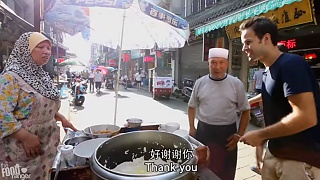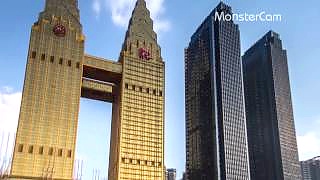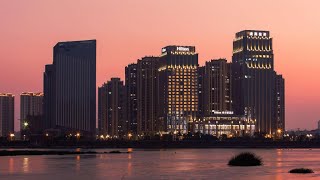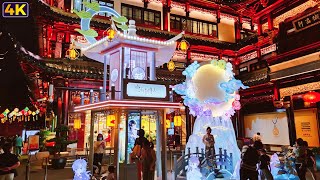
Snack time in Macau 澳门

With Sticker Travel ...

[640],shadow=true,start=,stop=

Chinese cuisine is an intricate tapestry of flavors, techniques, and regional specialties that has evolved over thousands of years. From the fiery spices of Sichuan to the delicate dim sum of Cantonese cuisine, every region of China offers its own culinary delights. For visitors to China, exploring the diverse and dynamic world of Chinese food is an essential part of experiencing the country's rich cultural heritage. Here's a more extensive exploration of Chinese cuisine for visitors:

Regional Diversity:
Sichuan Cuisine: Hailing from the southwestern province of Sichuan, this cuisine is famed for its bold, spicy, and numbing flavors. Sichuan peppercorns, chili peppers, and aromatic spices are used liberally in dishes like Mapo Tofu, Dan Dan Noodles, and Sichuan Hot Pot, creating a symphony of flavors that tingles the taste buds.

Cantonese Cuisine: With its emphasis on fresh ingredients and delicate flavors, Cantonese cuisine is highly regarded for its seafood dishes, roasted meats, and dim sum. Steamed fish, Char Siu (barbecue pork), and Har Gow (shrimp dumplings) are just a few examples of the exquisite dishes that showcase Cantonese culinary mastery.

Shanghai Cuisine: Reflecting its coastal location and cosmopolitan history, Shanghai cuisine combines influences from Jiangsu, Zhejiang, and Anhui provinces. Sweet and Sour Mandarin Fish, Shanghai Soup Dumplings (Xiaolongbao), and Drunken Chicken are some of the signature dishes that highlight the diverse flavors and textures of this culinary tradition.

Beijing Cuisine: As the capital of China, Beijing boasts a rich culinary heritage deeply rooted in imperial traditions. Peking Duck, a dish with crispy skin and succulent meat served with pancakes and hoisin sauce, is a quintessential Beijing delicacy. Other notable dishes include Zhajiangmian (Beijing Noodles), Mongolian Hot Pot, and Beijing-style meat pies.

Hunan Cuisine: Known for its bold and aromatic flavors, Hunan cuisine features dishes that are spicy, sour, and intensely flavorful. Chairman Mao's Red-Braised Pork, Dong'an Chicken, and Steamed Fish Head with Chopped Chili exemplify the fiery and robust nature of Hunanese cooking, which makes ample use of chili peppers, garlic, and fermented ingredients.

Street Food and Snacks:
Jianbing: This savory Chinese crepe is a popular breakfast option, consisting of a thin pancake filled with eggs, scallions, cilantro, and various fillings such as crispy fried dough, pickled vegetables, or chili sauce.

Baozi: These steamed buns are filled with a variety of savory or sweet fillings, including pork, vegetables, or red bean paste. Baozi are a popular street food snack and can be found in teahouses, markets, and street stalls across China.

Roujiamo: Often referred to as Chinese Hamburgers, roujiamo features savory braised meat stuffed inside a flatbread, offering a hearty and flavorful snack that's perfect for on-the-go eating.

Dining Etiquette and Customs:
Family-Style Dining: Chinese meals are typically served family-style, with multiple dishes shared among diners seated around a table. It's customary to use chopsticks to pick up food from communal dishes and to serve elders before oneself.

Toasting and Ganbei: When dining with Chinese hosts, expect toasts (ganbei) with alcohol, usually baijiu (Chinese liquor). It's polite to reciprocate the toast and drink in moderation, but declining politely is acceptable if you don't drink alcohol.

Tea Culture: Tea is an integral part of Chinese dining culture, with a wide variety of teas available to complement different dishes. Green tea, oolong tea, and pu'er tea are among the most popular choices, and serving tea to guests is a sign of hospitality and respect.

Street Markets and Night Markets:
Wangfujing Snack Street, Beijing: Located near the Forbidden City, this bustling street market offers a wide variety of traditional snacks, street food, and local delicacies. Visitors can sample everything from scorpions on a stick to traditional Beijing snacks like Jianbing and Tanghulu (candied fruit skewers).

Shanghai Old Street, Shanghai: Nestled in the heart of the city's historic district, Shanghai Old Street is a bustling marketplace where visitors can explore narrow alleyways lined with traditional shops, street vendors, and food stalls. From steamed dumplings and stinky tofu to hand-pulled noodles and sugar-coated haws, there's something to satisfy every craving.

Dietary Considerations:
Vegetarian and Vegan Options: While Chinese cuisine traditionally features a wide range of meats and animal products, vegetarian and vegan options are becoming increasingly available, especially in larger cities and tourist destinations. Buddhist restaurants (????, ssh c?nt?ng) often offer meat-free versions of classic dishes, and plant-based ingredients like tofu, mushrooms, and seasonal vegetables are widely used in Chinese cooking.

Exploring the diverse and delicious world of Chinese cuisine is an essential part of any visit to China. From regional specialties and street food snacks to dining etiquette and cultural customs, the culinary landscape of China offers a rich tapestry of flavors, traditions, and experiences that are sure to delight and inspire visitors from around the world. Bon apptit!.

Related Videos


Featured Videos

‘Florence of the East’ in beautiful ShangHai
With Wei's Travel ...
The Solana lifestyle shopping park mall and Sanlitun in BeiJing
With Walk For You ... Bonus film - with Seiu Travel ... Solana Lifestyle Shopping Park Guide - Beijing Overview Solana Lifestyle Shopping Park is designed to resemble a European town, complete with cobblestone streets and a picturesque lake. It covers a vast area and offers a diverse mix of international and local brands, restaurants, cafes, and entertainment options. Getting There Location: No. 6 Chaoyang Park Road, Chaoyang District, Beijing, China. Public Transport: Subway: Line 14, Zaoying Station, Exit A. Walk about 10 minutes to reach the mall. Bus: Multiple bus lines stop near the mall, including 419, 621, 671, 984, and 985. Shopping Solana hosts a variety of stores ranging from luxury brands to more affordable options. Some popular retail categories include: Fashion: Zara, H&M, Uniqlo, and high-end brands like Michael Kors and Guess. Beauty: Sephora, The Body Shop. Home Decor: Muji, Zara Home. Electronics: Apple Store, Xiaomi. Dining The mall offers an extensive selection of dining options, catering to diverse tastes: Western Cuisine: Blue Frog, Element Fresh, and Wagas. Asian Cuisine: Din Tai Fung for dumplings, Haidilao for hotpot. Cafes: Starbucks, Costa Coffee, and local favorites like Pacific Coffee. Specialty Food: Bakeries, ice cream parlors, and specialty tea shops. Entertainment Solana is not just about shopping and dining; it also provides various entertainment options: Cinema: A state-of-the-art cinema showing the latest movies, including IMAX screens. Kids' Activities: Indoor playgrounds, toy stores, and seasonal events for children. Outdoor Spaces: The park surrounding the mall is great for a stroll, with picturesque views and seasonal decorations. Special Events Throughout the year, Solana hosts various events and festivals, such as: Holiday Decorations: Elaborate Christmas and Chinese New Year decorations. Music and Cultural Festivals: Live music performances, art exhibitions, and cultural shows. Sales and Promotions: Seasonal sales, especially during Chinese New Year and Golden Week holidays. Tips for Visitors Best Time to Visit: Weekdays are generally less crowded than weekends. Language: While many staff members speak basic English, having a translation app can be handy. Payment: Most stores accept major credit cards, but having some cash or using mobile payment apps like WeChat Pay or Alipay can be useful. Nearby Attractions Chaoyang Park: Adjacent to the mall, offering additional recreational activities. Sanlitun: A vibrant area with nightlife, shopping, and dining options, just a short drive away. Conclusion Solana Lifestyle Shopping Park offers a comprehensive shopping experience with its blend of retail, dining, and entertainment in a beautifully designed environment. Whether you're looking to shop, eat, or just enjoy a leisurely day out, Solana is an ideal destination in Beijing.
YongQingFang, GuangZhou, night walk
With China Walking Tour ...
Christmas lights in ShangHai 上海
With Wei's Travel ... Bonus film - West NanJing Road - with Walk East ...
Who really is the aggressor ?  (geopolitics)
With Double Down News ... With Danny HaiPhong and Brian Berletic ...
XinJiang – the real truth …
With Angelo Giuliano and Brian Berletic. They also discuss China's infrastructure and the development of XinJiang, Tibet, etc. ... In depth ... The West likes to trumpet 'individualism' - but is this really for the elite to divide the people, an excuse for the lack of infrastructure, and that if one is poor, it is your fault ? Compared to China's development and poverty alleviation, what has the West achieved over recent decades ? There are around 200,000 Chinese students in UK alone. China has 120 million outbound overseas tourists each year. There are 850,000 expats living and working in China. XiaoMi sells more smart phones than Apple. Etc. - Reality versus fake news. As for Western MSM, the more ridiculous the bias, the more obvious it becomes. In China, the people are family; in the West, the people are merely livestock.
The US / UK / West’s economic war on China
If only the West would learn from China the way that China learns from the West. The difference between the American Dream and the Chinese Dream ? The Chinese Dream is being built while the American Dream is pure Hollywood (just a dream / fiction). One can only ever be for a few while the other is for all. Is it money or people that is the fundamental value ? Western 'freedom' is a system where the majority will be poor, to pay for spreading that 'freedom' (control / global hegemony) worldwide. The neo-colonial nations aim to keep the rest of the world down - and this supremacist agenda has caused endless wars and famines worldwide. The difference between the West and China is that China thinks long-term and innovates, while the West just tries to cling onto its 'supremacy' and is hence declining. The West's economic detachment is the first step to a hot war. With Radhika Desai and Michael Hudson ...
ZhouZhuang water town, JiangSu province
With DuckTravel ... Welcome to ZhouZhuang Discover the Venice of the East About ZhouZhuang ZhouZhuang, known as the "Venice of the East," is one of the most famous water towns in China. Located in Kunshan, Jiangsu province, it is renowned for its well-preserved ancient residential houses, elegant watery views, and profound cultural background. The town has a history of over 900 years and retains the style and pattern of its ancient past, with many houses built in the Ming and Qing Dynasties. Attractions Shuangqiao (Twin Bridges) Shuangqiao, also known as the Twin Bridges, is the most famous site in ZhouZhuang. The two bridges, Shide Bridge and Yong'an Bridge, are connected at a right angle and have become a symbol of the town. Fu'an Bridge Fu'an Bridge, built in 1355, is an architectural gem with a unique combination of a bridge, tower, and pavilion. It offers a picturesque view of the waterways and houses. Zhang House The Zhang House, built in the Ming Dynasty, covers an area of over 1,800 square meters. It showcases classic Chinese residential architecture and beautifully decorated interiors. Shen House The Shen House, constructed in 1742, is another example of traditional Chinese architecture. It features 100 rooms and a garden, reflecting the life of a wealthy merchant family. Local Food ZhouZhuang is not only famous for its scenery but also for its delicious local food. Here are some must-try dishes: Wansan Pork Hock: A famous dish named after the wealthy merchant Shen Wansan. The pork hock is braised to perfection with a rich, savory flavor. Sanwei Glutinous Rice Balls: A traditional snack made from glutinous rice with sweet, salty, and spicy fillings, representing the three flavors. Fish Delicacies: Freshwater fish dishes are a staple in ZhouZhuang, often cooked with local herbs and spices to enhance their natural flavors. Transport ZhouZhuang is easily accessible from major cities like Shanghai and Suzhou. Here are some ways to get there: By Bus: Regular buses run from Shanghai and Suzhou to ZhouZhuang, taking about 1-2 hours. By Car: You can drive from Shanghai to ZhouZhuang in about 1.5 hours. Parking is available at the entrance of the town. By Tour: Many travel agencies offer day trips to ZhouZhuang, including transportation and guided tours.
QuanZhou city, FuJian province
With Walk East ...

Tag search ?