Welcome to the Spring Festival

[640],shadow=true,start=,stop=

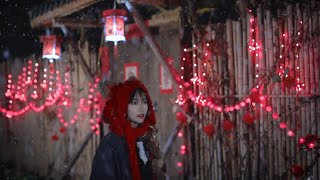
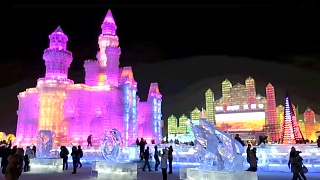
Soaring Dragons, Leaping Tigers ...

[320],shadow=true,start=,stop= [320],shadow=true,start=,stop=

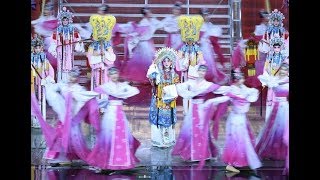
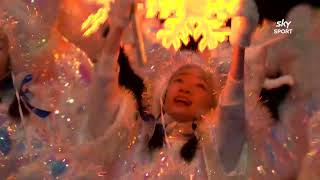
The Spring Festival Gala highlights (2024) ...

[320],shadow=true,start=,stop=

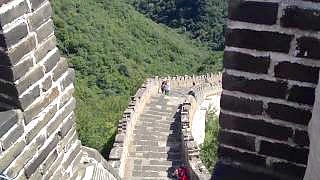
Bonus film - drums and ice at the Great Wall - from the BeiJing Winter Olympics ...

[320],shadow=true,start=,stop=
Chinese New Year (CNY), also known as the Spring Festival, is the most important traditional holiday in China, marking the beginning of the lunar new year. It is celebrated by Chinese communities around the world, as well as in other East Asian countries such as Taiwan, Singapore, and Malaysia. Here's an overview of Chinese New Year and its traditions:

Timing and Duration:
Lunar Calendar: Chinese New Year follows the lunar calendar, with the date falling between late January and mid-February each year. The exact date varies because it is based on the lunar phases.

Festival Period: The celebrations typically last for 15 days, beginning on the eve of Chinese New Year and ending with the Lantern Festival on the 15th day of the lunar calendar.

Traditions and Customs:
Family Reunions: Chinese New Year is a time for families to come together and celebrate. Many people travel long distances to reunite with their relatives, leading to the largest annual human migration in the world, known as Chunyun.

Cleaning and Decoration: In the days leading up to Chinese New Year, families clean their homes to sweep away bad luck and make way for good fortune. They also decorate their homes with red lanterns, couplets (duilian), and paper cutouts featuring auspicious symbols.

Chinese New Year's Eve Dinner: The New Year's Eve dinner, known as 'reunion dinner' (??? tunninfn), is a lavish feast shared with family members. Traditional dishes include fish (symbolizing prosperity), dumplings (symbolizing wealth), and various other symbolic foods.

Red Envelopes (Hongbao): Red envelopes containing money are given as gifts during Chinese New Year, especially to children and unmarried individuals. The red color symbolizes good luck and wards off evil spirits.

Fireworks and Firecrackers: Fireworks and firecrackers are set off at midnight on New Year's Eve and throughout the festival period to scare away evil spirits and bring good luck.

Lion and Dragon Dances: Colorful lion and dragon dances are performed in streets, parks, and public squares to bring prosperity and good fortune to communities.

Zodiac Animals:
Each Year is Associated with an Animal: Chinese New Year is symbolized by one of the 12 animals in the Chinese zodiac cycle. Each animal is believed to influence the personality traits and destiny of individuals born in that year.

Travel and Celebrations:
Spring Festival Gala: The Spring Festival Gala, broadcasted on Chinese television on New Year's Eve, features a variety of performances, skits, and musical acts. It is one of the most-watched television programs in the world.

Temple Fairs: Traditional temple fairs are held throughout China during Chinese New Year, offering food stalls, performances, games, and cultural activities for visitors to enjoy.

Chinese New Year is a time of joy, reunion, and renewal, filled with rich traditions and customs that have been passed down through generations. It is a celebration of family, community, and the arrival of spring, marking a fresh beginning and the promise of prosperity in the year ahead.


Related Videos


Featured Videos

ChangSha neighborhood walk – living in balance with nature
HuNan province. With Walk East ...
Breakfast in NanJing 南京 …
A fascinating look at the wide variety of breakfast foods on offer ...
MangShan WuZhiFeng Scenic Area, HuNan province
With Beijing Old Liu ... MangShan WuZhiFeng Scenic Area visitor guide Overview The MangShan WuZhiFeng Scenic Area, located in the MangShan National Forest Park in HuNan Province, is renowned for its stunning natural landscapes, diverse flora and fauna, and the iconic WuZhiFeng (Five-Finger Peak). It is a perfect destination for nature lovers and outdoor enthusiasts. Getting There Location: YiZhang County, ChenZhou City, HuNan Province, China. Public Transport: By Bus: Regular buses run from ChenZhou City to YiZhang County. From YiZhang, you can take a local bus or taxi to the MangShan National Forest Park. By Train: The nearest major railway station is in ChenZhou City. From there, you can take a bus or taxi to the park. Opening Hours April to October: 8:00 AM to 6:00 PM November to March: 8:30 AM to 5:30 PM Tickets Entrance Fee: ¥100 Discounted Ticket (for children, students, and seniors): ¥50 Main Attractions The MangShan WuZhiFeng Scenic Area is home to a variety of attractions: WuZhiFeng (Five-Finger Peak): This iconic peak resembles five fingers rising from the mountain, offering breathtaking views and challenging hikes. YunLong Waterfall: A magnificent waterfall cascading down a cliff, surrounded by lush vegetation. MangShan Temple: A historic temple located within the forest park, providing a serene atmosphere and cultural insights. Botanical Gardens: Home to a diverse range of plant species, including rare and endangered ones, making it a paradise for botany enthusiasts. Observation Decks: Various viewpoints throughout the park offer panoramic views of the surrounding mountains and forests. Activities Visitors can engage in numerous activities at the MangShan WuZhiFeng Scenic Area: Hiking: Explore the various trails that lead to scenic spots and peaks. Bird Watching: The park is home to many bird species, making it an ideal spot for bird watchers. Photography: Capture the stunning natural landscapes and wildlife. Camping: There are designated camping areas for those who want to experience the beauty of the park overnight. Guided Tours: Join a guided tour to learn more about the park's history, ecology, and cultural significance. Dining and Refreshments Several small restaurants and snack stalls are available within and around the MangShan National Forest Park, offering local HuNan cuisine and refreshments. It's advisable to bring your own snacks and water, especially if you plan on hiking. Visitor Tips Best Time to Visit: Spring and autumn are the best times to visit due to the pleasant weather and beautiful scenery. Summer can be hot and humid, and winter can be cold. Wear Comfortable Shoes: The park has many trails and uneven terrain, so comfortable hiking shoes are recommended. Stay Hydrated: Bring plenty of water, especially during long hikes. Prepare for Weather: Bring a raincoat or umbrella during the rainy season, and dress in layers for temperature changes. Respect Nature: Follow park rules, stay on designated paths, and do not disturb the wildlife. Nearby Attractions DongJiang Lake: A beautiful lake located in ZiXing City, perfect for boating, fishing, and enjoying the scenic views. WuLingYuan Scenic Area: Another UNESCO World Heritage Site known for its dramatic sandstone pillars and breathtaking landscapes. LangShan Mountain: Known for its unique Danxia landforms, it's a great place for hiking and exploring natural rock formations. Conclusion The MangShan WuZhiFeng Scenic Area in HuNan is a stunning natural destination offering a mix of beautiful landscapes, rich biodiversity, and cultural sites. Whether you're a nature enthusiast, hiker, or simply looking for a peaceful retreat, the scenic area provides an unforgettable experience.
ShangHai drive
WuHan 武汉, November 2020
The city in HuBei province and its people after the coronavirus.
The awesome People’s Park, Kashgar, XinJiang
With Walk For You ...
ChengDu Plus
Provincial capital of SiChuan. Lacquer artist ... ChengDu TianFu airport ... 3 a.m. ...
ShangHai PuDong CBD weekday lunchtime walk
With Wei's Travel ...
The beautiful YuLong River 玉龙河, GuangXi province
Between GuiLin and YangShuo ...

Tag search ?