China’s airports and train stations

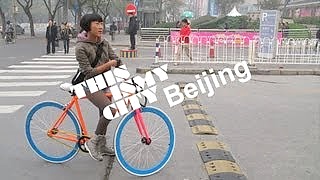
With Rafa Goes Around! ...

[640],shadow=true,start=,stop=
[320],shadow=true,start=,stop=

Self driving cars / taxis ...

[320],shadow=true,start=,stop=

Bonus film - after dark, party time in China ...

[320],shadow=true,start=,stop=

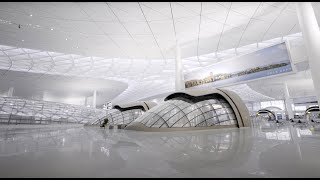
Bonus film 2 - BeiJing's new DaXing mega airport - with Walk East ...

[320],shadow=true,start=,stop=

Beijing, the capital city of China, is a vibrant metropolis steeped in history, culture, and modernity. Here's a brief overview of what you can expect as a tourist in Beijing:

Historical Landmarks:
The Great Wall of China: One of the most iconic structures in the world, the Great Wall is easily accessible from Beijing. Mutianyu and Badaling sections are popular among tourists.

Forbidden City (Palace Museum): A UNESCO World Heritage Site, this vast imperial palace complex was home to Chinese emperors for over 500 years. It houses numerous halls, courtyards, and historical artifacts.

Temple of Heaven: A masterpiece of Chinese architecture, this ancient temple complex served as a place of worship for emperors to pray for good harvests.

Summer Palace: A stunning ensemble of lakes, gardens, and palaces, the Summer Palace served as a retreat for emperors during the Qing dynasty.

Tiananmen Square: One of the largest city squares in the world, Tiananmen Square is flanked by important landmarks such as the Monument to the People's Heroes, the Great Hall of the People, and the Mausoleum of Mao Zedong.

Cultural Sites:
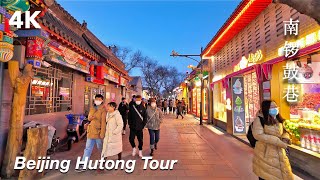
Beijing Hutongs: Explore the narrow alleyways and traditional courtyard residences of Beijing's historic neighborhoods. You can take a rickshaw tour or simply wander around on foot.

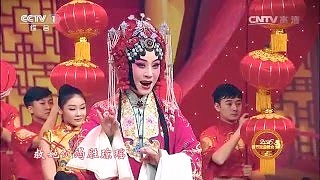
Beijing Opera: Experience traditional Chinese opera performances at venues like the Liyuan Theater or the Chang'an Grand Theatre.

798 Art District: A hub of contemporary art and culture, this former industrial area is now home to numerous galleries, studios, and cafes.

Modern Attractions:
Olympic Park: Visit iconic structures such as the Bird's Nest (National Stadium) and the Water Cube (National Aquatics Center) from the 2008 Beijing Olympics.

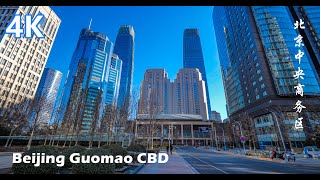
CBD (Central Business District): Marvel at the futuristic skyline of Beijing's modern business district, which includes landmarks like the CCTV Headquarters and the China World Trade Center Tower III.

Culinary Delights:
Peking Duck: Indulge in Beijing's most famous dish, crispy roast duck served with pancakes, scallions, and hoisin sauce.

Street Food: Explore the city's vibrant street food scene and sample local delicacies like jianbing (savory crepes), lamb skewers, and dumplings.

Practical Tips:
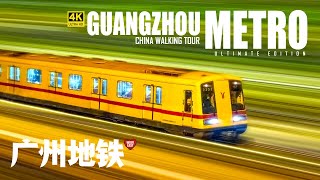
Transportation: Beijing has an extensive public transportation system, including the subway, buses, and taxis. However, traffic can be heavy, so plan your travels accordingly.

Language: While English is not widely spoken, especially outside tourist areas, many signs and transportation announcements are in English. It's helpful to carry a translation app or a phrasebook.

Weather: Beijing experiences four distinct seasons, with hot summers and cold winters. The best times to visit are spring (April to June) and autumn (September to October) when the weather is mild and comfortable.

Etiquette: Respect local customs and traditions, such as removing your shoes before entering someone's home and using both hands to pass or receive items.

Beijing offers a rich tapestry of experiences for tourists, blending ancient heritage with modern innovations. Whether you're fascinated by history, culture, or culinary delights, there's something for everyone in this dynamic city.


Related Videos


Featured Videos

US planning the destruction of Taiwan
With Redacted ... With Brian Berletic, Angelo Giuliano and Danny HaiPhong ... With Reportify Media and George Galloway ...
Future China – a talk by Martin Jacques
XiJiang QianHu Miao Village, GuiZhou province
With Beijing Old Liu ... Xijiang Qianhu Miao Village Visitor Guide Overview Xijiang Qianhu Miao Village, located in Leishan County, Guizhou Province, is the largest Miao village in China and is often referred to as the "Thousand Household Miao Village." This picturesque village is known for its well-preserved traditional Miao architecture, vibrant cultural heritage, and stunning natural scenery. It offers a unique glimpse into the life and traditions of the Miao people. History and Culture The Miao people are one of China's 56 ethnic minorities, with a history that dates back over 2,000 years. Xijiang Qianhu Miao Village is a living museum of Miao culture, where visitors can experience traditional Miao customs, clothing, music, and dance. The village is known for its grand festivals, including the Lusheng Festival, the Miao New Year, and the Sisters' Meal Festival, which feature elaborate costumes, folk dances, and traditional music performances. Main Attractions Miao Ethnic Museum The Miao Ethnic Museum offers a comprehensive look at the history, culture, and traditions of the Miao people. Exhibits include traditional clothing, silver ornaments, musical instruments, and artifacts from daily life. Traditional Miao Architecture The village is renowned for its traditional stilt houses, known as "Diaojiaolou," which are built on wooden stilts and feature intricate wooden carvings. Walking through the village, visitors can admire these unique structures and learn about their construction and significance. Folk Performances Daily folk performances in the village square showcase traditional Miao music and dance. These performances are an excellent way to experience the vibrant cultural heritage of the Miao people. Festival Celebrations Visiting during one of the major festivals, such as the Miao New Year or the Sisters' Meal Festival, provides a deeper insight into Miao culture. These festivals feature colorful parades, traditional music, and elaborate dances, making them a highlight of any visit. Outdoor Activities Hiking and Nature Walks The surrounding hills and rice terraces offer excellent opportunities for hiking and nature walks. The scenic trails provide panoramic views of the village and the lush countryside, making it a paradise for nature lovers and photographers. Exploring Rice Terraces The rice terraces around Xijiang are a testament to the agricultural ingenuity of the Miao people. Visitors can explore these terraced fields, which change colors with the seasons and offer stunning photographic opportunities. Local Cuisine Miao cuisine is known for its bold flavors and use of local ingredients. Some must-try dishes include sour fish soup, sticky rice cakes, and various pickled vegetables. Many local restaurants and street vendors offer authentic Miao food, providing a true taste of the region. Accommodation Xijiang Qianhu Miao Village offers a range of accommodation options, from traditional Miao-style guesthouses to modern hotels. Staying in a local guesthouse provides a more immersive experience, allowing visitors to enjoy Miao hospitality and learn more about their way of life. Travel Tips Best Time to Visit: The best time to visit is during the spring (March to May) and autumn (September to November) when the weather is mild, and the rice terraces are most picturesque. Getting There: The village is accessible by bus from Kaili City, which is connected to major cities like Guiyang by train and bus. Respect Local Customs: When visiting, be respectful of local customs and traditions. Ask for permission before taking photos of people, especially during festivals and ceremonies. Pack Accordingly: Bring comfortable walking shoes for exploring the village and surrounding areas. A light jacket is recommended for the evenings, as temperatures can drop.
A trip to Chinese New Year’s eve in Xi’An
With JetLag Warriors and Ken Abroad ...
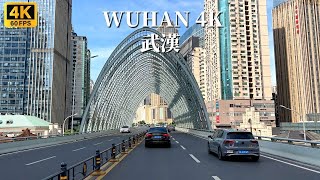
WuHan city, 2024, HuBei province
With Travel East ... Wuhan Travel Guide Introduction Wuhan, the capital of Hubei province, is a vibrant city known for its rich history, cultural landmarks, and bustling modern life. Located at the intersection of the Yangtze and Han rivers, Wuhan is a major transportation hub and a center for education and industry. This guide will take you through the must-see attractions, local cuisine, cultural highlights, and practical travel tips for visiting Wuhan. Must-See Attractions Yellow Crane Tower (黄鹤楼) The Yellow Crane Tower is one of the most famous landmarks in Wuhan. This historic tower, originally built in 223 AD, offers stunning views of the city and the Yangtze River. It has been rebuilt several times and is now a symbol of Wuhan's cultural heritage. East Lake (东湖) East Lake is the largest urban lake in China, offering beautiful scenery and numerous recreational activities. Visitors can enjoy boating, cycling, and walking along the picturesque lake shores. The area also features botanical gardens, bird sanctuaries, and scenic spots like the Cherry Blossom Park. Hubei Provincial Museum (湖北省博物馆) The Hubei Provincial Museum is a must-visit for history and culture enthusiasts. The museum houses a vast collection of artifacts, including the famous bronze chime bells of the Zenghouyi Tomb, ancient pottery, and relics from various dynasties. The museum provides insight into the rich cultural heritage of Hubei province. Wuhan Yangtze River Bridge (武汉长江大桥) The Wuhan Yangtze River Bridge is the first bridge to span the Yangtze River. Opened in 1957, this engineering marvel connects the Wuchang and Hanyang districts of Wuhan. The bridge offers panoramic views of the river and the city skyline. Guiyuan Buddhist Temple (归元寺) Guiyuan Buddhist Temple is one of Wuhan's most important religious sites. Established in the Qing Dynasty, the temple features beautiful architecture, serene gardens, and a vast collection of Buddha statues. It is a peaceful retreat from the city's hustle and bustle. Local Cuisine Wuhan is famous for its delicious local cuisine, which is characterized by bold flavors and hearty dishes. Here are some must-try foods: Re Gan Mian (热干面) Re Gan Mian, or hot dry noodles, is Wuhan's signature dish. This savory noodle dish is made with sesame paste, soy sauce, garlic, and pickled vegetables. It's a popular breakfast food in Wuhan and a must-try for visitors. Doupi (豆皮) Doupi is a traditional Wuhan snack made from glutinous rice, minced pork, mushrooms, and other ingredients, all wrapped in a bean curd skin and fried until crispy. It's a flavorful and satisfying dish that reflects the city's culinary traditions. Mianwo (面窝) Mianwo is a type of savory fried doughnut made from rice flour and mung beans. These crispy treats are often enjoyed as a breakfast item or snack and are commonly sold by street vendors. Wuchang Fish (武昌鱼) Wuchang Fish is a famous dish from the Wuchang district of Wuhan. The fish is typically steamed with ginger, garlic, and soy sauce, resulting in a tender and flavorful dish that highlights the natural taste of the fish. Cultural Highlights Wuhan University (武汉大学) Wuhan University is one of China's most prestigious universities and is renowned for its beautiful campus. The university is particularly famous for its cherry blossoms, which attract thousands of visitors each spring. The campus also features historic buildings and scenic spots worth exploring. Jiqing Street (吉庆街) Jiqing Street is a lively area known for its street performances, local snacks, and vibrant nightlife. It's a great place to experience the local culture, enjoy live music, and taste a variety of Wuhan's street food offerings. Han Show Theatre (汉秀剧场) The Han Show Theatre is a state-of-the-art performance venue that hosts spectacular shows combining acrobatics, dance, and technology. The theatre itself is an architectural marvel, designed to resemble a Chinese lantern. Practical Travel Tips Best Time to Visit: The best time to visit Wuhan is during the spring (March to May) and autumn (September to November) when the weather is mild and pleasant. Getting Around: Wuhan has an extensive public transportation system, including buses, metro lines, and taxis. The metro is a convenient and efficient way to travel around the city. Language: Mandarin Chinese is the official language, but English is widely spoken in tourist areas. It's helpful to learn a few basic Mandarin phrases. Accommodation: Wuhan offers a wide range of accommodation options, from budget hostels to luxury hotels. Popular areas to stay include Hankou, Wuchang, and Hanyang districts. Health and Safety: Wuhan is generally a safe city for travelers. However, it's always wise to take standard precautions, such as avoiding poorly lit areas at night and keeping an eye on your belongings. Conclusion Wuhan is a dynamic city that seamlessly blends its rich historical heritage with modern urban life. Whether you're exploring its ancient landmarks, savoring its local cuisine, or experiencing its vibrant culture, Wuhan offers a unique and memorable travel experience. Use this guide to make the most of your visit to this fascinating city in Hubei province.

Autumn in BeiJing : YanQi Lake, HuaiRou
Bonus film - autumn in BeiJing ...
LianYunGang 连云港, JiangSu province
LiánYúnGǎng's tourist attractions include : Lian Island Resort, 连岛 A beautiful island connected to LianYun district by a 7 kilometer (4 miles) sea dyke, the longest in China. There are two main beach and swimming areas. Lian Island is also home to an annual music extravaganza that features some of China's most famous pop stars. Huaguo Mountain, 花果山
ZhangJiaJie 张家界 Forest Park
Part of the WuLingYuan Scenic Area in Hunan province. WuLingYuan National Park 中国世界自然遗产 武陵源 张家界 is a spectacular area stretching over more than 26,000 hectares. The park is dominated by more than 3,000 narrow sandstone pillars and peaks, many over 200 meters high. Between the peaks lie ravines and gorges with streams, pools and waterfalls, about 40 caves, and two large natural bridges. In addition to the striking beauty of the landscape, the region is also noted for the fact that it is home to a number of endangered plant and animal species.
At home in China

Tag search ?