Why China’s metro systems are the world’s best

With Eric G ...

[640],shadow=true,start=,stop=
[320],shadow=true,start=,stop=

Bonus film - with Sabrina in China ...

[320],shadow=true,start=,stop= [320],shadow=true,start=,stop=

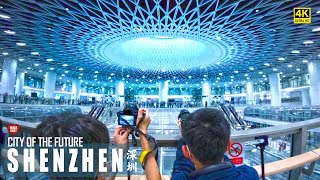
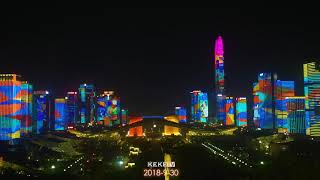
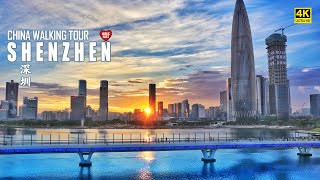
Shenzhen is a modern metropolis located in Guangdong Province, bordering Hong Kong to the south. Known as China's first Special Economic Zone, Shenzhen has transformed from a fishing village into a bustling city known for its innovation, technology, and vibrant culture. Here's what you need to know as a tourist visiting Shenzhen:

Modern Landmarks and Skyscrapers:
Shenzhen Bay Park: This expansive waterfront park offers stunning views of Shenzhen's skyline and the Hong Kong skyline across the bay. It's a popular spot for leisurely strolls, cycling, and picnics.

Shenzhen Civic Center: Admire the futuristic architecture of the Shenzhen Civic Center, which includes landmarks such as the Shenzhen Concert Hall, Shenzhen Library, and Shenzhen Museum.

Ping An Finance Centre: Marvel at one of the tallest skyscrapers in China and the fourth-tallest in the world, featuring an observation deck on the 116th floor offering panoramic views of the city.

Theme Parks and Entertainment:
Window of the World: Explore miniature replicas of famous landmarks from around the world, including the Eiffel Tower, the Taj Mahal, and the Great Wall of China, all in one place.

Happy Valley: This amusement park offers thrilling rides, live entertainment, and themed areas catering to visitors of all ages, making it a popular destination for families and thrill-seekers.

Shopping and Dining:
Huaqiangbei Electronics Market: Known as the world's largest electronics market, Huaqiangbei is a paradise for tech enthusiasts, offering everything from gadgets and components to accessories and repairs.

Coco Park: This upscale shopping and dining district features a wide range of boutiques, department stores, restaurants, bars, and cafes, catering to both locals and tourists.

Cultural and Historical Sites:
Dafen Oil Painting Village: Explore this vibrant artist community known for its reproduction oil paintings, where you can watch artists at work and purchase artworks at affordable prices.

Fairy Lake Botanical Garden: Escape the urban hustle and bustle at this expansive botanical garden, featuring lush greenery, scenic walking trails, and a diverse collection of plants and flowers.

Practical Tips:
Transportation: Shenzhen has a well-developed public transportation system, including the metro, buses, and taxis. The metro is the most convenient way to get around the city, with signs and announcements in both Chinese and English.

Language: Mandarin is the official language, but Cantonese and English are also widely spoken, especially in tourist areas, hotels, and restaurants.

Weather: Shenzhen has a subtropical climate with mild, dry winters and hot, humid summers. The best times to visit are spring (March to May) and autumn (September to November) when the weather is pleasant and comfortable.

Visa: Depending on your nationality, you may need a visa to enter China. Check the latest visa requirements and apply in advance if necessary.

Shenzhen offers a dynamic mix of modern attractions, cultural experiences, and shopping opportunities, making it an exciting destination for tourists seeking a taste of urban life in China. Whether you're interested in technology, entertainment, or simply exploring a vibrant city, Shenzhen has something for everyone.


Related Videos


Featured Videos

Narcissists, psychopaths and other toxic people
A first step in getting out of a trapped life, to a real life, is to become free of toxic people. Nobody is perfect; but most people know, to some extent, their faults, feel empathy and try to be better. But some people cannot see their faults, lack empathy and are always 'right' - the most important thing to know is that they cannot be 'fixed', understood, or healed by you (only a highly skilled psychotherapist stands a chance, and that's partly because there is no life relationship). If you cannot (yet) get away, at least become aware that it is not your problem. One can sense some similarities in dynamics with geo-politics. A variety of voices on this topic - in no particular order (may need multiple viewings because it can take time to understand more than superficially) ...
International Surfing Festival, HaiNan 海南 – video
RiYue Bay, WanNing, 2012.
Spring in BeiJing : Purple bamboo park to the Summer Palace
The Purple Bamboo Park (ZiZhuYuan), a national AAAA-level scenic spot, was founded in 1953 and is open to the public free of charge. The park has natural landscaping and lush bamboos, making it perfect for exercise and and relaxation. The Summer Palace (YiHeYuan), a royal garden during the Qing Dynasty, is located in the western suburbs of Beijing. The Summer Palace is a large-scale landscape garden built around KunMing Lake and WanShou Mountain and based on the design techniques of the south of the YangTze River style gardens. It is also the most complete royal palace garden in China and is known as the "Royal Garden Museum" and is a National AAAAA level scenic spot. The boat ride along the canal between the two parks (ChangHe River) takes about 25 minutes. With Seiu Travel ...
Multipolarity – the new reality
With Michael Hudson and Danny HaiPhong ...
Night walk in one of China’s most beautiful mountain villages – HuangLing’s Hui-style houses, WuYuan, JiangXi 江西婺源
With Walk East ... Bonus film - ZhuHai walking tour, GuangDong 广东珠海 ...
A trip to Chinese New Year’s eve in Xi’An
With JetLag Warriors and Ken Abroad ...
Shangri-la, YunNan province, food adventure, plus visitor guide
With Tucker Eats ... Welcome to Shangri-La, China Introduction History of Shangri-La Joseph Rock & His Influence Top Attractions Local Culture Local Cuisine Visitor Tips Introduction Shangri-La, located in the DiQing Tibetan Autonomous Prefecture in Yunnan Province, China, is a place of stunning natural beauty, rich Tibetan culture, and spiritual significance. Known for its snow-capped mountains, deep valleys, and pristine lakes, Shangri-La has become a popular destination for travelers seeking both adventure and tranquility. History of the Name "Shangri-La" The name "Shangri-La" originates from James Hilton's 1933 novel Lost Horizon, where it was depicted as a mystical, utopian valley in the Himalayas. The term has since become synonymous with an earthly paradise, a place of peace and perpetual happiness. In 2001, to promote tourism, the Chinese government officially renamed ZhongDian County in Yunnan Province to Shangri-La, claiming it to be the inspiration for Hilton's fictional paradise. Despite the debate over the true inspiration for Hilton’s novel, the renaming has significantly boosted the region's profile, transforming it into a major tourist destination. The area was already known for its Tibetan cultural heritage, and the new name further solidified its reputation as a place of mystical allure and natural beauty. Joseph Rock & His Influence on Shangri-La Joseph Francis Charles Rock was an Austrian-American explorer, botanist, and anthropologist who lived in China for more than 25 years during the early 20th century. He is particularly known for his extensive travels and research in the remote regions of Yunnan and Sichuan provinces, where he lived among the Naxi people, an ethnic minority with a rich cultural heritage. Rock’s detailed accounts of the Naxi culture, their language, and the stunning landscapes of the region were published in various journals, including National Geographic. These writings brought the hidden beauty of the region to the attention of the world and likely served as an inspiration for James Hilton's depiction of the fictional Shangri-La in his novel Lost Horizon. Rock's base in Lijiang, which is not far from the present-day Shangri-La, became the center of his studies on the Naxi people. He documented their ancient Dongba script, rituals, and way of life, contributing significantly to the preservation of their culture. The influence of his work is evident in the detailed descriptions of a harmonious, isolated valley in Hilton’s novel, which bears striking similarities to the areas where Rock lived and worked. Today, Joseph Rock’s legacy lives on in both the scientific community and the popular imagination, where he is remembered as a key figure who bridged the gap between the mysterious landscapes of southwest China and the Western world. Top Attractions in Shangri-La Songzanlin Monastery Often referred to as the "Little Potala Palace," Songzanlin Monastery is the largest Tibetan Buddhist monastery in Yunnan Province. Built in the 17th century, it is a stunning complex of golden roofs, ornate halls, and traditional Tibetan architecture. The monastery is an active religious site, home to hundreds of monks, and offers breathtaking views of the surrounding landscape. Pudacuo National Park Pudacuo National Park is one of the first national parks in China to meet international standards. Spanning over 1,300 square kilometers, the park is known for its diverse ecosystems, including alpine lakes, wetlands, forests, and meadows. Key attractions within the park include Shudu Lake, Bita Lake, and the vast, undisturbed wilderness that is home to a variety of rare flora and fauna. Tiger Leaping Gorge Tiger Leaping Gorge, one of the deepest and most spectacular gorges in the world, is located about 60 kilometers from Shangri-La. The gorge is carved by the Jinsha River, a tributary of the Yangtze, and offers thrilling trekking opportunities. The dramatic scenery of steep cliffs, roaring rapids, and snow-capped peaks makes it a must-visit for adventure seekers. Napa Lake Napa Lake is a seasonal lake located about 8 kilometers from Shangri-La. Surrounded by mountains, the lake appears during the rainy season and turns into a lush grassland in the dry season, where you can witness yaks and horses grazing. The area is also a sanctuary for migratory birds, including the rare black-necked crane. Dukezong Ancient Town Dukezong Ancient Town is a well-preserved Tibetan town with a history of over 1,300 years. The town features traditional Tibetan architecture, winding cobblestone streets, and the largest prayer wheel in the world. Dukezong is a great place to explore local culture, enjoy Tibetan cuisine, and shop for traditional crafts. Local Culture Shangri-La is a region deeply rooted in Tibetan culture. The local population predominantly consists of Tibetan people, who practice Tibetan Buddhism and maintain traditional customs and festivals. Major festivals include the Tibetan New Year (Losar), the Horse Racing Festival, and the Gedong Festival, where you can experience colorful religious dances, horse racing, and other cultural events. The region is also known for its vibrant Tibetan art, including Thangka paintings, wood carvings, and intricate metalwork. Visitors have the opportunity to engage with local artisans and learn about the traditional techniques passed down through generations. Local Cuisine The cuisine in Shangri-La is heavily influenced by Tibetan and Yunnanese flavors. Key dishes to try include: Tibetan Yak Butter Tea: A traditional Tibetan beverage made from tea, yak butter, and salt. It’s known for its unique taste and high energy content. Tsampa: A staple food made from roasted barley flour, often mixed with yak butter tea to form a dough. Yak Meat: A common ingredient in local dishes, yak meat is often stewed or grilled, and served with vegetables or rice. Momos: Tibetan-style dumplings filled with meat or vegetables, similar to the Chinese jiaozi. Wild Mushroom Hot Pot: A Yunnan specialty featuring a variety of locally-sourced wild mushrooms cooked in a flavorful broth. Visitors should also explore local markets for fresh produce, Tibetan bread, and artisanal cheeses made from yak milk. Visitor Tips Best Time to Visit: The best time to visit Shangri-La is from May to October, when the weather is mild and the landscapes are lush and green. During this period, the region is also alive with festivals and cultural events. Altitude: Shangri-La is located at an altitude of about 3,200 meters (10,500 feet). Visitors should be aware of the potential for altitude sickness and take it easy during the first few days of their visit. Getting There: Shangri-La can be reached by air via DiQing Shangri-La Airport, which has flights from major cities like Kunming, Chengdu, and Lhasa. There are also bus connections to Lijiang and Dali. Language: While Mandarin is widely spoken, many locals speak Tibetan. Having a translation app or a basic knowledge of Mandarin phrases can be helpful. Respect Local Customs: When visiting monasteries and other religious sites, dress modestly, remove your hat, and ask for permission before taking photographs. It’s also customary to walk clockwise around religious sites.
SanMing 三明, FuJian province
Cancer as reversion to single cell survival through chronic inflammation
With Dr. Jason Fung ...

Tag search ?