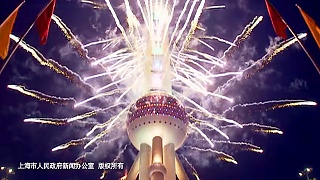
First day in ShangHai (2)

With Dan and Lyn ...

[640],shadow=true,start=,stop=
[320],shadow=true,start=,stop=

Bonus films - the ShangHai metro, with KING KWESI ...

[320],shadow=true,start=,stop=

Gym time - with Sabrina in China ...

[320],shadow=true,start=,stop=

Shanghai is one of China's most dynamic and cosmopolitan cities, blending a rich history with modern skyscrapers and vibrant culture. Here's what you need to know as a tourist visiting Shanghai:

Historical and Cultural Landmarks:
The Bund: This iconic waterfront promenade along the Huangpu River features colonial-era buildings on one side and futuristic skyscrapers on the other, offering stunning views of Shanghai's skyline.

Yu Garden: Dating back to the Ming dynasty, Yu Garden is a classical Chinese garden with pavilions, ponds, and rockeries. The nearby Yu Garden Bazaar is a great place to shop for souvenirs and traditional crafts.

Shanghai Museum: Home to an extensive collection of Chinese art and artifacts, including bronzes, ceramics, paintings, and calligraphy, the Shanghai Museum is a must-visit for history and art enthusiasts.

Jing'an Temple: One of Shanghai's most famous Buddhist temples, Jing'an Temple is known for its beautiful architecture, peaceful atmosphere, and towering golden Buddha statue.

Modern Attractions:
Shanghai Tower: Ascend to the observation deck of this iconic skyscraper, the tallest in China and the second-tallest in the world, for panoramic views of the city.

The Oriental Pearl TV Tower: Another iconic landmark, this futuristic tower offers observation decks, a glass-bottomed skywalk, and a revolving restaurant.

Shanghai Disneyland: Located in the Pudong district, Shanghai Disneyland offers a magical experience for visitors of all ages with its themed lands, attractions, and entertainment.

Shopping and Entertainment:
Nanjing Road: One of the world's busiest shopping streets, Nanjing Road is lined with department stores, boutiques, and restaurants. Don't miss the nearby pedestrian-friendly Nanjing Road East, known for its lively atmosphere and street performers.

Xintiandi: This upscale shopping, dining, and entertainment district features a mix of traditional Shikumen-style buildings and modern amenities, making it a popular destination for locals and tourists alike.

French Concession: Explore this historic neighborhood known for its tree-lined streets, charming cafes, boutiques, and art galleries.

Culinary Delights:
Shanghai Cuisine: Sample local specialties such as xiaolongbao (soup dumplings), shengjianbao (pan-fried dumplings), and Shanghai-style noodles.

Street Food: Wander through the city's bustling food markets and snack streets to taste a variety of street foods, from savory pancakes to grilled skewers.

Practical Tips:
Transportation: Shanghai has an efficient public transportation system, including the subway, buses, and taxis. Consider purchasing a rechargeable transportation card for convenience.

Language: While Mandarin is the official language, English is widely spoken in tourist areas, hotels, and restaurants.

Weather: Shanghai experiences four distinct seasons, with hot, humid summers and chilly winters. The best times to visit are spring (March to May) and autumn (September to November) when the weather is mild and comfortable.

Etiquette: Respect local customs and traditions, such as using polite language and avoiding loud behavior in public places.

Shanghai offers a captivating blend of old and new, with its historic landmarks, modern skyscrapers, vibrant culture, and delectable cuisine. Whether you're interested in history, architecture, shopping, or dining, Shanghai has something to offer every type of visitor.
Related Videos


Featured Videos

Weather by season across China
Weather Summary for Selected Cities in China: Beijing: Spring: Daytime temperatures: 11°C to 24°C, Nighttime temperatures: 2°C to 13°C. Spring in Beijing is generally mild and dry, with occasional sandstorms in March and April. Summer: Daytime temperatures: 29°C to 31°C, Nighttime temperatures: 17°C to 24°C. Beijing summers are hot and humid, with frequent thunderstorms and occasional heatwaves. Autumn: Daytime temperatures: 18°C to 26°C, Nighttime temperatures: 7°C to 15°C. Autumn is considered the best time to visit Beijing, with clear skies, comfortable temperatures, and colorful foliage. Winter: Daytime temperatures: 2°C to 5°C, Nighttime temperatures: -9°C to -1°C. Beijing winters are cold and dry, with occasional snowfall and freezing temperatures. Shanghai: Spring: Daytime temperatures: 15°C to 24°C, Nighttime temperatures: 8°C to 16°C. Spring in Shanghai is mild and humid, with occasional rain showers and rapid temperature changes. Summer: Daytime temperatures: 26°C to 32°C, Nighttime temperatures: 20°C to 26°C. Shanghai summers are hot and humid, with frequent rainfall and occasional typhoons. Autumn: Daytime temperatures: 23°C to 28°C, Nighttime temperatures: 16°C to 22°C. Autumn is relatively comfortable in Shanghai, with mild temperatures and clear skies. Winter: Daytime temperatures: 8°C to 12°C, Nighttime temperatures: 1°C to 6°C. Shanghai winters are cool and damp, with occasional cold snaps and drizzly weather. Hong Kong: Spring: Daytime temperatures: 23°C to 28°C, Nighttime temperatures: 19°C to 23°C. Spring in Hong Kong is warm and humid, with occasional fog and showers. Summer: Daytime temperatures: 29°C to 32°C, Nighttime temperatures: 25°C to 28°C. Hong Kong summers are hot, humid, and rainy, with frequent thunderstorms and occasional typhoons. Autumn: Daytime temperatures: 27°C to 29°C, Nighttime temperatures: 23°C to 25°C. Autumn is considered the best time to visit Hong Kong, with comfortable temperatures and lower humidity levels. Winter: Daytime temperatures: 18°C to 20°C, Nighttime temperatures: 14°C to 18°C. Hong Kong winters are mild and dry, with occasional cold fronts bringing cooler temperatures. Chengdu: Spring: Daytime temperatures: 16°C to 22°C, Nighttime temperatures: 9°C to 15°C. Spring in Chengdu is mild and humid, with occasional rain showers and blooming flowers. Summer: Daytime temperatures: 26°C to 29°C, Nighttime temperatures: 18°C to 21°C. Chengdu summers are warm and humid, with frequent rainfall and occasional heatwaves. Autumn: Daytime temperatures: 19°C to 24°C, Nighttime temperatures: 12°C to 16°C. Autumn is considered the best time to visit Chengdu, with comfortable temperatures and clear skies. Winter: Daytime temperatures: 9°C to 12°C, Nighttime temperatures: 3°C to 6°C. Chengdu winters are cool and damp, with occasional fog and drizzle. Guilin: Spring: Daytime temperatures: 20°C to 26°C, Nighttime temperatures: 13°C to 18°C. Spring in Guilin is warm and humid, with occasional rain showers and blooming flowers. Summer: Daytime temperatures: 29°C to 33°C, Nighttime temperatures: 21°C to 24°C. Guilin summers are hot and humid, with frequent rainfall and occasional heatwaves. Autumn: Daytime temperatures: 24°C to 28°C, Nighttime temperatures: 17°C to 20°C. Autumn is relatively comfortable in Guilin, with mild temperatures and clear skies. Winter: Daytime temperatures: 11°C to 14°C, Nighttime temperatures: 6°C to 9°C. Guilin winters are cool and damp, with occasional fog and drizzle.
HongCun, AnHui province
Western attacks on China
With Garland Nixon ... Bonus films ...
Amazing AnHui 安徽 province …
AnHui, 安徽, lies in East China, just to the west of JiangSu province and ShangHai, and noted for its cuisine and materials related to calligraphy (paper and inkstone). Tourist destinations include HuangShan mountain, HongCun and XiDi ancient villages, Chao Lake, TaiJi Cave, ZhenFeng Pagoda and ZuiWeng Pavilion.
JiaYuGuan Pass at the western end of the Great Wall of China
With Walk East - the Great Wall of China. JiaYu Pass is not only the western starting point of the Ming Great Wall, but also a vital pass on the ancient Silk Road. It's the joining place of the cultures of the Silk Road ...
Blondie in LanZhou, capital city of GanSu province – food adventure
With Blondie in China ... Welcome to LanZhou City Introduction History Top Attractions Nearby Attractions Local Cuisine Visitor Tips Introduction LanZhou is the capital city of GanSu Province, located in the northwestern part of China. Known as a key hub along the ancient Silk Road, LanZhou is a city rich in history and culture. The city is famous for its stunning landscapes, including the Yellow River that flows through its heart, and its unique blend of modern and traditional Chinese culture. History LanZhou has a history that dates back over 2,000 years. It was an important stop on the Silk Road, serving as a gateway between China and Central Asia. Throughout its history, LanZhou has been a melting pot of cultures, influenced by the various ethnic groups and traders who passed through the region. The city has maintained its historical significance while developing into a modern urban center. Top Attractions Zhongshan Bridge (Yellow River Iron Bridge) The Zhongshan Bridge, also known as the Yellow River Iron Bridge, is one of LanZhou’s most iconic landmarks. Built in 1907, it was the first permanent bridge to span the Yellow River. The bridge offers stunning views of the river and the surrounding mountains and is a popular spot for both tourists and locals. Baita Mountain Park Baita Mountain Park is located on the northern bank of the Yellow River. The park is named after the White Pagoda (Baita), which stands atop the mountain and dates back to the Yuan Dynasty. The park offers beautiful landscapes, ancient temples, and panoramic views of the city and the Yellow River. Waterwheel Garden The Waterwheel Garden is a unique attraction that showcases the traditional waterwheels used along the Yellow River for irrigation. The garden features several large waterwheels, some of which are functional and demonstrate how they were used historically. It’s a great place to learn about the agricultural history of the region. Gansu Provincial Museum The Gansu Provincial Museum is one of the most important cultural institutions in LanZhou. The museum houses a vast collection of artifacts, including ancient Silk Road treasures, fossils, and exhibits on the history and culture of GanSu Province. Highlights include the famous bronze Galloping Horse Treading on a Flying Swallow statue. Five Springs Mountain Park Five Springs Mountain Park is a scenic area located in the southern part of LanZhou. The park is famous for its natural springs, beautiful gardens, and ancient temples. Visitors can enjoy hiking trails, visit the various temples, and take in the peaceful surroundings. Binhe Park Binhe Park is a riverside park that stretches along the banks of the Yellow River. The park features walking paths, gardens, and pavilions, making it a popular spot for leisurely strolls and enjoying the river views. The park is especially beautiful in the evening when the lights illuminate the riverbanks. Nearby Attractions Bingling Temple Grottoes Bingling Temple Grottoes, located about 80 kilometers from LanZhou, is a stunning site featuring ancient Buddhist cave carvings and statues. The grottoes date back to the Western Jin Dynasty and are set in a dramatic cliffside along the Yellow River. Visitors can take a boat ride to reach the grottoes and explore the intricate carvings and murals. Majiayao Cultural Site The Majiayao Cultural Site, about 100 kilometers from LanZhou, is an archaeological site where some of the earliest examples of painted pottery in China were discovered. The site offers insights into the Neolithic cultures that once thrived in the region. A small museum on-site displays artifacts and provides historical context. Liujiaxia Reservoir Liujiaxia Reservoir, located about 70 kilometers from LanZhou, is a large artificial lake surrounded by scenic landscapes. The reservoir is a popular spot for boating, fishing, and enjoying the natural beauty of the area. It also serves as the gateway to the Bingling Temple Grottoes. Yuzhong County Yuzhong County, located to the southeast of LanZhou, is known for its picturesque landscapes, traditional villages, and cultural sites. The county is home to several Taoist and Buddhist temples, as well as beautiful mountain scenery, making it an ideal destination for those looking to explore the countryside around LanZhou. Local Cuisine LanZhou is famous for its hearty and flavorful cuisine, which reflects the region’s diverse cultural influences. The city is best known for LanZhou Beef Noodles (LanZhou Lamian), a beloved dish made with hand-pulled noodles, tender beef slices, and a rich broth. Another local specialty is Yellow River Carp, typically prepared in a variety of flavorful sauces. Street food is also popular, with vendors offering snacks like grilled lamb skewers, steamed buns, and sweet pastries. Visitor Tips Best Time to Visit: The best time to visit LanZhou is during spring (April to June) and autumn (September to October) when the weather is mild and the landscapes are at their most beautiful. Getting There: LanZhou is well-connected by air through LanZhou Zhongchuan International Airport. The city is also a major hub on the high-speed rail network, with connections to cities like Beijing, Xi’an, and Urumqi. Language: Mandarin is the primary language spoken in LanZhou. English is not widely spoken, so it’s helpful to know some basic Mandarin phrases or have a translation app handy. Etiquette: When visiting religious sites, dress modestly and be respectful of local customs. It’s also customary to remove your shoes before entering certain temples.
The beautiful YanQi Lake, BeiJing
With Beijing Old Liu ... Visitor Guide to YanQi Lake, BeiJing Overview YanQi Lake, located in the HuaiRou District of BeiJing, is a stunning natural area known for its picturesque landscapes and clear waters. It is a popular destination for both leisure and business, offering a tranquil escape from the bustling city and a venue for high-profile international events, including the Asia-Pacific Economic Cooperation (APEC) summit in 2014. Getting There By Air: The nearest airport is Beijing Capital International Airport (PEK), approximately 50 kilometers from YanQi Lake. From the airport, you can take a taxi or a shuttle bus to reach the lake. By Train: You can take a high-speed train to HuaiRou North Railway Station and then a taxi or local bus to YanQi Lake. By Bus: Several buses run from downtown BeiJing to HuaiRou District. You can then take a local bus or taxi to YanQi Lake. Getting Around Walking: YanQi Lake area is best explored on foot, allowing you to fully appreciate its natural beauty and serene environment. Biking: Renting a bike is a popular option for getting around and exploring the scenic routes around the lake. Local Transport: Taxis and shuttle services are available for traveling to and from different parts of the lake area and nearby attractions. Main Attractions YanQi Island YanQi Island is the centerpiece of YanQi Lake, hosting luxury resorts, conference centers, and beautiful gardens. It is an ideal place for relaxation, high-end dining, and international conferences. YanQi Tower The YanQi Tower offers panoramic views of the lake and surrounding mountains. Visitors can take an elevator to the top for breathtaking scenery and photography opportunities. Boat Tours Boat tours on YanQi Lake provide a peaceful and scenic way to explore the area. Various types of boats, from traditional Chinese boats to modern yachts, are available for hire. Wild Duck Lake Nearby Wild Duck Lake is a birdwatcher's paradise, home to a variety of bird species, especially migratory birds. It's a great spot for nature enthusiasts and photographers. Hongluo Temple Located a short distance from YanQi Lake, Hongluo Temple is one of the largest and oldest temples in northern China. It offers a serene environment and rich cultural heritage. Local Cuisine While visiting YanQi Lake, you can enjoy a variety of local and international cuisines. Here are some recommendations: Peking Duck: A world-famous dish, Peking Duck is a must-try when in BeiJing. Many restaurants near YanQi Lake serve this delicacy. YanQi Lake Fish: Freshly caught fish from the lake, prepared in various styles, is a local specialty. HuaiRou Chestnut: HuaiRou is known for its delicious chestnuts, which can be enjoyed roasted or used in local dishes. Shopping Local Handicrafts: Explore shops around YanQi Lake for traditional Chinese handicrafts, including silk products, pottery, and paintings. Specialty Foods: Purchase local specialties such as HuaiRou chestnuts, honey, and other agricultural products. Souvenirs: Various souvenir shops offer items commemorating the APEC summit and other significant events held at YanQi Lake. Accommodation Luxury Resorts: YanQi Lake is home to several luxury resorts, such as the YanQi Lake Kempinski Hotel, which offers top-notch amenities and stunning views. Mid-Range Hotels: There are also several mid-range hotels and boutique accommodations around the lake area, providing comfort and convenience at reasonable prices. Guesthouses: For a more local experience, consider staying in one of the guesthouses or inns in the nearby villages. Historical Background of YanQi Lake YanQi Lake is a man-made reservoir created in the 1980s to improve water supply and irrigation for the HuaiRou District. The project aimed to enhance the local agricultural productivity and provide a recreational area for residents and visitors. Over the years, YanQi Lake has developed into a major tourist destination and a hub for international events. The lake and its surrounding areas have been carefully maintained and upgraded to offer a blend of natural beauty, cultural heritage, and modern amenities. The area around YanQi Lake has also been a site of historical significance. The nearby Hongluo Temple, dating back over 1,000 years, reflects the region's rich spiritual and cultural history. The combination of ancient traditions and modern development makes YanQi Lake a unique and attractive destination. Tips for Visitors Best Time to Visit: The best times to visit YanQi Lake are spring (April to June) and autumn (September to November) when the weather is mild and the scenery is at its most beautiful. Clothing: Wear comfortable walking shoes and dress in layers to accommodate changing temperatures. An umbrella or raincoat is useful during the rainy season. Respect Local Customs: Be respectful of local customs and traditions. Dress modestly and be mindful of local etiquette, especially when visiting historical and cultural sites. Language: While Mandarin is widely spoken, learning a few basic phrases or using a translation app can be very helpful. Plan Your Visit: YanQi Lake is best explored at a leisurely pace. Take your time to enjoy the scenic views, visit local attractions, and savor the local cuisine. Conclusion YanQi Lake, with its stunning natural beauty, historical significance, and modern amenities, offers a unique and memorable travel experience. Whether you're exploring the tranquil lake, visiting nearby cultural sites, or enjoying local cuisine, YanQi Lake provides a serene escape and a glimpse into the rich heritage of BeiJing. Plan your visit carefully to make the most of your trip to this picturesque destination in the HuaiRou District.
Inside China Business – March / April 2025
LeShan Giant Buddha 乐山大佛, Mount Emei 峨眉山 Scenic Area
The LeShan Giant Buddha 乐山大佛 is located in SiChuan province and is a 233 foot tall stone statue constructed during the Tang Dynasty. Emei Shan (3,100 meters / 10,200 feet) is one of the four Chinese Buddhist sacred mountains. Emei Shan is UNESCO World Heritage Site (together with the Leshan Giant Buddha) : "...an area of exceptional cultural significance as it is the place where Buddhism first became established on Chinese territory... The first Buddhist temple in China was built on the summit of Mount Emei in the 1st century CE." Documentaries ...

Tag search ?