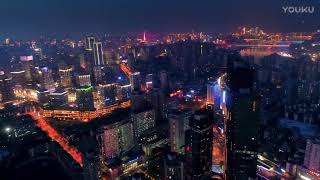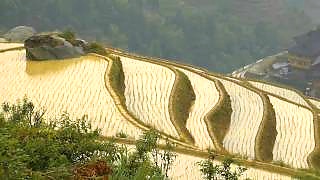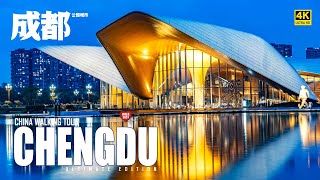
A day in ChengDu, SiChuan province

With Byanca G ...

[640],shadow=true,start=,stop=

Chengdu, the capital of Sichuan Province in southwest China, is a vibrant city known for its rich history, spicy cuisine, and relaxed lifestyle. Here's a guide for tourists visiting Chengdu:

Cultural and Historical Attractions:
Chengdu Research Base of Giant Panda Breeding: One of the most popular attractions in Chengdu, this conservation center allows visitors to observe giant pandas in a semi-natural habitat.

Jinli Ancient Street: Located next to Wuhou Shrine, Jinli Ancient Street is a bustling pedestrian street lined with traditional Sichuan-style buildings, shops, teahouses, and street food stalls.

Wuhou Shrine: Dedicated to Zhuge Liang, a famous military strategist of the Three Kingdoms period, and Liu Bei, the emperor of the Shu Kingdom, Wuhou Shrine is a historic complex with beautiful gardens and ancient architecture.

Du Fu Thatched Cottage: This museum and park commemorates the Tang Dynasty poet Du Fu and features reconstructions of his former residence and gardens.

Culinary Delights:
Sichuan Cuisine: Chengdu is renowned for its spicy and flavorful Sichuan cuisine. Don't miss the opportunity to try local specialties like mapo tofu, hot pot, and dandan noodles.

Hot Pot: Chengdu's hot pot is famous nationwide. Enjoy a communal dining experience where you cook various meats, vegetables, and other ingredients in a bubbling pot of spicy broth.

Natural Beauty:
Mount Qingcheng: Located about an hour's drive from Chengdu, Mount Qingcheng is one of the birthplaces of Taoism and offers picturesque hiking trails, ancient temples, and serene scenery.

Jiuzhaigou Valley: While it's a bit further from Chengdu (requiring a flight or long bus ride), Jiuzhaigou Valley is a UNESCO World Heritage Site known for its stunning turquoise lakes, waterfalls, and colorful forests.

Modern Attractions:
Chengdu Research Base of Tianfu Giant Panda Breeding: In addition to the Giant Panda Breeding Base, this newer facility focuses on breeding and research for giant pandas and other endangered species.

Sichuan Opera: Experience traditional Sichuan opera performances featuring colorful costumes, face-changing (bian lian) techniques, acrobatics, and puppet shows.

Practical Tips:
Transportation: Chengdu has an efficient public transportation system, including a subway and buses. Taxis and ride-hailing services like DiDi are also readily available.

Weather: Chengdu has a humid subtropical climate with mild winters and hot, humid summers. It's advisable to check the weather forecast before your trip and pack accordingly.

Language: While Mandarin is the official language, the local dialect in Chengdu is Sichuanese. English may not be widely spoken outside of tourist areas, so consider learning a few basic phrases or carrying a translation app.

Chengdu offers a blend of cultural heritage, culinary delights, and natural beauty, making it an enticing destination for travelers seeking an authentic Chinese experience. Whether you're exploring historic sites, savoring spicy cuisine, or marveling at the region's natural wonders, Chengdu is sure to leave a lasting impression.
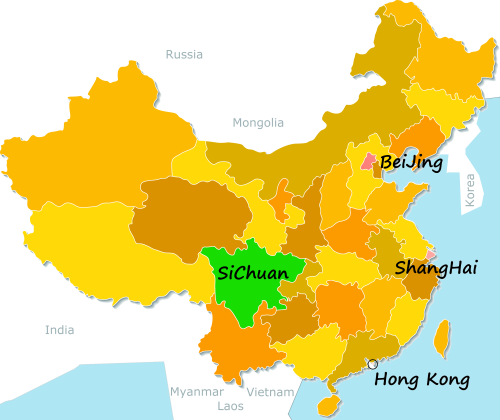

SiChuan map

Related Videos


Featured Videos

50 ‘Small Eats’ 小吃 (Xiǎo Chī) dishes
50 Small Eats Dishes in China Dumplings (饺子, jiǎozi) - Steamed or fried dough pockets filled with meat or vegetables. Spring Rolls (春卷, chūn juǎn) - Crispy rolls filled with vegetables and sometimes meat. Scallion Pancakes (葱油饼, cōng yóu bǐng) - Flaky, savory pancakes with scallions. Sticky Rice Dumplings (粽子, zòngzi) - Glutinous rice wrapped in bamboo leaves, usually with fillings like meat or beans. Soup Dumplings (小笼包, xiǎo lóng bāo) - Steamed dumplings filled with broth and meat. Sichuan Spicy Wontons (红油抄手, hóng yóu chāo shǒu) - Wontons in chili oil with a spicy sauce. Sesame Balls (煎堆, jiān duī) - Deep-fried glutinous rice balls coated in sesame seeds. Fried Stinky Tofu (臭豆腐, chòu dòufu) - Fermented tofu fried until crispy. Guokui (锅盔, guō kuī) - Crispy, pan-fried flatbread. Chinese Crepes (煎饼果子, jiān bǐng guǒzi) - Thin pancakes filled with savory ingredients. Roujiamo (肉夹馍, ròu jiá mó) - Chinese-style hamburger with shredded meat inside a flatbread. Tea Eggs (茶叶蛋, chá yè dàn) - Hard-boiled eggs marinated in tea and spices. Fried Dough Sticks (油条, yóutiáo) - Crispy fried dough sticks, often eaten with soy milk. Cold Noodles (凉面, liáng miàn) - Chilled noodles served with a savory sauce. Congee (粥, zhōu) - Rice porridge often served with various toppings. Baozi (包子, bāozi) - Steamed buns filled with meat or vegetables. Liangpi (凉皮, liángpí) - Cold noodles made from wheat or rice flour, served with spicy sauce. Jianbing (煎饼, jiānbing) - Savory Chinese crepe filled with egg, crispy cracker, and sauces. Fried Rice Balls (炸年糕, zhà nián gāo) - Crispy fried glutinous rice balls. Fried Mashed Taro (芋泥, yùní) - Mashed taro fried until golden and crispy. Lotus Root Stuffed with Sticky Rice (藕夹, ǒu jiá) - Sticky rice stuffed into hollowed-out lotus root slices. Chive Pockets (韭菜盒子, jiǔcài hézi) - Pan-fried dumplings filled with chives and sometimes eggs. Lamb Skewers (羊肉串, yángròu chuàn) - Grilled skewers of seasoned lamb. Steamed Buns (馒头, mántou) - Plain steamed bread often served with dishes. Fried Glutinous Rice Cakes (糍粑, cíbā) - Sticky rice cakes fried until crispy. Stuffed Tofu (香干, xiānggān) - Tofu pockets filled with meat or vegetables. Fried Pork Ribs (排骨, páigǔ) - Deep-fried marinated pork ribs. Shengjian Bao (生煎包, shēngjiān bāo) - Pan-fried buns filled with pork and soup. Spicy Cold Jelly (凉粉, liáng fěn) - Cold, chewy jelly noodles in spicy sauce. Pan-fried Pork Buns (生煎包, shēng jiān bāo) - Pan-fried buns with juicy pork filling. Fried Glutinous Rice Balls (炸年糕, zhà nián gāo) - Crispy on the outside, chewy on the inside. Lamb Skewers (羊肉串, yángròu chuàn) - Grilled skewers of seasoned lamb. Green Onion Pancakes (葱油饼, cōng yóu bǐng) - Crispy pancakes flavored with green onions. Pork and Chive Dumplings (韭菜饺子, jiǔcài jiǎozi) - Dumplings filled with pork and chives. Steamed Custard Buns (流沙包, liúshā bāo) - Soft steamed buns filled with sweet custard. Hot and Sour Soup (酸辣汤, suān là tāng) - Spicy and tangy soup with mushrooms, tofu, and bamboo shoots. Steamed Shrimp Dumplings (虾饺, xiā jiǎo) - Delicate dumplings filled with shrimp and bamboo shoots. Spicy Chicken Wings (辣子鸡翅, làzi jī chì) - Crispy fried chicken wings tossed in spicy seasoning. Spicy Cold Noodles (麻辣凉面, málà liáng miàn) - Chilled noodles in a spicy, numbing sauce. Cucumber Salad (拍黄瓜, pāi huángguā) - Refreshing salad of sliced cucumbers with garlic and vinegar dressing. Cold Tofu (冷豆腐, lěng dòufu) - Chilled silken tofu served with soy sauce and toppings. Fried Chicken Dumplings (炸鸡饺子, zhà jī jiǎozi) - Crispy dumplings filled with seasoned chicken. Beef Noodle Soup (牛肉面, niúròu miàn) - Hearty soup with tender beef slices and noodles. Cumin Lamb (孜然羊肉, zīrán yángròu) - Spicy stir-fried lamb seasoned with cumin and other spices. Steamed BBQ Pork Buns (叉烧包, chāshāo bāo) - Soft steamed buns filled with sweet barbecued pork. Cold Sesame Noodles (凉拌麻酱面, liángbàn májiàng miàn) - Noodles tossed in a savory sesame sauce. Spinach and Pork Wontons (菠菜猪肉馄饨, bōcài zhūròu húntún) - Wontons filled with spinach and ground pork. Fried Radish Cake (萝卜糕, luóbo gāo) - Pan-fried cakes made from shredded radish and rice flour. Shrimp Toast (虾多士, xiā duōshì) - Crispy bread topped with shrimp paste and sesame seeds. Red Bean Pancakes (红豆煎饼, hóngdòu jiān bǐng) - Sweet pancakes filled with red bean paste. Egg and Tomato Stir-fry (西红柿炒鸡蛋, xī hóng shì chǎo jī dàn) - Simple and delicious stir-fry of tomatoes and scrambled eggs. Spicy Stir-fried Egg and Chili Peppers (辣炒鸡蛋, là chǎo jī dàn) - Eggs stir-fried with spicy chili peppers. Potato, aubergine / egg-plant, and chili peppers (地三鲜, dì sān xiān) - Stir-fried dish featuring potatoes, eggplants, and chili peppers.
TongLi 同里
TongLi, lies in the outskirts of SuZhou, JiangSu province in east China, about 100 km (62 miles) north-west of ShangHai. This charming water town retains many of the features of the ancient Kingdom of Wu.
Geopolitics update – February 2025
With Thinkers Forum - Zhang WeiWei, Jeffrey Sachs and Charles Li ... With Ben Norton ... With Louis Vincent Gave ... With Richard Wolff ... And Michael Hudson ... And Danny Haiphong ... With Brian Berletic ... With Lawrence Wilkerson and Pascal Lottaz / Neutrality Studies ... With KJ Noh ... With Yanis Varoufakis and Arnaud Bertrand ... With Daniel Dumbrill and Carl Zha ...
Shangri-la, YunNan province, food adventure, plus visitor guide
With Tucker Eats ... Welcome to Shangri-La, China Introduction History of Shangri-La Joseph Rock & His Influence Top Attractions Local Culture Local Cuisine Visitor Tips Introduction Shangri-La, located in the DiQing Tibetan Autonomous Prefecture in Yunnan Province, China, is a place of stunning natural beauty, rich Tibetan culture, and spiritual significance. Known for its snow-capped mountains, deep valleys, and pristine lakes, Shangri-La has become a popular destination for travelers seeking both adventure and tranquility. History of the Name "Shangri-La" The name "Shangri-La" originates from James Hilton's 1933 novel Lost Horizon, where it was depicted as a mystical, utopian valley in the Himalayas. The term has since become synonymous with an earthly paradise, a place of peace and perpetual happiness. In 2001, to promote tourism, the Chinese government officially renamed ZhongDian County in Yunnan Province to Shangri-La, claiming it to be the inspiration for Hilton's fictional paradise. Despite the debate over the true inspiration for Hilton’s novel, the renaming has significantly boosted the region's profile, transforming it into a major tourist destination. The area was already known for its Tibetan cultural heritage, and the new name further solidified its reputation as a place of mystical allure and natural beauty. Joseph Rock & His Influence on Shangri-La Joseph Francis Charles Rock was an Austrian-American explorer, botanist, and anthropologist who lived in China for more than 25 years during the early 20th century. He is particularly known for his extensive travels and research in the remote regions of Yunnan and Sichuan provinces, where he lived among the Naxi people, an ethnic minority with a rich cultural heritage. Rock’s detailed accounts of the Naxi culture, their language, and the stunning landscapes of the region were published in various journals, including National Geographic. These writings brought the hidden beauty of the region to the attention of the world and likely served as an inspiration for James Hilton's depiction of the fictional Shangri-La in his novel Lost Horizon. Rock's base in Lijiang, which is not far from the present-day Shangri-La, became the center of his studies on the Naxi people. He documented their ancient Dongba script, rituals, and way of life, contributing significantly to the preservation of their culture. The influence of his work is evident in the detailed descriptions of a harmonious, isolated valley in Hilton’s novel, which bears striking similarities to the areas where Rock lived and worked. Today, Joseph Rock’s legacy lives on in both the scientific community and the popular imagination, where he is remembered as a key figure who bridged the gap between the mysterious landscapes of southwest China and the Western world. Top Attractions in Shangri-La Songzanlin Monastery Often referred to as the "Little Potala Palace," Songzanlin Monastery is the largest Tibetan Buddhist monastery in Yunnan Province. Built in the 17th century, it is a stunning complex of golden roofs, ornate halls, and traditional Tibetan architecture. The monastery is an active religious site, home to hundreds of monks, and offers breathtaking views of the surrounding landscape. Pudacuo National Park Pudacuo National Park is one of the first national parks in China to meet international standards. Spanning over 1,300 square kilometers, the park is known for its diverse ecosystems, including alpine lakes, wetlands, forests, and meadows. Key attractions within the park include Shudu Lake, Bita Lake, and the vast, undisturbed wilderness that is home to a variety of rare flora and fauna. Tiger Leaping Gorge Tiger Leaping Gorge, one of the deepest and most spectacular gorges in the world, is located about 60 kilometers from Shangri-La. The gorge is carved by the Jinsha River, a tributary of the Yangtze, and offers thrilling trekking opportunities. The dramatic scenery of steep cliffs, roaring rapids, and snow-capped peaks makes it a must-visit for adventure seekers. Napa Lake Napa Lake is a seasonal lake located about 8 kilometers from Shangri-La. Surrounded by mountains, the lake appears during the rainy season and turns into a lush grassland in the dry season, where you can witness yaks and horses grazing. The area is also a sanctuary for migratory birds, including the rare black-necked crane. Dukezong Ancient Town Dukezong Ancient Town is a well-preserved Tibetan town with a history of over 1,300 years. The town features traditional Tibetan architecture, winding cobblestone streets, and the largest prayer wheel in the world. Dukezong is a great place to explore local culture, enjoy Tibetan cuisine, and shop for traditional crafts. Local Culture Shangri-La is a region deeply rooted in Tibetan culture. The local population predominantly consists of Tibetan people, who practice Tibetan Buddhism and maintain traditional customs and festivals. Major festivals include the Tibetan New Year (Losar), the Horse Racing Festival, and the Gedong Festival, where you can experience colorful religious dances, horse racing, and other cultural events. The region is also known for its vibrant Tibetan art, including Thangka paintings, wood carvings, and intricate metalwork. Visitors have the opportunity to engage with local artisans and learn about the traditional techniques passed down through generations. Local Cuisine The cuisine in Shangri-La is heavily influenced by Tibetan and Yunnanese flavors. Key dishes to try include: Tibetan Yak Butter Tea: A traditional Tibetan beverage made from tea, yak butter, and salt. It’s known for its unique taste and high energy content. Tsampa: A staple food made from roasted barley flour, often mixed with yak butter tea to form a dough. Yak Meat: A common ingredient in local dishes, yak meat is often stewed or grilled, and served with vegetables or rice. Momos: Tibetan-style dumplings filled with meat or vegetables, similar to the Chinese jiaozi. Wild Mushroom Hot Pot: A Yunnan specialty featuring a variety of locally-sourced wild mushrooms cooked in a flavorful broth. Visitors should also explore local markets for fresh produce, Tibetan bread, and artisanal cheeses made from yak milk. Visitor Tips Best Time to Visit: The best time to visit Shangri-La is from May to October, when the weather is mild and the landscapes are lush and green. During this period, the region is also alive with festivals and cultural events. Altitude: Shangri-La is located at an altitude of about 3,200 meters (10,500 feet). Visitors should be aware of the potential for altitude sickness and take it easy during the first few days of their visit. Getting There: Shangri-La can be reached by air via DiQing Shangri-La Airport, which has flights from major cities like Kunming, Chengdu, and Lhasa. There are also bus connections to Lijiang and Dali. Language: While Mandarin is widely spoken, many locals speak Tibetan. Having a translation app or a basic knowledge of Mandarin phrases can be helpful. Respect Local Customs: When visiting monasteries and other religious sites, dress modestly, remove your hat, and ask for permission before taking photographs. It’s also customary to walk clockwise around religious sites.
Beautiful Sleeping Buddha – sculpture art from waste
Last year, artist Hu JunJun was invited to make a six ton Reclining Buddha statue with twigs, which received much attention on exhibition in XiaMen. In her works, the Buddha often appears among colorful Chinese landscapes in a light and graceful style, rather than in the stereotypical manner of religious art works. Master architect Tadao Ando designed a museum for their collection of Buddha statues of the Northern Dynasties over the past decade. At the end of 2020, YIT visited Hu JunJun in her studio and collected the backstage story of her creation and collection of Buddha statues ... *** Find many more inspiring videos on our latest Chinese culture videos page ***
FunFancie goes to the Snow and Ice Festival in Harbin
Food and more – FunFancie in ShangHai (3)
Beautiful YangShuo, plus Pot Stickers
With Living Asian ... Bonus film - Kids Park, ChengDu ...
ZhangJiang Science City, PuDong, ShangHai
With MiaoMiao ... Zhangjiang Science City, located in the Pudong district of Shanghai, is a major hub for scientific innovation and research in China. Often referred to as the "Silicon Valley of China," Zhangjiang Science City has been a focal point for the development of high-tech industries, particularly in the fields of biotechnology, information technology, and advanced manufacturing. Key Features and Developments: Research and Development Hub: Zhangjiang Science City hosts numerous research institutions, universities, and corporate R&D centers. It's home to the Zhangjiang National Innovation Demonstration Zone, which plays a critical role in fostering technological innovation. The area is known for its strong focus on life sciences, with many pharmaceutical companies and biotech firms operating there, including multinational corporations like Roche and Novartis. Tech Startups and Incubators: The region has a thriving startup ecosystem, supported by various incubators and accelerators. This makes it an attractive destination for tech entrepreneurs and innovators. The Shanghai Zhangjiang Hi-Tech Park, within the science city, is one of China's most prominent technology parks, providing resources and infrastructure for startups. International Collaboration: Zhangjiang Science City emphasizes international collaboration, with numerous foreign enterprises establishing their R&D centers there. The area facilitates joint ventures and partnerships between Chinese and global companies. The establishment of free trade zones and favorable policies has further encouraged international investment and collaboration. Smart City Development: As part of the broader Shanghai initiative, Zhangjiang is being developed into a "smart city" with advanced infrastructure for communications, transport, and urban living. The integration of AI, big data, and IoT technologies into the city’s infrastructure is a key aspect of its development, making it a model for future urban areas. Education and Talent: The science city benefits from proximity to top-tier universities and research institutions, which supply a steady stream of talent in various scientific and engineering disciplines. Efforts are made to attract and retain international talent, offering competitive incentives and a conducive environment for innovation. Government Support: The Chinese government has prioritized Zhangjiang as a key area for the country’s strategic technology development. Policies are in place to support research, attract investment, and encourage innovation. Significant investments have been made in infrastructure, including transport links that connect Zhangjiang to other parts of Shanghai and beyond, enhancing its accessibility and appeal as a business location. Future Prospects: Zhangjiang Science City is poised to continue its growth as a global leader in science and technology. With ongoing investments and a focus on high-tech industries, it is expected to play a significant role in China's ambitions to become a world leader in innovation and technology by the mid-21st century. The combination of government support, international collaboration, and a strong innovation ecosystem makes Zhangjiang Science City a critical component of Shanghai's, and indeed China's, future development strategy.

Tag search ?