Filmed, edited and produced by : Maarten de Haas.
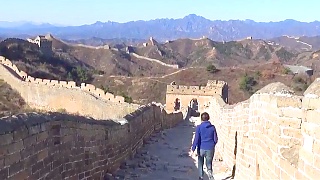
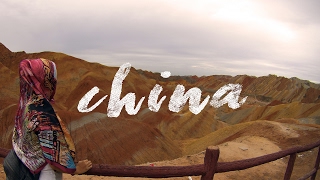
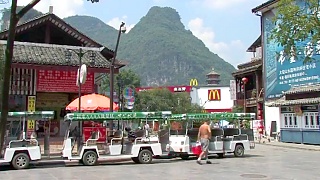
Places include GuiLin, YangShuo, The Great Wall of China, the 'Avatar mountains' of ZhangJiaJie, DeQin, ShangRiLa, Tibet and Tiger Leaping Gorge.
[640],shadow=true,start=,stop=Live more ...
 China 中国 travel trip, with drone
Filmed, edited and produced by : Maarten de Haas.
Places include GuiLin, YangShuo, The Great Wall of China, the 'Avatar mountains' of ZhangJiaJie, DeQin, ShangRiLa, Tibet and Tiger Leaping Gorge.
[640],shadow=true,start=,stop=

|
Compare that with the UK's (maybe) 250 km single line (HS2).
With Jason / Living In China ...
With For All Life's Adventures ...
|
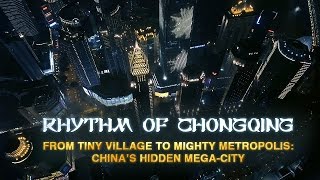
|

|
With Danny HaiPhong and Brian Berletic ...
*** Meanwhile ...
|

|
|

|
With Beijing Old Liu ...
Xijiang Qianhu Miao Village Visitor Guide
Overview
Xijiang Qianhu Miao Village, located in Leishan County, Guizhou Province, is the largest Miao village in China and is often referred to as the "Thousand Household Miao Village." This picturesque village is known for its well-preserved traditional Miao architecture, vibrant cultural heritage, and stunning natural scenery. It offers a unique glimpse into the life and traditions of the Miao people.
History and Culture
The Miao people are one of China's 56 ethnic minorities, with a history that dates back over 2,000 years. Xijiang Qianhu Miao Village is a living museum of Miao culture, where visitors can experience traditional Miao customs, clothing, music, and dance. The village is known for its grand festivals, including the Lusheng Festival, the Miao New Year, and the Sisters' Meal Festival, which feature elaborate costumes, folk dances, and traditional music performances.
Main Attractions
Miao Ethnic Museum
The Miao Ethnic Museum offers a comprehensive look at the history, culture, and traditions of the Miao people. Exhibits include traditional clothing, silver ornaments, musical instruments, and artifacts from daily life.
Traditional Miao Architecture
The village is renowned for its traditional stilt houses, known as "Diaojiaolou," which are built on wooden stilts and feature intricate wooden carvings. Walking through the village, visitors can admire these unique structures and learn about their construction and significance.
Folk Performances
Daily folk performances in the village square showcase traditional Miao music and dance. These performances are an excellent way to experience the vibrant cultural heritage of the Miao people.
Festival Celebrations
Visiting during one of the major festivals, such as the Miao New Year or the Sisters' Meal Festival, provides a deeper insight into Miao culture. These festivals feature colorful parades, traditional music, and elaborate dances, making them a highlight of any visit.
Outdoor Activities
Hiking and Nature Walks
The surrounding hills and rice terraces offer excellent opportunities for hiking and nature walks. The scenic trails provide panoramic views of the village and the lush countryside, making it a paradise for nature lovers and photographers.
Exploring Rice Terraces
The rice terraces around Xijiang are a testament to the agricultural ingenuity of the Miao people. Visitors can explore these terraced fields, which change colors with the seasons and offer stunning photographic opportunities.
Local Cuisine
Miao cuisine is known for its bold flavors and use of local ingredients. Some must-try dishes include sour fish soup, sticky rice cakes, and various pickled vegetables. Many local restaurants and street vendors offer authentic Miao food, providing a true taste of the region.
Accommodation
Xijiang Qianhu Miao Village offers a range of accommodation options, from traditional Miao-style guesthouses to modern hotels. Staying in a local guesthouse provides a more immersive experience, allowing visitors to enjoy Miao hospitality and learn more about their way of life.
Travel Tips
Best Time to Visit: The best time to visit is during the spring (March to May) and autumn (September to November) when the weather is mild, and the rice terraces are most picturesque.
Getting There: The village is accessible by bus from Kaili City, which is connected to major cities like Guiyang by train and bus.
Respect Local Customs: When visiting, be respectful of local customs and traditions. Ask for permission before taking photos of people, especially during festivals and ceremonies.
Pack Accordingly: Bring comfortable walking shoes for exploring the village and surrounding areas. A light jacket is recommended for the evenings, as temperatures can drop.
|

|
Chinese technology company Tencent, the driving power behind instant messaging apps WeChat and QQ, is planning to build an entire mini-city off the banks of the Pearl River in ShenZhen, where the company has its headquarters.
|

|
An in-depth discussion with Aaron Bastani and Martin Jacques.
If interested in what is happening in the world today, or in history, politics, and geo-politics, this is a must-see ...
|

|
With CGTN ...
Trade versus coups and invasion. Long term benefits (for all) versus short term profits (for some).
Bonus films - on MSM propaganda :
With FridayEveryday ...
With Jerry's Take on China ...
When people come first ...
How 4% of the world's population keeps trying to suppress the 96% - with Garland Nixon ...
China is the true government of the people, by the people, for the people.
If only the West would learn from China the way that China learns from the West.
|
|
With BeiJing Liu ...
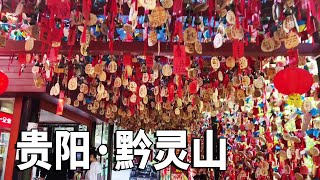
Bonus film - GuiYang walk at night - with Walk East ...
Plus ShanHu Park and GuiZhou Museum ...
|