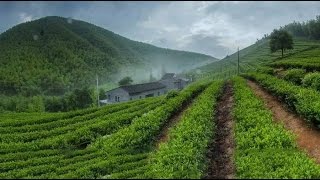
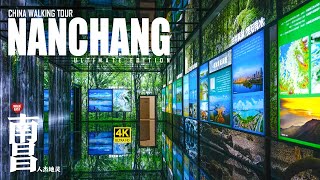
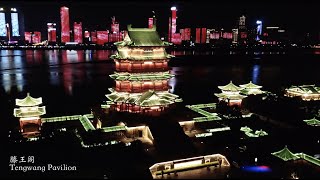
With Fly Over China ...
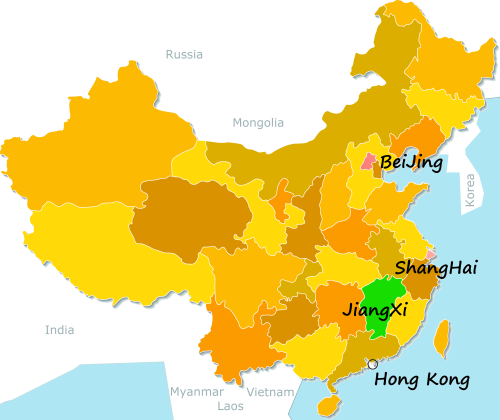
[640],shadow=true,start=,stop=JiangXi map
Live more ...
 NanChang, provincial capital city, JiangXi
With Fly Over China ...
[640],shadow=true,start=,stop=

|
11 / 11 - 'Singles' Day'.
Maybe being an inseparable 11 is the better way compared to 11 ? 2 (1). Maybe that other 1 is art, or all humanity. Whatever it is for you - live more ...
Four great romantic short stories from SiChuan province, in south west China ...
If you can, please help us out with a donation (see the top of the sidebar on the right)
|
|
|
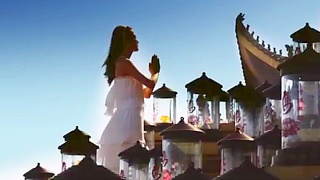
Home alone some evening, in a thunderstorm ? Or,,, let's go there ...
The roads are so muddy,
No need to go about.
Come rest with me, my love;
Let's blow the candles out.
In the morning, we shall fly once more;
Explore a distant shore.
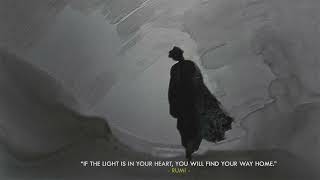
By understanding oneself, one can better connect with the world ...
Bonus film ...
Each night, the stars shine ... why not dance ?
|

|
Eating an unprocessed food diet to heal from the inside.
With Eric Berg ...
|
|
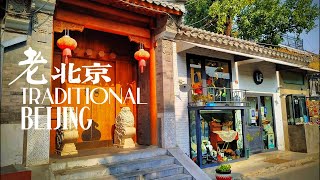
With Seiu Travel ...
|

|
With 九月 江尋千 ...
|
|
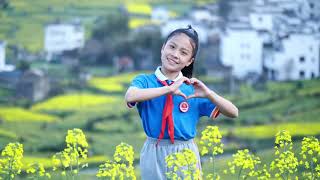
With JiangXi China ...
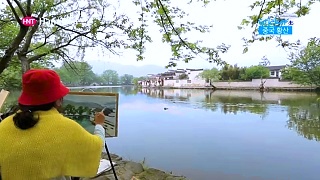
WuYuan Ancient Town, located in JiangXi province, is a place of historical and cultural significance, known for its well-preserved architecture and picturesque scenery. The town is often referred to as a "living museum" of ancient Chinese culture, offering a glimpse into the country's rich historical past.
Historical Significance
Wuyuan Ancient Town has a history that dates back over a thousand years. It flourished during the Tang (618-907) and Song (960-1279) dynasties and continued to thrive through the Ming (1368-1644) and Qing (1644-1912) dynasties. The town's strategic location and prosperous agricultural economy contributed to its development as a cultural and commercial hub.
Architecture
The architecture of Wuyuan Ancient Town is a highlight, featuring traditional Chinese structures such as ancestral halls, temples, and residential buildings. These structures are characterized by their intricate woodwork, stone carvings, and tile-roofed houses. The well-preserved buildings reflect the elegance and craftsmanship of ancient Chinese architectural styles.
Natural Beauty
Wuyuan is also renowned for its stunning natural landscapes. The town is surrounded by lush mountains, winding rivers, and terraced fields, creating a picturesque setting that changes with the seasons. In spring, the blooming canola flowers turn the fields into a sea of yellow, attracting photographers and nature enthusiasts from all over the country.
Culture and Traditions
Wuyuan Ancient Town is rich in cultural heritage and traditions. The local customs, festivals, and folk arts are well-preserved, offering visitors a chance to experience traditional Chinese culture firsthand. The town hosts various cultural events, including lantern festivals, dragon boat races, and traditional opera performances.
Notable Sites
Some of the notable sites in Wuyuan Ancient Town include:
Likeng Village: Known for its beautiful ancient buildings and tranquil environment, Likeng Village offers a glimpse into traditional rural life in China.
Rainbow Bridge: A historic covered bridge that is one of the most iconic landmarks in Wuyuan, featuring unique wooden architecture.
Xiaoqi Village: Famous for its ancient merchant houses and well-preserved cultural relics.
Jiangwan Village: A historic village with a rich cultural heritage and traditional architecture.
Tourism and Accessibility
Wuyuan Ancient Town has become a popular tourist destination, attracting visitors with its historical charm and natural beauty. The town is easily accessible from major cities in Guangxi and neighboring provinces. Efforts have been made to preserve the town's cultural heritage while developing infrastructure to accommodate tourists.
|
|
Flashback Thursday. 2011.
With youkiame ...
|

|
|