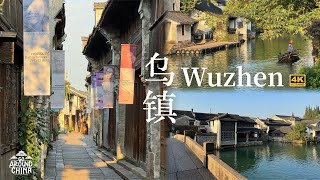
Two days in historical WuZhen water town, ZheJiang province
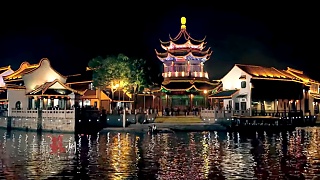
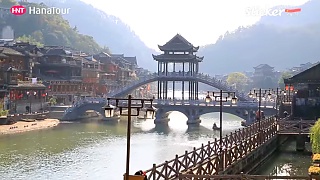
WuZhen 乌镇, a 1,300 years old water town on the lower reaches of the YangTze River, is a national 5A scenic area and one of China's top ten historical & cultural places.

With the crystal ...

[640],shadow=true,start=,stop=

Wuzhen is a charming water town located in the northern part of Zhejiang Province, China. It's renowned for its well-preserved historic architecture, tranquil canals, and traditional way of life. Here's what you need to know as a tourist visiting Wuzhen:

Historical and Cultural Attractions:
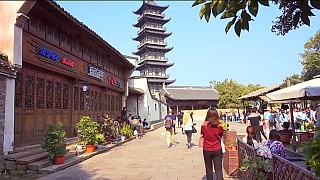
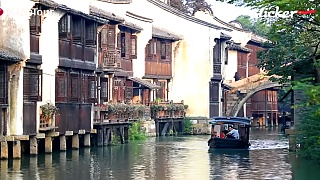
Ancient Alleyways and Bridges: Explore Wuzhen's picturesque alleyways, lined with traditional whitewashed buildings, wooden houses, and stone bridges. The town is divided into East and West sections, each with its own distinct character.

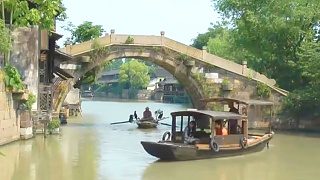
Bridges: Wuzhen is famous for its numerous bridges, each with its own unique architectural style and historical significance. The most iconic bridge is the Double Bridges (Shuangqiao), which consists of two stone bridges running parallel to each other.

Traditional Architecture and Cultural Sites:
Old Houses: Explore traditional Huizhou-style houses with whitewashed walls, gray-tiled roofs, and intricately carved wooden door frames. Many of these houses have been converted into museums, galleries, and guesthouses.

Museums: Visit cultural institutions like the Wuzhen Museum and the Folk Customs Museum to learn about the town's history, customs, and folk traditions.

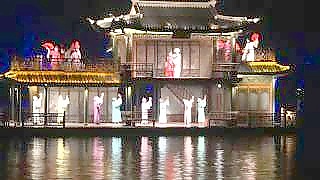
Shadow Puppetry: Wuzhen is known for its traditional shadow puppetry performances, which showcase intricate puppets made of leather and silk.

Canal Cruises and Water Activities:
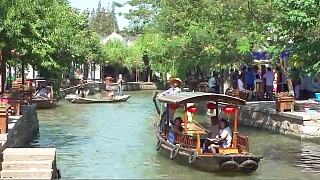
Canal Cruises: Take a leisurely boat ride along the town's scenic waterways to admire the ancient architecture and tranquil landscapes from a different perspective.

Water Activities: Explore the town's water-based activities, such as fishing, bamboo rafting, and traditional boat races.

Local Cuisine and Snacks:
Wuzhen Snacks: Sample local specialties such as Wuzhen rice wine, glutinous rice cakes, fried dough twists, and sesame seed candy.

Tea Houses and Cafes: Relax in one of the town's traditional tea houses or modern cafes, where you can enjoy a cup of freshly brewed tea or coffee while soaking in the atmosphere.

Practical Tips:
Transportation: Wuzhen is easily accessible by bus or car from nearby cities like Hangzhou and Shanghai. Within the town, walking and cycling are the best ways to explore its narrow alleyways and pedestrian-friendly streets.

Accommodation: Consider staying overnight in one of Wuzhen's traditional guesthouses or boutique hotels for a truly immersive experience.

Weather: Wuzhen experiences a subtropical climate with hot, humid summers and mild, dry winters. The best times to visit are spring (March to May) and autumn (September to November) when the weather is pleasant and the town is less crowded.

Ticketing: Admission tickets are required to enter the East and West Scenic Areas of Wuzhen. You can purchase tickets at the entrance gates or online in advance for added convenience.

Wuzhen offers a peaceful retreat from the hustle and bustle of modern life, allowing visitors to step back in time and experience the charm of traditional Chinese water towns. Whether you're interested in history, culture, or simply seeking a serene getaway, Wuzhen has something to offer every type of tourist.

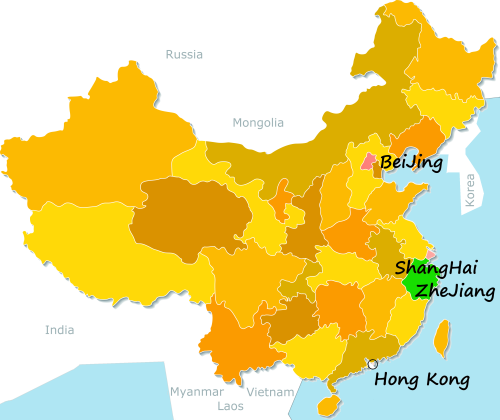
ZheJiang map

Related Videos


Featured Videos

ShangHai VanKe Mall
Aerial view of the beautiful LaoJunShan Mountain 老君山
Near LuoYang, provincial capital of HeNan, central China. There is a LaoZi Cultural Park near the foot of the mountain and a cable car is available to reach the top. The ancient sage LaoZi (in modern PinYin though one will still also see Lao-Tse or Lao-Tzu) who started Daoism (Taoism) and authored the Dao De Jing (Tao Te Ching), is said to have gained inspiration here around 550 BC. The Dao (道) which roughly translates as 'the way', in the sense of how things are, is a concept that existed in Chinese thought many centuries before LaoZi, but it was LaoZi who developed the concept considerably. Wu Wei (無爲), literally "non-action" or "not acting", is a central concept of the DaoDeJing. The concept of wu wei is multi-faceted, and reflected in the words' multiple meanings, even in English translation; it can mean "not doing anything", "not forcing", "not acting" in the theatrical sense, "creating nothingness", "acting spontaneously", and "flowing with the moment / 'here and now'". It is a concept used to explain ZiRan (自然), or harmony with the Dao. LaoZi used the term broadly with simplicity and humility as key virtues, often in contrast to selfish action. On a political level, it means avoiding such circumstances as war, harsh laws and heavy taxes. The 'ruler' can also refer to the 'self'. There is an overlap here with the Buddha's teachings that suffering stems from attachments and desires, ultimately to the notion of a separate self. In Chinese philosophy, Yin and Yang (陰陽 YīnYáng, "dark—light") describes how opposite or contrary forces are actually complementary, interconnected, and interdependent in the natural world, and how they give rise to each other as they interrelate to one another. While duality is found in many belief systems, Yin and Yang are parts of a Oneness that is also equated with the Dao. Yin and yang can be thought of as complementary (rather than opposing) forces that interact to form a dynamic system in which the whole is greater than the assembled parts; it is a holistic view. Everything has both yin and yang aspects, though either of the two major aspects may manifest more strongly in a particular object, depending on the criterion of the observation. Yin and Yang is a balance between two seeming opposites with a portion of the opposite element in each. Some of LaoZi's famous sayings include: "When goodness is lost, it is replaced by morality." "Without Darkness, there can be no Light." "The usefulness of a pot comes from its emptiness." "The best people are like water, which benefits all things and does not compete with them. It stays in lowly places that others reject. This is why it is so similar to the Way." "When people see some things as beautiful, other things become ugly. When people see some things as good, other things become bad." "Try to change it and you will ruin it. Try to hold it and you will lose it." "Those who know do not say. Those who say do not know." "When you realize there is nothing lacking, the whole world belongs to you." "Nature does not hurry, yet everything is accomplished." "A good traveler has no fixed plans, and is not intent on arriving." "Music in the soul can be heard by the universe." "A journey of a thousand miles starts under one's feet." "The more that laws and regulations are given prominence, the more thieves there will be." Alan Watts - 'The Daoist Way' ...
QingDao city drive, ShanDong province
With Chinese Street View ...
BeiJing 北京 and ShangHai 上海 – winter trip
China in the snow; all in just 3 minutes ... Bonus film ...
20 places to visit in and around NanJing, JiangSu province
Places to visit in and around NanJing Dr. Sun Yat-sen's Mausoleum (中山陵) - Zhōngshān Líng Description: Dr. Sun Yat-sen's Mausoleum is a memorial site dedicated to the founding father of the Republic of China, located at the foot of Purple Mountain. Visitors can climb the grand staircase to reach the mausoleum, explore the surrounding parkland, and pay homage to Dr. Sun Yat-sen at his final resting place. Confucius Temple (夫子庙) - Fūzǐ Miào Description: Confucius Temple is a historic complex dedicated to the ancient Chinese philosopher Confucius. The temple features traditional architecture, tranquil courtyards, and cultural relics, as well as bustling markets, teahouses, and street performances. Visitors can experience the vibrant atmosphere and pay tribute to Confucius' teachings and legacy. Nanjing City Wall (南京城墙) - Nánjīng Chéngqiáng Description: Nanjing City Wall is one of the best-preserved ancient city walls in China, dating back over 600 years. Visitors can walk or cycle along the wall's ramparts, gates, and watchtowers, enjoying panoramic views of the cityscape and surrounding scenery. The wall offers insights into Nanjing's rich history and architectural heritage. Xuanwu Lake (玄武湖) - Xuánwǔ Hú Description: Xuanwu Lake is a scenic freshwater lake located in the heart of Nanjing, surrounded by parks, gardens, and historic landmarks. Visitors can take leisurely boat cruises, stroll along lakeside promenades, and enjoy recreational activities such as cycling, picnicking, and birdwatching amidst serene natural surroundings. Jiming Temple (鸡鸣寺) - Jīmíng Sì Description: Jiming Temple is a renowned Buddhist temple perched on the slopes of Purple Mountain, offering panoramic views of Nanjing. The temple complex features ancient pagodas, halls, and gardens, as well as cultural relics and religious artifacts. Visitors can explore the tranquil grounds, attend Buddhist ceremonies, and admire the temple's architectural beauty. Nanjing Museum (南京博物院) - Nánjīng Bówùyuàn Description: Nanjing Museum is one of China's largest and most comprehensive museums, showcasing the history, art, and culture of Nanjing and the Jiangsu province. The museum's extensive collections include archaeological artifacts, fine art, ceramics, and cultural relics, as well as interactive exhibits, educational programs, and temporary exhibitions. Presidential Palace (总统府) - Zǒngtǒng Fǔ Description: Presidential Palace is a historic complex serving as the former official residence of Chinese presidents. The palace features traditional Chinese architecture, landscaped gardens, and historical exhibitions, offering insights into China's modern history and political developments. Visitors can explore the ornate halls, courtyards, and memorial halls, as well as attend cultural events and performances. Nanjing Yangtze River Bridge (南京长江大桥) - Nánjīng Chángjiāng Dàqiáo Description: Nanjing Yangtze River Bridge is a landmark bridge spanning the Yangtze River, connecting the districts of Pukou and Xiaguan. The bridge offers panoramic views of the river, city skyline, and surrounding landscapes, as well as opportunities for sightseeing, photography, and enjoying the scenic riverfront. Porcelain Tower of Nanjing (南京瓷塔) - Nánjīng Cítǎ Description: Porcelain Tower of Nanjing is a historic pagoda renowned for its exquisite architecture and ornate porcelain decorations. Originally built in the 15th century, the pagoda was reconstructed in the 21st century and now serves as a cultural landmark and museum. Visitors can admire the pagoda's intricate design, learn about its history, and enjoy panoramic views from the top. Ming Xiaoling Mausoleum (明孝陵) - Míng Xiàolíng Description: Ming Xiaoling Mausoleum is the final resting place of Emperor Zhu Yuanzhang, the founder of the Ming Dynasty, and his empress. Located at the foot of Purple Mountain, the mausoleum complex features grand gateways, sacred pathways, and ancient stone sculptures, as well as serene forested surroundings ideal for contemplation and reflection. Nanjing Drum Tower (南京鼓楼) - Nánjīng Gǔlóu Description: Nanjing Drum Tower is a historic landmark dating back to the Ming Dynasty, located in the heart of Nanjing's city center. The tower once served as a military command post and timekeeping facility, and today houses a museum showcasing Nanjing's cultural heritage. Visitors can climb to the top for panoramic views of the city and learn about the tower's history and significance. Xiaoling Tomb of the Ming Dynasty (明孝陵) - Míng Xiàolíng Description: Xiaoling Tomb is the burial site of Emperor Zhu Yuanzhang, the founding emperor of the Ming Dynasty, and his empress. Located at the foot of Purple Mountain, the tomb complex encompasses grand gateways, pathways, and scenic gardens, as well as historical artifacts and sculptures. Visitors can explore the serene surroundings, pay respects to the Ming Dynasty's founder, and learn about imperial burial customs. Nanjing Museum of Paleontology (南京古生物博物馆) - Nánjīng Gǔshēngwù Bówùguǎn Description: Nanjing Museum of Paleontology is dedicated to the study and exhibition of fossils and prehistoric artifacts. The museum's collections include dinosaur fossils, ancient plants, and geological specimens, as well as interactive exhibits and educational programs exploring Earth's natural history and evolution. Nanjing Presidential Palace (南京总统府) - Nánjīng Zǒngtǒng Fǔ Description: Nanjing Presidential Palace is a historic complex serving as the former official residence of Chinese presidents. The palace features traditional Chinese architecture, landscaped gardens, and historical exhibitions, offering insights into China's modern history and political developments. Visitors can explore the ornate halls, courtyards, and memorial halls, as well as attend cultural events and exhibitions. Jiming Temple Scenic Area (鸡鸣寺风景名胜区) - Jīmíng Sì Fēngjǐng Míngshèng Qū Description: Jiming Temple Scenic Area encompasses the historic Jiming Temple complex, as well as surrounding parks, gardens, and cultural landmarks. Visitors can explore ancient temples, pagodas, and stone inscriptions, as well as enjoy scenic walks, cultural performances, and panoramic views of Nanjing's skyline. Mochou Lake Park (莫愁湖公园) - Mòchóu Hú Gōngyuán Description: Mochou Lake Park is a scenic parkland surrounding Mochou Lake, offering a tranquil retreat amidst Nanjing's urban landscape. Visitors can stroll along lakeside promenades, admire seasonal flowers and gardens, and enjoy recreational activities such as boating, fishing, and picnicking. The park also features cultural attractions, pavilions, and historic sites. Nanjing Drum Tower (南京鼓楼) - Nánjīng Gǔlóu Description: Nanjing Drum Tower is a historic landmark located in the heart of Nanjing's city center, dating back to the Ming Dynasty. The tower once served as a military command post and timekeeping facility, and today houses a museum showcasing Nanjing's cultural heritage. Visitors can climb to the top for panoramic views of the city and learn about the tower's history and significance. Porcelain Tower Site Park (瓷塔遗址公园) - Cítǎ Yízhǐ Gōngyuán Description: Porcelain Tower Site Park is a historic site commemorating the location of the former Porcelain Tower of Nanjing, a renowned pagoda destroyed during the Qing Dynasty. The park features archaeological remains, cultural exhibits, and reconstructed pagoda foundations, as well as landscaped gardens, sculptures, and panoramic views of Nanjing's skyline. Nanjing Botanical Garden (南京植物园) - Nánjīng Zhíwù Yuán Description: Nanjing Botanical Garden is a vast botanical reserve featuring diverse plant collections, themed gardens, and natural habitats. Visitors can explore walking trails, greenhouses, and scenic viewpoints, as well as participate in educational programs, workshops, and gardening activities. The garden also hosts seasonal flower shows, plant exhibitions, and cultural events throughout the year. Qinhuai River Scenic Area (秦淮风光带) - Qínhuái Fēngguāng Dài Description: Qinhuai River Scenic Area is a historic waterfront district renowned for its cultural heritage, scenic landscapes, and traditional architecture. Visitors can take leisurely boat cruises along the river, explore ancient streets and alleys, and admire historic landmarks such as Confucius Temple, Nanjing City Wall, and Zhonghua Gate. The area also offers opportunities for shopping, dining, and experiencing Nanjing's vibrant nightlife. Nanjing Massacre Memorial Hall (南京大屠杀纪念馆) - Nánjīng Dàtúshā Jìniànguǎn Description: Nanjing Massacre Memorial Hall is a somber memorial dedicated to the victims of the Nanjing Massacre during World War II. The memorial hall features historical exhibits, documentary films, and testimonies from survivors, as well as educational programs and activities promoting peace, reconciliation, and remembrance.
On truth – part 2
Mind control is not only very real; it is everywhere. It is simply controlling what you 'know'. With MagnatesMedia ...
The beautiful PingTan Island, FuJian province
With Walk East ...
50 places to visit in ShenZhen
ShenZhen: 20 Kid-Friendly Places to Visit Window of the World (世界之窗 Shìjiè Zhī Chuāng): Theme park with replicas of famous landmarks from around the world. Happy Valley (欢乐谷 Huānlègǔ): Amusement park with rides, shows, and attractions for all ages. Shenzhen Safari Park (深圳野生动物园 Shēnzhèn Yěshēng Dòngwùyuán): Safari park with a variety of animals, shows, and interactive experiences. Sea World (海上世界 Hǎishàng Shìjiè): Waterfront area with restaurants, shops, and entertainment venues. Shenzhen Children's Palace (深圳市少年宫 Shēnzhèn Shì Shàonián Gōng): Cultural center offering classes, workshops, and performances for children. Fairy Lake Botanical Garden (仙湖植物园 Xiān Hú Zhíwùyuán): Botanical garden with plant collections, walking trails, and scenic landscapes. Shenzhen Splendid China Folk Village (深圳锦绣中华民俗村 Shēnzhèn Jǐnxiù Zhōnghuá Mínsú Cūn): Theme park with exhibits on Chinese culture, history, and traditions. Shenzhen Mangrove Nature Reserve (深圳红树林自然保护区 Shēnzhèn Hóngshùlín Zìrán Bǎohù Qū): Nature reserve with mangrove forests, boardwalks, and birdwatching. Dameisha Beach (大梅沙海滨公园 Dà Méishā Hǎibīn Gōngyuán): Beach park with sandy shores, water sports, and seaside attractions. Xiaomeisha Beach (小梅沙海滨公园 Xiǎo Méishā Hǎibīn Gōngyuán): Beach park with swimming areas, water slides, and recreational facilities. Shenzhen Lianhuashan Park (深圳莲花山公园 Shēnzhèn Liánhuā Shān Gōngyuán): Park with gardens, temples, and scenic views of the city. Shenzhen Children's Library (深圳市少年儿童图书馆 Shēnzhèn Shì Shàonián Értóng Túshūguǎn): Library with children's books, storytelling sessions, and educational activities. Shenzhen Science Museum (深圳科技馆 Shēnzhèn Kējìguǎn): Museum with interactive exhibits, experiments, and demonstrations on science and technology. Shenzhen Happy Harbor (深圳欢乐港湾 Shēnzhèn Huānlè Gǎngwān): Waterfront area with shops, restaurants, and entertainment options for families. Shenzhen Museum (深圳博物馆 Shēnzhèn Bówùguǎn): Museum with exhibits on Shenzhen's history, culture, and development. Shenzhen International Garden and Flower Expo Park (深圳国际园林花卉博览园 Shēnzhèn Guójì Yuánlín Huāhuì Bólǎn Yuán): Park with botanical gardens, flower displays, and cultural events. Shenzhen Poly Theatre (深圳保利剧院 Shēnzhèn Bǎolì Jùyuàn): Performing arts venue with theater productions, concerts, and shows suitable for families. Shenzhen OCT Harbour (深圳华侨城欢乐港湾 Shēnzhèn Huáqiáochéng Huānlè Gǎngwān): Waterfront area with shopping, dining, and entertainment options overlooking the bay. Shenzhen Guanlan Printmaking Base (深圳观澜版画基地 Shēnzhèn Guānlán Bǎnhuà Jīdì): Art village with printmaking studios, galleries, and workshops. Shenzhen Fairy Lake Botanical Garden (深圳仙湖植物园 Shēnzhèn Xiān Hú Zhíwùyuán): Botanical garden with plant collections, walking trails, and scenic landscapes. ShenZhen: 30 More Places to Visit Shenzhen Window of the World (深圳世界之窗 Shēnzhèn Shìjiè Zhī Chuāng): Theme park with replicas of famous landmarks from around the world. Shenzhen Happy Valley (深圳欢乐谷 Shēnzhèn Huānlègǔ): Amusement park with rides, shows, and attractions for all ages. Shenzhen Safari Park (深圳野生动物园 Shēnzhèn Yěshēng Dòngwùyuán): Safari park with a variety of animals, shows, and interactive experiences. Shenzhen Sea World (深圳海上世界 Shēnzhèn Hǎishàng Shìjiè): Waterfront area with restaurants, shops, and entertainment venues. Shenzhen Children's Palace (深圳市少年宫 Shēnzhèn Shì Shàonián Gōng): Cultural center offering classes, workshops, and performances for children. Shenzhen Fairy Lake Botanical Garden (深圳仙湖植物园 Shēnzhèn Xiān Hú Zhíwùyuán): Botanical garden with plant collections, walking trails, and scenic landscapes. Shenzhen Splendid China Folk Village (深圳锦绣中华民俗村 Shēnzhèn Jǐnxiù Zhōnghuá Mínsú Cūn): Theme park with exhibits on Chinese culture, history, and traditions. Shenzhen Mangrove Nature Reserve (深圳红树林自然保护区 Shēnzhèn Hóngshùlín Zìrán Bǎohù Qū): Nature reserve with mangrove forests, boardwalks, and birdwatching. Shenzhen Dameisha Beach (深圳大梅沙海滨公园 Shēnzhèn Dà Méishā Hǎibīn Gōngyuán): Beach park with sandy shores, water sports, and seaside attractions. Shenzhen Xiaomeisha Beach (深圳小梅沙海滨公园 Shēnzhèn Xiǎo Méishā Hǎibīn Gōngyuán): Beach park with swimming areas, water slides, and recreational facilities. Shenzhen Lianhuashan Park (深圳莲花山公园 Shēnzhèn Liánhuā Shān Gōngyuán): Park with gardens, temples, and scenic views of the city. Shenzhen Children's Library (深圳市少年儿童图书馆 Shēnzhèn Shì Shàonián Értóng Túshūguǎn): Library with children's books, storytelling sessions, and educational activities. Shenzhen Science Museum (深圳科技馆 Shēnzhèn Kējìguǎn): Museum with interactive exhibits, experiments, and demonstrations on science and technology. Shenzhen Happy Harbor (深圳欢乐港湾 Shēnzhèn Huānlè Gǎngwān): Waterfront area with shops, restaurants, and entertainment options for families. Shenzhen Museum (深圳博物馆 Shēnzhèn Bówùguǎn): Museum with exhibits on Shenzhen's history, culture, and development. Shenzhen International Garden and Flower Expo Park (深圳国际园林花卉博览园 Shēnzhèn Guójì Yuánlín Huāhuì Bólǎn Yuán): Park with botanical gardens, flower displays, and cultural events. Shenzhen Poly Theatre (深圳保利剧院 Shēnzhèn Bǎolì Jùyuàn): Performing arts venue with theater productions, concerts, and shows suitable for families. Shenzhen OCT Harbour (深圳华侨城欢乐港湾 Shēnzhèn Huáqiáochéng Huānlè Gǎngwān): Waterfront area with shopping, dining, and entertainment options overlooking the bay. Shenzhen Guanlan Printmaking Base (深圳观澜版画基地 Shēnzhèn Guānlán Bǎnhuà Jīdì): Art village with printmaking studios, galleries, and workshops. Shenzhen Fairy Lake Botanical Garden (深圳仙湖植物园 Shēnzhèn Xiān Hú Zhíwùyuán): Botanical garden with plant collections, walking trails, and scenic landscapes. Shenzhen Window of the World (深圳世界之窗 Shēnzhèn Shìjiè Zhī Chuāng): Theme park with replicas of famous landmarks from around the world. Shenzhen Happy Valley (深圳欢乐谷 Shēnzhèn Huānlègǔ): Amusement park with rides, shows, and attractions for all ages. Shenzhen Safari Park (深圳野生动物园 Shēnzhèn Yěshēng Dòngwùyuán): Safari park with a variety of animals, shows, and interactive experiences. Shenzhen Sea World (深圳海上世界 Shēnzhèn Hǎishàng Shìjiè): Waterfront area with restaurants, shops, and entertainment venues. Shenzhen Children's Palace (深圳市少年宫 Shēnzhèn Shì Shàonián Gōng): Cultural center offering classes, workshops, and performances for children. Shenzhen Fairy Lake Botanical Garden (深圳仙湖植物园 Shēnzhèn Xiān Hú Zhíwùyuán): Botanical garden with plant collections, walking trails, and scenic landscapes. Shenzhen Splendid China Folk Village (深圳锦绣中华民俗村 Shēnzhèn Jǐnxiù Zhōnghuá Mínsú Cūn): Theme park with exhibits on Chinese culture, history, and traditions. Shenzhen Mangrove Nature Reserve (深圳红树林自然保护区 Shēnzhèn Hóngshùlín Zìrán Bǎohù Qū): Nature reserve with mangrove forests, boardwalks, and birdwatching.
Blondie in SanYa, HaiNan province – seafood adventure
With Blondie in China ...

Tag search ?