China’s infrastructure keeps on building

The contrast with the West, that has no ambition and is merely focused on retaining its empires, is stark.

With Lee Barrett in GuangZhou ...

[640],shadow=true,start=,stop=

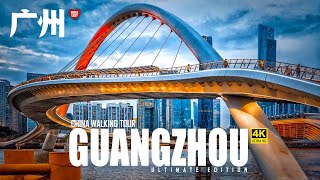
Guangzhou, formerly known as Canton, is a dynamic metropolis located in southern China, serving as the capital of Guangdong Province. As one of China's oldest and largest cities, Guangzhou boasts a rich history, vibrant culture, and modern urban amenities. Here's a guide for tourists visiting Guangzhou:

Historical and Cultural Significance:
Historic Trading Hub: Guangzhou has a long history as a major trading port and commercial center, dating back over 2,000 years. It played a crucial role in the ancient Maritime Silk Road, facilitating trade and cultural exchange between China and other parts of the world.

Cultural Diversity: As a melting pot of cultures, Guangzhou has a diverse population, influenced by various ethnic groups and foreign traders throughout history. This cultural diversity is reflected in the city's cuisine, architecture, and traditions.

Top Attractions:
Canton Tower: As one of the tallest structures in China, the Canton Tower is an iconic landmark and a symbol of Guangzhou's modernity. Visitors can ascend the tower for panoramic views of the cityscape, dine in rotating restaurants, and experience thrilling attractions like the Sky Drop and Bubble Tram.

Yuexiu Park: This expansive park in the heart of Guangzhou is home to several attractions, including the iconic Five-Ram Statue, Zhenhai Tower, and the Guangzhou Museum. Visitors can stroll through lush gardens, admire ancient artifacts, and enjoy recreational activities like boating and tai chi.

Chen Clan Academy: Built during the Qing Dynasty, the Chen Clan Ancestral Hall (also known as the Chen Clan Academy) is a masterpiece of Lingnan architecture. It houses a vast collection of traditional art, wood carvings, and ancestral tablets, offering insights into the region's cultural heritage.

Shamian Island: Located along the Pearl River, Shamian Island is a tranquil oasis with tree-lined streets, colonial-era buildings, and charming cafes. Visitors can wander through the island's historic neighborhoods, admire European-style architecture, and relax by the waterfront.

Guangzhou Opera House: Designed by renowned architect Zaha Hadid, the Guangzhou Opera House is a striking architectural masterpiece that hosts world-class performances and cultural events. Visitors can attend opera, ballet, concerts, and other artistic performances in a stunning modern setting.

Culinary Delights:
Cantonese Cuisine: Guangzhou is famous for its delicious Cantonese cuisine, characterized by fresh seafood, dim sum, roast meats, and flavorful stir-fries. Visitors can sample authentic dishes at local restaurants, street food stalls, and traditional teahouses throughout the city.

Qingping Market: Explore Qingping Market, one of Guangzhou's oldest and largest markets, to experience the vibrant atmosphere and diverse array of local specialties. From exotic fruits and spices to live seafood and herbal remedies, the market offers a sensory feast for visitors.

Practical Tips:
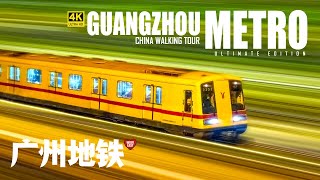
Transportation: Getting around Guangzhou is convenient with its extensive public transportation system, including buses, taxis, and the Guangzhou Metro. The city's efficient transportation network makes it easy to navigate between attractions and neighborhoods.

Language: Mandarin Chinese is the official language spoken in Guangzhou, although Cantonese is also widely spoken by locals. English may not be widely understood, especially in more remote areas, so it's helpful to carry a phrasebook or translation app.

Weather: Guangzhou has a subtropical climate with hot, humid summers and mild winters. The best time to visit is during the cooler months from October to March when the weather is more comfortable for outdoor activities.

Currency: The currency used in China is the Chinese Yuan (CNY). Credit cards are widely accepted at hotels, restaurants, and shops in urban areas, but it's advisable to carry cash for small purchases and transactions.

Guangzhou offers a fascinating blend of ancient history, modernity, and cultural diversity, making it an enchanting destination for tourists seeking to explore the treasures of southern China. Whether marveling at iconic landmarks, savoring Cantonese cuisine, or immersing oneself in the city's vibrant culture, Guangzhou has something to offer for every traveler.
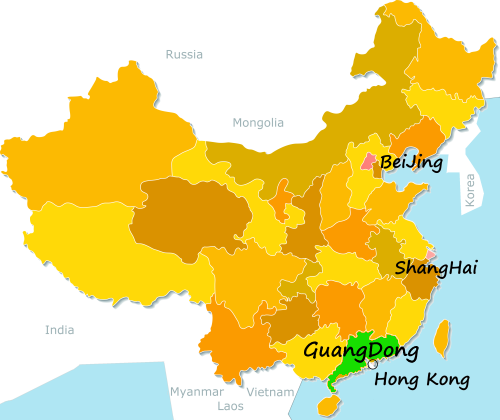

GuangDong map

Related Videos


Featured Videos

A walk around DaLi ancient town, YunNan province
With DuckTravel ...
Something different – Downstream : Sina-Drums (music)
An extended chill-out instrumental piece with elements of jazz, classical and prog-rock. Written by Uwe Müller. A very talented teen musician ...
The Grand Tang Dynasty Mall, Xi’An, ShaanXi province
With Andy see the World ...
Get ready for the BeiJing 2022 Winter Olympics
The beautiful handover section of the 2018 Winter Olympics in Korea ... New working video (10th March).
This is GuangZhou 广州
The capital of GuangDong province is located on the Pearl River and known as the City of Flowers. The city lies 120 kilometers north west of Hong Kong.
Adventures in Hong Kong 香港
Yang Cheng Hu highway services stopover
With Wei's Travel. Fuel, food and much more - motorway services, China style ...
The life and legacy of Zhou EnLai – an interview with professor Ken Hammond
5th March 2023. To mark the 125th anniversary of the birth of Zhou EnLai - one of the top leaders of the Chinese Revolution, and Premier of People's China from 1949 until his death in 1976 - we conducted an extensive interview with Professor Ken Hammond about Zhou's life and legacy. The interview covers Zhou EnLai's formation as a revolutionary; his role in the early years of the Chinese Revolution in the 1920s; his working relationship with Mao Zedong; his contribution to Marxist understanding of socialist foreign policy; his role in establishing links of solidarity between China and Africa; his role in the negotiations with Henry Kissinger and Richard Nixon that brought about the start of a rapprochement between the US and China; his experiences in the Cultural Revolution; and his lasting legacy, both in China and globally. Ken Hammond is a professor of East Asian and Global History at New Mexico State University, founding director of the Confucius Institute at New Mexico State University, and an activist with Pivot to Peace. He’s also a member of the Friends of Socialist China advisory group, and is working on a biography of Zhou EnLai. He is interviewed by our co-editor Carlos Martinez.
How to use AliPay mobile payments for longer visits
It is still possible to get by with cash from ATMs, but for longer visits it can be a good idea to set up AliPay (or WeChat). Getting started with Alipay involves creating an account and setting up your payment methods. Here is a step-by-step guide: ### Setting Up Alipay: 1. **Download the Alipay App:** - Go to your device's app store (Google Play Store for Android or Apple App Store for iOS). - Search for "Alipay" and download the official app developed by Ant Group. 2. **Install and Open the App:** - Install the Alipay app on your device. - Open the app once the installation is complete. 3. **Language Selection:** - Choose your preferred language for the app. 4. **Create an Account:** - Tap on "Sign Up" or "Register." - Choose your country or region and enter your mobile phone number. - Create a strong password for your Alipay account. 5. **Verify Your Identity:** - Alipay may require you to verify your identity. This could involve receiving a verification code via SMS. 6. **Add a Payment Method:** - Link your bank card or credit card to your Alipay account. - Go to "Me" (bottom right corner) > "Wallet" > "Add Card." 7. **Add Funds to Your Alipay Account:** - You may need to add funds to your Alipay account. You can link your bank account for direct transfers or use a linked card for payments. 8. **Set Up Security Features:** - Enable security features such as fingerprint or facial recognition to enhance account security. - Set a payment password for additional security. ### Using Alipay: 1. **Making Payments:** - To make a payment, tap on "Scan" and scan the QR code of the recipient. - Enter the amount and add a note if necessary. - Confirm the payment with your password or biometric authentication. 2. **Receiving Payments:** - To receive money, the payer can scan your Alipay QR code. - Confirm the payment on your Alipay app. 3. **Exploring Additional Features:** - Alipay offers various features beyond payments, such as bill payments, transportation services, and investments. Explore the app to discover these options. 4. **Managing Your Account:** - Regularly check your transaction history and account settings. - Customize your profile and settings under the "Me" section. 5. **Security Tips:** - Be cautious of phishing attempts. Always use the official app and avoid clicking on suspicious links. - Regularly update your password and enable two-factor authentication for added security. Remember that Alipay's features and interface may evolve, so it's a good idea to check for updates within the app or refer to Alipay's official website for the latest information.

Tag search ?