China 中国 trips, 2016

[640],shadow=true,start=,stop=
[320],shadow=true,start=5,stop= [320],shadow=true,start=,stop= [320],shadow=true,start=,stop= [320],shadow=true,start=,stop= [320],shadow=true,start=,stop= [320],shadow=true,start=,stop=

Related Videos


Featured Videos

The extraordinarily beautiful ShiLin 石林 Stone Forest Geological Park
石林, ShiLin County, YunNan, south China. This area, covering around 500 square kilometers in all, lies about 90 km east of the provincial capital KunMing and is comprised of seven scenic areas featuring amazing limestone karst rock formations. The Stone Forest began around 270 million years ago as a shallow sea. Extensive deposits of sandstone overlaid by limestone accumulated during the Permian period. Subsequent uplift of this region followed by exposure to wind and rain shaped the landscape we see today. Filmed in Ultra HD (4K).
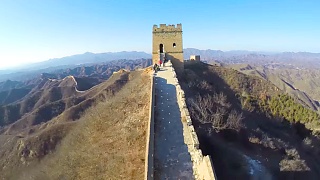
Beautiful GuBei water town and the adjacent dramatic SiMaTai Great Wall of China, BeiJing
With LaLaLaLauran ... GuBei Water Town Travel Guide Introduction GuBei Water Town, located at the foot of the Simatai Great Wall in Miyun County, Beijing, is a picturesque water town that combines natural beauty with rich cultural heritage. Modeled after the ancient towns in Jiangnan (the region south of the Yangtze River), GuBei Water Town features traditional architecture, serene waterways, and stunning views of the Great Wall. This guide will help you explore the enchanting GuBei Water Town, including must-see attractions, activities, and practical travel information. Must-See Attractions Simatai Great Wall (司马台长城) One of the main highlights of GuBei Water Town is its proximity to the Simatai Great Wall, known for its steep slopes and well-preserved watchtowers. Visitors can take a cable car or hike to the wall, offering breathtaking views and a sense of historical significance. Water Town Night Tour (夜游水镇) Experience the magic of GuBei Water Town at night, when the entire town is illuminated with colorful lights reflecting off the waterways. The night tour provides a unique perspective of the town's beauty and a tranquil atmosphere for a relaxing evening stroll. Wangjing Tower (望京楼) Wangjing Tower, also known as the Watching Beijing Tower, offers panoramic views of the town and the surrounding mountains. It is a perfect spot for photography and enjoying the natural scenery. Folk Culture Museum (民俗文化馆) The Folk Culture Museum showcases the traditional customs, clothing, and handicrafts of the local people. It provides an educational insight into the cultural heritage of the region. Yang Wudi Temple (杨无敌庙) Dedicated to the legendary General Yang Yanzhao, the Yang Wudi Temple is a historic site that offers a glimpse into the town's religious and military history. The temple is beautifully preserved and adds to the cultural richness of GuBei Water Town. Activities and Experiences Boat Rides: Take a boat ride along the picturesque canals of GuBei Water Town. This is a relaxing way to see the town from a different perspective and enjoy the peaceful waterways. Traditional Performances: Enjoy traditional Chinese performances, including folk music, dance, and opera. These performances are often held in the town's public squares and add to the cultural ambiance. Local Cuisine: Sample local delicacies at the various restaurants and street food vendors throughout the town. Popular dishes include roast duck, handmade noodles, and various snacks. Hot Springs: Relax and unwind at the nearby hot springs, which offer a soothing retreat after a day of exploring. The hot springs are renowned for their therapeutic properties and scenic surroundings. Shopping: Browse the town's shops for traditional handicrafts, souvenirs, and local products. The shops offer a wide range of items, from silk garments to handmade pottery. Practical Travel Information Getting There: GuBei Water Town is accessible by bus, car, or private tour from Beijing. The journey takes approximately 2-3 hours by car. Buses are available from Beijing's Dongzhimen Bus Station. Entrance Fee: The entrance fee for GuBei Water Town varies depending on the season and whether you are visiting during the day or night. Check the official website or contact local tourism offices for up-to-date pricing. Opening Hours: GuBei Water Town is open from 8:00 AM to 9:00 PM. Night tours are available from 5:00 PM to 10:00 PM, offering a unique evening experience. Accommodation: There are several accommodation options within GuBei Water Town, ranging from traditional guesthouses to luxury hotels. Staying overnight allows visitors to fully immerse themselves in the town's atmosphere and enjoy the night tour. Health and Safety: Ensure you are in good health before exploring the town, especially if you plan to hike the Simatai Great Wall. Stay hydrated, wear comfortable shoes, and follow local safety guidelines. Local Services: Facilities such as restrooms, restaurants, and shops are available throughout the town. Most areas are well-equipped to cater to tourists' needs, but it's always a good idea to carry basic necessities. Conclusion GuBei Water Town offers a unique blend of natural beauty, cultural heritage, and modern amenities, making it an ideal destination for travelers looking to experience the charm of ancient China. Use this guide to plan your visit and explore the enchanting waterways, traditional architecture, and stunning views of the Simatai Great Wall. Whether you're a history enthusiast, a culture lover, or simply looking for a picturesque retreat, GuBei Water Town promises an unforgettable experience. SiMaTai Great Wall Travel Guide Introduction The SiMaTai section of the Great Wall of China is renowned for its unique architectural features and breathtaking scenery. Located in the Miyun County of Beijing, approximately 120 kilometers northeast of downtown Beijing, this section is known for its steep gradients and well-preserved structures. SiMaTai offers an adventurous and less commercialized experience, making it a favorite among hikers and history enthusiasts. This guide will help you explore the SiMaTai section, including must-see highlights, hiking tips, and practical travel information. Must-See Highlights Sky Bridge (天桥) The Sky Bridge is a narrow, steep section of the Great Wall that offers thrilling views and a challenging hike. This part of the wall is only a meter wide and connects two peaks, providing an exhilarating experience for adventurous visitors. Heavenly Ladder (天梯) The Heavenly Ladder is a steep staircase that ascends almost vertically up the mountain. It is one of the most challenging parts of the SiMaTai section, but the effort is rewarded with spectacular views of the surrounding landscape. Fairy Tower (仙女楼) The Fairy Tower is one of the 16 watchtowers on the SiMaTai section. It is unique for its distinctive architectural style and the stunning views it offers. This tower is a popular spot for photography and taking in the panoramic scenery. East and West Towers (东西望楼) The East and West Towers are the two highest points of the SiMaTai section. These towers were crucial for military defense and communication in ancient times. Climbing to the top provides a sense of accomplishment and offers some of the best views of the Great Wall. Hiking Tips Best Time to Visit: The best time to visit SiMaTai is during the spring (April to June) and autumn (September to November) when the weather is mild, and the scenery is at its most beautiful. Hiking Difficulty: The SiMaTai section is known for its steep and rugged terrain. It is suitable for experienced hikers with a good level of fitness. Some parts can be quite challenging. What to Wear: Wear sturdy hiking shoes with good grip, comfortable clothing, and a hat. Bring layers as temperatures can vary. What to Bring: Carry plenty of water, snacks, sunscreen, and a first-aid kit. A camera is also recommended for capturing the stunning views. Hiking Route: A popular route is to start from the SiMaTai West entrance and hike to the JinShanLing section. This takes about 4-5 hours and covers some of the most scenic and challenging parts of the wall. Guided Tours: Consider hiring a local guide or joining a guided tour for a more informative experience. Guides can provide historical context and ensure you stay on the best paths. Practical Travel Information Getting There: SiMaTai is accessible by bus, car, or private tour from Beijing. The journey takes approximately 2-3 hours by car. Buses are available from Beijing's Dongzhimen Bus Station. Entrance Fee: The entrance fee for SiMaTai varies depending on the season and whether you are hiking during the day or night. Check the official website or contact local tourism offices for up-to-date pricing. Opening Hours: SiMaTai is open from 8:00 AM to 5:00 PM for daytime hiking and from 5:30 PM to 10:00 PM for night tours. Night tours offer a unique perspective of the Great Wall under the stars. Accommodation: There are several guesthouses and hotels near SiMaTai for those who wish to stay overnight. The Gubei Water Town resort nearby offers more luxurious accommodations and amenities. Health and Safety: Ensure you are in good health before attempting the hike, as the terrain can be demanding. Stay on designated paths to avoid accidents and respect local regulations and signs. Local Services: Facilities such as restrooms and small shops are available at the entrance and at certain points along the wall. However, it's advisable to bring your own supplies for convenience. Conclusion The SiMaTai section of the Great Wall of China offers a unique and adventurous experience compared to other parts of the wall. Its steep gradients, well-preserved structures, and stunning views make it a must-visit destination for any traveler. Use this guide to plan your visit and enjoy the incredible beauty and historical significance of SiMaTai. Whether you're a history enthusiast, a photography lover, or an avid hiker, SiMaTai promises an unforgettable adventure.
Eat to beat disease – with Dr. William Li
His health and nutrition masterclass ...
For all my friends at FineArtAmerica (FAA)
The world can't hold you down ... Fine Art America Live more ! Full post : Beautiful China trip video films
JiuZhaiGou 九寨沟 and HuangLong 黄龙 scenery, SiChuan province
Clear pools and waterfalls ...
DaoCheng YaDing – ‘The Last Shangri-La’ – SiChuan province
With Travel With Fawn ... Daocheng Yading: The Last Shangri-La Introduction Daocheng Yading, often referred to as "The Last Shangri-La," is located in the southwestern part of Sichuan Province, China. This remote and pristine region is part of the Garzê Tibetan Autonomous Prefecture and is renowned for its stunning natural beauty, including majestic snow-capped mountains, clear alpine lakes, and lush forests. Daocheng Yading is considered one of the most beautiful places in China, attracting travelers seeking untouched landscapes and spiritual solace. Geography and Location Daocheng Yading is located at an altitude of over 4,000 meters (13,123 feet) above sea level. It is part of the Hengduan Mountain Range, where the Tibetan Plateau begins. The area is characterized by its unique geological formations, including towering peaks, deep valleys, and a series of glacial lakes. Its remote location has helped preserve its natural beauty and biodiversity, making it a haven for both nature lovers and wildlife enthusiasts. Historical and Cultural Significance Yading holds a special place in Tibetan Buddhism and is considered a sacred site. The three main peaks of Yading—Chenrezig (Xiannairi), Jampayang (Yangmaiyong), and Chanadorje (Xialuoduoji)—are believed to be manifestations of Bodhisattvas, making them objects of pilgrimage for Tibetan Buddhists. Throughout history, pilgrims have journeyed to Yading to pay their respects, meditate, and seek blessings. The region is also home to several Tibetan communities that have maintained their traditional way of life. Visitors to Daocheng Yading can experience Tibetan culture, including local customs, religious practices, and Tibetan cuisine. The presence of Tibetan monasteries and prayer flags throughout the landscape adds to the spiritual ambiance of Yading. Scenic Highlights Three Sacred Mountains: The iconic peaks of Chenrezig (6,032 meters), Jampayang (5,958 meters), and Chanadorje (5,958 meters) are the main attractions of Yading. These snow-capped mountains are not only visually stunning but also spiritually significant. Chenrezig, the highest peak, is named after Avalokiteshvara, the Bodhisattva of Compassion. Milk Lake (Niunai Lake): A striking turquoise glacial lake located at the base of Jampayang. Milk Lake's vivid color and the surrounding rugged terrain make it a popular destination for hikers and photographers. Five Color Lake (Wuse Lake): Located near Milk Lake, Five Color Lake is famous for its ability to reflect multiple colors due to the minerals in the water and changing light conditions. The lake's surface can display hues of blue, green, yellow, and even purple, depending on the time of day and weather. Luorong Pasture: A high-altitude meadow that offers spectacular views of the three sacred mountains. This pasture is a serene spot for visitors to rest and take in the natural beauty, with yaks grazing amidst the backdrop of towering peaks. Chonggu Monastery: An ancient Tibetan Buddhist monastery located at the entrance of Yading Nature Reserve. The monastery provides insights into Tibetan religious practices and serves as a spiritual gateway to the sacred mountains. Trekking and Hiking Routes Daocheng Yading is a paradise for trekkers and adventure enthusiasts. Several well-marked trails offer varying levels of difficulty, catering to both casual hikers and experienced trekkers. The most popular trekking route is the Yading Outer Kora, a challenging multi-day trek that circles the three sacred mountains. This trek provides a comprehensive experience of Yading's natural beauty and spiritual significance. Another popular option is the Inner Kora, a shorter but still demanding trek that takes hikers closer to the base of the sacred peaks. For those seeking a less strenuous experience, day hikes to Milk Lake and Five Color Lake offer stunning views and a taste of Yading's grandeur without the need for extensive trekking. Flora and Fauna Daocheng Yading is known for its rich biodiversity. The region's varied altitudes and climates support a wide range of plant and animal species. The lower altitudes are covered in dense forests of pine, fir, and rhododendron, which bloom spectacularly in spring. As you ascend, the landscape transitions to alpine meadows, home to wildflowers and medicinal herbs. The region is also a sanctuary for wildlife, including species such as the Tibetan antelope, red panda, snow leopard, and various birds of prey. Birdwatchers will find Yading to be a prime location for observing both resident and migratory bird species. Efforts are made to preserve the ecological integrity of Yading, making it a model for conservation in China. Climate and Best Time to Visit The climate of Daocheng Yading is characterized by cold winters and mild summers, with significant temperature variations between day and night. The best time to visit is during the spring (April to June) and autumn (September to October) months. In spring, the region comes alive with blooming flowers and lush greenery, while autumn offers stunning foliage and clear skies, making it ideal for photography and outdoor activities. Winter visits are possible but can be challenging due to heavy snowfall and cold temperatures, which may restrict access to some areas. Travelers should be prepared for high-altitude conditions year-round and pack accordingly. "Daocheng Yading is more than just a destination; it's a journey into the heart of Tibetan culture, spirituality, and the awe-inspiring beauty of nature." - A Travel Enthusiast Travel Tips and Recommendations Altitude Sickness: Daocheng Yading is located at a high altitude, and visitors may experience symptoms of altitude sickness, such as headaches, dizziness, and nausea. It is advisable to spend a day acclimatizing in Daocheng town before ascending to Yading. Accommodation: Accommodations in Yading range from basic guesthouses to more comfortable hotels in Daocheng town. It's recommended to book in advance, especially during peak seasons. Permits: Foreign visitors may require permits to enter certain areas of the Tibetan Autonomous Prefecture. It's best to check with local authorities or travel agencies for the latest requirements. Guided Tours: Hiring a local guide can enhance your experience by providing insights into the culture, history, and natural features of Yading. Guides can also help navigate the trekking routes and ensure a safe journey. Respect Local Customs: As a region with deep cultural and religious significance, visitors should respect local customs and traditions. This includes not disturbing prayer flags, stupas, or other religious artifacts, and seeking permission before photographing people or religious ceremonies. Getting There Daocheng Yading can be accessed by air and road: Transport Mode Details By Air Daocheng Yading Airport is the world's highest civilian airport, located at an altitude of 4,411 meters. Direct flights are available from major Chinese cities such as Chengdu, Chongqing, and Xi'an. From the airport, visitors can take a bus or taxi to Daocheng town and then to Yading. By Road Road travel to Daocheng Yading involves scenic but long drives through mountainous terrain. Buses and private vehicles can be hired from Chengdu, with the journey taking around 20-25 hours. The drive, though lengthy, offers spectacular views of the Tibetan Plateau and the chance to explore other attractions en route.
Spring in WuHan city, HuBei province
With Walk East ...
Mount DanXia 丹霞山 scenic area, GuangDong province
DānXiá Shān is a world famous UNESCO World Heritage Site Geo-Park. The area comprises a reddish sandstone which has been eroded over the years into a series of outcrops with spectacular cliffs and unusual rock formations. There are a number of temples in the mountains and many scenic paths. FuYiJiang River winds through the mountains and boat trips are possible.
XinJiang – a natural wonderland
With CGTN ...

Tag search ?