A look at ChengDu’s metro system, SiChuan province

With Rafa Goes Around! ...

[640],shadow=true,start=,stop=

Bonus films - with Walk East ...

[320],shadow=true,start=,stop=

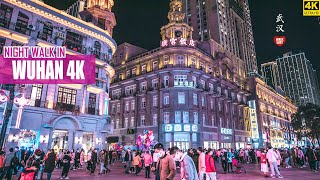
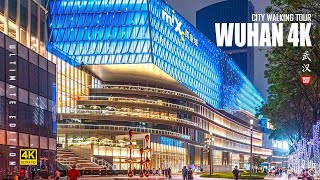
The WuHan Metro ...

[320],shadow=true,start=,stop=

Chengdu, the capital of Sichuan Province in southwest China, is a vibrant city known for its rich history, spicy cuisine, and relaxed lifestyle. Here's a guide for tourists visiting Chengdu:

Cultural and Historical Attractions:
Chengdu Research Base of Giant Panda Breeding: One of the most popular attractions in Chengdu, this conservation center allows visitors to observe giant pandas in a semi-natural habitat.

Jinli Ancient Street: Located next to Wuhou Shrine, Jinli Ancient Street is a bustling pedestrian street lined with traditional Sichuan-style buildings, shops, teahouses, and street food stalls.

Wuhou Shrine: Dedicated to Zhuge Liang, a famous military strategist of the Three Kingdoms period, and Liu Bei, the emperor of the Shu Kingdom, Wuhou Shrine is a historic complex with beautiful gardens and ancient architecture.

Du Fu Thatched Cottage: This museum and park commemorates the Tang Dynasty poet Du Fu and features reconstructions of his former residence and gardens.

Culinary Delights:
Sichuan Cuisine: Chengdu is renowned for its spicy and flavorful Sichuan cuisine. Don't miss the opportunity to try local specialties like mapo tofu, hot pot, and dandan noodles.

Hot Pot: Chengdu's hot pot is famous nationwide. Enjoy a communal dining experience where you cook various meats, vegetables, and other ingredients in a bubbling pot of spicy broth.

Natural Beauty:
Mount Qingcheng: Located about an hour's drive from Chengdu, Mount Qingcheng is one of the birthplaces of Taoism and offers picturesque hiking trails, ancient temples, and serene scenery.

Jiuzhaigou Valley: While it's a bit further from Chengdu (requiring a flight or long bus ride), Jiuzhaigou Valley is a UNESCO World Heritage Site known for its stunning turquoise lakes, waterfalls, and colorful forests.

Modern Attractions:
Chengdu Research Base of Tianfu Giant Panda Breeding: In addition to the Giant Panda Breeding Base, this newer facility focuses on breeding and research for giant pandas and other endangered species.

Sichuan Opera: Experience traditional Sichuan opera performances featuring colorful costumes, face-changing (bian lian) techniques, acrobatics, and puppet shows.

Practical Tips:
Transportation: Chengdu has an efficient public transportation system, including a subway and buses. Taxis and ride-hailing services like DiDi are also readily available.

Weather: Chengdu has a humid subtropical climate with mild winters and hot, humid summers. It's advisable to check the weather forecast before your trip and pack accordingly.

Language: While Mandarin is the official language, the local dialect in Chengdu is Sichuanese. English may not be widely spoken outside of tourist areas, so consider learning a few basic phrases or carrying a translation app.

Chengdu offers a blend of cultural heritage, culinary delights, and natural beauty, making it an enticing destination for travelers seeking an authentic Chinese experience. Whether you're exploring historic sites, savoring spicy cuisine, or marveling at the region's natural wonders, Chengdu is sure to leave a lasting impression.

Wuhan, the capital city of Hubei Province in central China, is a vibrant and dynamic metropolis with a rich history, cultural heritage, and modern amenities. Situated at the confluence of the Yangtze and Han rivers, Wuhan is known as the River City and serves as a major transportation hub and economic center in China. Here's a guide to Wuhan for visitors:

Historical and Cultural Attractions:
Yellow Crane Tower (Huanghelou): This iconic landmark, dating back over 1,700 years, offers panoramic views of Wuhan and the Yangtze River. It's a symbol of the city's rich cultural heritage and is surrounded by lush gardens and scenic vistas.

Guiyuan Temple: Explore this ancient Buddhist temple, renowned for its intricate architecture, serene gardens, and impressive collection of Buddhist scriptures and artifacts.

Hubei Provincial Museum: Delve into the history and culture of Hubei Province at this world-class museum, which houses a vast collection of artifacts, including ancient artifacts from the Warring States period and exquisite bronze bells from the Spring and Autumn period.

East Lake (Donghu): Escape the urban hustle and bustle with a visit to East Lake, the largest urban lake in China. Explore its scenic walking paths, tranquil pavilions, and picturesque landscapes.

Wuhan University: Stroll through the picturesque campus of Wuhan University, one of China's most prestigious universities, known for its beautiful gardens, historic buildings, and academic excellence.

Modern Landmarks:
Yangtze River Bridge: Visit the first bridge to span the Yangtze River, a symbol of Wuhan's engineering prowess and economic significance. The bridge offers stunning views of the river and the city skyline.

Han Street (Hanjie): Explore this vibrant pedestrian street, lined with shops, restaurants, and entertainment venues. Han Street is a popular destination for shopping, dining, and nightlife, with a lively atmosphere day and night.

Culinary Delights:
Hot Dry Noodles (Re-gan Mian): Sample Wuhan's most famous dish, hot dry noodles, a simple yet delicious noodle dish served with sesame paste, chili oil, and other seasonings.

Wuhan Soup Dumplings (Jiaozi): Indulge in these savory soup dumplings, filled with flavorful broth and meat or vegetable fillings. They're a popular street food snack and can be found at markets and food stalls throughout the city.

Practical Information:
Transportation: Getting around Wuhan is convenient, with an extensive public transportation system that includes buses, the Wuhan Metro, and ferries across the Yangtze River.

Accommodation: Wuhan offers a wide range of accommodation options, from luxury hotels to budget-friendly hostels, catering to different preferences and budgets.

Language: Mandarin Chinese is the official language, but some locals may speak English, especially in tourist areas.

Safety: Wuhan is generally safe for travelers, but it's always wise to take standard precautions regarding personal belongings and travel safety.

Unique Experiences:
Cherry Blossom Festival: Visit Wuhan in spring to witness the breathtaking cherry blossoms in full bloom at Wuhan University and other scenic spots around the city.

Yangtze River Cruise: Embark on a cruise along the mighty Yangtze River, passing through picturesque landscapes, historic towns, and the famous Three Gorges.

Wuhan offers visitors a fascinating blend of history, culture, and modernity, with a diverse array of attractions, culinary delights, and unique experiences waiting to be discovered. Whether exploring ancient landmarks, strolling along scenic riverbanks, or savoring local cuisine, visitors to Wuhan are sure to be captivated by the city's charm and vitality.
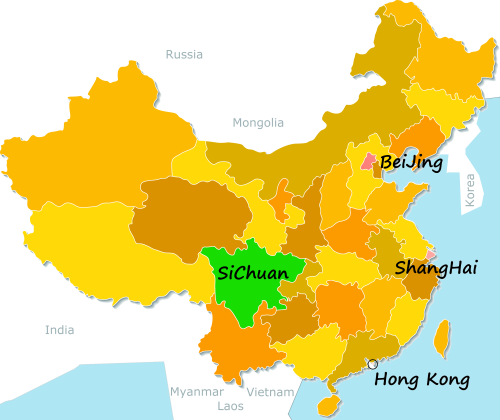

SiChuan map

Related Videos


Featured Videos

XiaoQiKong Scenic Area, LiBo, GuiZhou province
XiaoQiKong Scenic Area, LiBo, GuiZhou : A Visitor’s Guide The Xiaoqikong Scenic Area, or "Seven Small Arches," is a UNESCO World Heritage site located in Libo County, Guizhou Province. This breathtaking natural haven is famous for its karst landscapes, dense forests, crystal-clear rivers, and historic stone bridges. Its name derives from a 19th-century stone bridge with seven arches, which is the centerpiece of the park. How to Get There By Air: The nearest airport is Libo Airport, which has flights from major cities like Guiyang. From the airport, it's about an hour's drive to the scenic area. By Train: Libo is accessible via high-speed rail. From the Libo Railway Station, take a taxi or local bus to Xiaoqikong. By Bus: Direct buses from Guiyang or other nearby cities to Libo are available. From Libo town, a short local bus or taxi ride will bring you to the park. Entrance and Fees Opening Hours: 8:00 AM – 5:30 PM (varies by season). Admission Fee: Approximately 110–150 RMB (varies depending on the season and package options, including shuttle services). Top Attractions in Xiaoqikong Scenic Area 1. The Seven Small Arches Bridge Overview: This Qing Dynasty stone bridge, with seven small arches spanning a turquoise river, is the park's namesake and one of its most iconic sights. Don’t Miss: The surrounding waters reflect lush greenery, creating a picture-perfect scene for photography. 2. The Water Forest Unique Feature: Trees grow directly out of the water in this surreal wetland area. The intertwining roots and crystal-clear streams create an enchanting atmosphere. Activities: Walk along the wooden pathways and admire the unique ecosystem. 3. 68-Level Waterfalls Description: A cascading series of small waterfalls stretch over several kilometers, forming a mesmerizing chain of white foam and turquoise pools. Tip: Visit early in the morning for fewer crowds and better lighting for photos. 4. Green Canyon (Lushui Valley) Highlight: This narrow canyon is filled with lush vegetation and dramatic karst formations. What to Do: Follow the trail that winds through the canyon for stunning views of cliffs, caves, and water features. 5. Mandarin Duck Lake Why Visit: A serene lake surrounded by dense forest, where you can spot pairs of mandarin ducks and other waterfowl. Activities: Rent a boat to explore the lake or enjoy a picnic on its shores. 6. The Ancient Banyan Feature: A massive banyan tree with sprawling roots and branches that provide a mystical and serene setting. Significance: This is one of the oldest trees in the area, revered by locals. 7. Qinglong Waterfall Overview: A grand waterfall set amidst lush green cliffs. What to Do: Hike up to the viewing platform for the best angle of this magnificent cascade. Activities and Experiences Hiking Trails: The park features several well-maintained trails, ranging from easy walks to more challenging hikes. Most trails pass through diverse landscapes, from karst caves to dense bamboo forests. Boat Rides: Enjoy scenic boat rides on Mandarin Duck Lake or the surrounding waterways. Wildlife Spotting: The area is home to diverse flora and fauna, including rare species like the Guizhou golden monkey and colorful butterflies. Photography: The vibrant turquoise waters, lush greenery, and karst formations make Xiaoqikong a photographer’s paradise. Local Cuisine Rice Noodles (Mixian): A staple dish in Guizhou, served in rich broth with fresh herbs and spices. Sour Fish Soup: A tangy and spicy local specialty made with freshwater fish. Sticky Rice Dumplings: Perfect for a quick snack while exploring. Wild Vegetable Dishes: Many restaurants in the area use locally foraged vegetables, prepared simply to highlight their natural flavors. Best Time to Visit Spring (March–May): The park is lush and vibrant, with waterfalls at their fullest due to seasonal rains. Autumn (September–November): Cooler weather and the surrounding forest's changing colors make this the most picturesque season. Tips for Visitors Transportation Within the Park: Shuttle buses are available for an additional fee and are highly recommended to cover the large area efficiently. Clothing: Wear comfortable walking shoes and pack layers, as the weather can change quickly in the mountains. Photography Gear: Bring a waterproof bag for your camera or phone, as many attractions involve water. Stay Hydrated: Carry water, especially if hiking longer trails, as shops may not be available in remote areas. Crowds: Visit early in the morning or during weekdays to avoid peak tourist times. Nearby Attractions Daqikong Scenic Area: A complementary park nearby with its own set of natural wonders, including deeper gorges and caves. Libo Zhangjiang Scenic Spot: Another UNESCO World Heritage site featuring pristine rivers and karst landscapes. Ethnic Villages: Visit local Buyi, Miao, and Shui villages to experience traditional customs, architecture, and festivals. Xiaoqikong Scenic Area is a destination where natural beauty, tranquility, and adventure come together. Whether you're an avid hiker, a nature lover, or a history enthusiast, this scenic area offers something unique and unforgettable.
ShangHai 上海 to BeiJing 北京 by high speed rail
The second video shows the overnight sleeper train.
SanYa, HaiNan island 三亚海南岛
The most southerly part of China, HaiNan is warm all year with a more or less tropical climate.
An unforgettable journey through YunNan province
With SiWen Li ... The wonders of YunNan province Yunnan Province, located in the southwestern part of China, is a land of breathtaking natural beauty, rich cultural heritage, and diverse ethnic traditions. From towering mountains and deep gorges to ancient towns and vibrant festivals, Yunnan offers something for every traveler. Here’s a detailed guide to the wonders of Yunnan. Natural Wonders Yunnan is home to some of China’s most stunning natural landscapes. Here are the must-see natural wonders: 1. Stone Forest (Shilin) Located near Kunming, the Stone Forest is a UNESCO World Heritage Site featuring towering limestone formations that resemble a forest made of stone. The area is rich in Karst geology and offers scenic walking paths, caves, and ethnic Yi cultural performances. 2. Tiger Leaping Gorge One of the deepest gorges in the world, Tiger Leaping Gorge is located on the Jinsha River, a tributary of the Yangtze. It offers breathtaking hiking trails with views of snow-capped mountains, roaring rapids, and dramatic cliffs. 3. Yuanyang Rice Terraces These UNESCO-listed rice terraces are a masterpiece of agricultural engineering, created by the Hani people over centuries. The terraces are especially stunning at sunrise and sunset, when the water-filled fields reflect the sky like mirrors. 4. Meili Snow Mountain Part of the Hengduan Mountain Range, Meili Snow Mountain is a sacred site for Tibetan Buddhists. Its highest peak, Kawagebo, is one of the most challenging mountains to climb in the world. 5. Pudacuo National Park Located near Shangri-La, this park is part of the Three Parallel Rivers UNESCO World Heritage Site. It features pristine lakes, wetlands, and forests, as well as diverse flora and fauna, including the rare Yunnan snub-nosed monkey. Cultural and Historical Wonders Yunnan’s rich cultural heritage is reflected in its ancient towns, temples, and ethnic traditions. Here are the top cultural wonders: 1. Lijiang Ancient Town A UNESCO World Heritage Site, Lijiang is known for its well-preserved ancient architecture, cobblestone streets, and intricate canal system. The town is home to the Naxi people, whose unique Dongba culture is showcased in local music, art, and festivals. 2. Dali Ancient Town Dali is famous for its historic charm, with ancient city walls, traditional Bai-style houses, and the iconic Three Pagodas. The town is a gateway to Erhai Lake, a scenic freshwater lake surrounded by villages and temples. 3. Shangri-La (Zhongdian) Known as the “Land of Eternal Peace and Perfection,” Shangri-La is a Tibetan-influenced region with stunning monasteries, grasslands, and snow-capped mountains. Key attractions include the Songzanlin Monastery and the Dukezong Ancient Town. 4. Xishuangbanna This tropical region is home to the Dai people and features lush rainforests, Buddhist temples, and vibrant water-splashing festivals. Don’t miss the Wild Elephant Valley and the Dai Ethnic Park. 5. Jianshui Ancient Town Jianshui is known for its well-preserved Confucian Temple, ancient wells, and traditional courtyard houses. The town is also a gateway to the stunning Double Dragon Bridge and the Swallow Cave. Ethnic Diversity Yunnan is home to 25 of China’s 56 recognized ethnic groups, making it one of the most culturally diverse provinces in the country. Key ethnic groups include: Yi: Known for their vibrant festivals and traditional torch celebrations. Bai: Famous for their Three-Course Tea ceremony and traditional architecture in Dali. Naxi: Known for their Dongba script and ancient music in Lijiang. Tibetan: Influential in Shangri-La, with a rich tradition of Buddhism and nomadic culture. Dai: Known for their water-splashing festival and tropical lifestyle in Xishuangbanna. Festivals and Events Yunnan’s ethnic diversity is celebrated through vibrant festivals and events. Some of the most famous include: Torch Festival (Yi People): A lively celebration featuring torch-lit processions, dancing, and traditional music. Water-Splashing Festival (Dai People): A joyful event where people splash water to wash away bad luck and welcome the new year. Third Moon Fair (Bai People): A traditional market and cultural festival held in Dali. Shangri-La Horse Racing Festival: A showcase of Tibetan culture, featuring horse races, singing, and dancing. Local Cuisine Yunnan’s cuisine is as diverse as its culture, with unique flavors and ingredients. Must-try dishes include: Crossing the Bridge Noodles (过桥米线): A famous Yunnan dish featuring rice noodles served in a flavorful broth with various toppings. Xuanwei Ham: A cured ham with a rich, smoky flavor, often used in soups and stir-fries. Erkuai: A type of rice cake that can be stir-fried, grilled, or served in soups. Yunnan Cheese (Rushan): A traditional dairy product made by the Bai people, often grilled or fried. Pu’er Tea: A famous fermented tea from Yunnan, known for its earthy flavor and health benefits. How to Get There Yunnan is well-connected by air, rail, and road. Key entry points include: Kunming: The provincial capital and main transportation hub, with an international airport and high-speed rail connections. Lijiang: Accessible by flight or train from Kunming. Dali: Connected to Kunming by high-speed rail and bus services. Shangri-La: Accessible by flight or bus from Kunming and Lijiang. Travel Tips Plan for Altitude: Some areas, like Shangri-La, are at high altitudes. Take time to acclimatize and stay hydrated. Respect Local Customs: Yunnan’s ethnic groups have unique traditions and beliefs. Be mindful and respectful when visiting their communities. Pack for All Weather: Yunnan’s climate varies widely, from tropical in Xishuangbanna to cold in Shangri-La. Bring layers and rain gear. Learn Basic Mandarin: While some locals speak English, knowing a few Mandarin phrases can enhance your experience. Why Visit Yunnan? Yunnan Province is a treasure trove of natural beauty, cultural heritage, and ethnic diversity. Whether you’re exploring ancient towns, hiking through dramatic landscapes, or immersing yourself in vibrant festivals, Yunnan offers an unforgettable travel experience.
An introduction to China
With Nation Nibbles ... With BRIGHT SIDE ...
Peppered beef stir fry
A cuisine masterclass for cooking this classic Chinese food dish ...
Cycling from ShangHai to Europe
With Josh Reid ...
Health deep dive 3 – stress and anxiety
With Eric Berg ... With Mel Robbins and Russell Kennedy ... Plus ... With Joe Dispenza ...
QingHai drive – beautiful scenery
With Walk East ...

Tag search ?