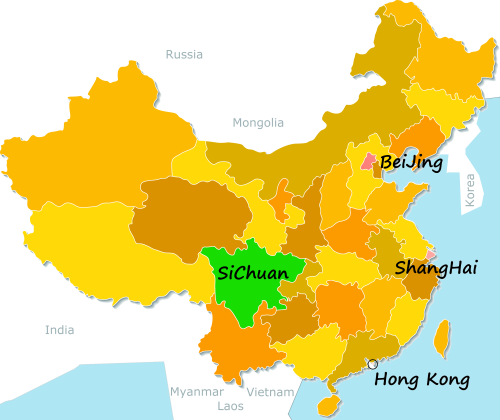
SiChuan map
Live more ...
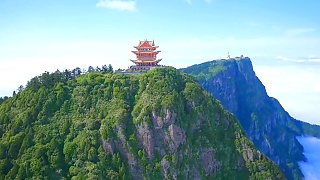
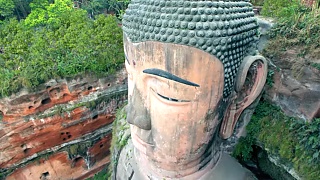
 Buddhism in SiChuan 四川, including EMeiShan and LeShan Giant Buddha
|
With Reporterfy Media ...
With Seiu Travel ...
|

|
With DianXi XiaoGe ...
|

|
Because China will not become another US slave state.
World domination has long been the intention of the US. Hundreds of coups and wars have shown this. So much of the world has been kept down by the US. And the intention re China is clear from all the MIC backed 'think tanks' (tanks to control your mind).
With Danny HaiPhong ...
US puppet states (slaves) = the 'free world'. China's rising economy is about to 'collapse' (has been for for decades, they say).
With Scott Ritter - on how the transition to multi-polarity is as dangerous as it is welcome (and inevitable) ...
With Brian Berletic ...
Ben Norton on the NEW Cold War and Europe's economic suicide ...
On the CIA, with Jeffrey Sachs ...
On how the US government answers to special interests and not the people ("We lie, we cheat, we steal").
At root, it is win-lose trying to crush win-win. The US wants world dominion (and has for decades); while China seeks world development. Hopefully the slave nations are beginning to see the light on why they have been crushed for so long and will choose wisely. The world needs win-win.
With Cyrus Janssen and Reportify Media ...
YT comments :
"When exposing a crime is treated as committing a crime, you are being ruled by criminals." ~ Edward Snowden.
"One of the best ways to achieve justice is to expose injustice" ~ Julian Assange.
"Truth-tellers are silenced, while the liars have their voices amplified."
With Brian Berletic ...
|

|
SiMaTai Great Wall lies about 159 kilometers NNE from BeiJing city and connects with JinShanLing Great Wall.
|

|
一籃秋葵 一桌菜,在配上酸泡果,美味極了 | Chinese food made from green okra | 秋葵 美食 | 野小妹 ...
|
|
With Walk For You ...
Bonus film - with Seiu Travel ...
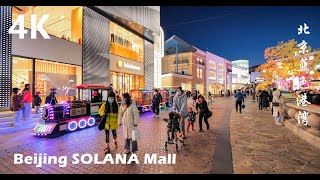
Solana Lifestyle Shopping Park Guide - Beijing
Overview
Solana Lifestyle Shopping Park is designed to resemble a European town, complete with cobblestone streets and a picturesque lake. It covers a vast area and offers a diverse mix of international and local brands, restaurants, cafes, and entertainment options.
Getting There
Location: No. 6 Chaoyang Park Road, Chaoyang District, Beijing, China.
Public Transport:
Subway: Line 14, Zaoying Station, Exit A. Walk about 10 minutes to reach the mall.
Bus: Multiple bus lines stop near the mall, including 419, 621, 671, 984, and 985.
Shopping
Solana hosts a variety of stores ranging from luxury brands to more affordable options. Some popular retail categories include:
Fashion: Zara, H&M, Uniqlo, and high-end brands like Michael Kors and Guess.
Beauty: Sephora, The Body Shop.
Home Decor: Muji, Zara Home.
Electronics: Apple Store, Xiaomi.
Dining
The mall offers an extensive selection of dining options, catering to diverse tastes:
Western Cuisine: Blue Frog, Element Fresh, and Wagas.
Asian Cuisine: Din Tai Fung for dumplings, Haidilao for hotpot.
Cafes: Starbucks, Costa Coffee, and local favorites like Pacific Coffee.
Specialty Food: Bakeries, ice cream parlors, and specialty tea shops.
Entertainment
Solana is not just about shopping and dining; it also provides various entertainment options:
Cinema: A state-of-the-art cinema showing the latest movies, including IMAX screens.
Kids' Activities: Indoor playgrounds, toy stores, and seasonal events for children.
Outdoor Spaces: The park surrounding the mall is great for a stroll, with picturesque views and seasonal decorations.
Special Events
Throughout the year, Solana hosts various events and festivals, such as:
Holiday Decorations: Elaborate Christmas and Chinese New Year decorations.
Music and Cultural Festivals: Live music performances, art exhibitions, and cultural shows.
Sales and Promotions: Seasonal sales, especially during Chinese New Year and Golden Week holidays.
Tips for Visitors
Best Time to Visit: Weekdays are generally less crowded than weekends.
Language: While many staff members speak basic English, having a translation app can be handy.
Payment: Most stores accept major credit cards, but having some cash or using mobile payment apps like WeChat Pay or Alipay can be useful.
Nearby Attractions
Chaoyang Park: Adjacent to the mall, offering additional recreational activities.
Sanlitun: A vibrant area with nightlife, shopping, and dining options, just a short drive away.
Conclusion
Solana Lifestyle Shopping Park offers a comprehensive shopping experience with its blend of retail, dining, and entertainment in a beautifully designed environment. Whether you're looking to shop, eat, or just enjoy a leisurely day out, Solana is an ideal destination in Beijing.
|

|
With Walk East ...
Downtown drive ...
|

|
Buddha Said | Great Compassion Mantra | Sweep of our minds | Heart Sutra | Zen Charm | Prayer for the earthquake in Ya'An (2013).
Enter the chill out zone ...
|

|
JiangSu province.
|