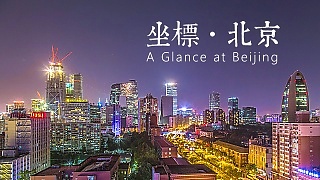
Exploring BeiJing 北京

Beautifully filmed in 2012 ...


[640],shadow=true,start=,stop=

Beijing, the capital city of China, is a vibrant metropolis steeped in history, culture, and modernity. Here's a brief overview of what you can expect as a tourist in Beijing:

Historical Landmarks:
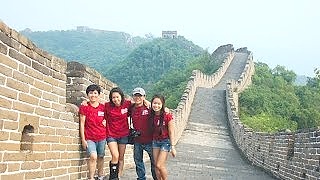
The Great Wall of China: One of the most iconic structures in the world, the Great Wall is easily accessible from Beijing. Mutianyu and Badaling sections are popular among tourists.

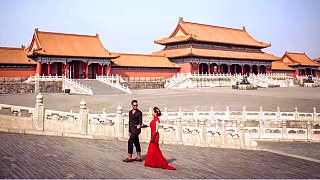
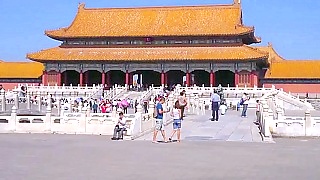
Forbidden City (Palace Museum): A UNESCO World Heritage Site, this vast imperial palace complex was home to Chinese emperors for over 500 years. It houses numerous halls, courtyards, and historical artifacts.

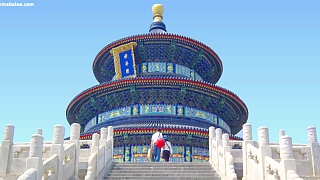
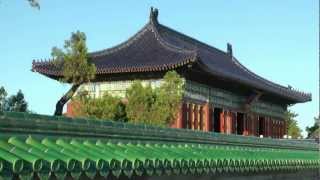
Temple of Heaven: A masterpiece of Chinese architecture, this ancient temple complex served as a place of worship for emperors to pray for good harvests.

Summer Palace: A stunning ensemble of lakes, gardens, and palaces, the Summer Palace served as a retreat for emperors during the Qing dynasty.

Tiananmen Square: One of the largest city squares in the world, Tiananmen Square is flanked by important landmarks such as the Monument to the People's Heroes, the Great Hall of the People, and the Mausoleum of Mao Zedong.

Cultural Sites:
Beijing Hutongs: Explore the narrow alleyways and traditional courtyard residences of Beijing's historic neighborhoods. You can take a rickshaw tour or simply wander around on foot.

Beijing Opera: Experience traditional Chinese opera performances at venues like the Liyuan Theater or the Chang'an Grand Theatre.

798 Art District: A hub of contemporary art and culture, this former industrial area is now home to numerous galleries, studios, and cafes.

Modern Attractions:
Olympic Park: Visit iconic structures such as the Bird's Nest (National Stadium) and the Water Cube (National Aquatics Center) from the 2008 Beijing Olympics.

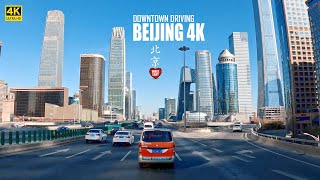
CBD (Central Business District): Marvel at the futuristic skyline of Beijing's modern business district, which includes landmarks like the CCTV Headquarters and the China World Trade Center Tower III.

Culinary Delights:
Peking Duck: Indulge in Beijing's most famous dish, crispy roast duck served with pancakes, scallions, and hoisin sauce.

Street Food: Explore the city's vibrant street food scene and sample local delicacies like jianbing (savory crepes), lamb skewers, and dumplings.

Practical Tips:
Transportation: Beijing has an extensive public transportation system, including the subway, buses, and taxis. However, traffic can be heavy, so plan your travels accordingly.

Language: While English is not widely spoken, especially outside tourist areas, many signs and transportation announcements are in English. It's helpful to carry a translation app or a phrasebook.

Weather: Beijing experiences four distinct seasons, with hot summers and cold winters. The best times to visit are spring (April to June) and autumn (September to October) when the weather is mild and comfortable.

Etiquette: Respect local customs and traditions, such as removing your shoes before entering someone's home and using both hands to pass or receive items.

Beijing offers a rich tapestry of experiences for tourists, blending ancient heritage with modern innovations. Whether you're fascinated by history, culture, or culinary delights, there's something for everyone in this dynamic city.
Related Videos


Featured Videos

BingLing Temple 炳灵寺 Grottoes, YongJing, GanSu province
A beautiful series of grottoes filled with Buddhist sculpture carved into natural caves and caverns in a canyon along the Yellow River. It lies just north of where the Yellow River empties into the LiuJiaXia Reservoir.
WangXianGu The Fairy Valley 望仙谷
With FunFancie ... WangXianGu, also known as The Fairy Valley or Valley of the Immortals, is a legendary place in Chinese mythology and Taoist folklore. It holds significance in Chinese culture as a symbol of spiritual attainment, immortality, and the pursuit of enlightenment. According to legend, WangXianGu is located in the remote and mystical mountains of China, often described as being hidden within the mist-shrouded peaks of the Kunlun Mountains or other ranges. The name "WangXianGu" translates to "Valley of Seeking Immortals" or "Valley of Longing for Immortals," reflecting its association with those who seek to attain immortality through spiritual cultivation and the practice of Taoism. In Chinese mythology and Taoist beliefs, immortals are revered beings who have achieved enlightenment, transcending the mortal realm to become eternal and divine. It is said that WangXianGu is inhabited by these immortal beings, who reside in secluded caves, pavilions, or palaces within the valley's lush and picturesque landscape. Throughout history, WangXianGu has been a source of inspiration for poets, scholars, and artists, who have depicted it in literature, paintings, and other forms of art. It has also become a symbol of the quest for inner harmony, wisdom, and spiritual liberation in Chinese culture. While WangXianGu is primarily a mythological and metaphorical concept, there are real locations in China that are sometimes associated with the legend, such as scenic valleys, mountain retreats, and sacred sites believed to be imbued with spiritual energy. These places often attract pilgrims, seekers, and tourists seeking to experience the tranquility and beauty that are reminiscent of the mythical Fairy Valley.
Dancing in the park – YuYuanTan, BeiJing
By the West Gate. The TV tower, which one can ascend, is nearby, across the third ring road. With MisterVaughn ...
Empire and the true history of the US
"On this episode of Going Underground, we speak to Retired US Army Major Danny Sjursen, author of ‘A True History of the United States: Indigenous Genocide, Racialized Slavery, Hyper-Capitalism, Militarist Imperialism and Other Overlooked Aspects of American Exceptionalism’. He discusses the US withdrawal from Afghanistan, the different strands of American imperialism from liberal to neoconservative and the many US interventions in the global south, national myths about the story of the United States that are taught, the uncomfortable religious history of the US, the horrors of the settler-colonial genocide of indigenous people, the ‘club’ environment surrounding Washington DC resulting in favourable coverage for the US establishment and much more!" Bonus film - Oliver Stone exposes the JFK assassination cover-up ...
Lotus seeds soup and tea (LianXin Cha)
Beautiful YangShuo, plus Pot Stickers
With Living Asian ... Bonus film - Kids Park, ChengDu ...
How to live a true life (psychology)
Dr Rangan Chatterjee talks with Jay Shetty ...
NiuShou Mountain Buddhist temple palace, NanJing
With Middle Kingdom Productions ...
A guide to beautiful SuZhou 苏州 old town
SuZhou lies in JiangSu province, just west from ShangHai Municipality, between the ebb of the YangTse river and TaiHu lake. SuZhou has a history of over 2,500 years. The city's canals, bridges, pagodas, and gardens have contributed to its standing as one of the top tourist attractions in China. The 'classical gardens of SuZhou' were added to the UNESCO World Heritage Sites in 1997 and 2000. SuZhou is sometimes referred to as the 'Venice of the East'.

Tag search ?