ChengDu metro and TianFu airport – the art of infrastructure

Infrastructure at its finest, China style ...

With Walk East ...

[640],shadow=true,start=,stop=

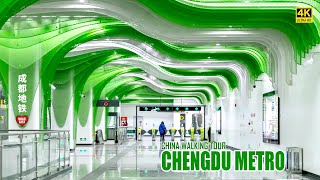
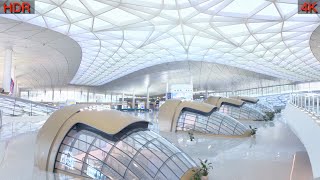
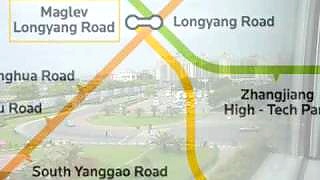
With 12 subway lines and 1 light rail line, the ChengDu metro ranks 4th largest in the world after BeiJing, ShangHai and GuangZhou.

YT comment by Helghast73 : Yeah I can see this tour will just highlight what I was saying in the last Chengdu video Max, “plan for the future and then plan some more” 😂

It’s hard to believe that all this will celebrate its 12th birthday in September. Just stop and think for a moment, 12 years ago none of it was there and fast forward to now and you’ve 373 stations network, mind blowing.

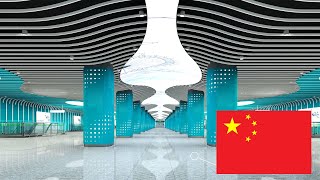
The idea of giving each line an actual visual identity is great, it’s not just a line colour on a network map but station platforms and train carriages too.

Line 8 with it’s green and white colour scheme is super bright.
Line 5 with it’s older heritage look and darker tones used but still bright.
Line 18 with it’s nods to Zaha Hadid I’d say haha superb also looks like a mini Beijing Daxing with the clinical white look.
Line 6 with it’s coral looking sub aquatic look.
Line 9 with it’s lilac scifi.

Chengdu, the capital of Sichuan Province in southwest China, is a vibrant city known for its rich history, spicy cuisine, and relaxed lifestyle. Here's a guide for tourists visiting Chengdu:

Cultural and Historical Attractions:
Chengdu Research Base of Giant Panda Breeding: One of the most popular attractions in Chengdu, this conservation center allows visitors to observe giant pandas in a semi-natural habitat.

Jinli Ancient Street: Located next to Wuhou Shrine, Jinli Ancient Street is a bustling pedestrian street lined with traditional Sichuan-style buildings, shops, teahouses, and street food stalls.

Wuhou Shrine: Dedicated to Zhuge Liang, a famous military strategist of the Three Kingdoms period, and Liu Bei, the emperor of the Shu Kingdom, Wuhou Shrine is a historic complex with beautiful gardens and ancient architecture.

Du Fu Thatched Cottage: This museum and park commemorates the Tang Dynasty poet Du Fu and features reconstructions of his former residence and gardens.

Culinary Delights:
Sichuan Cuisine: Chengdu is renowned for its spicy and flavorful Sichuan cuisine. Don't miss the opportunity to try local specialties like mapo tofu, hot pot, and dandan noodles.

Hot Pot: Chengdu's hot pot is famous nationwide. Enjoy a communal dining experience where you cook various meats, vegetables, and other ingredients in a bubbling pot of spicy broth.

Natural Beauty:
Mount Qingcheng: Located about an hour's drive from Chengdu, Mount Qingcheng is one of the birthplaces of Taoism and offers picturesque hiking trails, ancient temples, and serene scenery.

Jiuzhaigou Valley: While it's a bit further from Chengdu (requiring a flight or long bus ride), Jiuzhaigou Valley is a UNESCO World Heritage Site known for its stunning turquoise lakes, waterfalls, and colorful forests.

Modern Attractions:
Chengdu Research Base of Tianfu Giant Panda Breeding: In addition to the Giant Panda Breeding Base, this newer facility focuses on breeding and research for giant pandas and other endangered species.

Sichuan Opera: Experience traditional Sichuan opera performances featuring colorful costumes, face-changing (bian lian) techniques, acrobatics, and puppet shows.

Practical Tips:
Transportation: Chengdu has an efficient public transportation system, including a subway and buses. Taxis and ride-hailing services like DiDi are also readily available.

Weather: Chengdu has a humid subtropical climate with mild winters and hot, humid summers. It's advisable to check the weather forecast before your trip and pack accordingly.

Language: While Mandarin is the official language, the local dialect in Chengdu is Sichuanese. English may not be widely spoken outside of tourist areas, so consider learning a few basic phrases or carrying a translation app.

Chengdu offers a blend of cultural heritage, culinary delights, and natural beauty, making it an enticing destination for travelers seeking an authentic Chinese experience. Whether you're exploring historic sites, savoring spicy cuisine, or marveling at the region's natural wonders, Chengdu is sure to leave a lasting impression.
Related Videos


Featured Videos

China’s economic future
With Ben Norton, Radhika Desai and Michael Hudson ... Bonus films : With Judge Napolitano and Jeffrey Sachs ... With Douglas Macgregor ... With Willene Business & Lifestyle ... With Brian Berletic ...
The ancient Silk Road of China
With Graeme Langford ... Ancient Silk Road Travel Guide Introduction The ancient Silk Road was a network of trade routes connecting the East and West, stretching from China to the Mediterranean Sea. It played a crucial role in cultural, commercial, and technological exchange between civilizations. This guide will help you explore the key destinations along the Silk Road, providing insights into historical sites, cultural experiences, and practical travel information. Key Destinations Xi'an, China (西安) Xi'an, the starting point of the Silk Road, is home to the famous Terracotta Army and the ancient city walls. Don't miss the Big Wild Goose Pagoda and the bustling Muslim Quarter. Dunhuang, China (敦煌) Dunhuang is known for the Mogao Caves, a treasure trove of Buddhist art. The Singing Sand Dunes and Crescent Lake are also must-see attractions. Kashgar, China (喀什) Kashgar is a melting pot of cultures, with its lively Sunday Bazaar and the Id Kah Mosque. The ancient city is a gateway to the western regions of the Silk Road. Bukhara, Uzbekistan (布哈拉) Bukhara is a UNESCO World Heritage site with over 140 architectural monuments, including the Ark Fortress, Bolo Haouz Mosque, and Lyab-i Hauz complex. Samarkand, Uzbekistan (撒马尔罕) Samarkand is one of the oldest cities in Central Asia, known for its stunning Registan Square, Shah-i-Zinda necropolis, and Bibi-Khanym Mosque. Merv, Turkmenistan (梅尔夫) Merv was once one of the largest cities in the world. Today, it is an archaeological site with impressive ruins, including the Sultan Sanjar Mausoleum and the Great Kyz Kala fortress. Tehran, Iran (德黑兰) Tehran, the capital of Iran, offers a mix of modernity and tradition. Key sites include the Golestan Palace, National Museum of Iran, and the bustling Grand Bazaar. Antioch, Turkey (安提阿) Antioch, now called Antakya, was an important center of early Christianity. The Hatay Archaeology Museum and St. Peter's Cave Church are highlights. Constantinople, Turkey (君士坦丁堡) Now Istanbul, this city was the terminus of the Silk Road. Visit the Hagia Sophia, Topkapi Palace, and the bustling Grand Bazaar to experience its rich history. Cultural Experiences Traditional Markets: Explore the vibrant markets along the Silk Road, such as the Kashgar Sunday Bazaar and Istanbul's Grand Bazaar, for a taste of local commerce and culture. Silk Weaving: Witness traditional silk weaving techniques in Xi'an, China, and Samarkand, Uzbekistan. These cities have been centers of silk production for centuries. Cuisine: Sample diverse culinary traditions, from Chinese dumplings and Uzbek plov to Persian kebabs and Turkish delights. The Silk Road has left a rich gastronomic legacy. Music and Dance: Enjoy traditional music and dance performances in various Silk Road cities. Each region has its unique cultural expressions, influenced by centuries of exchange. Historical Tours: Take guided tours of ancient ruins, mosques, and palaces to learn about the history and significance of the Silk Road. Knowledgeable guides can provide valuable insights. Practical Travel Information Best Time to Visit: The best time to explore the Silk Road is during the spring (April to June) and autumn (September to November) when the weather is mild and comfortable. Visas and Permits: Ensure you have the necessary visas and permits for each country along the Silk Road. Check with local embassies or consulates for up-to-date requirements. Transportation: Travel options include flights, trains, buses, and private tours. The Silk Road is well-connected, but some remote areas may require special arrangements. Accommodation: Accommodation ranges from luxury hotels to budget hostels and guesthouses. Booking in advance is recommended, especially during peak travel seasons. Health and Safety: Stay informed about health and safety precautions in each region. Carry a basic first-aid kit, stay hydrated, and respect local customs and regulations. Local Currency: Familiarize yourself with the local currencies and exchange rates. Carry some cash, but credit cards are also widely accepted in major cities. Conclusion The ancient Silk Road is a fascinating journey through history, culture, and breathtaking landscapes. From the bustling markets of Xi'an to the majestic ruins of Samarkand, each destination offers unique experiences and insights into the rich heritage of the Silk Road. Use this guide to plan your adventure and explore the wonders of this legendary trade route. Whether you're a history buff, a cultural enthusiast, or an intrepid traveler, the Silk Road promises an unforgettable journey. History of the Silk Road Introduction The Silk Road was an ancient network of trade routes that connected the East and West, facilitating not only commerce but also cultural exchange between civilizations. This guide delves into the history of the Silk Road, focusing on the trade of silk, horses, and tea, the travels of Marco Polo, and how the Silk Road ultimately influenced sea exploration and colonization. Trade on the Silk Road Silk Trade Silk, a luxurious fabric produced from the cocoon of the silkworm, was the most iconic commodity traded on the Silk Road. Originating in China during the Han Dynasty, silk quickly became a highly prized item in the West. Its light weight, ease of transport, and high value made it a staple of Silk Road commerce. The demand for silk spurred trade relations and cultural exchanges between the East and West, spreading Chinese inventions such as paper and gunpowder along the way. Horses Horses were another crucial trade item, especially prized by the Chinese for their military and agricultural utility. The Fergana horses, known for their strength and endurance, were particularly sought after. These horses, traded primarily with Central Asian tribes, significantly improved the cavalry capabilities of Chinese armies and facilitated the movement of goods along the Silk Road. Tea Trade Tea, originating from China, became a major export commodity during the Tang Dynasty. It was highly valued for its medicinal properties and became a popular beverage in Central Asia and beyond. The trade of tea along the Silk Road helped to establish cultural connections and the spread of tea culture to places such as Japan and the Middle East. The Travels of Marco Polo Marco Polo, the Venetian explorer, traveled the Silk Road in the 13th century. His journey began in 1271, when he accompanied his father and uncle on a voyage to Asia, eventually reaching the court of Kublai Khan, the Mongol ruler. Marco Polo spent 17 years in China, documenting his experiences in his book "The Travels of Marco Polo." His detailed accounts of the wealth, culture, and innovations of the East provided Europeans with one of the first comprehensive insights into Asian civilizations and spurred interest in exploration and trade. Impact on Sea Exploration and Colonization The Silk Road's decline in the 15th century, due in part to the rise of maritime trade routes, marked a shift in global commerce. European powers, motivated by the wealth and tales from the Silk Road, sought direct sea routes to Asia to bypass intermediaries and gain control over lucrative trade. This led to the Age of Exploration, during which explorers like Vasco da Gama and Christopher Columbus set out to discover new trade routes and lands. Portugal and Spain were at the forefront of this maritime expansion. Vasco da Gama's successful voyage to India in 1498 opened up a direct sea route from Europe to Asia, leading to increased trade and the establishment of colonial empires. Columbus's voyages, sponsored by Spain, led to the discovery of the Americas in 1492, further expanding European influence and colonization efforts. The maritime Silk Road, established by these explorers, connected Europe, Africa, and Asia, facilitating the exchange of goods, ideas, and cultures on an unprecedented scale. This era of sea exploration and colonization transformed global trade networks and laid the foundations for the modern world economy. Conclusion The Silk Road was more than just a trade route; it was a conduit for cultural, technological, and intellectual exchange that shaped the ancient world. From the trade of silk, horses, and tea to the travels of Marco Polo, the Silk Road's legacy is profound. Its influence on sea exploration and colonization further underscores its importance in global history. Exploring the history of the Silk Road offers a deeper understanding of the interconnectedness of human civilizations and the enduring impact of ancient trade routes.
NanJing 南京 Focus
Discover life in NanJing, JiangSu province - parks, temples, transportation and more ... Plus a beautiful time-lapse of NanJing ...
Returning home – a panda’s journey : A Happy Chinese New Year from BeiJingBuzzz  : )( :
Love is family (and that is all of us). Love is happiness. Love is coming together. Some early CNY decorations - with Street Snap ... ... More to come - stay tuned ! ...
Charming WuXi : HuiShan ancient town, JiangSu province – canal and DongLin Academy
With Seiu Travel ... With Wei's Travel ... Huishan Ancient Town Travel Guide Overview Huishan Ancient Town, located in Wuxi, Jiangsu Province, is a well-preserved historical town known for its rich cultural heritage, ancient temples, traditional gardens, and ancestral halls. It provides visitors with a glimpse into China’s past with its classical architecture and serene atmosphere. How to Get There By Train: Take a high-speed train to Wuxi Railway Station or Wuxi East Railway Station, then take a taxi or public transport to the ancient town. By Bus: Local buses such as 45, 88, and 89 stop near the entrance of Huishan Ancient Town. By Car: Easily accessible via major highways leading to Wuxi, with parking available near the entrance. Main Attractions Huishan Temple: A historic Buddhist temple featuring beautiful statues and peaceful gardens. Ancestral Halls: Over a hundred ancestral halls belonging to various Chinese families, showcasing traditional architecture and family heritage. Jichang Garden: A classical Chinese garden known for its tranquil atmosphere, ponds, and traditional pavilions. Huishan Spring: A famous water source considered one of the best in southern China. Best Time to Visit The best time to visit Huishan Ancient Town is during spring (March-May) and autumn (September-November) when the weather is pleasant, and the scenery is at its most beautiful. Local Cuisine Wuxi-style Spare Ribs: A sweet and savory pork rib dish famous in the region. Huishan Clay Pot Noodles: A delicious noodle dish cooked in a clay pot with rich broth and toppings. Steamed Dumplings: Juicy dumplings filled with pork and soup, a local specialty. Tips for Visitors Wear comfortable walking shoes, as there are many cobblestone paths. Early morning visits offer a quieter and more picturesque experience. Local shops sell handmade crafts and souvenirs unique to the region. ***** Welcome to the Kingdom of Wu: A Visitor Guide and History Introduction to the Kingdom of Wu The Kingdom of Wu, a historical region in eastern China, is a land of profound cultural heritage, natural beauty, and historical significance. Centered around the modern city of Wuxi and extending to areas like Suzhou and Hangzhou, the Kingdom of Wu was one of the most influential states during the Spring and Autumn (770–476 BCE) and Warring States (475–221 BCE) periods. Today, the region is celebrated for its classical gardens, ancient waterways, and contributions to Chinese art, literature, and philosophy. History of the Kingdom of Wu The Kingdom of Wu emerged as a powerful state during the Zhou Dynasty, with its capital initially located in modern-day Suzhou. It played a pivotal role in Chinese history, particularly during the Spring and Autumn period, when it rivaled the states of Yue and Chu. The kingdom is famously associated with the legendary King Helü, who ruled during the 6th century BCE and is credited with constructing the Grand Canal and strengthening Wu's military. The Kingdom of Wu is also central to the story of Sun Tzu, the ancient military strategist and author of The Art of War. Sun Tzu served as a general under King Helü, and his strategies helped Wu achieve significant victories. The region's history is deeply intertwined with the development of Chinese civilization, particularly in areas like agriculture, silk production, and water management. Cultural Highlights of the Kingdom of Wu 1. Classical Gardens The Kingdom of Wu is renowned for its classical Chinese gardens, which are masterpieces of landscape design. These gardens, such as the Humble Administrator's Garden in Suzhou, feature intricate layouts, serene ponds, and elegant pavilions. They reflect the Confucian ideals of harmony between humans and nature. 2. Silk Production The region has been a center of silk production for thousands of years. The ancient city of Wuxi, in particular, was a major hub for silk weaving and trade. Visitors can explore the history of silk at local museums and workshops. 3. Wu Opera and Music The Kingdom of Wu is the birthplace of Wu Opera, a traditional form of Chinese opera known for its melodic tunes and poetic lyrics. The region is also famous for its traditional music, particularly the pipa (a Chinese lute) and guqin (a seven-stringed zither). Key Cities and Attractions 1. Wuxi Wuxi, often called the "Pearl of Lake Tai," is a city steeped in history and natural beauty. Key attractions include Lake Tai, the Lingshan Grand Buddha, and Xihui Park. Wuxi's Grand Canal section is a testament to the region's historical importance as a transportation hub. 2. Suzhou Suzhou, the ancient capital of the Kingdom of Wu, is famous for its classical gardens, canals, and silk industry. The Humble Administrator's Garden, Tiger Hill, and the Suzhou Museum are must-visit sites. 3. Hangzhou Hangzhou, located to the south of the Kingdom of Wu, is celebrated for its West Lake, a UNESCO World Heritage Site. The city is also known for its tea culture, particularly Longjing (Dragon Well) tea. Practical Travel Tips Best Time to Visit: Spring (March to May) and autumn (September to November) offer mild weather and vibrant scenery. Getting There: The region is well-connected by high-speed trains. Major cities like Wuxi, Suzhou, and Hangzhou have their own train stations and airports. Accommodation: Options range from luxury hotels to budget-friendly hostels. Staying near key attractions like Lake Tai or West Lake is recommended. Local Transportation: Public transportation is efficient, with buses, metros, and taxis readily available. Cycling is also a popular way to explore the cities.

Wandering the backstreets of outer ShenZhen
With Nico ... ShenYang with Blondie in China ... Bonus films - back in ShenZhen - with Walk For You ... With Colorful World ...
Trump’s trade war – May 2019
Beautiful WuYuan, JiangXi province
WuYuan, known as the "most beautiful countryside in China", with at least 50 old villages, is located in the northeast of JiangXi province, and near Mount HuangShan and JingDeZhen. With Walk East ... Max (Walk East) : Wuyuan is home to a few of the well-preserved ancient architecture in China. Each of those ancient structures has a unique appearance as well as structure. They emerge from among the emerald green mountains and trees, clear rivers along with the crisscrossing paths between the fields. Those structures were built in 740 during the Tang Dynasty; its remoteness and inconvenient transportation protecting its villages' beauty from a large amount of tourists. Local people there can enjoy the pure, clean brooks, seemingly delicate wooden buildings, unique bridges as well as the tranquil lifestyle, etc... This village has turned into a ecological, cultural as well as tourist demonstration center of China. The ancient Architectural complexes,caves, blue water, trees as well as rural sceneries; all these form a typical Chinese countryside scene Wuyuan has become a well known town in the world features in famous Huizhou local culture as well as charming idyllic scenery. Beijing Opera, Hui Opera, the Luo Dance known as the "Dance Live Fossil" as well as the charming tea performance, all these make Wuyuan fascinating tourism destination. 【Likeng Village】 Likeng Village is a cluster of houses constructed along a brook. It is said to be the most scenically beautiful village in the town. The brook is two to three meters wide spanned at different points by makeshift bridges. A rolling stream through the village lived by 260 peasant households along with ancient buildings with its pink walls, black tiles as well as beautiful girls who are washing laundry reflecting from the stream look like a natural scenery. 【Visit Local Ancient Village in Hui-style】 Wuyuan is the birthplace of the Huizhou culture. Villages around are must go, and you will be attracted by the quiet and simple countryside life there. noticeable Huizhou-style architecture can be found in these old villages, such as, arches, stone tablets, stone bridges, ancient stages, etc. Wuyuan is a county in northeastern Jiangxi province. It is renowned for its beautiful countryside and well-preserved ancient Huizhou villages and architecture. Many of the buildings and villages date from the Tang dynasty and have been protected by the county’s remoteness and relatively inconvenient transportation. Highlights and Travel Tips The area is famous for the fields of yellow rapeseed flowers that surround the villages in March and April, which are among the most beautiful in China and will delight photographers. One of the best places to see the flowers is hills surrounding the village of Jiangling. Popular villages and sights around the county include Likeng Village, Mount Dazhang (a beautiful area filled with soaring mountains and crashing waterfalls that is as yet undiscovered by tourism), Rainbow Bridge (a covered bridge), and Jiangling Village.
The Forbidden City 紫禁城 in Ultra HD / 4K
See the architectural marvel that is the Palace Museum in the heart of the blue sky city of BeiJing ...

Tag search ?