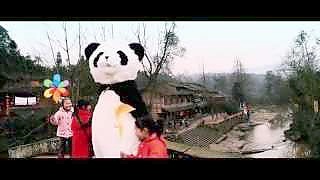
Returning home – a panda’s journey : A Happy Chinese New Year from BeiJingBuzzz : )( :

Love is family (and that is all of us). Love is happiness. Love is coming together.

[640],shadow=true,start=,stop=

Some early CNY decorations - with Street Snap ...

[320],shadow=true,start=,stop=

... More to come - stay tuned ! ...Chinese New Year (CNY), also known as the Spring Festival, is the most important traditional holiday in China, marking the beginning of the lunar new year. It is celebrated by Chinese communities around the world, as well as in other East Asian countries such as Taiwan, Singapore, and Malaysia. Here's an overview of Chinese New Year and its traditions:

Timing and Duration:
Lunar Calendar: Chinese New Year follows the lunar calendar, with the date falling between late January and mid-February each year. The exact date varies because it is based on the lunar phases.

Festival Period: The celebrations typically last for 15 days, beginning on the eve of Chinese New Year and ending with the Lantern Festival on the 15th day of the lunar calendar.

Traditions and Customs:
Family Reunions: Chinese New Year is a time for families to come together and celebrate. Many people travel long distances to reunite with their relatives, leading to the largest annual human migration in the world, known as Chunyun.

Cleaning and Decoration: In the days leading up to Chinese New Year, families clean their homes to sweep away bad luck and make way for good fortune. They also decorate their homes with red lanterns, couplets (duilian), and paper cutouts featuring auspicious symbols.

Chinese New Year's Eve Dinner: The New Year's Eve dinner, known as 'reunion dinner' (??? tuánniánfàn), is a lavish feast shared with family members. Traditional dishes include fish (symbolizing prosperity), dumplings (symbolizing wealth), and various other symbolic foods.

Red Envelopes (Hongbao): Red envelopes containing money are given as gifts during Chinese New Year, especially to children and unmarried individuals. The red color symbolizes good luck and wards off evil spirits.

Fireworks and Firecrackers: Fireworks and firecrackers are set off at midnight on New Year's Eve and throughout the festival period to scare away evil spirits and bring good luck.

Lion and Dragon Dances: Colorful lion and dragon dances are performed in streets, parks, and public squares to bring prosperity and good fortune to communities.

Zodiac Animals:
Each Year is Associated with an Animal: Chinese New Year is symbolized by one of the 12 animals in the Chinese zodiac cycle. Each animal is believed to influence the personality traits and destiny of individuals born in that year.

Travel and Celebrations:
Spring Festival Gala: The Spring Festival Gala, broadcasted on Chinese television on New Year's Eve, features a variety of performances, skits, and musical acts. It is one of the most-watched television programs in the world.

Temple Fairs: Traditional temple fairs are held throughout China during Chinese New Year, offering food stalls, performances, games, and cultural activities for visitors to enjoy.

Chinese New Year is a time of joy, reunion, and renewal, filled with rich traditions and customs that have been passed down through generations. It is a celebration of family, community, and the arrival of spring, marking a fresh beginning and the promise of prosperity in the year ahead.


Related Videos


Featured Videos

Multipolarity – the new reality
With Michael Hudson and Danny HaiPhong ...
Exploring JiNan, provincial capital city of ShanDong – night and day
With China Walking Tour ... Visitor Guide to JiNan, ShanDong Province Overview JiNan, the capital city of ShanDong Province, is known for its natural springs, rich history, and vibrant culture. Often referred to as the "City of Springs," JiNan is a blend of historical landmarks and modern development, making it a fascinating destination for travelers. Getting There By Air: JiNan Yaoqiang International Airport (TNA) is located about 33 kilometers northeast of the city center. It offers both domestic and international flights. You can take an airport shuttle bus, taxi, or the JiNan Metro to reach the city center. By Train: JiNan is a major railway hub with two main stations: JiNan Railway Station and JiNan West Railway Station. Both stations offer high-speed rail connections to major cities like BeiJing, ShangHai, and Xi’an. By Bus: Long-distance buses connect JiNan to various cities in ShanDong Province and beyond. The main bus stations are JiNan Long-Distance Bus Terminal and JiNan East Bus Station. Getting Around Public Transport: JiNan has an extensive bus network and a growing metro system. The metro is convenient for getting around the city quickly. Taxis: Taxis are readily available and relatively inexpensive. Ensure the driver uses the meter or agree on a fare beforehand. Biking: Bike-sharing services are popular and convenient for short trips around the city. Main Attractions Baotu Spring Park Baotu Spring Park is one of JiNan's most famous attractions, known for its clear and gushing springs. The park is a beautiful place to relax and enjoy the natural scenery, traditional pavilions, and cultural performances. Daming Lake Daming Lake is a large natural lake in the heart of JiNan, surrounded by lush gardens, ancient pavilions, and historic temples. It is a popular spot for boating, picnicking, and enjoying the serene environment. Thousand Buddha Mountain (Qianfo Shan) This mountain is famous for its ancient Buddhist statues and temples. Visitors can hike to the top for a panoramic view of the city or explore the many caves and carvings along the way. ShanDong Provincial Museum ShanDong Provincial Museum houses a vast collection of cultural relics, historical artifacts, and natural exhibits. It offers a comprehensive overview of ShanDong's history and culture. Black Tiger Spring Black Tiger Spring is another renowned spring in JiNan, known for its powerful jets of water that resemble a tiger's roar. The spring is located in a scenic park with beautiful landscaping and walking paths. Local Cuisine JiNan's cuisine is characterized by its use of fresh ingredients and traditional cooking techniques. Here are some must-try dishes: JiNan Roast Duck: A local specialty, this roast duck is known for its crispy skin and tender meat, served with pancakes and hoisin sauce. Sweet and Sour Carp: Fresh carp from Daming Lake, prepared in a tangy and sweet sauce, is a signature dish of JiNan. JiNan Noodles: These hand-pulled noodles are often served with a variety of toppings, including meat, vegetables, and spicy sauces. Fried Dumplings: Crispy on the outside and juicy on the inside, JiNan's fried dumplings are a popular street food. Shopping Furong Street: A bustling pedestrian street lined with shops, street food vendors, and souvenir stalls. It's a great place to try local snacks and buy traditional crafts. Quancheng Road: One of JiNan's main shopping streets, offering a mix of modern malls, boutique shops, and local markets. JiNan Wanda Plaza: A large shopping mall with a variety of international and domestic brands, restaurants, and entertainment options. Accommodation Luxury Hotels: For a high-end stay, consider hotels like the Shangri-La Hotel JiNan or the Hyatt Regency JiNan, both offering excellent amenities and service. Mid-Range Hotels: Options such as the Sofitel JiNan Silver Plaza and Holiday Inn JiNan City Center provide comfortable accommodations at reasonable prices. Budget Hotels: For budget travelers, hostels and budget hotels like the JiNan Blue Horizon Hotel offer affordable and convenient lodging. Tips for Visitors Best Time to Visit: The best times to visit JiNan are spring (April to June) and autumn (September to November) when the weather is mild and pleasant. Clothing: Wear comfortable walking shoes and dress in layers to accommodate changing temperatures. An umbrella or raincoat is useful during the rainy season. Respect Local Customs: Be respectful of local customs and traditions. Dress modestly and be mindful of local etiquette, especially when visiting historical and cultural sites. Language: While Mandarin is widely spoken, learning a few basic phrases or using a translation app can be very helpful. Plan Your Visit: JiNan is best explored at a leisurely pace. Take your time to wander through the parks, visit local shops, and enjoy the tranquil atmosphere. Conclusion JiNan, with its rich history, vibrant culture, and stunning natural springs, offers a unique and memorable travel experience. Whether you're exploring ancient temples, savoring the local cuisine, or strolling along the scenic lakes and springs, JiNan provides an unforgettable experience. Plan your visit carefully to make the most of your trip to this fascinating city in ShanDong Province.
Something different – Pink Floyd – part of their last concert (Gilmour, Waters, Mason, Wright )
Featuring the timeless and heart-wrenching Wish You Were Here and Comfortably Numb (wow - don't miss this) ... Dark Side of the Moon (1973) - begins, and ends, with the pulse of a heart (this acclaimed album is like one awesome track). When you have a free hour, listen all the way through to what many regard as the greatest music album ever created. Features Time and Great Gig in the Sky (wow) ... So much time lost, chasing this and that; and then it's all over, before we really began.
Beautiful YangShuo 阳朔, GuangXi province – aerial footage
Tomatoes and sauerkraut
With ErMi ChuiYan ...
The first courtyard of the Forbidden City ç´«ç¦åŸŽ
Filmed in the summer of 2010.
The beautiful NanXiang ancient town, ShangHai
With Wei's Travel ... NanXiang Town is affiliated to JiaDing District, ShangHai. It is one of the four famous historical towns in Shanghai. It was once known as 'Little Nanxiang' and 'Sioux City' in history. Nanxiang is a thousand-year-old ancient town. As early as the fourth year of Liang Tianjian in the Southern Dynasty (AD 505), the Baihe Nanxiang Temple was built, and the temple got its name. Later, monuments such as the Twin Brick Pagodas of the Five Dynasties, Hecha Mountain in the Southern Song Dynasty, and the Guyi Garden and Tan Garden in the Ming Dynasty were built. Nanxiang Town has successively won titles such as China's Famous Historical and Cultural Town and National Civilized Town. Nanxiang has high-tech parks and urban industrial parks. More than 200 companies from more than 20 countries and regions around the world have settled in Nanxiang. Nanxiang is a small town with a very developed economy. The famous Nanxiang Xiaolongbao has also spread all over the world and has become the most famous Nanxiang gourmet masterpiece. 00:00 Travel Highlights 旅行精åŽé¢„览 01:51 Nanxiang Old Street å—ç¿”è€è¡— 06:01 Nanxiang Ancient Town å—ç¿”å¤é•‡ 07:41 Xiaolongbao Cultural Center å—ç¿”å°ç¬¼åŒ…文化馆 11:10 People Street 人民街 21:20 Yunxiang Temple 云翔寺 26:14 Twin Towers Plaza åŒå¡”广场 27:15 Nanxiang History Museum å—ç¿”åŽ†å²æ–‡åŒ–馆 29:57 Huntang Lane 混堂弄 31:14 Tanyuan Garden 檀园 36:42 Shifang Art Museum åæ–¹ä¹¦é™¢ç¾Žæœ¯é¦† 39:21 Mansion of the Ancients å—翔人家 42:17 Baozun Lobby å®å°Šå ‚ 43:34 Garden Lakeside 花园湖景 47:36 Garden Rockery 花园å‡å±± 48:45 Beautiful View in Tanyuan 檀园美景 51:21 Republic Street 共和街 Welcome to NanXiang Ancient Town Introduction History Top Attractions Local Cuisine Visitor Tips Introduction NanXiang Ancient Town, located in the JiaDing District of ShangHai, is a historic town known for its rich cultural heritage, beautiful ancient architecture, and famous NanXiang XiaoLongBao (soup dumplings). The town offers visitors a chance to step back in time and explore traditional Chinese culture and history. History Founded over 1,500 years ago during the Southern and Northern Dynasties, NanXiang has been an important cultural and economic hub in the region. The town played a significant role during the Ming and Qing dynasties, and many of its ancient buildings and structures have been preserved to this day. Top Attractions Guyi Garden Guyi Garden is one of the most famous classical gardens in ShangHai. Originally built in the Ming Dynasty, the garden features beautiful landscapes, ancient trees, and traditional Chinese pavilions, making it a must-visit for those who appreciate natural beauty and history. YunXiang Temple YunXiang Temple is a Buddhist temple with a history of over 1,000 years. The temple is known for its serene environment, exquisite architecture, and significant cultural artifacts. Visitors can explore the temple grounds and learn about its rich history. NanXiang Old Street NanXiang Old Street is a bustling area filled with traditional shops, teahouses, and eateries. The street is lined with ancient buildings, offering a glimpse into the town's past while providing a lively atmosphere for visitors. Local Cuisine NanXiang is the birthplace of the famous NanXiang XiaoLongBao, a type of steamed bun filled with soup and meat. These dumplings are a must-try for any visitor. The town also offers a variety of other local delicacies, including traditional ShangHai snacks and sweets. Visitor Tips Best Time to Visit: Spring and autumn are the best times to visit NanXiang, as the weather is mild and pleasant. Getting There: NanXiang Ancient Town is accessible by metro and bus from downtown ShangHai. The closest metro station is NanXiang on Line 11. Language: While Mandarin is the primary language, many locals speak the Shanghainese dialect. Basic English may be understood in tourist areas. Etiquette: When visiting temples, dress modestly and be respectful of the religious practices.
Rafa’s Chinese New Year
HeYuan city, GuangDong province. With Rafa Goes Around! ...
First time in China – ChongQing
With Uliana's stories ...

Tag search ?