The complete list of UNESCO World Heritage Sites in China

UNESCO World Heritage Sites in China

  1. The Great Wall (长城 Chángchéng): Located in Beijing, Hebei, Tianjin, Shaanxi, Inner Mongolia, Ningxia, and Shanxi. An ancient fortification stretching across China's northern border, built to protect against invasions.
  2. Imperial Palaces of the Ming and Qing Dynasties in Beijing and Shenyang (北京和沈阳的明清皇宫 Běijīng hé Shěnyáng de Míng Qīng Huánggōng): Located in Beijing and Liaoning. Magnificent palace complexes representing China's imperial history and architecture.
  3. Mausoleum of the First Qin Emperor (秦始皇陵 Qín Shǐ Huáng Líng): Located in Shaanxi. The burial site of Emperor Qin Shi Huang, known for the Terracotta Army.
  4. Mogao Caves (莫高窟 Mògāo Kū): Located in Gansu. A complex of Buddhist cave temples containing exquisite murals and sculptures along the Silk Road.
  5. Mount Taishan (泰山 Tàishān): Located in Shandong. A sacred mountain with cultural and historical significance, known for its temples, stone inscriptions, and natural beauty.
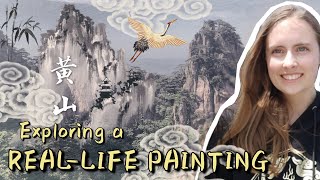
  6. Mount Huangshan (黄山 Huángshān): Located in Anhui. A stunning mountain range known for its granite peaks, pine trees, hot springs, and mystical atmosphere.
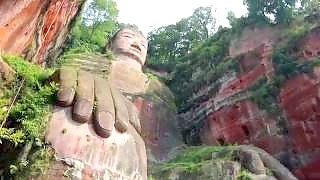
  7. Mount Emei Scenic Area, including Leshan Giant Buddha Scenic Area (峨眉山风景名胜区,包括乐山大佛风景名胜区 Éméishān Fēngjǐng Míngshèng Qū, Bāokuò Lèshān Dàfó Fēngjǐng Míngshèng Qū): Located in Sichuan. A sacred Buddhist mountain with monasteries, temples, and the world's largest Buddha statue.
  8. Old Town of Lijiang (丽江古城 Lìjiāng Gǔchéng): Located in Yunnan. A well-preserved ancient town with traditional Naxi architecture, cobblestone streets, and canals.
  9. Peking Man Site at Zhoukoudian (周口店北京人遗址 Zhōukǒudiàn Běijīngrén Yízhǐ): Located in Beijing. A significant archaeological site containing fossils and artifacts related to Peking Man.
  10. The Classical Gardens of Suzhou (苏州古典园林 Sūzhōu Gǔdiǎn Yuánlín): Located in Jiangsu. A collection of exquisite gardens dating back to the Song Dynasty, known for their harmony between natural landscapes and human creations.
  11. Mount Wuyi (武夷山 Wǔyíshān): Located in Fujian. A scenic area with dramatic cliffs, gorges, rivers, and ancient cultural sites, recognized for its biodiversity and tea cultivation.
  12. Ancient Building Complex in the Wudang Mountains (武当山古建筑群 Wǔdāngshān Gǔjiànzhù Qún): Located in Hubei. A complex of Taoist temples and monasteries nestled in the Wudang Mountains, renowned for their architecture and martial arts heritage.
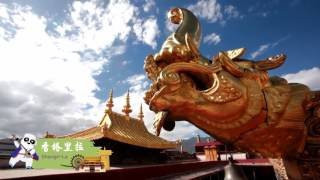
  13. Historic Ensemble of the Potala Palace, Lhasa (布达拉宫历史建筑群 Bùdálā Gōng Lìshǐ Jiànzhù Qún): Located in Tibet. A symbol of Tibetan Buddhism and culture, the Potala Palace is an architectural masterpiece and former residence of the Dalai Lama.
  14. Mountain Resort and its Outlying Temples, Chengde (承德避暑山庄及其周围寺庙 Chéngdé Bìshǔ Shānzhuāng jí Qí Zhōuwéi Sìmiào): Located in Hebei. A vast imperial garden and palace complex featuring traditional Chinese architecture and landscaped gardens.
  15. Temple and Cemetery of Confucius and the Kong Family Mansion in Qufu (曲阜孔庙、孔府及孔林 Qūfù Kǒngmiào, Kǒngfǔ jí Kǒng Lín): Located in Shandong. A sacred site dedicated to Confucius, including his temple, family mansion, and forest of tablets.
  16. Summer Palace, an Imperial Garden in Beijing (颐和园 Yíhé Yuán): Located in Beijing. A masterpiece of Chinese landscape garden design, the Summer Palace features pavilions, temples, and the famous Longevity Hill and Kunming Lake.
  17. Temple of Heaven: an Imperial Sacrificial Altar in Beijing (北京天坛:天坛地区的祭坛 Běijīng Tiāntán: Tiāntán Dìqū de Jìtán): Located in Beijing. A complex of religious buildings where emperors of the Ming and Qing dynasties performed sacrificial rituals for good harvests.
  18. Mount Qingcheng and the Dujiangyan Irrigation System (青城山-都江堰 Qīngchéng Shān - Dūjiāngyàn): Located in Sichuan. A Taoist mountain and ancient irrigation system recognized for their cultural, historical, and technological significance.
  19. Dazu Rock Carvings (大足石刻 Dàzú Shíkè): Located in Chongqing. A series of Buddhist rock carvings dating back to the 9th century, depicting Buddhist scriptures, deities, and scenes of daily life.
  20. Mount Lushan National Park (庐山 Lúshān): Located in Jiangxi. A scenic area known for its natural beauty, cultural sites, and historic role in Chinese literature and art.
  21. Lushan National Park (庐山国家公园 Lúshān Guójiā Gōngyuán): Located in Jiangxi. A UNESCO World Heritage Site known for its rich biodiversity, unique geological formations, and cultural landmarks.
  22. Yungang Grottoes (云冈石窟 Yúngāng Shíkū): Located in Shanxi. A complex of ancient Buddhist cave temples containing thousands of statues and intricate carvings, dating back to the 5th century.
  23. Three Parallel Rivers of Yunnan Protected Areas (云南三江并流地区 Yúnnán Sānjiāng Bìngliú Dìqū): Located in Yunnan. A UNESCO World Heritage Site known for its rich biodiversity and unique geographical features.
  24. Capital Cities and Tombs of the Ancient Koguryo Kingdom (古高丽国都及陵墓 Gǔ Gāolí Guó Dū jí Língmù): Located in Liaoning, Jilin, and Heilongjiang. Containing archaeological remains of the ancient Koguryo Kingdom.
  25. Historic Centre of Macao (澳门历史城区 Àomén Lìshǐ Chéngqū): Located in Macau. Known for its historic architecture, cultural landmarks, and fusion of Chinese and Portuguese influences.
  26. Sichuan Giant Panda Sanctuaries - Wolong, Mt Siguniang and Jiajin Mountains (四川大熊猫栖息地:卧龙、四姑娘山和夹金山 Sìchuān Dàxióngmāo Qīxīdì: Wòlóng, Sìgūniáng Shān hé Jiājīn Shān): Located in Sichuan. Protecting habitats of the giant panda and other rare species.
  27. Yin Xu (殷墟 Yīnxū): Located in Henan. The ruins of the ancient capital of the Shang Dynasty, known for its oracle bone inscriptions and archaeological significance.
  28. Tu Fu's Thatched Cottage (杜甫草堂 Dù Fǔ Cǎotáng): Located in Sichuan. The former residence of the famous Tang Dynasty poet Du Fu, now a museum dedicated to his life and works.
  29. Mount Sanqingshan National Park (三清山 Sānqīngshān): Located in Jiangxi. Known for its dramatic granite peaks, lush forests, and unique rock formations.
  30. Wulingyuan Scenic Area (武陵源风景名胜区 Wǔlíngyuán Fēngjǐng Míngshèng Qū): Located in Hunan. Famous for its towering sandstone pillars, deep ravines, and lush vegetation.
  31. Historic Villages of China - Xidi and Hongcun (中国古村落-西递、宏村 Zhōngguó Gǔ Cūnluò - Xīdì, Hóng Cūn): Located in Anhui. Featuring well-preserved traditional villages with ancient architecture and cultural heritage.
  32. Longmen Grottoes (龙门石窟 Lóngmén Shíkū): Located in Henan. Containing thousands of Buddhist statues and carvings carved into limestone cliffs.
  33. Mount Wutai (五台山 Wǔtáishān): Located in Shanxi. A sacred Buddhist mountain known for its monasteries, temples, and cultural significance.
  34. China Danxia (中国丹霞 Zhōngguó Dānxiá): Located in various provinces. A series of unique landscapes characterized by red sandstone formations, known for their natural beauty and geological significance.
  35. Historic Monuments of Dengfeng in "The Centre of Heaven and Earth" (登封历史建筑群 Dēngfēng Lìshǐ Jiànzhù Qún): Located in Henan. Containing ancient religious sites and martial arts traditions.
  36. Site of Xanadu (元上都城址 Yuán Shàngdū Chéngzhǐ): Located in Inner Mongolia. The ruins of Kublai Khan's summer capital, known for its historical and cultural significance.
  37. Mount Emei Scenic Area, including Leshan Giant Buddha Scenic Area (峨眉山风景名胜区,包括乐山大佛风景名胜区 Éméishān Fēngjǐng Míngshèng Qū, Bāokuò Lèshān Dàfó Fēngjǐng Míngshèng Qū): Located in Sichuan. A UNESCO World Heritage Site known for its sacred Buddhist mountain and giant Buddha statue.
  38. Qin and Han Dynasties: Mausoleums and Goguryeo Ancient Tombs (秦汉与高句丽古墓群 Qín Hàn yǔ Gāojǔlí Gǔ Mù Qún): Located in Liaoning and Jilin. Containing ancient mausoleums and tombs.

Related Videos


Featured Videos
ShangHai 上海 by day
Places include People's Square, Nanjing Road, the Bund, Pudong and more ...
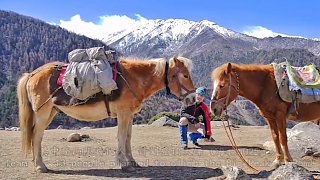
Langmusi, a serene Tibetan village in southern GanSu province
With Ben Cubbage ... Welcome to Langmusi - A Serene Tibetan Village in GanSu Province Introduction Top Attractions Activities Local Culture Local Cuisine Visitor Tips Getting There Introduction Langmusi, also known as Taktsang Lhamo in Tibetan, is a picturesque village nestled in the Tibetan Grasslands, straddling the border between GanSu and SiChuan provinces. Known for its serene beauty, Langmusi is a spiritual haven and an important cultural hub for the Tibetan people. The village is surrounded by rolling grasslands, majestic mountains, and crystal-clear rivers, offering a tranquil escape from the hustle and bustle of modern life. Langmusi is famous for its Tibetan Buddhist monasteries, stunning natural landscapes, and vibrant Tibetan culture. It serves as a gateway to the vast Tibetan Plateau and is a popular destination for travelers seeking peace, spirituality, and a deeper connection with nature. Despite its remote location, Langmusi has retained its traditional charm and offers visitors a unique glimpse into the rich cultural heritage of the Tibetan people. Top Attractions Sertri Monastery Sertri Monastery, also known as Taktsang Lhamo Kirti Gompa, is one of the two main monasteries in Langmusi. Located on the northern side of the village, this monastery is an important center for Tibetan Buddhism and is home to hundreds of monks. The monastery's stunning architecture, intricate murals, and peaceful atmosphere make it a must-visit for anyone interested in Tibetan culture and spirituality. Visitors can attend prayer sessions, observe daily rituals, and explore the monastery's various halls and chapels. Kerti Monastery Kerti Monastery, also known as Kirti Gompa, is the second major monastery in Langmusi. Situated on the southern side of the village, Kerti Monastery is slightly smaller but equally significant. The monastery is known for its vibrant religious festivals, where monks and locals gather to celebrate with colorful processions, music, and dance. The surrounding area is also ideal for short hikes, offering panoramic views of the village and the surrounding grasslands. Namo Gorge Namo Gorge is a breathtaking natural wonder located just outside Langmusi. This narrow gorge is carved by the Bailong River and is flanked by towering cliffs and dense forests. A walk through the gorge offers a peaceful retreat into nature, with the sound of the river, the chirping of birds, and the scent of wildflowers filling the air. The gorge is also home to several meditation caves used by monks, adding to its spiritual significance. Sky Burial Site The Sky Burial Site in Langmusi is a unique and culturally significant place where traditional Tibetan sky burials are conducted. This ancient funerary practice involves placing the deceased on a mountaintop to be consumed by vultures, symbolizing the cycle of life and death in Tibetan Buddhism. While tourists are generally not allowed to observe the ceremonies out of respect, the site is an important aspect of Tibetan culture and spirituality, and its location offers a serene view of the surrounding landscape. Activities Hiking and Trekking: Langmusi is a paradise for hikers and trekkers, with numerous trails leading through the Tibetan Grasslands, mountains, and valleys. Popular routes include hikes to Namo Gorge, visits to meditation caves, and treks to nearby Tibetan nomad camps. Horseback Riding: Experience the traditional Tibetan way of life by exploring the grasslands on horseback. Local guides offer horseback riding tours that take you through scenic landscapes and offer insights into the nomadic culture of the region. Cultural Tours: Immerse yourself in Tibetan culture by visiting local monasteries, attending prayer sessions, and learning about Buddhist rituals and traditions. Cultural tours often include visits to both Sertri and Kerti Monasteries, as well as interactions with local monks. Photography: Langmusi's stunning landscapes, traditional Tibetan architecture, and vibrant culture make it a photographer's dream. Capture the beauty of the grasslands, the serenity of the monasteries, and the daily life of the Tibetan people. Stargazing: Due to its remote location and high altitude, Langmusi offers exceptional stargazing opportunities. On clear nights, the sky is filled with countless stars, making it an ideal place to connect with the cosmos. Local Culture Langmusi is deeply rooted in Tibetan culture, and visitors to the village will have the opportunity to experience the rich traditions, spirituality, and way of life of the Tibetan people. The village is home to both Tibetans and Hui Muslims, and the blend of cultures adds to the unique charm of the area. Tibetan Buddhism plays a central role in the daily life of the villagers, and the two main monasteries, Sertri and Kerti, are integral to the spiritual and cultural fabric of Langmusi. Festivals and religious ceremonies are celebrated with great enthusiasm, and visitors may have the chance to witness colorful processions, traditional music, and sacred dances. The Tibetan nomadic culture is also prevalent in the surrounding grasslands, where nomads live in traditional tents and herd yaks and sheep. Visitors can learn about the nomadic way of life, including their customs, clothing, and food, by visiting nomad camps or interacting with local families. Local Cuisine The cuisine in Langmusi is a reflection of its Tibetan heritage, with hearty dishes that are well-suited to the high-altitude environment. Some must-try dishes include: Yak Butter Tea: A traditional Tibetan drink made from yak butter, salt, and tea leaves. It has a unique flavor and is often consumed to provide warmth and energy in the cold climate. Tsampa: A staple food in Tibetan cuisine, tsampa is made from roasted barley flour and is often mixed with yak butter tea to form a dough-like consistency. It is a versatile dish that can be eaten at any time of day. Yak Meat Dishes: Yak meat is a common ingredient in Tibetan cuisine, and it is often used in stews, dumplings, and stir-fries. The meat is flavorful and rich, making it a popular choice among locals and visitors alike. Momos: Tibetan dumplings filled with meat or vegetables and served with a spicy dipping sauce. Momos are a popular snack and are often enjoyed with tea. Thukpa: A hearty noodle soup made with meat, vegetables, and sometimes yak butter. Thukpa is a warming dish that is perfect for the cool climate of Langmusi. Visitor Tips Altitude Awareness: Langmusi is located at an altitude of over 3,300 meters (10,827 feet), so it's important to be aware of altitude sickness. Take time to acclimatize, stay hydrated, and avoid strenuous activity in the first few days. Best Time to Visit: The best time to visit Langmusi is from May to October when the weather is milder and the grasslands are lush and green. Winter can be extremely cold, with heavy snowfall making travel difficult. Respect Local Customs: Langmusi is a deeply spiritual place, so it's important to respect local customs and traditions. Dress modestly, particularly when visiting monasteries, and ask for permission before taking photos of people or religious sites. Stay on Designated Paths: When exploring the grasslands and surrounding nature, stick to designated paths to avoid damaging the fragile ecosystem and to ensure your safety. Language: While Mandarin is spoken in Langmusi, many locals, particularly older residents and monks, speak Tibetan. Learning a few basic phrases in Tibetan can enhance your experience and help you connect with the local community. Getting There Langmusi is located in a remote area, but it is accessible by several means: By Air: The nearest airport is Xiahe/Gannan Airport, which is about 90 km (56 miles) from Langmusi. From the airport, you can hire a taxi or take a bus to the village. Flights to Xiahe/Gannan Airport are available from major cities such as ChengDu and Xi'An. By Bus: Buses run regularly from nearby towns such as HeZuO, XiaHe, and LuQu to Langmusi. The bus ride offers scenic views of the Tibetan Plateau and is an affordable option for reaching the village. By Car: Renting a car or hiring a private driver is a convenient way to reach Langmusi, especially if you plan to explore the surrounding areas. The drive from HeZuO to Langmusi takes about 4 hours and offers stunning views of the grasslands and mountains. By Train: The nearest major train station is in Lanzhou, GanSu's capital. From Lanzhou, you can take a bus or hire a car to reach Langmusi. The journey from Lanzhou takes approximately 8-10 hours.
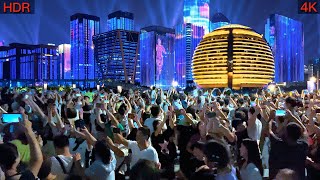
Night walk in WuHan, capital of HuBei province
With Walk East ...
30 days trip to GuangZhou 广州 and ShenZhen 深圳
GuangDong province ... Bonus film - 广州花城广场延时摄影Timelapse & Hyperlapse of HuaCheng Square
First time in China – ChengDu, SiChuan province
With Travel For Phoebe ...
The JinShanLing 金山岭 to SiMaTai 司马台 Great Wall hike
The most thrilling and picturesque part of the Great Wall of China that's not far from BeiJing (120 kilometers).
The Temple of Heaven 天坛, BeiJing – video
Happy Valentine’s Day from BeijingBuzzz 4 / 4
We hope all our visitors will one day find (or have found) their true love. Romantic songs galore ... When love calls your name ... are you ready to believe ? Are you strong enough, to trust in love ...? No matter what ... Three little words : Wo ai ni (I love you) ... Waiting for my chance, I was lost, then found, All I know is : We're all in the dance. One life ... one love ... Beginning with 'Superhero Wedding' ... Romance is great, but love is greater. Remember that scene from 'Karate Kid' ? Put on your jacket, take off your jacket, put on your jacket, take off your jacket ...' Kung Fu is not just an activity one does now and then - it is a way of life and permeates one's very heart and is in everything one does. So it is for the true love. Time may flow on without halt, but you won't. However, what you do in life can have a lasting impact, and resonate from heart to heart, down the ages. Love is without fear, love is now, love is forever. Single or double, the most important thing is to love life ... Happy lovers day, from BeijingBuzzz : )( : This is it.
Monsters and Big Fish – a music special
Music - the global language that brings people together. Love has no borders. Zhou Shen sings 'Monsters' by Katie Sky - a song about the demons that can crush the human spirit. Reaction by Katie, talking with YouTuber British Jack - and a challenge ... British Jack and British Mum invited their friend and Professional UK Singer Katie Sky (of Monsters) to sing 周深 Zhou Shen's '大鱼/ Big Fish' all in Chinese! As we all know, 'Big Fish' is a very difficult song full of Chinese style, with a beautiful melody. As a powerful singer, Katie Sky showed off her voice today and sang a deep 'Big Fish', which amazed British Jack and British Mum ... Katie Sky - Big Fish, the video ... Katie and Jack look back on the musical journey, and also to the future ... Don't miss the totally beautiful, moving and inspiring 2018 animated movie Big Fish and Begonia ... Big Fish lyrics ... The waves of the sea soundlessly drowns out the night, Overflowing from the edges of the sky. Big Fish is swimming in the gaps of dreamscape, Gazing upon your slumbering form. Look - the sea and sky are of the same color, Listen - raising winds and falling rain. Take your hand, blow away the endless mist. Big Fish's wings are too vast, I release the ropes of time. I fear you'd fly far, Far away from me. But I fear even more so that you stay here forever. Every drop of tear, they flow to you. Falling into the depths of the sky. The waves of the sea soundlessly drowns out the night, Overflowing from the edges of the sky. Big Fish is swimming in the gaps of dreamscape, Gazing upon your slumbering form. Look; the sea and sky are of the same color, Listen; raising winds and falling rain. Take your hand, blow away the endless mist. Big Fish's wings are too vast, I release the ropes of time. Watch you fly far, so far, Far away from me. It was true, you were born for the Heavens. Every drop of tear, they all flow to you. Falling back to the first time we met. Falling back to the first time we met. Falling back to ... the first time ... we met.

Tag search ?