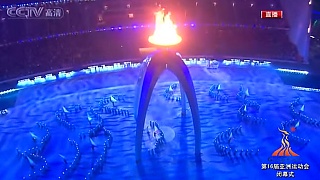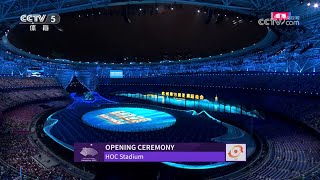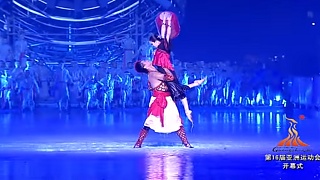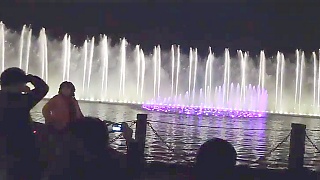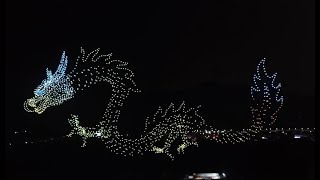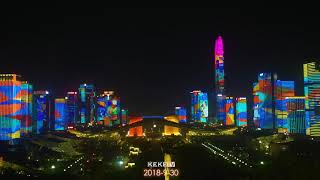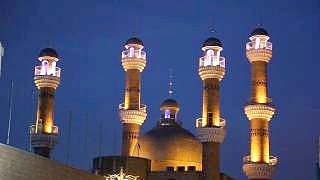
The HangZhou Asian Games 2023 architectural light show

[640],shadow=true,start=,stop=

Hangzhou, located in eastern China's Zhejiang province, is renowned for its picturesque West Lake, traditional tea culture, and historic sites. Here's a guide for tourists visiting Hangzhou:

West Lake and Scenic Areas:
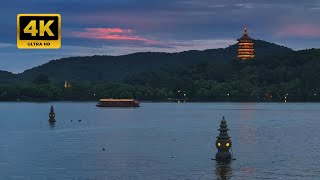
West Lake (Xi Hu): This UNESCO World Heritage Site is the centerpiece of Hangzhou's natural beauty, with its serene waters, pagodas, gardens, and surrounding hills. Visitors can take boat cruises, stroll along the lakeside paths, or rent bicycles to explore the area.

Leifeng Pagoda: Situated on the southern shore of West Lake, this historic pagoda offers panoramic views of the lake and the city skyline.

Lingyin Temple (Temple of the Soul's Retreat): One of the most important Buddhist temples in China, Lingyin Temple features ancient rock carvings, serene courtyards, and a large statue of Buddha.

Xixi Wetland Park: Explore the tranquil waterways, traditional villages, and lush greenery of this scenic wetland park, located on the outskirts of Hangzhou.

Tea Culture:
Longjing (Dragon Well) Tea Plantations: Hangzhou is famous for producing Longjing tea, one of China's most prized green teas. Visitors can tour the tea plantations in the nearby hills, learn about the tea-making process, and sample freshly brewed Longjing tea.

National Tea Museum: Learn about the history, cultivation, and cultural significance of tea in China at this informative museum located on the outskirts of Hangzhou.

Historic and Cultural Sites:
Six Harmonies Pagoda (Liuhe Pagoda): This ancient pagoda offers panoramic views of the Qiantang River and the surrounding countryside. It also houses a small museum showcasing Buddhist artifacts.

Hefang Street (Qinghefang Ancient Street): Stroll along this historic street lined with traditional shops, teahouses, and snack stalls selling local delicacies and handicrafts.

China National Silk Museum: Discover the art of silk production and the history of the silk trade in China at this museum, which features exhibits on silk weaving, dyeing techniques, and cultural artifacts.

Modern Attractions:
Hangzhou Grand Canal: Take a boat cruise along the Grand Canal, the world's longest and oldest canal, to admire the historic architecture and bustling waterfront scenes.

Hangzhou CBD (Central Business District): Explore the modern side of Hangzhou with its skyscrapers, shopping malls, and vibrant nightlife.

Practical Tips:
Transportation: Hangzhou has an extensive public transportation network, including buses, subways, and taxis. Bicycles and electric scooters are also popular options for getting around the city.

Weather: Hangzhou has a humid subtropical climate with hot, humid summers and mild, damp winters. Spring and autumn are the best times to visit when the weather is pleasant and the landscapes are at their most beautiful.

Language: Mandarin Chinese is the official language, but English may not be widely spoken outside of tourist areas. It's helpful to learn a few basic phrases or carry a translation app.

Hangzhou's blend of natural beauty, cultural heritage, and modern amenities makes it a captivating destination for tourists. Whether you're exploring historic sites, indulging in tea culture, or simply enjoying the tranquility of West Lake, Hangzhou offers a memorable experience for visitors of all interests.
Related Videos


Featured Videos

An introduction to the Chinese language for visitors
With HowToChinese and Fluenz ...
RollerCoaster ride at Happy Valley, BeiJing 北京
2012.
ShenZhen is electric – 16,000 electric buses & 22,000 electric taxis
16,000 buses represents ShenZhen's entire public bus fleet - it is totally electric; less pollution, less noise, greener city. In June 2021, China as a whole has almost half a million all electric buses. Plus, a visit to BYD (Build Your Dreams) ...
The king of the beans – the giant ‘sword bean’
A trip to the Hakka TuLou in FuJian province
The Hakka Tulou are unique, fortress-like buildings located in the mountainous areas of Fujian Province. These large, circular or rectangular earthen structures were built by the Hakka people, an ethnic group known for their migratory history. The Tulou are notable for their communal living spaces, defensive features, and remarkable architectural design. Who are the Hakka People? The Hakka are a subgroup of the Han Chinese, known for their migratory history and resilience. Originating from northern China, the Hakka migrated southwards over several centuries, settling in the mountainous regions of southern China. The name "Hakka" means "guest people," reflecting their history of migration and settlement in new areas. Hakka culture places a strong emphasis on education, family unity, and community cooperation. Despite facing hardships and displacement, the Hakka have maintained their unique cultural identity and traditions. Historical and Cultural Background Origins and History The construction of Tulou began during the Song Dynasty (960-1279) and continued through the Ming (1368-1644) and Qing (1644-1912) Dynasties. These buildings were designed to provide protection and communal living for large families or clans, often housing up to 80 families in a single Tulou. Cultural Significance The Tulou reflect the Hakka people's need for security and their communal lifestyle. The buildings are designed to be self-sufficient, with living quarters, storage areas, and defensive structures all incorporated into the design. The Hakka culture values family unity, and the Tulou are a physical manifestation of this principle. Architectural Features Design and Structure Tulou are typically large, multi-storied structures built with thick earthen walls that provide insulation and protection. The outer walls are made from rammed earth, mixed with stone, bamboo, and wood, making them extremely durable. The interiors are organized around a central courtyard, with rooms for living, storage, and communal activities. Defensive Capabilities The design of the Tulou includes defensive features such as narrow windows and a single, reinforced entrance. These elements were intended to protect the inhabitants from bandits and wild animals. The circular shape of many Tulou also allows for effective communication and defense within the building. Communal and Social Aspects Living Arrangements The Tulou were built to house entire clans, with each family having its own designated area within the structure. The central courtyard served as a communal space for social activities, celebrations, and meetings. This layout fostered a strong sense of community and cooperation among the inhabitants. Self-Sufficiency The Tulou were designed to be self-sufficient, with areas designated for food storage, livestock, and agricultural activities. This self-sufficiency was essential, as the Tulou were often located in remote, mountainous areas where resources needed to be carefully managed. UNESCO World Heritage Status Recognition In 2008, several Fujian Tulou were inscribed as UNESCO World Heritage Sites. This recognition highlights their architectural uniqueness, cultural significance, and historical importance. The Tulou are considered outstanding examples of communal living and defensive architecture. Conservation Efforts Efforts to preserve the Tulou focus on maintaining the traditional construction techniques and protecting the buildings from modern threats such as tourism pressure and environmental degradation. These efforts aim to ensure that the Tulou remain a living part of Hakka culture. Conclusion The Hakka Tulou are extraordinary structures that embody the resilience, ingenuity, and communal spirit of the Hakka people. These architectural marvels continue to stand as a testament to the Hakka's ability to adapt and thrive in challenging environments. As both historical treasures and vibrant communities, the Tulou attract visitors from around the world, offering a glimpse into a unique way of life. With How To Do? In China ...
For all my friends at FineArtAmerica (FAA)
The world can't hold you down ... Fine Art America Live more ! Full post : Beautiful China trip video films
Xi’An 西安 scenes …
A visit to the ancient Chinese capital of Xi'An, ShaanXi province ...
Hong Kong White Rose exhibition space 香港白色玫瑰展示塲地
In February 2016, 25,000 white roses, actually LED lights, were installed in the Central Promenade and Tamar Park area of Hong Kong's business district, for both Valentine's day and the Lantern Festival, part of the Chinese New Year period. Beautiful ... Plus, views of Hong Kong's skyline ...
Taz and Libby in ChongQing
With Sun Kissed Bucket List ...

Tag search ?