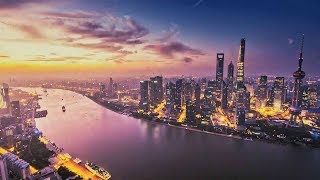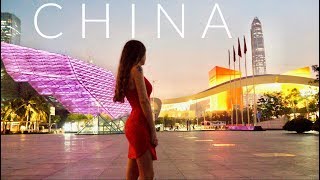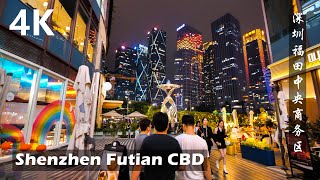
An aerial view of ShenZhen 深圳 city at night

[640],shadow=true,start=,stop=

Shenzhen is a modern metropolis located in Guangdong Province, bordering Hong Kong to the south. Known as China's first Special Economic Zone, Shenzhen has transformed from a fishing village into a bustling city known for its innovation, technology, and vibrant culture. Here's what you need to know as a tourist visiting Shenzhen:

Modern Landmarks and Skyscrapers:
Shenzhen Bay Park: This expansive waterfront park offers stunning views of Shenzhen's skyline and the Hong Kong skyline across the bay. It's a popular spot for leisurely strolls, cycling, and picnics.

Shenzhen Civic Center: Admire the futuristic architecture of the Shenzhen Civic Center, which includes landmarks such as the Shenzhen Concert Hall, Shenzhen Library, and Shenzhen Museum.

Ping An Finance Centre: Marvel at one of the tallest skyscrapers in China and the fourth-tallest in the world, featuring an observation deck on the 116th floor offering panoramic views of the city.

Theme Parks and Entertainment:
Window of the World: Explore miniature replicas of famous landmarks from around the world, including the Eiffel Tower, the Taj Mahal, and the Great Wall of China, all in one place.

Happy Valley: This amusement park offers thrilling rides, live entertainment, and themed areas catering to visitors of all ages, making it a popular destination for families and thrill-seekers.

Shopping and Dining:
Huaqiangbei Electronics Market: Known as the world's largest electronics market, Huaqiangbei is a paradise for tech enthusiasts, offering everything from gadgets and components to accessories and repairs.

Coco Park: This upscale shopping and dining district features a wide range of boutiques, department stores, restaurants, bars, and cafes, catering to both locals and tourists.

Cultural and Historical Sites:
Dafen Oil Painting Village: Explore this vibrant artist community known for its reproduction oil paintings, where you can watch artists at work and purchase artworks at affordable prices.

Fairy Lake Botanical Garden: Escape the urban hustle and bustle at this expansive botanical garden, featuring lush greenery, scenic walking trails, and a diverse collection of plants and flowers.

Practical Tips:
Transportation: Shenzhen has a well-developed public transportation system, including the metro, buses, and taxis. The metro is the most convenient way to get around the city, with signs and announcements in both Chinese and English.

Language: Mandarin is the official language, but Cantonese and English are also widely spoken, especially in tourist areas, hotels, and restaurants.

Weather: Shenzhen has a subtropical climate with mild, dry winters and hot, humid summers. The best times to visit are spring (March to May) and autumn (September to November) when the weather is pleasant and comfortable.

Visa: Depending on your nationality, you may need a visa to enter China. Check the latest visa requirements and apply in advance if necessary.

Shenzhen offers a dynamic mix of modern attractions, cultural experiences, and shopping opportunities, making it an exciting destination for tourists seeking a taste of urban life in China. Whether you're interested in technology, entertainment, or simply exploring a vibrant city, Shenzhen has something for everyone.
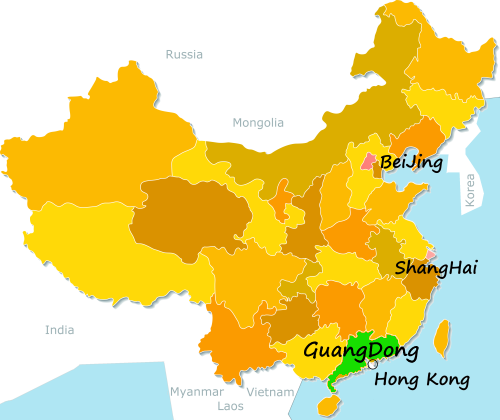

GuangDong map

Related Videos


Featured Videos

Who really is the aggressor ?  (geopolitics)
With Double Down News ... With Danny HaiPhong and Brian Berletic ...
Blondie in LanZhou, GanSu province (food adventure)
With Blondie in China ... Visitor Guide to LanZhou, GanSu Province Overview LanZhou, the capital city of GanSu Province, is a major transportation and cultural hub located in the northwest of China. Famous for its rich history, stunning natural landscapes, and the iconic Yellow River, LanZhou offers a unique blend of traditional Chinese culture and modern development. Getting There By Air: LanZhou Zhongchuan International Airport (LHW) is located about 70 kilometers from the city center. It offers both domestic and international flights. You can take an airport shuttle bus or a taxi to reach the city center. By Train: LanZhou is a major railway hub with connections to many cities across China. The LanZhou Railway Station and LanZhou West Railway Station serve both high-speed and regular trains. By Bus: Long-distance buses connect LanZhou to various cities in GanSu Province and beyond. The main bus stations are LanZhou East Bus Station and LanZhou West Bus Station. Getting Around Public Transport: LanZhou has an extensive bus network and a developing metro system. The metro is convenient for getting around the city quickly. Taxis: Taxis are readily available and relatively inexpensive. Ensure the driver uses the meter or agree on a fare beforehand. Biking: LanZhou is bike-friendly, and bike-sharing services are popular and convenient for short trips. Main Attractions Zhongshan Bridge (Yellow River Iron Bridge) The Zhongshan Bridge, also known as the First Bridge over the Yellow River, is an iconic historical landmark. Built in 1907, it offers stunning views of the Yellow River and is a great spot for a leisurely walk. White Pagoda Mountain (Baita Mountain) White Pagoda Mountain provides a panoramic view of LanZhou and the Yellow River. The mountain is named after the White Pagoda Temple located on its summit. The temple and surrounding park are perfect for hiking and enjoying the natural beauty. Gansu Provincial Museum This museum is a treasure trove of cultural relics and historical artifacts, showcasing the rich history and cultural heritage of GanSu Province. Highlights include ancient Silk Road artifacts, fossils, and traditional Tibetan and Han exhibits. Waterwheel Garden The Waterwheel Garden is a unique park featuring large, traditional waterwheels that were once used for irrigation along the Yellow River. The park provides insight into the agricultural history of the region and is a pleasant place for a stroll. Bingling Temple Grottoes Located about 75 kilometers from LanZhou, the Bingling Temple Grottoes are renowned for their Buddhist cave carvings and statues, some dating back to the Western Qin dynasty. The grottoes are accessible by boat from the Liujiaxia Reservoir. Local Cuisine LanZhou is famous for its delicious and unique cuisine. Here are some must-try dishes: LanZhou Beef Noodles: Also known as "Lamian," these hand-pulled noodles are served in a flavorful beef broth with slices of tender beef, radish, and fresh herbs. Niang Pi: A cold noodle dish made from wheat or rice flour, often served with a spicy sauce and various toppings like cucumber and bean sprouts. Rou Jia Mo: Often referred to as the Chinese hamburger, it consists of a flatbread filled with seasoned, shredded meat. Yellow River Carp: Freshly caught from the Yellow River, this fish is typically braised or steamed and served with a savory sauce. Shopping Zhengning Road Night Market: A bustling night market offering a variety of local snacks, street food, and souvenirs. Xiguan Mosque Market: Located near the Xiguan Mosque, this market features ethnic Hui products, traditional handicrafts, and a variety of halal foods. Qilihe Market: A large wholesale market where you can find everything from clothing and electronics to fresh produce and household items. Accommodation Luxury Hotels: For a high-end stay, consider hotels like the Crowne Plaza LanZhou or the Wanda Vista LanZhou, both offering excellent amenities and service. Mid-Range Hotels: Options such as the Ibis LanZhou Zhangye Road and the James Joyce Coffetel provide comfortable accommodations at reasonable prices. Budget Hotels: For budget travelers, hostels and budget hotels like the LanZhou Lemon Tree Youth Hostel offer affordable and convenient lodging. Tips for Visitors Best Time to Visit: The best times to visit LanZhou are spring (April to June) and autumn (September to November) when the weather is mild and pleasant. Local Etiquette: Respect local customs and traditions, especially in areas with significant Muslim Hui populations. Dress modestly and be mindful of dietary restrictions when dining out. Language: While Mandarin is widely spoken, learning a few basic phrases or using a translation app can be very helpful. Stay Hydrated: LanZhou has a dry climate, so drink plenty of water, especially if you are hiking or spending time outdoors. Conclusion LanZhou, with its rich history, vibrant culture, and stunning landscapes, offers a unique and memorable travel experience. Whether you're exploring ancient grottoes, savoring the famous beef noodles, or strolling along the Yellow River, LanZhou has something for every traveler. Plan your visit carefully to make the most of this fascinating city in GanSu Province.
ZhengZhou 郑州 workout
Provincial capital of HeNan province. Fit for life ...
More about narcissism
A taste of China at home : basic essentials
Essential Chinese Sauces, Spices and Oils for your kitchen cupboard: Soy Sauce (酱油, Jiàngyóu): Soy sauce is perhaps the most essential condiment in Chinese cooking. It adds saltiness, depth, and umami flavor to dishes. There are different varieties of soy sauce, including light soy sauce (生抽, Shēngchōu) and dark soy sauce (老抽, Lǎochōu), each with its own flavor profile and usage. Oyster Sauce (蚝油, Háoyóu): Oyster sauce is a thick, savory sauce made from oyster extracts, soy sauce, sugar, and other seasonings. It has a rich, umami flavor and is commonly used as a seasoning and flavor enhancer in stir-fries, marinades, and dipping sauces. Sesame Oil (麻油, Máyóu): Sesame oil is a fragrant oil made from toasted sesame seeds. It has a nutty flavor and adds depth and aroma to dishes. Sesame oil is often used as a finishing oil, added at the end of cooking for its distinct flavor. It is commonly used in stir-fries, marinades, dressings, and dipping sauces. Try the toasted version. Rice Vinegar (米醋, Mǐcù): Rice vinegar is a mild, slightly sweet vinegar made from fermented rice. It adds acidity and brightness to dishes and is commonly used in marinades, dressings, dipping sauces, and pickling. Chili Bean Paste (豆瓣酱, Dòubànjiàng): Chili bean paste, also known as doubanjiang or Toban Djan, is a spicy and savory paste made from fermented broad beans, chili peppers, and soybeans. It has a complex flavor with a balance of saltiness, sweetness, and heat. Chili bean paste is a key ingredient in Sichuan cuisine and is used in dishes such as Mapo Tofu and Twice-cooked Pork. Shaoxing Wine (绍兴酒, Shàoxīngjiǔ): Shaoxing wine is a type of Chinese rice wine made from fermented glutinous rice. It adds depth of flavor and aroma to dishes and is commonly used in marinades, braises, and stir-fries. Shaoxing wine is a staple ingredient in Chinese cuisine and is often referred to as the "cooking wine" in Chinese recipes. Chili Oil (辣椒油, Làjiāoyóu): Chili oil is a spicy and aromatic oil made by infusing hot oil with dried chili peppers and other aromatics. It adds heat and flavor to dishes and is commonly used as a condiment in noodle soups, stir-fries, dumplings, and dipping sauces. Hoisin Sauce (海鲜酱, Hǎixiānjiàng): Hoisin sauce is a thick, sweet and savory sauce made from soybeans, sugar, vinegar, garlic, and various spices. It has a complex flavor with notes of sweetness, saltiness, and umami. Hoisin sauce is commonly used as a dipping sauce for spring rolls, a glaze for roasted meats, and a flavoring agent in stir-fries and marinades. Five-Spice Powder (五香粉, Wǔxiāngfěn): Five-spice powder is a blend of ground spices commonly used in Chinese cuisine. It typically includes star anise, cloves, Chinese cinnamon (cassia), Sichuan peppercorns, and fennel seeds. Five-spice powder adds a warm, aromatic flavor to dishes and is often used in marinades, rubs, braises, and stir-fries. These essential Chinese sauces, spices, and oils add depth, flavor, and complexity to a wide range of Chinese dishes. Experimenting with these ingredients can help you create authentic and delicious Chinese cuisine at home! We have recipes for Chili Oil and HoiSin Sauce but by all means try those from your Chinese supermarket first.
Summer in BeiJing 北京
Despite its northern location, Beijing, the blue sky city, is one of the sunniest places in China and, in summer, also one of the hottest. Although around 1,000 miles north of Shanghai, and some 2,000 miles north of Hong Kong and tropical Hainan, Beijing is hotter through the summer months (mid-may to mid-September). Generally a dry heat, tropical thunderstorms can appear on occasion, and with night time temperatures in the 70s you'll be dancing in the rain ;) Excursion ideas : the in-the-mountains Buddhist temples of JieTaiSi and TanZheSi (bus, from the western end of metro line 1), the coastal city of TianJin (train), the beach at BeiDaiHe (train) and the nearby eastern end of the Great Wall (QinHuangDao), the imperial summer resort of ChengDe (combine with a visit to Simatai / JinShanLing Great Wall; coach or train), LongQing Gorge (LongQing Xia), the Spirit Way and general countryside at the Ming Tombs. TianJin can be a day trip as it is connected by high-speed rail, but two days would be great too. For ChengDe or BeiDaiHe, two or three days is best. Remember to take your passport in order to check in to a hotel. Or (more locally) visit the beach / pool at ChaoYang Park. Also, consider the Summer Palace (YiHeYuan), YuanMingYuan (the 'old' / original Summer Palace), BeiHai and JingShan Parks, the Ethic Culture Park (MinZu), the Olympic Forest Park, and these places in the Western Hills: XiangShan Park, Beijing Botanical Garden, BaDaChu (Eight Great (Buddhist) Sites area).
The main pavilions at the ShangHai 上海 World Expo – video
The China pavilion and the Urbanisation pavilion. 'Better City, Better Life' : 1st May to 31st October 2010.
LiuZhou 柳州 city, GuangXi province
A guide to BeiJing 北京 through the seasons …
A video treat ! Four films, starting with 'summer'. Welcome, to the blue sky city of Beijing ...

Tag search ?