|
With VisitHenan ...
With Wandering The World ...
Visitor guide to LuoYang, HeNan province
Getting There
By Air: LuoYang Beijiao Airport (LYA) offers flights to major cities in China. The airport is about 10 kilometers from the city center, and you can take a taxi or shuttle bus to your destination.
By Train: LuoYang is well-connected by rail, with services to major cities such as Beijing, Xi'an, and Zhengzhou. The high-speed rail network makes travel convenient and efficient.
By Bus: Long-distance buses connect LuoYang with other cities in HeNan and neighboring provinces. The LuoYang Long-Distance Bus Station is the main hub for these services.
Accommodation
LuoYang offers a range of accommodation options, from luxury hotels to budget hostels. Some recommended options include:
Luxury: Hyatt Place LuoYang, Peony Plaza Hotel
Mid-Range: Holiday Inn Express LuoYang City Center, Jinjiang Inn LuoYang Train Station
Budget: LuoYang Youth Hostel, various local guesthouses
Attractions and Activities
Historical and Cultural Sites
Longmen Grottoes: A UNESCO World Heritage Site, the Longmen Grottoes feature thousands of Buddha statues and inscriptions carved into limestone cliffs. This site is a must-visit for its historical and artistic significance.
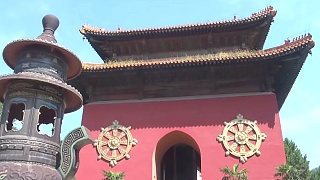
White Horse Temple: Known as the first Buddhist temple in China, White Horse Temple offers a serene environment with beautiful architecture and gardens.
LuoYang Museum: This museum showcases the rich history and culture of LuoYang, with exhibits ranging from ancient artifacts to contemporary art.
Natural Attractions
Peony Festival: LuoYang is famous for its peonies. The annual Peony Festival, held in April, showcases the city’s beautiful peony gardens in full bloom.
Baiyun Mountain: Located about 70 kilometers from LuoYang, Baiyun Mountain offers stunning natural scenery and hiking trails.
Modern Attractions
LuoYang Old Town: Wander through the ancient streets of LuoYang Old Town, where you can find traditional shops, local snacks, and historical buildings.
WangCheng Park: A popular urban park, Wangcheng Park features beautiful gardens, lakes, and recreational facilities.
Dining and Local Specialties
LuoYang boasts a diverse culinary scene with traditional HeNan cuisine and local specialties. Some must-try dishes include:
Water Banquet: A traditional banquet featuring various dishes, often served in a liquid or semi-liquid form. It is a unique culinary experience.
LuoYang Noodles: Known for their rich flavor and variety, these noodles are a local staple.
Peony Cake: A local delicacy made with peony petals, offering a unique and fragrant taste.
Shopping
Night Markets: Explore the bustling night markets in LuoYang for a variety of street food, local handicrafts, and souvenirs.
Shopping Malls: Modern shopping centers like Wanda Plaza and LuoYang Mall offer a wide range of international and local brands.
Local Handicrafts: Look for traditional HeNan crafts such as paper-cutting, embroidery, and ceramics.
Tips for Visitors
Best Time to Visit: The best times to visit LuoYang are during spring (April to June) and autumn (September to October) when the weather is mild and pleasant.
Clothing: Dress in layers to accommodate temperature changes. Summers can be hot, and winters can be quite cold, so pack accordingly.
Language: While Mandarin is the official language, some locals may speak the HeNan dialect. It's helpful to have a translation app or phrasebook if you don't speak Mandarin.
Respect Local Customs: Be respectful of local customs and traditions, especially when visiting temples and historical sites.
Conclusion
LuoYang, the capital of HeNan Province, offers a rich tapestry of history, culture, and natural beauty. Whether you're exploring ancient grottoes, visiting historic temples, or savoring local cuisine, LuoYang promises an unforgettable experience for every traveler.
|
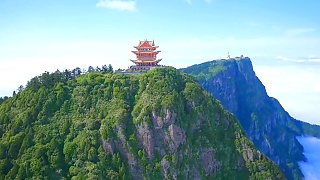
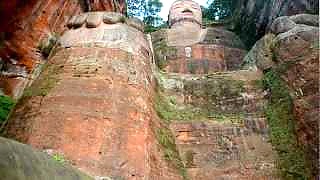
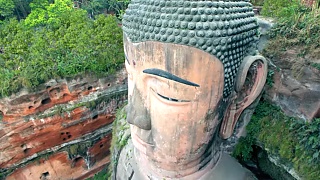
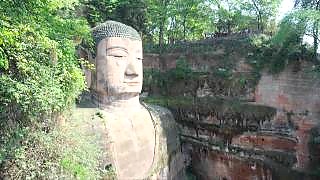
 LeShan Giant Buddha 乐山大佛, Mount Emei 峨眉山 Scenic Area