Hiking through the beautiful Tiger Leaping Gorge 虎跳峡

Tiger Leaping Gorge in YunNan province lies 60 kilometers north of LiJiang and is part of the UNESCO 'Three Parallel Rivers of Yunnan' World Heritage Site.

The gorge in gorgeous 4K by Milosh Kitchovitch ...

[640],shadow=true,start=,stop=

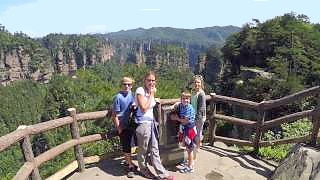
Hiking with Tim and Glo ...

[320],shadow=true,start=,stop=

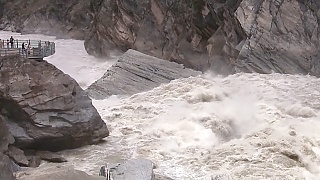
The site of the leaping rock close up, by Valpard ...

[320],shadow=true,start=22,stop=62

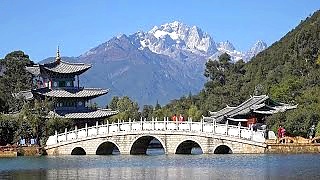
The gorge is one of the world's deepest canyons and is populated by a few villages of the NaXi minority. Around 15 km in length, the gorge is located where the river passes between 5,600 meter high Jade Dragon Snow Mountain and the 5,400 meter high HaBa Snow Mountain in a series of rapids below steep 2000 meter cliffs. Legend says that in order to escape from a hunter, a tiger jumped across the river at its narrowest point (still 25 meters wide, though with a rock in the middle).

There are a fair number of basic guesthouses for hikers, so your visit does not need to be rushed. These can also provide meals or snacks to passers by.

The Hiking Trails.

Hiking the entire length of the gorge is possible. There are two paths.

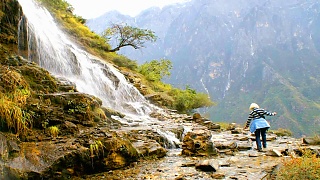
The 'the high road' is well-maintained by the locals and marked, although sometimes narrow, and is used by the Naxi as part of everyday life. This trail is longer than the lower road, approximately 22 kilometers (14 miles), but more varied. It features a variety of micro-ecosystems and waterfalls, and is probably the best choice if you only take one of the paths.

The 'low road' is a stretch of pavement (until recently a simple mule track) crossed by several waterfalls. This path more closely follows the Yangtze, so there are more views of the river and a stronger sense of being in a gorge.

Where the high road descends to meet the lower road, one can climb down to the river near the Tiger Leaping Stone, the point at which the tiger is said to have leaped across in two bounds.

Preparation

That the gorge is outstandingly beautiful is coupled with the need for care. The environment is natural and so the almost absence of safety clutter puts the responsibility on the those visiting. Rockfalls are not unknown. Prepare for wet weather, which can arrive suddenly, and use suitable shoes. Take extra care when crossing wet rocks and in general don't take risks; think first. Don't go alone in case of accident. Take a mobile phone. Swimming and kayaking are extremely dangerous and must be avoided. Don't go off track; take a map (essential). Head back to your lodgings well before dusk as, being within a gorge, light fades quickly.


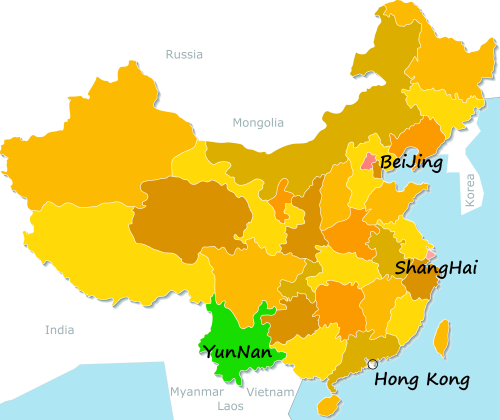
YunNan map
Related Videos


Featured Videos

First time in China – BeiJing
With 2Passports 1Dream ...
ShuHe ancient town, YunNan province
With DuckTravel ...
Planning war on China – part 25
With Aaron Mate ... YT comments : * "Promoting democracy is an easy way to take over other countries. Simple as that. Pawns and 'big money'." * "Democracy is a scam which dupes the people to support elite rule." * "A story about democracy : A farmer asked his son before he died, "Pigs complain about poor feed, cows complain about heavy work, and chickens complain about dirty nests. What should you do?". The son said: "Change to good feed, buy more cows, clean up chicken coop." The farmer shook his head and said. "No, don't do anything. Let them vote, let them choose you or your wife to take care of them, and let them think they are the boss”." With Carl Sagan ... Poverty in the US ... Meanwhile ... Lemon Tree, with MiuMiu GuitarGirl ... New on the ShangHai metro ... KunMing, YunNan ...
A vegan taste of China – DiSanXian / 3 treasures of the earth (Potato, Pepper, and Aubergine)
DiSanXian (Potato, Pepper, and Aubergine) Introduction DiSanXian (地三鲜) is a popular Chinese dish from the northeastern region of China. The name "DiSanXian" translates to "Three Earthly Treasures," referring to the main ingredients: potatoes, peppers, and aubergines (eggplants). This dish is loved for its rich flavors and satisfying texture, making it a perfect vegan option for those looking to enjoy authentic Chinese cuisine. Ingredients 2 large potatoes 2 medium aubergines (eggplants) 1 green bell pepper 1 red bell pepper 2 cloves garlic, minced 2 tablespoons soy sauce 1 tablespoon vinegar 1 teaspoon sugar Salt to taste Cooking oil Chopped spring onions (optional, for garnish) Preparation DiSanXian is a straightforward dish to prepare, requiring basic cooking techniques and common ingredients. Here's how to make it: Step 1: Prepare the Vegetables Peel the potatoes and cut them into thin slices or wedges. Cut the aubergines into bite-sized pieces. Remove the seeds from the bell peppers and cut them into strips. Step 2: Fry the Vegetables Heat oil in a wok or large frying pan over medium-high heat. Fry the potato slices until they are golden and crispy, then remove and set aside. Next, fry the aubergine pieces until they are tender and slightly browned, then remove and set aside. Finally, fry the bell pepper strips for a few minutes until they are slightly softened. Step 3: Combine and Season In the same wok or pan, add a little more oil if needed and sauté the minced garlic until fragrant. Add the fried potatoes, aubergines, and bell peppers back into the pan. Stir in the soy sauce, vinegar, sugar, and a pinch of salt. Toss everything together until the vegetables are well-coated with the sauce and heated through. Step 4: Serve Transfer the DiSanXian to a serving plate and garnish with chopped spring onions, if desired. Serve hot with steamed rice for a complete and satisfying meal. Tips and Variations Adjusting Spice Level: If you prefer a spicier version, add some chopped chili peppers or a pinch of chili flakes to the dish. Additional Vegetables: Feel free to add other vegetables like carrots, onions, or zucchini for more variety and nutrition. Low-Oil Option: For a healthier version, you can roast the vegetables instead of frying them. Toss them with a little oil and roast in the oven until tender and lightly browned. Sauce Variations: Experiment with different sauces, such as adding a touch of hoisin sauce for sweetness or using black bean sauce for a deeper flavor. Nutritional Information DiSanXian is not only delicious but also nutritious. Here is an approximate nutritional breakdown for a typical serving of DiSanXian: Calories: 250-300 kcal Protein: 4-6 grams Carbohydrates: 30-35 grams Fat: 12-15 grams Fiber: 5-7 grams Vitamins and Minerals: High in Vitamin C, potassium, and antioxidants from the vegetables. This makes DiSanXian a well-rounded dish that provides energy, essential nutrients, and dietary fiber. Where to Find DiSanXian in China DiSanXian is a popular dish in northeastern China but can be found in many Chinese restaurants throughout the country. Look for restaurants that specialize in northeastern Chinese cuisine or those that offer a wide range of vegetable dishes. You can also find DiSanXian in some vegetarian and vegan restaurants. Conclusion DiSanXian is a delicious and versatile vegan dish that highlights the simple yet rich flavors of Chinese cuisine. Whether you're a seasoned vegan or just looking to try something new, DiSanXian is sure to please your taste buds with its satisfying combination of potatoes, peppers, and aubergines. Enjoy this delightful dish at home or seek it out during your travels in China for an authentic culinary experience.
Beautiful GuBei water town and the adjacent dramatic SiMaTai Great Wall of China, BeiJing
With LaLaLaLauran ... GuBei Water Town Travel Guide Introduction GuBei Water Town, located at the foot of the Simatai Great Wall in Miyun County, Beijing, is a picturesque water town that combines natural beauty with rich cultural heritage. Modeled after the ancient towns in Jiangnan (the region south of the Yangtze River), GuBei Water Town features traditional architecture, serene waterways, and stunning views of the Great Wall. This guide will help you explore the enchanting GuBei Water Town, including must-see attractions, activities, and practical travel information. Must-See Attractions Simatai Great Wall (司马台长城) One of the main highlights of GuBei Water Town is its proximity to the Simatai Great Wall, known for its steep slopes and well-preserved watchtowers. Visitors can take a cable car or hike to the wall, offering breathtaking views and a sense of historical significance. Water Town Night Tour (夜游水镇) Experience the magic of GuBei Water Town at night, when the entire town is illuminated with colorful lights reflecting off the waterways. The night tour provides a unique perspective of the town's beauty and a tranquil atmosphere for a relaxing evening stroll. Wangjing Tower (望京楼) Wangjing Tower, also known as the Watching Beijing Tower, offers panoramic views of the town and the surrounding mountains. It is a perfect spot for photography and enjoying the natural scenery. Folk Culture Museum (民俗文化馆) The Folk Culture Museum showcases the traditional customs, clothing, and handicrafts of the local people. It provides an educational insight into the cultural heritage of the region. Yang Wudi Temple (杨无敌庙) Dedicated to the legendary General Yang Yanzhao, the Yang Wudi Temple is a historic site that offers a glimpse into the town's religious and military history. The temple is beautifully preserved and adds to the cultural richness of GuBei Water Town. Activities and Experiences Boat Rides: Take a boat ride along the picturesque canals of GuBei Water Town. This is a relaxing way to see the town from a different perspective and enjoy the peaceful waterways. Traditional Performances: Enjoy traditional Chinese performances, including folk music, dance, and opera. These performances are often held in the town's public squares and add to the cultural ambiance. Local Cuisine: Sample local delicacies at the various restaurants and street food vendors throughout the town. Popular dishes include roast duck, handmade noodles, and various snacks. Hot Springs: Relax and unwind at the nearby hot springs, which offer a soothing retreat after a day of exploring. The hot springs are renowned for their therapeutic properties and scenic surroundings. Shopping: Browse the town's shops for traditional handicrafts, souvenirs, and local products. The shops offer a wide range of items, from silk garments to handmade pottery. Practical Travel Information Getting There: GuBei Water Town is accessible by bus, car, or private tour from Beijing. The journey takes approximately 2-3 hours by car. Buses are available from Beijing's Dongzhimen Bus Station. Entrance Fee: The entrance fee for GuBei Water Town varies depending on the season and whether you are visiting during the day or night. Check the official website or contact local tourism offices for up-to-date pricing. Opening Hours: GuBei Water Town is open from 8:00 AM to 9:00 PM. Night tours are available from 5:00 PM to 10:00 PM, offering a unique evening experience. Accommodation: There are several accommodation options within GuBei Water Town, ranging from traditional guesthouses to luxury hotels. Staying overnight allows visitors to fully immerse themselves in the town's atmosphere and enjoy the night tour. Health and Safety: Ensure you are in good health before exploring the town, especially if you plan to hike the Simatai Great Wall. Stay hydrated, wear comfortable shoes, and follow local safety guidelines. Local Services: Facilities such as restrooms, restaurants, and shops are available throughout the town. Most areas are well-equipped to cater to tourists' needs, but it's always a good idea to carry basic necessities. Conclusion GuBei Water Town offers a unique blend of natural beauty, cultural heritage, and modern amenities, making it an ideal destination for travelers looking to experience the charm of ancient China. Use this guide to plan your visit and explore the enchanting waterways, traditional architecture, and stunning views of the Simatai Great Wall. Whether you're a history enthusiast, a culture lover, or simply looking for a picturesque retreat, GuBei Water Town promises an unforgettable experience. SiMaTai Great Wall Travel Guide Introduction The SiMaTai section of the Great Wall of China is renowned for its unique architectural features and breathtaking scenery. Located in the Miyun County of Beijing, approximately 120 kilometers northeast of downtown Beijing, this section is known for its steep gradients and well-preserved structures. SiMaTai offers an adventurous and less commercialized experience, making it a favorite among hikers and history enthusiasts. This guide will help you explore the SiMaTai section, including must-see highlights, hiking tips, and practical travel information. Must-See Highlights Sky Bridge (天桥) The Sky Bridge is a narrow, steep section of the Great Wall that offers thrilling views and a challenging hike. This part of the wall is only a meter wide and connects two peaks, providing an exhilarating experience for adventurous visitors. Heavenly Ladder (天梯) The Heavenly Ladder is a steep staircase that ascends almost vertically up the mountain. It is one of the most challenging parts of the SiMaTai section, but the effort is rewarded with spectacular views of the surrounding landscape. Fairy Tower (仙女楼) The Fairy Tower is one of the 16 watchtowers on the SiMaTai section. It is unique for its distinctive architectural style and the stunning views it offers. This tower is a popular spot for photography and taking in the panoramic scenery. East and West Towers (东西望楼) The East and West Towers are the two highest points of the SiMaTai section. These towers were crucial for military defense and communication in ancient times. Climbing to the top provides a sense of accomplishment and offers some of the best views of the Great Wall. Hiking Tips Best Time to Visit: The best time to visit SiMaTai is during the spring (April to June) and autumn (September to November) when the weather is mild, and the scenery is at its most beautiful. Hiking Difficulty: The SiMaTai section is known for its steep and rugged terrain. It is suitable for experienced hikers with a good level of fitness. Some parts can be quite challenging. What to Wear: Wear sturdy hiking shoes with good grip, comfortable clothing, and a hat. Bring layers as temperatures can vary. What to Bring: Carry plenty of water, snacks, sunscreen, and a first-aid kit. A camera is also recommended for capturing the stunning views. Hiking Route: A popular route is to start from the SiMaTai West entrance and hike to the JinShanLing section. This takes about 4-5 hours and covers some of the most scenic and challenging parts of the wall. Guided Tours: Consider hiring a local guide or joining a guided tour for a more informative experience. Guides can provide historical context and ensure you stay on the best paths. Practical Travel Information Getting There: SiMaTai is accessible by bus, car, or private tour from Beijing. The journey takes approximately 2-3 hours by car. Buses are available from Beijing's Dongzhimen Bus Station. Entrance Fee: The entrance fee for SiMaTai varies depending on the season and whether you are hiking during the day or night. Check the official website or contact local tourism offices for up-to-date pricing. Opening Hours: SiMaTai is open from 8:00 AM to 5:00 PM for daytime hiking and from 5:30 PM to 10:00 PM for night tours. Night tours offer a unique perspective of the Great Wall under the stars. Accommodation: There are several guesthouses and hotels near SiMaTai for those who wish to stay overnight. The Gubei Water Town resort nearby offers more luxurious accommodations and amenities. Health and Safety: Ensure you are in good health before attempting the hike, as the terrain can be demanding. Stay on designated paths to avoid accidents and respect local regulations and signs. Local Services: Facilities such as restrooms and small shops are available at the entrance and at certain points along the wall. However, it's advisable to bring your own supplies for convenience. Conclusion The SiMaTai section of the Great Wall of China offers a unique and adventurous experience compared to other parts of the wall. Its steep gradients, well-preserved structures, and stunning views make it a must-visit destination for any traveler. Use this guide to plan your visit and enjoy the incredible beauty and historical significance of SiMaTai. Whether you're a history enthusiast, a photography lover, or an avid hiker, SiMaTai promises an unforgettable adventure.
US hypocrisy
With Jeffrey Sachs ... With Wave Media ...
TianJin BinHai library – awesome architecture
With CN Walking ...
Something different – music – RUMI 2
Home alone some evening, in a thunderstorm ? Or,,, let's go there ... The roads are so muddy, No need to go about. Come rest with me, my love; Let's blow the candles out. In the morning, we shall fly once more; Explore a distant shore. By understanding oneself, one can better connect with the world ... Bonus film ... Each night, the stars shine ... why not dance ?
Beautiful WuYuan, JiangXi province
WuYuan, known as the "most beautiful countryside in China", with at least 50 old villages, is located in the northeast of JiangXi province, and near Mount HuangShan and JingDeZhen. With Walk East ... Max (Walk East) : Wuyuan is home to a few of the well-preserved ancient architecture in China. Each of those ancient structures has a unique appearance as well as structure. They emerge from among the emerald green mountains and trees, clear rivers along with the crisscrossing paths between the fields. Those structures were built in 740 during the Tang Dynasty; its remoteness and inconvenient transportation protecting its villages' beauty from a large amount of tourists. Local people there can enjoy the pure, clean brooks, seemingly delicate wooden buildings, unique bridges as well as the tranquil lifestyle, etc... This village has turned into a ecological, cultural as well as tourist demonstration center of China. The ancient Architectural complexes,caves, blue water, trees as well as rural sceneries; all these form a typical Chinese countryside scene Wuyuan has become a well known town in the world features in famous Huizhou local culture as well as charming idyllic scenery. Beijing Opera, Hui Opera, the Luo Dance known as the "Dance Live Fossil" as well as the charming tea performance, all these make Wuyuan fascinating tourism destination. 【Likeng Village】 Likeng Village is a cluster of houses constructed along a brook. It is said to be the most scenically beautiful village in the town. The brook is two to three meters wide spanned at different points by makeshift bridges. A rolling stream through the village lived by 260 peasant households along with ancient buildings with its pink walls, black tiles as well as beautiful girls who are washing laundry reflecting from the stream look like a natural scenery. 【Visit Local Ancient Village in Hui-style】 Wuyuan is the birthplace of the Huizhou culture. Villages around are must go, and you will be attracted by the quiet and simple countryside life there. noticeable Huizhou-style architecture can be found in these old villages, such as, arches, stone tablets, stone bridges, ancient stages, etc. Wuyuan is a county in northeastern Jiangxi province. It is renowned for its beautiful countryside and well-preserved ancient Huizhou villages and architecture. Many of the buildings and villages date from the Tang dynasty and have been protected by the county’s remoteness and relatively inconvenient transportation. Highlights and Travel Tips The area is famous for the fields of yellow rapeseed flowers that surround the villages in March and April, which are among the most beautiful in China and will delight photographers. One of the best places to see the flowers is hills surrounding the village of Jiangling. Popular villages and sights around the county include Likeng Village, Mount Dazhang (a beautiful area filled with soaring mountains and crashing waterfalls that is as yet undiscovered by tourism), Rainbow Bridge (a covered bridge), and Jiangling Village.

Tag search ?