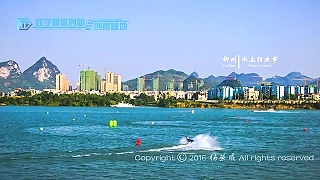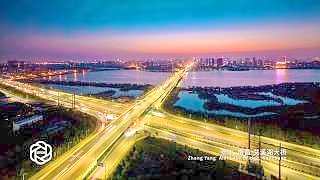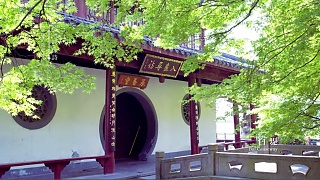
Beautiful BeiJing 北京, the blue sky city

[640],shadow=true,start=,stop=
[320],shadow=true,start=,stop=

Plus, BeiJing in timelapse ...

[320],shadow=true,start=9,stop=

Beijing, the capital city of China, is a vibrant metropolis steeped in history, culture, and modernity. Here's a brief overview of what you can expect as a tourist in Beijing:

Historical Landmarks:
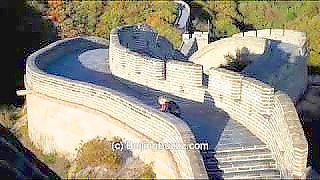
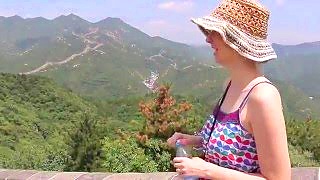
The Great Wall of China: One of the most iconic structures in the world, the Great Wall is easily accessible from Beijing. Mutianyu and Badaling sections are popular among tourists.

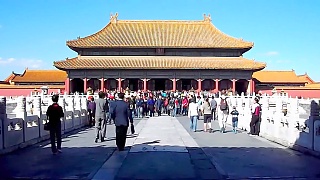
Forbidden City (Palace Museum): A UNESCO World Heritage Site, this vast imperial palace complex was home to Chinese emperors for over 500 years. It houses numerous halls, courtyards, and historical artifacts.

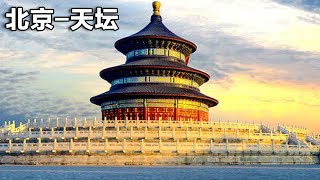
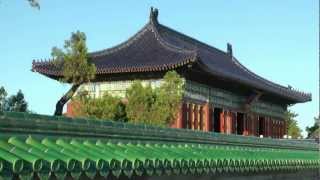
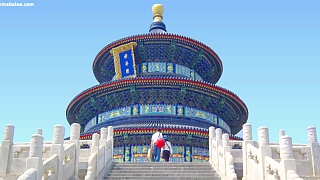
Temple of Heaven: A masterpiece of Chinese architecture, this ancient temple complex served as a place of worship for emperors to pray for good harvests.

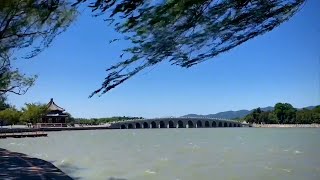
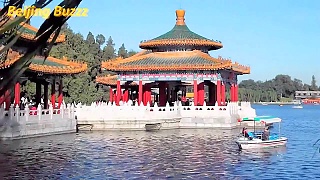
Summer Palace: A stunning ensemble of lakes, gardens, and palaces, the Summer Palace served as a retreat for emperors during the Qing dynasty.

Tiananmen Square: One of the largest city squares in the world, Tiananmen Square is flanked by important landmarks such as the Monument to the People's Heroes, the Great Hall of the People, and the Mausoleum of Mao Zedong.

Cultural Sites:
Beijing Hutongs: Explore the narrow alleyways and traditional courtyard residences of Beijing's historic neighborhoods. You can take a rickshaw tour or simply wander around on foot.

Beijing Opera: Experience traditional Chinese opera performances at venues like the Liyuan Theater or the Chang'an Grand Theatre.

798 Art District: A hub of contemporary art and culture, this former industrial area is now home to numerous galleries, studios, and cafes.

Modern Attractions:
Olympic Park: Visit iconic structures such as the Bird's Nest (National Stadium) and the Water Cube (National Aquatics Center) from the 2008 Beijing Olympics.

CBD (Central Business District): Marvel at the futuristic skyline of Beijing's modern business district, which includes landmarks like the CCTV Headquarters and the China World Trade Center Tower III.

Culinary Delights:
Peking Duck: Indulge in Beijing's most famous dish, crispy roast duck served with pancakes, scallions, and hoisin sauce.

Street Food: Explore the city's vibrant street food scene and sample local delicacies like jianbing (savory crepes), lamb skewers, and dumplings.

Practical Tips:
Transportation: Beijing has an extensive public transportation system, including the subway, buses, and taxis. However, traffic can be heavy, so plan your travels accordingly.

Language: While English is not widely spoken, especially outside tourist areas, many signs and transportation announcements are in English. It's helpful to carry a translation app or a phrasebook.

Weather: Beijing experiences four distinct seasons, with hot summers and cold winters. The best times to visit are spring (April to June) and autumn (September to October) when the weather is mild and comfortable.

Etiquette: Respect local customs and traditions, such as removing your shoes before entering someone's home and using both hands to pass or receive items.

Beijing offers a rich tapestry of experiences for tourists, blending ancient heritage with modern innovations. Whether you're fascinated by history, culture, or culinary delights, there's something for everyone in this dynamic city.
Related Videos


Featured Videos

Eat to beat disease – with Dr. William Li
His health and nutrition masterclass ...
XiaoQiKong Scenic Area, LiBo, GuiZhou province
XiaoQiKong Scenic Area, LiBo, GuiZhou : A Visitor’s Guide The Xiaoqikong Scenic Area, or "Seven Small Arches," is a UNESCO World Heritage site located in Libo County, Guizhou Province. This breathtaking natural haven is famous for its karst landscapes, dense forests, crystal-clear rivers, and historic stone bridges. Its name derives from a 19th-century stone bridge with seven arches, which is the centerpiece of the park. How to Get There By Air: The nearest airport is Libo Airport, which has flights from major cities like Guiyang. From the airport, it's about an hour's drive to the scenic area. By Train: Libo is accessible via high-speed rail. From the Libo Railway Station, take a taxi or local bus to Xiaoqikong. By Bus: Direct buses from Guiyang or other nearby cities to Libo are available. From Libo town, a short local bus or taxi ride will bring you to the park. Entrance and Fees Opening Hours: 8:00 AM – 5:30 PM (varies by season). Admission Fee: Approximately 110–150 RMB (varies depending on the season and package options, including shuttle services). Top Attractions in Xiaoqikong Scenic Area 1. The Seven Small Arches Bridge Overview: This Qing Dynasty stone bridge, with seven small arches spanning a turquoise river, is the park's namesake and one of its most iconic sights. Don’t Miss: The surrounding waters reflect lush greenery, creating a picture-perfect scene for photography. 2. The Water Forest Unique Feature: Trees grow directly out of the water in this surreal wetland area. The intertwining roots and crystal-clear streams create an enchanting atmosphere. Activities: Walk along the wooden pathways and admire the unique ecosystem. 3. 68-Level Waterfalls Description: A cascading series of small waterfalls stretch over several kilometers, forming a mesmerizing chain of white foam and turquoise pools. Tip: Visit early in the morning for fewer crowds and better lighting for photos. 4. Green Canyon (Lushui Valley) Highlight: This narrow canyon is filled with lush vegetation and dramatic karst formations. What to Do: Follow the trail that winds through the canyon for stunning views of cliffs, caves, and water features. 5. Mandarin Duck Lake Why Visit: A serene lake surrounded by dense forest, where you can spot pairs of mandarin ducks and other waterfowl. Activities: Rent a boat to explore the lake or enjoy a picnic on its shores. 6. The Ancient Banyan Feature: A massive banyan tree with sprawling roots and branches that provide a mystical and serene setting. Significance: This is one of the oldest trees in the area, revered by locals. 7. Qinglong Waterfall Overview: A grand waterfall set amidst lush green cliffs. What to Do: Hike up to the viewing platform for the best angle of this magnificent cascade. Activities and Experiences Hiking Trails: The park features several well-maintained trails, ranging from easy walks to more challenging hikes. Most trails pass through diverse landscapes, from karst caves to dense bamboo forests. Boat Rides: Enjoy scenic boat rides on Mandarin Duck Lake or the surrounding waterways. Wildlife Spotting: The area is home to diverse flora and fauna, including rare species like the Guizhou golden monkey and colorful butterflies. Photography: The vibrant turquoise waters, lush greenery, and karst formations make Xiaoqikong a photographer’s paradise. Local Cuisine Rice Noodles (Mixian): A staple dish in Guizhou, served in rich broth with fresh herbs and spices. Sour Fish Soup: A tangy and spicy local specialty made with freshwater fish. Sticky Rice Dumplings: Perfect for a quick snack while exploring. Wild Vegetable Dishes: Many restaurants in the area use locally foraged vegetables, prepared simply to highlight their natural flavors. Best Time to Visit Spring (March–May): The park is lush and vibrant, with waterfalls at their fullest due to seasonal rains. Autumn (September–November): Cooler weather and the surrounding forest's changing colors make this the most picturesque season. Tips for Visitors Transportation Within the Park: Shuttle buses are available for an additional fee and are highly recommended to cover the large area efficiently. Clothing: Wear comfortable walking shoes and pack layers, as the weather can change quickly in the mountains. Photography Gear: Bring a waterproof bag for your camera or phone, as many attractions involve water. Stay Hydrated: Carry water, especially if hiking longer trails, as shops may not be available in remote areas. Crowds: Visit early in the morning or during weekdays to avoid peak tourist times. Nearby Attractions Daqikong Scenic Area: A complementary park nearby with its own set of natural wonders, including deeper gorges and caves. Libo Zhangjiang Scenic Spot: Another UNESCO World Heritage site featuring pristine rivers and karst landscapes. Ethnic Villages: Visit local Buyi, Miao, and Shui villages to experience traditional customs, architecture, and festivals. Xiaoqikong Scenic Area is a destination where natural beauty, tranquility, and adventure come together. Whether you're an avid hiker, a nature lover, or a history enthusiast, this scenic area offers something unique and unforgettable.
Planning war on China – part 18
What is called 'democracy' is elite rule; money buys power / fool the people that they have significance. 'Democracy' is the subterfuge that is capture / takeover by other means. In the West, you don't have any real say, other than which side of the same coin is to 'represent' you. To keep one from seeing the bigger picture, and a sense of being part of humanity, the West focuses you on personal identity (misdirection), and that you are 'free'. This is the mix of 'divide and rule', plus mental chains (beliefs) over physical chains, as the new slavery. Anyone who opens their eyes can see it, right in front of them; how one is constantly programmed. Another aspect of the control is money; that is what limits your real freedom; and refocuses your life on the material / survival. The walls and bars of our prison are internalized. To add to the confusion, these elements are projected onto the 'others'. The bigger picture, the full reality, is kept hidden, while the focus remains on endless little bits that are easily construed a certain way. Once one sees reality, the purpose behind all the little steps that make up the 'news' becomes clear. In the end, the West's elite can only rule with the acquiescence of the vast majority. With The Gravel Institute ... In China, the people are family. In the West, the people are livestock. Hence, China is a 'threat' to the Western elite; the threat of a good example. On how the US rules Taiwan ... On Iran - sanctions and the 'nuclear deal' ... On the Laos - China high speed rail link ...
Narcissists, psychopaths and other toxic people
A first step in getting out of a trapped life, to a real life, is to become free of toxic people. Nobody is perfect; but most people know, to some extent, their faults, feel empathy and try to be better. But some people cannot see their faults, lack empathy and are always 'right' - the most important thing to know is that they cannot be 'fixed', understood, or healed by you (only a highly skilled psychotherapist stands a chance, and that's partly because there is no life relationship). If you cannot (yet) get away, at least become aware that it is not your problem. One can sense some similarities in dynamics with geo-politics. A variety of voices on this topic - in no particular order (may need multiple viewings because it can take time to understand more than superficially) ...
Fireworks and music on the eve of the ShangHai 上海 World Expo – video
Beautiful, extended scenes. The concert featured many international stars, dance and wonderful stagecraft and the finale combined fireworks with bold lighting, fountains and dramatic music ...
How China developed from one of the world’s poorest countries to economic powerhouse
How Deng XiaoPing set in motion the industrialization that grew the economy by 600% in just 30 years. With Ben Norton ...
National Day, October 1st 2022, ShangHai walk
The Li River 漓江 and GuiLin 桂林 night cruise
The Li River between YangShuo and GuiLin, plus the '2 rivers, 4 lakes GuiLin night cruise', GuangXi province ...
Spring in WuHan city, HuBei province
With Walk East ...

Tag search ?