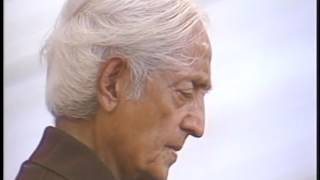
The Real Revolution – starts with us – Jiddu Krishnamurti (sociology, psychology, philosophy)

Filmed in 1966.

[640],shadow=true,start=,stop=
[320],shadow=true,start=,stop= [320],shadow=true,start=,stop= [320],shadow=true,start=,stop=

Related Videos


Featured Videos

Zhou Shen & Sa DingDing at the mid-autumn festival – Upwards to the Moon
Zhou Shen & Sa Dingding singing at the Mid Autumn Festival "Upwards to the Moon" 《左手指月》...
The inspiring story of Lao Gan Ma and her world famous chili sauce
With Lowkey Bosses ...
NanJing 南京 time-lapse and aerial drone film
Music and dance, spring 2018
A variety of flash-mobs from around China ...
The beautiful NanXun ancient water town, ZheJiang province
With Beautiful China ... Nanxun Ancient Water Town Visitor Guide Introduction Nestled in the heart of Zhejiang Province, Nanxun Ancient Water Town is a hidden gem among China's water towns. Known for its well-preserved architecture, serene canals, and rich cultural heritage, Nanxun offers a glimpse into the past with a blend of Chinese and Western influences. This guide will provide you with everything you need to explore Nanxun's historic streets, discover its cultural treasures, and enjoy its tranquil beauty. Key Attractions 1. Xiaolian Manor (Little Lotus Garden) Built during the late Qing Dynasty, Xiaolian Manor is one of Nanxun's most famous landmarks. This classical Chinese garden features a picturesque pond, rockeries, pavilions, and beautifully landscaped gardens. The manor was the private residence of a wealthy silk merchant and offers a glimpse into the luxurious lifestyle of the past. 2. Jiayetang Library Jiayetang Library, founded by a wealthy silk merchant named Liu Chenggan, is one of China's oldest private libraries. The library's collection includes ancient manuscripts, rare books, and classic Chinese literature. The architecture is a blend of traditional Chinese and Western styles, reflecting the cultural exchange that characterized Nanxun's history. 3. Zhang Shiming Mansion The Zhang Shiming Mansion is an exquisite example of traditional Chinese residential architecture with Western influences. The mansion's intricate wood carvings, stained glass windows, and spacious courtyards provide a fascinating insight into the lives of Nanxun's wealthy elite during the late 19th and early 20th centuries. 4. Guanghui Palace (Guanghui Taoist Temple) Guanghui Palace is one of the oldest buildings in Nanxun, dating back to the Northern Song Dynasty. This Taoist temple is dedicated to the worship of the Taoist deity Xuanwu. Visitors can admire the temple's ancient architecture, Taoist sculptures, and serene atmosphere. Cultural Activities Nanxun is not only about its historical architecture but also about the cultural experiences that bring the town to life. Here are some activities to immerse yourself in the local culture: Boat Rides on the Canals: Experience the charm of Nanxun from the water by taking a leisurely boat ride along its tranquil canals. The boat rides offer a unique perspective of the ancient bridges, white-washed houses, and overhanging willow trees. Silk Weaving Demonstrations: Nanxun has a long history of silk production. Visit one of the local silk weaving workshops to see traditional techniques in action and learn about the town's silk-making heritage. Tea Tasting: Enjoy a traditional Chinese tea ceremony at one of the local teahouses. Savor the flavors of locally grown green teas while relaxing by the water's edge. Calligraphy and Painting Workshops: Join a workshop to learn the art of Chinese calligraphy and painting. These hands-on experiences offer insight into traditional Chinese arts and crafts. Dining Options Nanxun offers a variety of dining options, from local eateries serving traditional Chinese dishes to charming cafes. Here are some recommendations: Local Dishes: Try the famous Nanxun braised pork, lotus root soup, and other local delicacies at traditional restaurants like Nongfu Restaurant and Nanxun Old Town Cuisine. Waterfront Cafés: Enjoy a relaxing meal or a cup of coffee at one of the quaint waterfront cafés, where you can take in the scenic views of the canals and historic buildings. Street Food: Explore the narrow streets and alleys to find street vendors selling snacks like rice dumplings, tofu pudding, and steamed buns. These local treats are perfect for a quick bite. Teahouses: Visit traditional teahouses like Wangfu Teahouse for an authentic tea-drinking experience. Pair your tea with local pastries and enjoy the peaceful surroundings. Practical Tips for Visitors Best Time to Visit: Spring (April to June) and autumn (September to November) are the best times to visit Nanxun, when the weather is mild, and the scenery is beautiful. Getting There: Nanxun is located about 120 kilometers from Shanghai and 80 kilometers from Hangzhou. It can be reached by bus or car. Regular buses run from Shanghai and Hangzhou to Nanxun. What to Wear: Comfortable walking shoes are recommended, as you will be exploring cobbled streets and bridges. Bring a hat and sunscreen for sunny days, and a light jacket for cooler evenings. Language: Mandarin is the primary language spoken in Nanxun. Learning a few basic phrases or using a translation app can be helpful. Entrance Fees: Some attractions in Nanxun, such as Xiaolian Manor and Zhang Shiming Mansion, may have an entrance fee. It's a good idea to carry some cash, as not all places accept credit cards. Respect Local Culture: Nanxun is a place of historical and cultural significance. Be respectful of local customs, especially when visiting temples and historical sites. Taking photos inside temples may be prohibited.
E-bike life in China
As we always say - live more ... : )
‘Paris of the East’ in beautiful ShangHai
With Wei's Travel ... The French Concession in Shanghai is a place that condenses a century of history in modern Shanghai. It is the largest and most prosperous concession among the four concessions in old China. It was handed back to the Republic of China government in 1943, renamed the Eighth District. The French Concession in Shanghai was opened in 1849, experienced a slight expansion in 1900, and began to expand significantly in 1914 to establish the New French Concession. The French Concession maintained a high degree of independence in old Shanghai. The entire French Concession in Shanghai was the most high-end residential area in old Shanghai, and the architectural style can be said to be uniform. The reason why the Indigo tree is called French plane tree in China is also because it was first introduced by the French and planted in the French Concession in Shanghai. Shanghai's reputation as the "Paris of the East" is also named after the French Concession. Its architectural style is independent of the public concession and the Chinese border, and is almost the same as Paris thousands of miles away. The French had always maintained great control over the French Concession. 00:00 Highlights 精彩预览 01:40 ZIKAWEI Shopping Area 徐家汇商圈 04:22 Hengshan Lane 衡山坊 09:53 Xujiahui Park 徐家汇公园 22:07 EMI Building 百代小楼 25:10 Hengshan Boulevard 衡山路 27:29 Lipo Garden 丽波花园 31:08 Gaoan Garden 高安花园 33:57 Yongping Lane 永平里 38:52 No.8 Hengshan Avenue 衡山路8号园区 48:03 Hengshan Boulevard North Part 衡山路北段 50:32 Shanghai Symphony Orchestra 上海交响乐团 53:58 Clemen Apartment 克莱门公寓 58:31 Urumqi Middle Road 乌鲁木齐中路 01:07:58 Anfu Road 安福路 01:20:44 Wiggle Wiggle Flagship Store 01:29:36 Wukang Road 武康路 01:38:28 Ferguson Lane 武康庭 01:47:41 Wukang Building 武康大楼 01:52:03 CITE BOURGOGNE 步高里 01:54:57 Ruijin Hotel 瑞金宾馆 02:06:34 Yongkang Road 永康路 02:12:45 ICCF Garden 之禾卡纷花园 02:16:28 Shanghai Conservatory of Music 上海音乐学院 02:23:05 Old Downtown Highlights 梧桐街区精华
“Between Heaven and Earth” : ZhangJiaJie 张家界 In Ultra HD / 4K
Hunan province
BeiJing : 2008 to 2022 – don’t miss it
Bonus film - a highlight from the Chinese New Year Gala show 2022 ... Robot chefs ...

Tag search ?