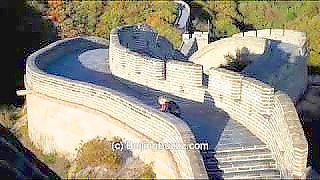
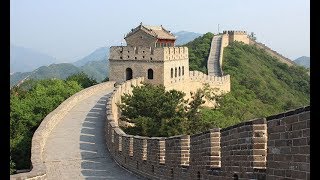
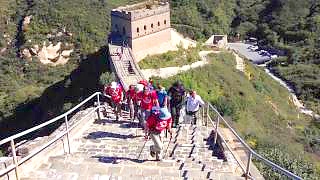
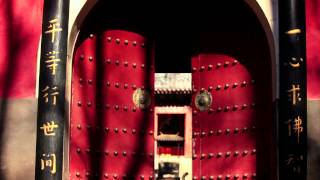
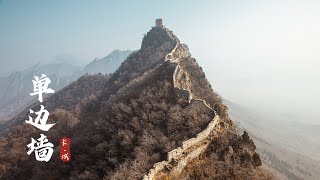
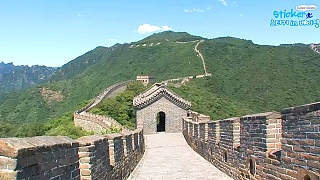
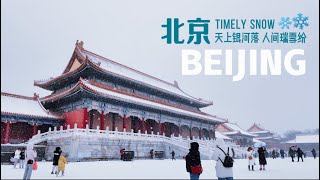
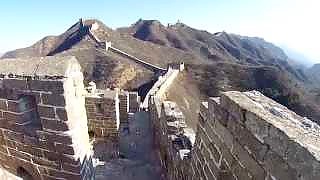
 The Great Wall at BaDaLing 八达岭 (slideshow), BeiJing 北京
A beautiful film by kinabaloo.com.
[640],shadow=true,start=,stop=The Great Wall of China is one of the most iconic and awe-inspiring attractions in the world, drawing millions of tourists each year. Here's a guide for tourists visiting the Great Wall:History and Significance:
Historical Significance: The Great Wall of China is a series of fortifications built over centuries to protect China from invasions by nomadic tribes from the north. Its construction began as early as the 7th century BC and continued through different dynasties, with the most famous sections built during the Ming Dynasty (1368–1644 AD).
Length and Structure: Stretching over 13,000 miles (21,196 kilometers), the Great Wall is not a continuous wall but a series of walls, trenches, and natural barriers, including mountains and rivers. Its main purpose was to provide defense and control trade routes along the northern border of China.
Visiting the Great Wall:
Sections to Visit: While the entire Great Wall is massive, certain sections are more accessible and popular among tourists. The most visited sections include Badaling, Mutianyu, Jinshanling, and Simatai. Each section offers unique features and experiences.
Badaling: This section is the closest to Beijing and is one of the most well-preserved and accessible sections of the Great Wall. It can be crowded, especially during peak tourist seasons.
Mutianyu: Located about 1.5 to 2 hours' drive from Beijing, Mutianyu offers a less crowded but equally impressive experience. It features restored sections as well as more rugged and original parts.
Jinshanling and Simatai: These sections are farther from Beijing but are known for their scenic beauty and relatively fewer crowds. They offer a more authentic and adventurous hiking experience.
Tips for Tourists:
Best Time to Visit: The Great Wall can be visited year-round, but the best times are spring (April to June) and autumn (September to November) when the weather is pleasant, and the scenery is beautiful.
Avoiding Crowds: To avoid crowds, consider visiting the Great Wall early in the morning or during weekdays. Badaling tends to be busiest, so opting for less-visited sections like Jinshanling or Simatai can provide a more peaceful experience.
Wear Comfortable Clothing: The Great Wall involves a fair amount of walking and climbing stairs, so wear comfortable shoes and clothing suitable for hiking.
Stay Hydrated and Sun-Protected: Bring plenty of water, sunscreen, and a hat, especially during hot summer months, as there may be limited shade on the Wall.
Respect the Environment: Help preserve the Great Wall for future generations by refraining from littering, defacing, or damaging the structure.
Cultural Insights:
Learn about the History: Take the time to learn about the history and significance of the Great Wall through signage, guidebooks, or guided tours.
Capture Memories: Don't forget to bring a camera or smartphone to capture the breathtaking views and memories of your visit.
Interact with Locals: Engage with local vendors, tour guides, or fellow travelers to gain insights into Chinese culture and customs related to the Great Wall.
Visiting the Great Wall of China is a once-in-a-lifetime experience that offers not only breathtaking views and photo opportunities but also a deeper appreciation for one of the world's most remarkable architectural achievements.
Beijing, the capital city of China, is a vibrant metropolis steeped in history, culture, and modernity. Here's a brief overview of what you can expect as a tourist in Beijing:
Historical Landmarks:
The Great Wall of China: One of the most iconic structures in the world, the Great Wall is easily accessible from Beijing. Mutianyu and Badaling sections are popular among tourists.
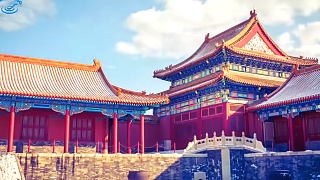
Forbidden City (Palace Museum): A UNESCO World Heritage Site, this vast imperial palace complex was home to Chinese emperors for over 500 years. It houses numerous halls, courtyards, and historical artifacts.
Temple of Heaven: A masterpiece of Chinese architecture, this ancient temple complex served as a place of worship for emperors to pray for good harvests.
Summer Palace: A stunning ensemble of lakes, gardens, and palaces, the Summer Palace served as a retreat for emperors during the Qing dynasty.
Tiananmen Square: One of the largest city squares in the world, Tiananmen Square is flanked by important landmarks such as the Monument to the People's Heroes, the Great Hall of the People, and the Mausoleum of Mao Zedong.
Cultural Sites:
Beijing Hutongs: Explore the narrow alleyways and traditional courtyard residences of Beijing's historic neighborhoods. You can take a rickshaw tour or simply wander around on foot.
Beijing Opera: Experience traditional Chinese opera performances at venues like the Liyuan Theater or the Chang'an Grand Theatre.
798 Art District: A hub of contemporary art and culture, this former industrial area is now home to numerous galleries, studios, and cafes.
Modern Attractions:
Olympic Park: Visit iconic structures such as the Bird's Nest (National Stadium) and the Water Cube (National Aquatics Center) from the 2008 Beijing Olympics.
CBD (Central Business District): Marvel at the futuristic skyline of Beijing's modern business district, which includes landmarks like the CCTV Headquarters and the China World Trade Center Tower III.
Culinary Delights:
Peking Duck: Indulge in Beijing's most famous dish, crispy roast duck served with pancakes, scallions, and hoisin sauce.
Street Food: Explore the city's vibrant street food scene and sample local delicacies like jianbing (savory crepes), lamb skewers, and dumplings.
Practical Tips:
Transportation: Beijing has an extensive public transportation system, including the subway, buses, and taxis. However, traffic can be heavy, so plan your travels accordingly.
Language: While English is not widely spoken, especially outside tourist areas, many signs and transportation announcements are in English. It's helpful to carry a translation app or a phrasebook.
Weather: Beijing experiences four distinct seasons, with hot summers and cold winters. The best times to visit are spring (April to June) and autumn (September to October) when the weather is mild and comfortable.
Etiquette: Respect local customs and traditions, such as removing your shoes before entering someone's home and using both hands to pass or receive items.
Beijing offers a rich tapestry of experiences for tourists, blending ancient heritage with modern innovations. Whether you're fascinated by history, culture, or culinary delights, there's something for everyone in this dynamic city.