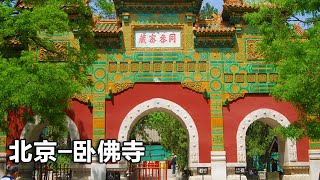
China – a bird’s eye view – don’t miss it

With Stef Hoffer :

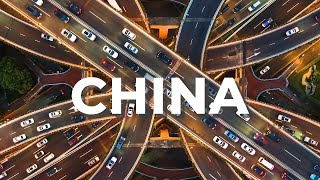
Here’s a brief overview of some of the places visited in this video.

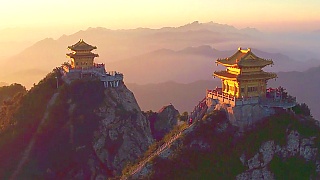
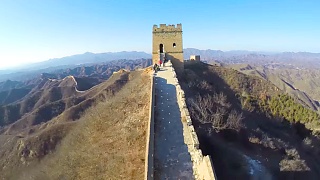
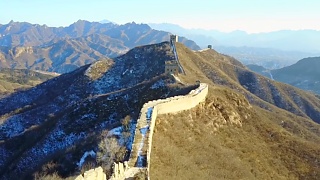
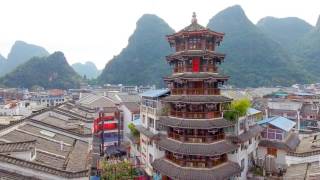
After a short introduction, we begin this journey near the spectacular rice terraces of Yuanyang, before moving on to the captivating Buddhist temples of Dali. Via the peculiar Shilin Stone Forest and the ‘Rainbow Mountains’ of Zhangye, we arrive in Guangzhou (Canton), one of China’s largest cities. After the Yellow Mountains national park, and the intriguing ‘tulou’ buildings, we visit the Great Wall and the Leshan Giant Buddha, the largest such statue in the world.

After flying through the ice and snow city of Harbin, where people enjoy a unique Winter event, we take a brief look at the imposing Yellow River, Hukou waterfall, Zhengzhou and Changsha cities, before stopping at the breathtaking Jiuzhaigou national park, filled with crystal clear blue lakes. The next place is the countryside in between rural Yangshuo and urban Guilin, easily one of the most popular tourist destinations in China, where the Li river meanders through bizarre karst scenery.

For more diversity, we travel to Dunhuang to visit the arid Gobi Desert. We also have a look at a solar panel field and windmill park, before we fly over some heavy industry, including a steel factory, coal mine, oil refinery, concrete dam, shipyard, an oil rig, and a massive bridge. Hong Kong is our next destinations, before moving on to several places along the Yangtze river (or its distributaries), including Tiger Leaping Gorge, Chongqing, and Wuhan.

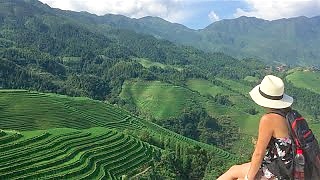
On Hainan island we see the ‘tropical’ side of China, while in Xiahe and Tibet we visit the country’s highlands. From the frozen cities of Jilin and Xining we arrive in Qingdao, with its German colonial architecture and coastal vibe. In Macau we fly over the famous casinos, but also visit the Portuguese quarters, and after the rice fields of Longji (Dragon’s Backbone), we increase our altitude in the Yulong national park.

After Hangzhou and Shenyang, we briefly look at one of China’s many ‘ghost towns’ and construction sites, before flying on to the surreal pillars of Zhangjiajie, and the (perhaps) equally stunning skyline of Shanghai. After showing the modern part of the city and the port (harbor), we also explore some of the disappearing neighborhoods, destroyed factories, and the strange looking ‘bicycle graveyard’.

From the freezing ‘Xuexiang’ village and walled city of Pingyao we continue our journey in Xian, Shenzhen, Suzhou, and Changzhou. Finally, we take a look at the mesmerizing Yuanmou ‘Earth Forest’, Kunming city, and Lijiang, one of China’s most famous historic towns.

Video chapters / timestamps:

0:00 Introduction
3:29 Yuangyang rice terraces
4:59 Chengkan
5:17 Dali
6:08 Shilin stone forest
6:50 Zhangye national park
7:55 Guangzhou
10:22 Huangshan national park
11:24 Fujian ‘tulou’
12:03 The Great Wall
12:33 Leshan
12:55 Harbin
15:00 Yellow River
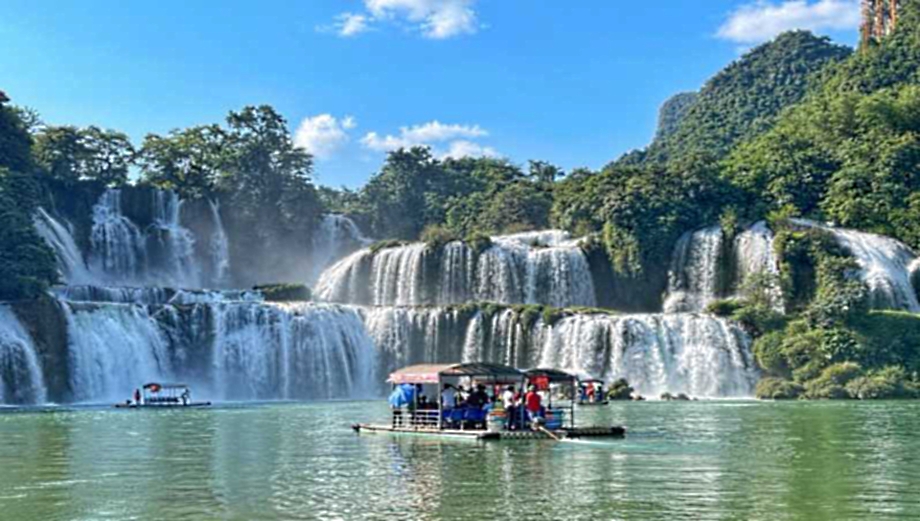
15:28 Hukou waterfall
15:50 Zhengzhou
16:20 Changsha
16:31 Jiuzhaigou national park
17:26 Yangshuo
20:25 Dunhuang
21:42 Qinghuangdao
21:58 Guazhou
22:47 Benxi, Fushun, Guangzhou, Hainan
24:19 Danjiangkou
25:12 Aizhai bridge
25:39 Hong Kong
29:19 Tiger Leaping Gorge
29:44 Chonqging
31:45 Yangtze River
33:03 Wuhan
35:41 Hainan island
38:02 Xiahe
38:51 Tibet
40:26 Jilin
40:44 Xining
41:25 Linxia
41:51 Qingdao
48:22 Macau
49:34 Longji rice terraces
49:59 Shexian
50:21 Yulong national park
51:42 Hangzhou
53:06 Shenyang
53:32 Shenfu ‘ghost town’
54:26 Chengdu
54:46 Zhangjiajie national park
56:12 Shanghai
1:04:26 Xuexiang
1:05:49 Pingyao
1:06:28 Shenzhen
1:06:54 Xian
1:07:12 Suzhou
1:10:05 Changzhou
1:10:44 Yuangmou Earth forest
1:11:23 Kunming
1:12:43 Lijiang
[640],shadow=true,start=,stop=

Related Videos


Featured Videos

Economist John Ross on China’s continuing rise
Don't miss it. With No Cold War ... Bonus films - with Rise of Asia ... With Richard Wolff ...
Welcome to the future – ShangHai
With Sam Tyler ... "Welcome to Shanghai, China! This is my first time exploring Shanghai for the first time. Shanghai is a huge megacity, rich in history and culture and in this video, you are getting my first impressions, uncovering what it's really like here, and diving into the hustle and bustle of this vibrant city."
Beautiful Sleeping Buddha – sculpture art from waste
Last year, artist Hu JunJun was invited to make a six ton Reclining Buddha statue with twigs, which received much attention on exhibition in XiaMen. In her works, the Buddha often appears among colorful Chinese landscapes in a light and graceful style, rather than in the stereotypical manner of religious art works. Master architect Tadao Ando designed a museum for their collection of Buddha statues of the Northern Dynasties over the past decade. At the end of 2020, YIT visited Hu JunJun in her studio and collected the backstage story of her creation and collection of Buddha statues ... *** Find many more inspiring videos on our latest Chinese culture videos page ***
36 hours in ChongQing city
With Eoin and Aisling ...
Geopolitics update – February 2025 (2)
With Mick Dunford, Michael Hudson and Radhika Desai ... With Wave Media ... With Dialogue Works plus Alex Krainer and Pepe Escobar ... With Stephen Roach ... With Brian Berletic ... With Trip Bitten, on RedNote ... 1. Introduction: The West’s Illusion of Superiority The West has long portrayed itself as the pinnacle of civilization, a beacon of freedom, democracy, and progress. Yet, beneath this self-congratulatory narrative lies a history of exploitation, inequality, and moral decay. From its roots in colonialism and slavery to its modern-day obsession with short-term profits and individualism, the West’s claims to superiority are built on shaky foundations. In contrast, nations like China and many across Asia offer a different vision—one rooted in collective well-being, long-term planning, and a deep respect for cultural heritage. This exploration seeks to uncover the truth behind the West’s facade and highlight the strengths of alternative models. --- 2. The West’s Historical Foundations: Colonialism, Slavery, and Exploitation The West’s rise to global dominance was not achieved through innovation or moral superiority but through the brutal exploitation of others. Colonialism and slavery were not mere historical footnotes—they were the foundation of Western wealth and power. Entire continents were plundered, their resources stolen, and their people subjugated. The transatlantic slave trade, the genocide of indigenous populations, and the exploitation of colonies in Asia, Africa, and the Americas are indelible stains on the West’s conscience. Even today, the West continues to benefit from the structures of inequality established during the colonial era. Global economic systems are still rigged in favor of Western nations, while former colonies are burdened with debt, poverty, and instability. The West’s refusal to confront this history is a testament to its enduring arrogance and hypocrisy. --- 3. The Myth of Democracy and Free Speech: Tools for Regime Change and Hegemony The West’s promotion of “democracy and free speech” is often portrayed as a noble endeavor to spread freedom and human rights. In reality, these ideals have frequently been used as a smokescreen for regime change, economic exploitation, and the maintenance of Western hegemony. Far from empowering people, the West’s version of democracy has often been a backdoor for imposing its will on other nations, destabilizing governments that resist its dominance, and ensuring that the global order remains tilted in its favor. The West’s emphasis on free speech is equally hypocritical. While people are technically free to say what they want, there are significant social and professional consequences for speaking out against the status quo. Dissent is often met with ridicule, ostracism, or even retaliation, particularly when it challenges powerful institutions or entrenched ideologies. --- 4. Poverty as a Tool for Compliance: The West’s Deliberate Inequality Poverty is not an accident or a natural outcome of economic systems—it is a deliberate tool used by the West to maintain compliance and control. By keeping large segments of the population in a state of economic precarity, the West ensures that people are too preoccupied with survival to question the systems that exploit them. Poverty is not just a condition; it is a mechanism of oppression, designed to perpetuate inequality and servitude. The West’s reliance on poverty as a tool of control comes at a tremendous cost—not just for the poor, but for society as a whole. Poverty undermines social cohesion, fuels inequality, and stifles human potential. It is a barrier to progress, a source of suffering, and a stain on the conscience of any society that allows it to persist. --- 5. The Culture of Fear and Conformity: Why the West is Scared to Be Free When visiting the West, one of the most striking observations is the pervasive sense of fear that seems to grip its people. Fear of judgment, fear of failure, fear of standing out—this culture of fear is not an accident but a deliberate outcome of systems designed to keep people compliant, divided, and isolated. In the West, the illusion of freedom masks a reality of constraint, where people are too scared to be themselves, too scared to speak their minds, and too scared to challenge the status quo. This fear of freedom is rooted in the West’s culture of individualism, which isolates people and undermines collective action. In a society where everyone is focused on their own survival and success, there is little room for solidarity or mutual support. People are taught to see themselves as competitors rather than allies, making it difficult to unite against the systems that oppress them. --- 6. The Infantile Culture of the West: Distraction, Instant Gratification, and Ethical Decay The West’s culture is defined by its obsession with instant gratification. From fast food to fast fashion, from social media to sensationalist news, the West prioritizes quick fixes and superficial pleasures over meaningful, lasting fulfillment. This culture of distraction is not just a byproduct of modernity—it is a tool of control. By keeping people focused on trivialities and immediate desires, the West’s elites ensure that the population remains disengaged from the deeper issues that affect their lives. This infantilization is evident in the West’s media and entertainment industries, which prioritize spectacle over substance. Blockbuster movies, reality TV, and viral social media trends dominate the cultural landscape, offering escapism rather than enlightenment. The result is a society that is intellectually and emotionally stunted, unable to grapple with complex issues or think critically about the world around them. --- 7. Short-Term Profits vs. Long-Term Planning: The West’s Unsustainable Model One of the most striking differences between China and the West is their approach to time. China’s governance is defined by its commitment to long-term planning, with a focus on sustainable development, infrastructure, and the well-being of future generations. In contrast, the West is dominated by a culture of short-term profits, where immediate gains are prioritized over long-term stability and progress. This obsession with short-term profits has led to a culture of instability and insecurity. In the West, workers are often treated as disposable, with little job security or access to benefits. Corporations prioritize shareholder returns over the well-being of their employees, leading to a cycle of layoffs, outsourcing, and wage stagnation. The result is a society where people are constantly struggling to keep up, with little hope for a stable or prosperous future. --- 8. China’s Alternative: A Civilization Rooted in Harmony, Collective Well-Being, and Progress In contrast to the West’s infantile culture, China represents a mature and grounded civilization, rooted in thousands of years of cultural heritage and philosophical wisdom. China’s approach to governance and society is defined by its commitment to harmony, collective well-being, and long-term thinking. This is not just a matter of policy—it is a reflection of a deep cultural understanding of what it means to build a just and equitable society. China’s emphasis on education, moral values, and social responsibility fosters a culture of maturity and depth. Rather than being distracted by superficial pleasures, the Chinese people are encouraged to contribute to the collective good and to think critically about the future. This sense of purpose and responsibility stands in stark contrast to the West’s culture of distraction and instant gratification. --- 9. Asia’s Distinct Friendliness and Helpfulness: A Culture of Community and Respect In contrast to the West’s ethical decline, many Asian cultures are characterized by a distinct sense of friendliness, helpfulness, and community. This is not just a superficial difference but a reflection of deeper cultural values that prioritize harmony, respect, and collective well-being. For visitors to Asia, this warmth and generosity are often immediately apparent, creating a stark contrast with the individualism and alienation often experienced in the West. This sense of harmony is evident in everyday interactions. In many Asian countries, people go out of their way to assist strangers, whether by giving directions, offering a seat on public transport, or simply sharing a smile. This friendliness is not just a matter of politeness but a reflection of a deeper cultural commitment to creating a positive and supportive social environment. --- 10. Conclusion: A Choice Between Two Paths The West’s ethical decline and Asia’s distinct friendliness and helpfulness represent two very different approaches to society and culture. The West’s focus on individualism, profit, and power has led to a culture of alienation and moral decay, while Asia’s emphasis on harmony, community, and mutual support has created a culture of warmth and resilience. The choice between these two paths is not just a matter of cultural preference but a question of values. The West’s ethical decline is a reminder of the dangers of prioritizing power and profit over people, while Asia’s friendliness and helpfulness offer a vision of a more just and equitable world. In this new era, it is clear that the West has much to learn from Asia’s example—not just about how to treat others, but about how to build a society that truly values harmony, respect, and collective well-being. Quality of life FOR ALL is what we need.
Two months in China’s south west 中国
Highlights of an eight week trip though Tibet, YunNan, SiChuan, GanSu and QingHai provinces (2007).
Inside the YuTong bus factory
With Walkabout Rojo ...
Ethnic cuisine and culture
With DianXi XiaoGe ...
This is Beijing 北京 !
A film of beautiful Beijing by our resident photographer, plus more great films. 9 minutes to see the beautiful, blue sky city of Beijing ...

Tag search ?