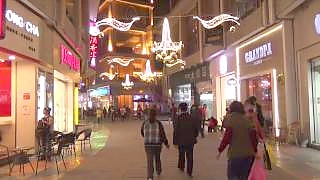
HongYa Cave shopping area, ChongQing

With Walk East ...

[640],shadow=true,start=,stop=

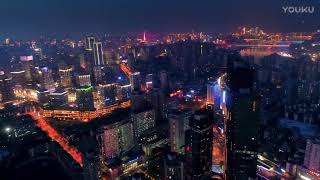
Downtown drive ...

[320],shadow=true,start=,stop=

Chongqing, often referred to as the 'Mountain City', is a vibrant metropolis located in southwestern China. It's a fascinating destination for tourists, offering a unique blend of natural beauty, rich cultural heritage, and modern urban development. Here's a guide for tourists visiting Chongqing:

City Highlights:
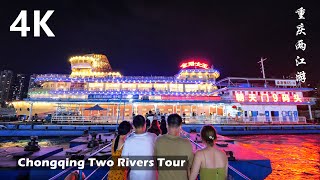
Geographical Features: Chongqing is renowned for its dramatic landscape, characterized by steep hills, towering skyscrapers, and the confluence of the Yangtze and Jialing rivers. The city's hilly terrain gives it a distinctive skyline and adds to its scenic beauty.

Three Gorges: As a gateway to the Three Gorges region, Chongqing serves as the starting point for Yangtze River cruises. Tourists can embark on cruises that traverse the picturesque Three Gorges, including Qutang Gorge, Wu Gorge, and Xiling Gorge, while experiencing the breathtaking scenery along the way.

Cultural Heritage: Chongqing boasts a rich cultural heritage with historical sites, temples, and museums that showcase its long history and cultural diversity. Must-visit attractions include the Dazu Rock Carvings, a UNESCO World Heritage site featuring intricate Buddhist sculptures, and the Three Gorges Museum, which offers insights into the region's natural and cultural history.

Culinary Delights: Chongqing is famous for its spicy Sichuan cuisine, particularly hotpot, a popular dish enjoyed by locals and visitors alike. Tourists can sample authentic Chongqing hotpot at local restaurants and street food stalls, savoring the bold flavors and fiery spices that characterize the region's cuisine.

Attractions and Activities:
Hongya Cave: This iconic riverside complex in downtown Chongqing features traditional architecture, colorful lights, and a bustling marketplace. Visitors can explore the labyrinthine alleyways, shop for souvenirs, and enjoy panoramic views of the Yangtze River from the elevated walkways.

Ciqikou Ancient Town: Nestled along the banks of the Jialing River, Ciqikou Ancient Town is a well-preserved historic district known for its Ming and Qing Dynasty architecture, charming tea houses, and artisan shops. It's a great place to stroll, shop for handicrafts, and sample local snacks.

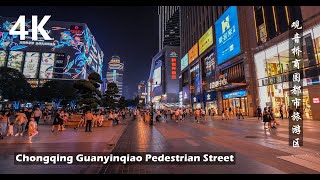
Jiefangbei Pedestrian Street: As the commercial heart of Chongqing, Jiefangbei Pedestrian Street is a bustling shopping and entertainment district lined with shops, malls, theaters, and restaurants. It's a vibrant area to explore, especially at night when the neon lights illuminate the streets.

Wulong Karst Landscape: Located about 3 hours' drive from Chongqing, the Wulong Karst Landscape is a UNESCO World Heritage site renowned for its stunning karst formations, natural bridges, and caves. Visitors can hike, explore underground caverns, and admire the breathtaking scenery of this geological wonderland.

Practical Tips:
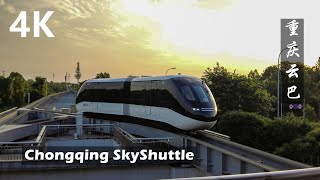
Transportation: Getting around Chongqing is convenient with its extensive public transportation network, including buses, taxis, and the Chongqing Metro. Cable cars and escalators also provide access to the city's hilly terrain.

Weather: Chongqing has a subtropical climate with hot summers and mild winters. Summer temperatures can be sweltering, so it's advisable to dress accordingly and stay hydrated.

Language: Mandarin Chinese is the official language spoken in Chongqing, although the local Chongqing dialect is also prevalent. It's helpful to carry a phrasebook or translator app, especially if you're not fluent in Mandarin.

Chongqing offers a captivating blend of natural beauty, cultural heritage, and modern urban life, making it an exciting destination for tourists seeking to explore the diverse landscapes and rich cultural heritage of southwestern China.
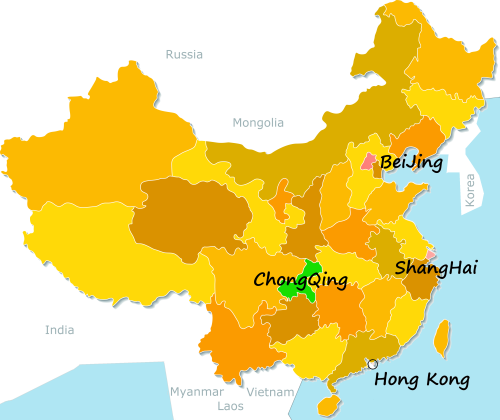
ChongQing map

Related Videos


Featured Videos

TeamLab, ShangHai – an awesome immersive audio-visual art experience
With FunFancie ... TeamLab is an interdisciplinary art collective and creative studio based in Japan that is renowned for its innovative and immersive digital art installations. It has expanded its presence globally. In Shanghai, TeamLab has created several immersive art experiences that blend digital technology, interactive elements, and traditional art forms to create breathtaking environments that engage the senses and encourage visitor participation. These exhibitions often feature a combination of projection mapping, interactive projections, LED lights, soundscapes, and sensor-based technology to create dynamic and interactive environments. One of the most notable exhibitions is TeamLab Borderless Shanghai, which is featured here. It is characterized by its seamless integration of digital art into physical spaces, creating a sense of boundless, dreamlike environments where visitors can explore and interact with the artwork freely. In these exhibitions, visitors are invited to walk through rooms filled with mesmerizing digital art installations that respond to their movements and interactions. For example, visitors may find themselves surrounded by vibrant, blooming flowers that change color as they move, or immersed in a digital ocean where schools of fish swim around them in response to their presence. The exhibition aims to create immersive experiences that evoke wonder, curiosity, and a sense of inter-connectedness with the world around us, unforgettable experiences that blur the boundaries between art, technology and the imagination.
The life of purple rice, pumpkins and peanuts 紫米南瓜的一生 …
With LiZiQi 李子柒 ...
JiaYuGuan 嘉峪关 – the western end of the Great Wall of China
Plus DunHuang oasis and ZhangYe DanXia GeoPark, all in GanSu province.
NingBo from the air
ZheJiang province.
A day in Xi’An 西安, ShaanXi province
Including the Terracotta Warriors ...
24 hours in HangZhou 杭州  …
ZheJiang province.
A walk through the beautiful Forbidden City 紫禁城, BeiJing
The nearly one million square meter Palace Museum lies at the heart of Beijing ...
ShangHai 上海 skyline
Hiking the GongGa mountain trail, SiChuan province
With Men's Journal ... About the GongGa Trail Mount GongGa, also known as Minya Konka, is the highest peak in SiChuan province, China, standing at 7,556 meters (24,790 feet). The Gongga Trail offers a challenging yet rewarding trekking experience, featuring stunning landscapes, glaciers, and traditional Tibetan villages. It is a popular destination for adventurers and nature enthusiasts looking to explore the remote and pristine beauty of the region. Hiking Trails Hailuogou Glacier Park Trail The Hailuogou Glacier Park Trail is one of the most accessible routes on Mount Gongga. It features stunning views of glaciers, hot springs, and lush forests. This trail is suitable for trekkers of all levels and can be completed in 2-3 days. Yulongxi Trail The Yulongxi Trail offers a more challenging trek with breathtaking scenery, including high-altitude lakes, meadows, and snow-capped peaks. This trail takes about 4-5 days to complete and requires a good level of fitness. Kangding to Gongga Monastery Trail This trail starts in Kangding and leads to the Gongga Monastery, providing trekkers with an opportunity to experience local Tibetan culture and stunning natural beauty. The trek takes approximately 5-6 days. Old Chengdu-Kangding Tea-Horse Road This historic trail follows the ancient trade route, offering a blend of cultural and natural attractions. Trekkers can enjoy scenic vistas, traditional villages, and historical sites along the way. The trek can take 7-10 days depending on the chosen route. Famous Guesthouses Hailuogou Grand Hotel Located at the entrance of Hailuogou Glacier Park, Hailuogou Grand Hotel offers comfortable accommodation and easy access to the glacier. It is a great base for starting the trek. Gongga Shan Hotel Situated in Kangding, Gongga Shan Hotel provides modern amenities and a convenient location for trekkers heading towards Mount Gongga. The hotel offers stunning views of the surrounding mountains. Konka International Youth Hostel Located in the town of Luding, Konka International Youth Hostel is popular among backpackers and budget travelers. It offers basic accommodation and a friendly atmosphere. Minya Konka Guesthouse Near the Gongga Monastery, Minya Konka Guesthouse provides an authentic Tibetan experience with traditional architecture and hospitality. It is a perfect stop for trekkers on the Kangding to Gongga Monastery Trail. Transport Mount Gongga and the Gongga Trail are accessible from major cities in Sichuan province. Here are some ways to get there: From Chengdu: Buses and private transfers are available from Chengdu to Kangding, taking approximately 6-7 hours. From Kangding, you can hire a local guide or take a bus to the trailhead. From Kangding: Local buses and taxis can take you to various trailheads, including Hailuogou Glacier Park and Yulongxi. The journey time varies depending on the destination. By Car: Renting a car is a flexible option for those who prefer driving. The roads to Kangding and surrounding areas are well-maintained, offering scenic views along the way.

Tag search ?