BeiJing walk – from the CBD to the Olympic Park (plus new maglev line)

北京 | 前门 | 建外CBD

With Walk East ...

[640],shadow=true,start=,stop=

Bonus film - BeiJing's new maglev line ...

[320],shadow=true,start=,stop=

Bonus film 2 - A trip to the Summer Palace (YiHeYuan) in winter - with Walk For You ...

[320],shadow=true,start=,stop=

Beijing, the capital city of China, is a vibrant metropolis steeped in history, culture, and modernity. Here's a brief overview of what you can expect as a tourist in Beijing:

Historical Landmarks:
The Great Wall of China: One of the most iconic structures in the world, the Great Wall is easily accessible from Beijing. Mutianyu and Badaling sections are popular among tourists.

Forbidden City (Palace Museum): A UNESCO World Heritage Site, this vast imperial palace complex was home to Chinese emperors for over 500 years. It houses numerous halls, courtyards, and historical artifacts.

Temple of Heaven: A masterpiece of Chinese architecture, this ancient temple complex served as a place of worship for emperors to pray for good harvests.

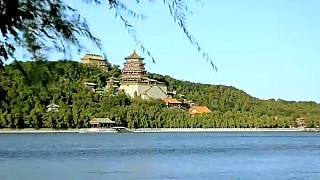
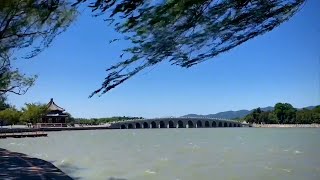
Summer Palace: A stunning ensemble of lakes, gardens, and palaces, the Summer Palace served as a retreat for emperors during the Qing dynasty.

Tiananmen Square: One of the largest city squares in the world, Tiananmen Square is flanked by important landmarks such as the Monument to the People's Heroes, the Great Hall of the People, and the Mausoleum of Mao Zedong.

Cultural Sites:
Beijing Hutongs: Explore the narrow alleyways and traditional courtyard residences of Beijing's historic neighborhoods. You can take a rickshaw tour or simply wander around on foot.

Beijing Opera: Experience traditional Chinese opera performances at venues like the Liyuan Theater or the Chang'an Grand Theatre.

798 Art District: A hub of contemporary art and culture, this former industrial area is now home to numerous galleries, studios, and cafes.

Modern Attractions:
Olympic Park: Visit iconic structures such as the Bird's Nest (National Stadium) and the Water Cube (National Aquatics Center) from the 2008 Beijing Olympics.

CBD (Central Business District): Marvel at the futuristic skyline of Beijing's modern business district, which includes landmarks like the CCTV Headquarters and the China World Trade Center Tower III.

Culinary Delights:
Peking Duck: Indulge in Beijing's most famous dish, crispy roast duck served with pancakes, scallions, and hoisin sauce.

Street Food: Explore the city's vibrant street food scene and sample local delicacies like jianbing (savory crepes), lamb skewers, and dumplings.

Practical Tips:
Transportation: Beijing has an extensive public transportation system, including the subway, buses, and taxis. However, traffic can be heavy, so plan your travels accordingly.

Language: While English is not widely spoken, especially outside tourist areas, many signs and transportation announcements are in English. It's helpful to carry a translation app or a phrasebook.

Weather: Beijing experiences four distinct seasons, with hot summers and cold winters. The best times to visit are spring (April to June) and autumn (September to October) when the weather is mild and comfortable.

Etiquette: Respect local customs and traditions, such as removing your shoes before entering someone's home and using both hands to pass or receive items.

Beijing offers a rich tapestry of experiences for tourists, blending ancient heritage with modern innovations. Whether you're fascinated by history, culture, or culinary delights, there's something for everyone in this dynamic city.
Related Videos


Featured Videos

Breakfast in WuHan, HuBei province  : )
With How To Do? In China ... Bonus film - my 9-5 work day, back home in NingBo ...
Relaxing in BeiJing 北京 – video
Sticker Travel visit PanJiaYuan curio market, join the fun at the Temple of Heaven park, then head over to ShiChaHai to relax in a lakeside bar at QianHai ...
Rock guitar goddess – YO YO (PinXi Liu) plays Glasgow Kiss …
Don't miss it ! A musician at one with the music. Wei wu wei - no effort (no separation) - literally, action without action. First kiss - the one you'll never forget ... Cover - John Petrucci. Bonus film - Asian shredding - a jam with Li-sa-X from Japan - "Little Wings" ...
A drive through the grasslands of GanSu province
With Walk China ... Grasslands of Gansu Province travel guide Introduction The grasslands of Gansu Province are a breathtaking natural wonder, offering vast expanses of rolling hills, lush meadows, and vibrant wildflowers. These grasslands are home to diverse wildlife and traditional nomadic cultures, providing visitors with a unique and immersive experience. This guide will help you explore the beauty of Gansu's grasslands, including must-see attractions, local culture, and practical travel tips. Must-See Grasslands Maqu Grassland (玛曲草原) Maqu Grassland, located in the southern part of Gansu Province, is one of the most beautiful and well-preserved grasslands in China. The area is known for its rich biodiversity, including rare species of plants and animals. Visitors can experience traditional Tibetan nomadic culture, including horseback riding and staying in yurts. Gannan Tibetan Autonomous Prefecture (甘南藏族自治州) Gannan Tibetan Autonomous Prefecture is a region in Gansu known for its stunning landscapes and vibrant Tibetan culture. The grasslands here are dotted with monasteries, prayer flags, and nomadic camps. Highlights include the Labrang Monastery, one of the six great monasteries of the Gelug school of Tibetan Buddhism, and the Sangke Grassland, a perfect spot for camping and picnicking. Ruoergai Grassland (若尔盖草原) Ruoergai Grassland, also known as Zoige Grassland, is located at the border of Gansu and Sichuan provinces. It is one of the largest and most picturesque grasslands in China, featuring vast wetlands, rivers, and lakes. The area is home to numerous bird species, making it a paradise for bird watchers. Langmusi (郎木寺) Langmusi is a small town located on the border of Gansu and Sichuan provinces, known for its beautiful grasslands and Tibetan Buddhist monasteries. The town is surrounded by lush meadows and mountains, offering excellent opportunities for hiking and horse riding. The local monasteries, such as the Kirti Monastery and Sertri Monastery, are also worth visiting. Local Culture The grasslands of Gansu are home to a diverse range of ethnic groups, including Tibetans, Mongolians, and Hui Muslims. These communities have preserved their traditional ways of life, including nomadic herding, Tibetan Buddhism, and unique culinary traditions. Visitors can immerse themselves in local culture through homestays, attending festivals, and participating in traditional activities. Tibetan Festivals Tibetan festivals are an integral part of the cultural landscape in Gansu's grasslands. Key festivals include Losar (Tibetan New Year), Shoton (Yogurt Festival), and the Horse Racing Festival. These events feature traditional music, dance, religious rituals, and sports competitions, providing a vibrant and immersive cultural experience. Traditional Nomadic Life Experiencing the traditional nomadic lifestyle is a highlight of any visit to the grasslands. Visitors can stay in yurts, ride horses, and learn about the herding practices that have sustained these communities for centuries. This offers a unique insight into the symbiotic relationship between the nomads and their natural environment. Practical Travel Tips Best Time to Visit: The best time to visit the grasslands of Gansu is during the summer months (June to September) when the weather is mild, and the grasslands are in full bloom. Getting Around: Due to the vast and remote nature of the grasslands, hiring a local guide or joining a tour is recommended. Public transportation options are limited, and having a guide will enhance your experience. Accommodation: Accommodation options range from basic guesthouses to traditional yurts. Staying in a yurt provides a unique cultural experience, but it's essential to book in advance, especially during peak tourist season. Health and Safety: The high altitude of some grassland areas can cause altitude sickness. It's important to acclimatize gradually and stay hydrated. Be prepared for varying weather conditions and pack appropriate clothing. Respect Local Customs: When visiting Tibetan and other ethnic communities, respect local customs and traditions. Seek permission before taking photographs, especially in religious sites and of local people. Conclusion The grasslands of Gansu Province offer a unique and unforgettable travel experience, combining stunning natural landscapes with rich cultural heritage. Whether you're exploring the vast meadows, learning about nomadic traditions, or immersing yourself in Tibetan culture, the grasslands of Gansu provide a deep and enriching connection to the natural and cultural wonders of China. Use this guide to plan your journey and make the most of your visit to this extraordinary region.
ChangSha night walk, HuNan province
With Walk East ...
LuGu Lake 泸沽湖, YunNan province
With Aerial China ... With 泸沽湖 ... About LuGu Lake LuGu Lake is a stunning alpine lake located in the northwest of the YunNan province in southwestern China. It is situated at a high elevation of approximately 2,685 meters (8,809 feet) above sea level and is renowned for its breathtaking natural scenery, clear waters, and unique cultural heritage. Attractions Lugu Lake offers a range of attractions and activities for visitors to enjoy: Lake Cruises: Take a scenic boat cruise on the pristine waters of Lugu Lake and marvel at the surrounding mountain landscapes. Luoshui Village: Explore the charming Luoshui Village, home to the Mosuo ethnic minority group known for their matriarchal society and unique cultural traditions. Leiqi Island: Visit Leiqi Island, also known as the "Island of Women," and learn about the fascinating customs and rituals of the Mosuo people. Lige Peninsula: Hike or bike along the picturesque Lige Peninsula and enjoy panoramic views of the lake and surrounding countryside. Dukezong Ancient Town: Discover the ancient town of Dukezong, located nearby, and admire its well-preserved Tibetan architecture and historical landmarks. Accommodation There are various accommodation options available around Lugu Lake, ranging from cozy guesthouses and boutique hotels to traditional Mosuo-style lodgings. Visitors can choose to stay in accommodations offering stunning lake views or opt for accommodations closer to the local villages for a more immersive cultural experience. Getting There Lugu Lake is accessible by road from major cities in Yunnan Province, such as Lijiang and Kunming. Visitors can travel by bus or hire private transportation to reach the lake area. It's advisable to check road conditions and weather forecasts before embarking on the journey, especially during the winter months when snowfall may affect travel. Best Time to Visit The best time to visit Lugu Lake is during the spring and autumn months, from April to June and September to November, when the weather is mild and the scenery is at its most beautiful. Summer is also a popular time to visit, although it can be crowded with tourists. Winter brings cold temperatures and occasional snowfall, but it offers a serene and tranquil atmosphere. Plan Your Trip Before visiting Lugu Lake, be sure to plan your trip carefully and consider factors such as accommodation, transportation, and activities. It's also important to respect the local culture and customs, particularly when interacting with the Mosuo people. With its stunning natural beauty and rich cultural heritage, Lugu Lake promises an unforgettable experience for travelers seeking adventure and exploration.
50 places to visit in ShangHai
ShangHai: 20 Kid-Friendly Places to Visit Shanghai Disneyland (上海迪士尼乐园 Shànghǎi Díshìní Lèyuán): Enjoy magical attractions and meet Disney characters at this theme park. Ocean Aquarium (上海海洋水族馆 Shànghǎi Hǎiyáng Shuǐzúguǎn): Explore marine life exhibits and interactive displays. Century Park (世纪公园 Shìjì Gōngyuán): Relax in green spaces and enjoy boating on the lake in this expansive park. Shanghai Natural History Museum (上海自然博物馆 Shànghǎi Zìrán Bówùguǎn): Learn about dinosaurs, fossils, and natural history. Shanghai Science and Technology Museum (上海科技馆 Shànghǎi Kējìguǎn): Discover interactive exhibits on science and technology. Shanghai Zoo (上海动物园 Shànghǎi Dòngwùyuán): Visit pandas, monkeys, and other animals in this popular zoo. Shanghai Children's Museum (上海儿童博物馆 Shànghǎi Értóng Bówùguǎn): Interactive museum with exhibits designed for children. Happy Valley Shanghai (上海欢乐谷 Shànghǎi Huānlègǔ): Amusement park with thrilling rides and entertainment. Shanghai Ocean Aquarium (上海海洋水族馆 Shànghǎi Hǎiyáng Shuǐzúguǎn): Explore marine life exhibits and interactive displays. Shanghai Changfeng Ocean World (上海长风海洋世界 Shànghǎi Chángfēng Hǎiyáng Shìjiè): Enjoy a variety of aquatic attractions and shows. Shanghai Botanical Garden (上海植物园 Shànghǎi Zhíwùyuán): Explore diverse plant collections and enjoy outdoor activities. Shanghai Circus World (上海马戏城 Shànghǎi Mǎxì Chéng): Watch acrobatic performances and circus acts. Shanghai Disney Store (上海迪士尼商店 Shànghǎi Díshìní Shāngdiàn): Shop for Disney merchandise and souvenirs. Shanghai Natural Wild-Insect Kingdom (上海自然野生昆虫馆 Shànghǎi Zìrán Yěshēng Kūnchóngguǎn): Learn about insects and their habitats. Shanghai Haichang Ocean Park (上海海昌海洋公园 Shànghǎi Hǎichāng Hǎiyáng Gōngyuán): Enjoy marine-themed attractions and shows. Shanghai Madame Tussauds (上海杜莎夫人蜡像馆 Shànghǎi Dùshā Fūrén Làxiàngguǎn): Pose with lifelike wax figures of celebrities. Shanghai Happy Valley (上海欢乐谷 Shànghǎi Huānlègǔ): Amusement park with thrilling rides and entertainment. Shanghai Film Park (上海电影公园 Shànghǎi Diànyǐng Gōngyuán): Explore film sets and learn about movie production. Shanghai Changfeng Park (上海长风公园 Shànghǎi Chángfēng Gōngyuán): Enjoy green spaces and outdoor activities. Shanghai Changfeng Ocean World (上海长风海洋世界 Shànghǎi Chángfēng Hǎiyáng Shìjiè): Enjoy a variety of aquatic attractions and shows. ShangHai: 30 More Places to Visit The Bund (外滩 Wàitān): Enjoy iconic skyline views and colonial architecture along the Huangpu River. Yu Garden (豫园 Yù Yuán): Explore classical Chinese gardens and traditional architecture. Shanghai Tower (上海中心大厦 Shànghǎi Zhōngxīn Dàshà): Visit one of the tallest buildings in the world for breathtaking views. Nanjing Road (南京路 Nánjīng Lù): Shop for souvenirs, fashion, and electronics on this bustling shopping street. Jin Mao Tower (金茂大厦 Jīn Mào Dàshà): Visit this skyscraper for observation decks and a luxurious hotel. Shanghai World Financial Center (上海环球金融中心 Shànghǎi Huánqiú Jīnróng Zhōngxīn): Enjoy panoramic views from the Skywalk Observatory. Shanghai Museum (上海博物馆 Shànghǎi Bówùguǎn): Explore Chinese art and artifacts in this renowned museum. Tianzifang (田子坊 Tiánzǐ Fāng): Wander through narrow alleys filled with shops, galleries, and cafes. Power Station of Art (上海当代艺术博物馆 Shànghǎi Dāngdài Yìshù Bówùguǎn): Explore contemporary art exhibitions in a former power station. Shanghai Urban Planning Exhibition Center (上海城市规划展示馆 Shànghǎi Chéngshì Guīhuà Zhǎnshì Guǎn): Learn about the development of Shanghai through interactive exhibits. Shanghai French Concession (上海法租界 Shànghǎi Fǎ Zūjiè): Explore leafy streets, historic buildings, and trendy boutiques. Longhua Temple (龙华寺 Lónghuá Sì): Visit one of the oldest and largest Buddhist temples in Shanghai. Zhujiajiao Water Town (朱家角 Zhūjiājiǎo): Explore ancient canals, bridges, and traditional architecture in this historic water town. Xintiandi (新天地 Xīntiāndì): Shop, dine, and explore entertainment venues in this renovated historic area. Huangpu River Cruise (黄浦江游船 Huángpǔ Jiāng Yóuchuán): Enjoy scenic views of Shanghai's skyline from the river. Shanghai Tower (上海中心大厦 Shànghǎi Zhōngxīn Dàshà): Visit one of the tallest buildings in the world for breathtaking views. Nanjing Road (南京路 Nánjīng Lù): Shop for souvenirs, fashion, and electronics on this bustling shopping street. Jin Mao Tower (金茂大厦 Jīn Mào Dàshà): Visit this skyscraper for observation decks and a luxurious hotel. Shanghai World Financial Center (上海环球金融中心 Shànghǎi Huánqiú Jīnróng Zhōngxīn): Enjoy panoramic views from the Skywalk Observatory. Shanghai Museum (上海博物馆 Shànghǎi Bówùguǎn): Explore Chinese art and artifacts in this renowned museum. Tianzifang (田子坊 Tiánzǐ Fāng): Wander through narrow alleys filled with shops, galleries, and cafes. Power Station of Art (上海当代艺术博物馆 Shànghǎi Dāngdài Yìshù Bówùguǎn): Explore contemporary art exhibitions in a former power station. Shanghai Urban Planning Exhibition Center (上海城市规划展示馆 Shànghǎi Chéngshì Guīhuà Zhǎnshì Guǎn): Learn about the development of Shanghai through interactive exhibits. Shanghai French Concession (上海法租界 Shànghǎi Fǎ Zūjiè): Explore leafy streets, historic buildings, and trendy boutiques. Longhua Temple (龙华寺 Lónghuá Sì): Visit one of the oldest and largest Buddhist temples in Shanghai. Zhujiajiao Water Town (朱家角 Zhūjiājiǎo): Explore ancient canals, bridges, and traditional architecture in this historic water town. Xintiandi (新天地 Xīntiāndì): Shop, dine, and explore entertainment venues in this renovated historic area. Huangpu River Cruise (黄浦江游船 Huángpǔ Jiāng Yóuchuán): Enjoy scenic views of Shanghai's skyline from the river.
Life in GuangZhou, GuangDong province
With Rafa Goes Around! ... Bonus film - on smartphone life ...
Night cruise on the TaiHe river, TianJin 天津
Take a gentle sail through beautifully lit TianJin ...

Tag search ?