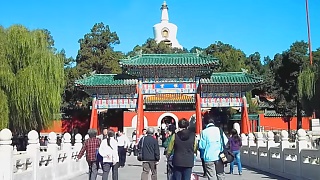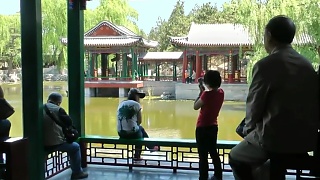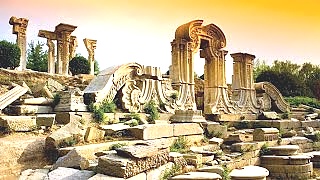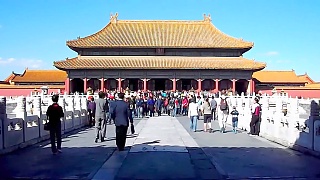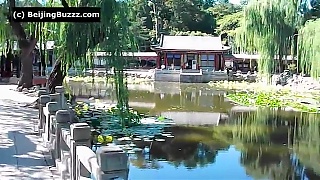
A trip to the beautiful Summer Palace 頤和園 in Beijing

In their last days as students at the Beijing University of Language and Culture, trips to the Summer Palace (YíHéYuán) and the ruins of, but still beautiful, 'Old Summer Palace' (YuanMingYuan).

These are within walking distance of each other in west Beijing and both have metro (subway) stops. In neither film are all the scenic spots visited; but then these are huge places; both are well worth a visit when you're in Beijing ...

[640],shadow=true,start=255,stop=1000
[320],shadow=true,start=420,stop=1050

Beijing, the capital city of China, is a vibrant metropolis steeped in history, culture, and modernity. Here's a brief overview of what you can expect as a tourist in Beijing:

Historical Landmarks:
The Great Wall of China: One of the most iconic structures in the world, the Great Wall is easily accessible from Beijing. Mutianyu and Badaling sections are popular among tourists.

Forbidden City (Palace Museum): A UNESCO World Heritage Site, this vast imperial palace complex was home to Chinese emperors for over 500 years. It houses numerous halls, courtyards, and historical artifacts.

Temple of Heaven: A masterpiece of Chinese architecture, this ancient temple complex served as a place of worship for emperors to pray for good harvests.

Summer Palace: A stunning ensemble of lakes, gardens, and palaces, the Summer Palace served as a retreat for emperors during the Qing dynasty.

Tiananmen Square: One of the largest city squares in the world, Tiananmen Square is flanked by important landmarks such as the Monument to the People's Heroes, the Great Hall of the People, and the Mausoleum of Mao Zedong.

Cultural Sites:
Beijing Hutongs: Explore the narrow alleyways and traditional courtyard residences of Beijing's historic neighborhoods. You can take a rickshaw tour or simply wander around on foot.

Beijing Opera: Experience traditional Chinese opera performances at venues like the Liyuan Theater or the Chang'an Grand Theatre.

798 Art District: A hub of contemporary art and culture, this former industrial area is now home to numerous galleries, studios, and cafes.

Modern Attractions:
Olympic Park: Visit iconic structures such as the Bird's Nest (National Stadium) and the Water Cube (National Aquatics Center) from the 2008 Beijing Olympics.

CBD (Central Business District): Marvel at the futuristic skyline of Beijing's modern business district, which includes landmarks like the CCTV Headquarters and the China World Trade Center Tower III.

Culinary Delights:
Peking Duck: Indulge in Beijing's most famous dish, crispy roast duck served with pancakes, scallions, and hoisin sauce.

Street Food: Explore the city's vibrant street food scene and sample local delicacies like jianbing (savory crepes), lamb skewers, and dumplings.

Practical Tips:
Transportation: Beijing has an extensive public transportation system, including the subway, buses, and taxis. However, traffic can be heavy, so plan your travels accordingly.

Language: While English is not widely spoken, especially outside tourist areas, many signs and transportation announcements are in English. It's helpful to carry a translation app or a phrasebook.

Weather: Beijing experiences four distinct seasons, with hot summers and cold winters. The best times to visit are spring (April to June) and autumn (September to October) when the weather is mild and comfortable.

Etiquette: Respect local customs and traditions, such as removing your shoes before entering someone's home and using both hands to pass or receive items.

Beijing offers a rich tapestry of experiences for tourists, blending ancient heritage with modern innovations. Whether you're fascinated by history, culture, or culinary delights, there's something for everyone in this dynamic city.


Related Videos


Featured Videos

LuShui YunMen Scenic Area, GuiZhou province
With Beijing Old Liu ... LuShui YunMen Scenic Area visitor guide Overview LuShui YunMen Scenic Area, located in the picturesque GuiZhou province, is a stunning natural attraction known for its lush landscapes, serene waters, and breathtaking views. The area offers a perfect blend of natural beauty and cultural heritage, making it an ideal destination for nature lovers and cultural enthusiasts alike. History LuShui YunMen Scenic Area has a rich history that dates back centuries. The area has long been revered for its natural beauty and has inspired poets, artists, and travelers throughout the ages. The scenic area is also home to several historical and cultural sites that reflect the diverse heritage of GuiZhou province. Main Attractions YunMen Cave YunMen Cave is one of the most famous attractions in the LuShui YunMen Scenic Area. The cave features stunning stalactites and stalagmites, creating a mesmerizing underground landscape. Visitors can explore the cave's intricate formations and enjoy the cool, serene atmosphere. LuShui Waterfall The LuShui Waterfall is a spectacular sight, cascading down the mountainside into a crystal-clear pool below. The waterfall is surrounded by lush vegetation, making it a perfect spot for photography and relaxation. The sound of the water and the fresh air provide a rejuvenating experience. Mountain Trails The scenic area boasts numerous hiking trails that offer breathtaking views of the surrounding mountains and valleys. The trails vary in difficulty, catering to both casual walkers and experienced hikers. Along the way, visitors can encounter diverse flora and fauna, adding to the adventure. Local Villages The scenic area is home to several traditional villages where visitors can experience the rich cultural heritage of the local ethnic communities. These villages offer a glimpse into the traditional lifestyle, architecture, and customs of the people who have lived in harmony with nature for generations. Culture and Traditions LuShui YunMen Scenic Area is not only known for its natural beauty but also for its vibrant cultural heritage. The area is inhabited by various ethnic groups, each with its unique traditions, festivals, and crafts. Visitors can witness traditional dances, music, and local crafts that reflect the cultural richness of the region. Activities and Experiences Hiking and Nature Walks Explore the scenic beauty of LuShui YunMen by embarking on one of the many hiking and nature trails. These trails offer a chance to connect with nature, enjoy panoramic views, and discover hidden gems along the way. Photography The scenic area is a paradise for photographers, with its stunning landscapes, vibrant flora, and serene waters. Whether you're a professional photographer or an amateur enthusiast, you'll find plenty of opportunities to capture the natural beauty of LuShui YunMen. Cultural Tours Join a guided cultural tour to learn more about the local traditions, history, and lifestyle of the ethnic communities in the area. These tours provide valuable insights and a deeper understanding of the cultural heritage of LuShui YunMen. Accommodation LuShui YunMen Scenic Area offers a range of accommodation options to suit different preferences and budgets. Visitors can choose from luxury resorts, cozy guesthouses, and traditional homestays. Staying in a local guesthouse or homestay provides an authentic experience and a chance to interact with the local community. Travel Tips Best Time to Visit: The best time to visit LuShui YunMen Scenic Area is during spring (March to May) and autumn (September to November) when the weather is mild and the scenery is at its most beautiful. Getting There: LuShui YunMen Scenic Area is accessible by bus or car from GuiZhou's major cities. The nearest airport is GuiYang LongDongBao International Airport, which offers connections to various domestic and international destinations. Opening Hours: The scenic area is open daily from 8:00 AM to 5:00 PM. Entrance Fees: There is an entrance fee for the scenic area, with additional fees for specific attractions and activities. It is advisable to check the latest fees before planning your visit. Dress Comfortably: Wear comfortable clothing and sturdy walking shoes, as the terrain can be uneven and the weather can change quickly. Respect Local Customs: Be respectful of local customs and traditions, especially when visiting villages and cultural sites. Always ask for permission before taking photos of people. Stay Hydrated: Carry plenty of water, especially if you plan on hiking or spending extended periods outdoors. It's also a good idea to bring snacks or a packed lunch for longer excursions.
A new life in China
"We are a family of four from the USA that recently moved to China for a couple of years for work. We would like to use this channel to share with you our experiences and adventures that encounter along the way. Enjoy!"
An evening boat ride in SuZhou 苏州 water town
About 90km west of ShangHai in JiangSu province.
QiBao Ancient Town, ShangHai
With Roaming N Watching ... With Fyfy & Nyny ... QiBao Ancient Town visitor guide Overview QiBao Ancient Town, located in the MinHang district of ShangHai, is a picturesque water town known for its well-preserved ancient architecture, historical sites, and traditional culture. The name "QiBao" means "Seven Treasures," and the town is famous for its seven historic treasures, though only a few remain today. QiBao offers visitors a glimpse into China's rich cultural heritage and a chance to experience traditional JiangNan water town scenery. History QiBao Ancient Town has a history that dates back over a thousand years to the Northern Song Dynasty. It flourished during the Ming and Qing dynasties as a prosperous commercial hub. Today, QiBao retains much of its historical charm, with well-preserved buildings, stone bridges, and narrow canals that transport visitors back in time. Main Attractions QiBao Temple QiBao Temple is a significant religious and cultural site in the town. Originally built during the Song Dynasty, the temple has undergone several restorations. It is an important place of worship and a symbol of the town's spiritual heritage. QiBao Old Street QiBao Old Street is the heart of the ancient town, lined with traditional shops, teahouses, and food stalls. The street is divided into North Street and South Street, each offering unique experiences and local delicacies. QiBao Shadow Play Art Museum The QiBao Shadow Play Art Museum showcases the traditional Chinese art of shadow puppetry. Visitors can learn about the history of shadow plays, watch live performances, and even try their hand at manipulating the puppets. QiBao Zhuzhai (Old Residences) QiBao Zhuzhai are ancient residential buildings that offer a glimpse into the traditional lifestyle of QiBao's inhabitants. These well-preserved houses reflect the architectural style of the Ming and Qing dynasties and provide insight into the daily lives of ancient Chinese families. Culture and Traditions QiBao Ancient Town is a cultural gem that showcases traditional JiangNan water town culture. The town is known for its traditional crafts, local cuisine, and cultural performances. Visitors can explore the various workshops and studios where artisans create silk, paper-cuts, and other traditional handicrafts. Activities and Experiences Boat Rides One of the best ways to experience QiBao Ancient Town is by taking a boat ride along its narrow canals. The boat ride offers a unique perspective of the town's architecture and serene waterways, providing a peaceful and scenic experience. Food Tasting QiBao is renowned for its local delicacies, including QiBao rice cakes, braised pork, and stinky tofu. The food stalls and restaurants along QiBao Old Street offer a wide variety of traditional snacks and dishes that are a must-try for visitors. Cultural Performances Visitors to QiBao can enjoy various cultural performances, including traditional Chinese opera, shadow plays, and folk music. These performances are often held in public squares and cultural centers, providing an authentic cultural experience. Accommodation QiBao Ancient Town offers a range of accommodation options, from traditional guesthouses to modern hotels. Staying in a local guesthouse provides an immersive experience and a chance to enjoy the town's charm after the day-trippers have left. Travel Tips Best Time to Visit: The best time to visit QiBao Ancient Town is during spring (March to May) and autumn (September to November) when the weather is mild and pleasant. Getting There: QiBao Ancient Town is located about 18 kilometers from ShangHai city center. It is accessible by metro (Line 9, QiBao Station) or by taxi. The journey takes approximately 30-40 minutes. Opening Hours: The town is open to visitors daily from 8:30 AM to 4:30 PM. Entrance Fees: There is no entrance fee for the town itself, but some attractions and museums within the town may charge a small fee. Dress Comfortably: Wear comfortable walking shoes, as the town's streets are paved with cobblestones and can be uneven. Respect Local Customs: When visiting temples and cultural sites, be respectful of local customs and traditions. Always ask for permission before taking photos of people.
FengHuang 凤凰 ancient town, and ZhangJiaJie 张家界 national forest park
HuNan province. FengHuang is an ancient water town based on a river. The WuLingYuan scenic area within ZhangJiaJie is also a nature reserve. Both are UNESCO World Heritage Sites.
Trying some HanFu (traditional dress) in Xi’An
ShaanXi province. With Zina ...
A look at the latest shopping mall in ShenZhen
With Rafa Goes Around ...
ShaXi ancient town, YunNan province
Between DaLi and LiJiang. With Flora and Note ... With Little Chinese Everywhere ... ShaXi Ancient Town, located in Yunnan province, is a well-preserved trading town that dates back to the time of the Tea Horse Road, an ancient network of trade routes. Known for its rich cultural heritage, charming architecture, and serene landscapes, Shaxi offers a glimpse into China's historical past and traditional lifestyles. This guide provides an in-depth look at the best attractions, activities, and tips for visiting Shaxi Ancient Town. Top Attractions Sidu Square Sidu Square, also known as Sideng Square, is the heart of Shaxi Ancient Town. This historic market square has been the center of trade and social life for centuries. Surrounded by traditional Bai-style architecture, the square is a great place to start your exploration of Shaxi. Ancient Theatre Located on Sidu Square, the ancient theatre is a remarkable example of traditional Chinese architecture. Built during the Qing Dynasty, it served as a cultural hub for performances and public gatherings. The theatre's intricate wooden carvings and well-preserved stage are a highlight for visitors. Ouyang Courtyard The Ouyang Courtyard is a traditional Bai residential complex that showcases the local architectural style. This historic home provides insights into the daily life and customs of the Bai people, one of the ethnic minorities in the region. Yujin Bridge The Yujin Bridge is an ancient stone bridge that spans the Heihui River. It is a picturesque spot for photography and a reminder of Shaxi's importance as a trading post on the Tea Horse Road. The bridge offers beautiful views of the surrounding countryside. Tea Horse Road The Tea Horse Road was an ancient trade route that connected Yunnan with Tibet, facilitating the exchange of tea, horses, and other goods. Walking along the remnants of this historic road in Shaxi allows visitors to step back in time and imagine the bustling trade that once took place here. Culture and Heritage Shaxi Ancient Town is a cultural melting pot, primarily influenced by the Bai and Yi ethnic minorities. The town's well-preserved buildings, traditional festivals, and local crafts reflect the rich heritage of these communities. Bai Ethnic Culture The Bai people are known for their distinctive white clothing, vibrant festivals, and intricate wood carvings. Visitors to Shaxi can experience Bai culture through local performances, traditional Bai cuisine, and interactions with the friendly locals. Yi Ethnic Culture The Yi people, another significant ethnic group in Shaxi, are recognized for their colorful costumes, lively dances, and unique customs. Festivals such as the Torch Festival provide a deeper understanding of Yi traditions and beliefs. Touring Shaxi Planning Your Visit A visit to Shaxi can be comfortably done in two to three days, allowing time to explore the town and its surroundings. Here is a suggested itinerary: Day 1: Arrival and Initial Exploration Morning: Arrive in Shaxi and check into a local guesthouse or hotel. Take a leisurely stroll around Sidu Square to get acquainted with the town. Afternoon: Visit the ancient theatre and explore the nearby Ouyang Courtyard to learn about traditional Bai architecture and culture. Evening: Enjoy a traditional Bai meal at one of the local restaurants and relax in the serene atmosphere of the town. Day 2: Exploring the Historic Sites Morning: Walk along the Tea Horse Road and visit the Yujin Bridge for beautiful views of the countryside. Afternoon: Explore the nearby Shibaoshan Grottoes, a collection of ancient Buddhist carvings and temples set in a scenic mountainous area. Evening: Return to Shaxi for a peaceful evening and perhaps catch a local cultural performance if available. Day 3: Cultural Immersion and Departure Morning: Visit the Friday Market (if your visit coincides with it) to experience the vibrant local trade and sample fresh produce and traditional crafts. Mid-Morning: Take a guided tour or workshop to learn about Bai and Yi handicrafts, such as tie-dye, pottery, or wood carving. Afternoon: Depart Shaxi and continue your journey in Yunnan Province. Activities and Experiences Hiking and Nature Walks The scenic landscapes around Shaxi offer excellent opportunities for hiking and nature walks. Trails lead to nearby villages, temples, and natural attractions, providing a tranquil escape from the bustling towns and cities. Photography With its well-preserved architecture, vibrant markets, and stunning natural surroundings, Shaxi is a photographer's paradise. Capture the essence of this ancient town and its picturesque landscapes. Local Cuisine Shaxi's cuisine reflects the flavors of Yunnan Province, with influences from the Bai and Yi ethnic groups. Try local specialties such as cured ham, rice noodles, and various mushroom dishes. The Friday Market is a great place to sample fresh and authentic local food. Travel Tips Best Time to Visit The best times to visit Shaxi are spring (March to May) and autumn (September to November) when the weather is pleasant and the scenery is vibrant. Summer can be warm and rainy, while winter is cooler but generally dry. Getting There Shaxi is accessible by bus from major cities in Yunnan, such as Dali and Lijiang. The nearest airport is in Lijiang, from where you can take a bus or hire a taxi to Shaxi. The journey from Lijiang to Shaxi takes about three hours by road. Accommodation Shaxi offers a range of accommodation options, including guesthouses, boutique hotels, and traditional inns. Staying in a local guesthouse provides an authentic experience and a chance to interact with the local community. Guides and Tours Consider hiring a local guide to enhance your experience in Shaxi. Guides can provide historical context, cultural insights, and help navigate the town's attractions. Many guesthouses and hotels can arrange guided tours and cultural workshops. Introduction Shaxi Ancient Town is a picturesque and well-preserved ancient village located in the southwest of Jianchuan County, Yunnan Province, China. Known for its rich history, unique Bai culture, and scenic beauty, Shaxi is a hidden gem along the ancient Tea Horse Road. This guide will help you explore the town's main attractions, culture, and practical travel tips. Getting There By Air: The nearest airport is in Dali (Dali Airport). From there, you can take a bus or hire a car to Shaxi, which is about 120 km away. By Train: The nearest major train station is also in Dali. From Dali, you can take a bus to Jianchuan and then a local bus or taxi to Shaxi. By Bus: Direct buses run from Dali, Lijiang, and Kunming to Jianchuan. From Jianchuan, you can take a local bus or taxi to Shaxi. Best Time to Visit The best time to visit Shaxi is during spring (March to May) and autumn (September to November) when the weather is mild and pleasant. Main Attractions Sideng Square: The heart of Shaxi, Sideng Square, is a UNESCO World Heritage site. It's a perfect spot to start your exploration with traditional Bai architecture, a well-preserved market square, and the iconic Sideng Theatre. Xingjiao Temple: Located near Sideng Square, this ancient Buddhist temple complex features beautiful frescoes, ancient trees, and serene courtyards. It offers a glimpse into the religious life of the town. Ancient Tea Horse Road: Explore parts of this historic trade route, which once connected Yunnan with Tibet. Walk the cobblestone paths and imagine the ancient caravans that once traveled here. Yujin Bridge: A picturesque old stone bridge that spans the Heihui River. It's a great spot for photography and to enjoy the tranquil river scenery. Friday Market: If you're in Shaxi on a Friday, don't miss the vibrant local market where villagers from surrounding areas come to sell their produce, handicrafts, and livestock. Shibaoshan Mountain: Located about 10 km from Shaxi, this scenic mountain is home to the Shizhongshan Grottoes, ancient Buddhist carvings, and stunning views. It's a great spot for hiking and exploring. Cultural Highlights Bai Ethnic Culture: Shaxi is predominantly inhabited by the Bai ethnic group. Explore their unique customs, traditional Bai houses, and taste their local cuisine. Traditional Festivals: Experience local festivals such as the Torch Festival (July) and the Bai Flower Festival (April), which showcase traditional music, dance, and rituals. Handicrafts: Shaxi is known for its traditional Bai textiles and wood carvings. Visit local workshops and galleries to see artisans at work and buy unique souvenirs. Accommodation Shaxi offers a range of accommodation options from budget hostels to boutique guesthouses. Some recommended places to stay include: Laomadian Lodge: A charming guesthouse with traditional Bai architecture. Shaxi Horse Pen 46 Youth Hostel: A budget-friendly option popular with backpackers. A Tiny Place: A boutique hotel offering comfortable rooms and excellent service. Dining Local Cuisine: Try local dishes such as Shaxi baba (a type of flatbread), Bai-style hotpot, and various wild mushroom dishes. Restaurants: Recommended eateries include Shaxi Awu's Kitchen, Hiker's Inn & Café, and Tea & Horse Caravan Restaurant. Practical Tips Language: Mandarin is widely spoken, but learning a few basic phrases can be helpful. English is not commonly spoken, so a translation app can be useful. Currency: The local currency is the Chinese Yuan (CNY). Ensure you have enough cash as ATMs may be limited. Health and Safety: Shaxi is generally safe, but it's always good to stay aware of your surroundings. Drink bottled water and try to avoid street food if you have a sensitive stomach. Local Customs: Respect local traditions and dress modestly, especially when visiting religious sites. Conclusion Shaxi Ancient Town is a captivating destination that offers a unique blend of history, culture, and natural beauty. Whether you're trekking the ancient Tea Horse Road, exploring Bai architecture, or simply soaking in the tranquil atmosphere, Shaxi promises an unforgettable experience.
Boating at YinCui Gorge 荫翠峡, JiuXiang, YunNan province
There are also caverns to explore.

Tag search ?