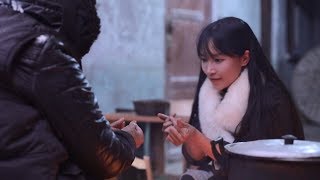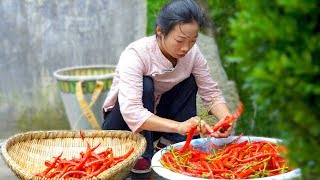
Millet porridge and chrysanthemum tea (wild chrysanthemum flowers 菊花 JúHuā)

漫山遍野的野菊花 真惹人喜歡,摘回來做成小米菊花粥和菊花茶

[640],shadow=true,start=,stop=

Chinese cuisine is an intricate tapestry of flavors, techniques, and regional specialties that has evolved over thousands of years. From the fiery spices of Sichuan to the delicate dim sum of Cantonese cuisine, every region of China offers its own culinary delights. For visitors to China, exploring the diverse and dynamic world of Chinese food is an essential part of experiencing the country's rich cultural heritage. Here's a more extensive exploration of Chinese cuisine for visitors:

Regional Diversity:
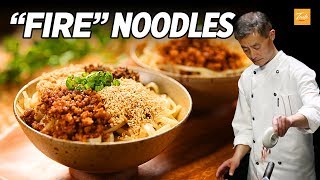
Sichuan Cuisine: Hailing from the southwestern province of Sichuan, this cuisine is famed for its bold, spicy, and numbing flavors. Sichuan peppercorns, chili peppers, and aromatic spices are used liberally in dishes like Mapo Tofu, Dan Dan Noodles, and Sichuan Hot Pot, creating a symphony of flavors that tingles the taste buds.

Cantonese Cuisine: With its emphasis on fresh ingredients and delicate flavors, Cantonese cuisine is highly regarded for its seafood dishes, roasted meats, and dim sum. Steamed fish, Char Siu (barbecue pork), and Har Gow (shrimp dumplings) are just a few examples of the exquisite dishes that showcase Cantonese culinary mastery.

Shanghai Cuisine: Reflecting its coastal location and cosmopolitan history, Shanghai cuisine combines influences from Jiangsu, Zhejiang, and Anhui provinces. Sweet and Sour Mandarin Fish, Shanghai Soup Dumplings (Xiaolongbao), and Drunken Chicken are some of the signature dishes that highlight the diverse flavors and textures of this culinary tradition.

Beijing Cuisine: As the capital of China, Beijing boasts a rich culinary heritage deeply rooted in imperial traditions. Peking Duck, a dish with crispy skin and succulent meat served with pancakes and hoisin sauce, is a quintessential Beijing delicacy. Other notable dishes include Zhajiangmian (Beijing Noodles), Mongolian Hot Pot, and Beijing-style meat pies.

Hunan Cuisine: Known for its bold and aromatic flavors, Hunan cuisine features dishes that are spicy, sour, and intensely flavorful. Chairman Mao's Red-Braised Pork, Dong'an Chicken, and Steamed Fish Head with Chopped Chili exemplify the fiery and robust nature of Hunanese cooking, which makes ample use of chili peppers, garlic, and fermented ingredients.

Street Food and Snacks:
Jianbing: This savory Chinese crepe is a popular breakfast option, consisting of a thin pancake filled with eggs, scallions, cilantro, and various fillings such as crispy fried dough, pickled vegetables, or chili sauce.

Baozi: These steamed buns are filled with a variety of savory or sweet fillings, including pork, vegetables, or red bean paste. Baozi are a popular street food snack and can be found in teahouses, markets, and street stalls across China.

Roujiamo: Often referred to as Chinese Hamburgers, roujiamo features savory braised meat stuffed inside a flatbread, offering a hearty and flavorful snack that's perfect for on-the-go eating.

Dining Etiquette and Customs:
Family-Style Dining: Chinese meals are typically served family-style, with multiple dishes shared among diners seated around a table. It's customary to use chopsticks to pick up food from communal dishes and to serve elders before oneself.

Toasting and Ganbei: When dining with Chinese hosts, expect toasts (ganbei) with alcohol, usually baijiu (Chinese liquor). It's polite to reciprocate the toast and drink in moderation, but declining politely is acceptable if you don't drink alcohol.

Tea Culture: Tea is an integral part of Chinese dining culture, with a wide variety of teas available to complement different dishes. Green tea, oolong tea, and pu'er tea are among the most popular choices, and serving tea to guests is a sign of hospitality and respect.

Street Markets and Night Markets:
Wangfujing Snack Street, Beijing: Located near the Forbidden City, this bustling street market offers a wide variety of traditional snacks, street food, and local delicacies. Visitors can sample everything from scorpions on a stick to traditional Beijing snacks like Jianbing and Tanghulu (candied fruit skewers).

Shanghai Old Street, Shanghai: Nestled in the heart of the city's historic district, Shanghai Old Street is a bustling marketplace where visitors can explore narrow alleyways lined with traditional shops, street vendors, and food stalls. From steamed dumplings and stinky tofu to hand-pulled noodles and sugar-coated haws, there's something to satisfy every craving.

Dietary Considerations:
Vegetarian and Vegan Options: While Chinese cuisine traditionally features a wide range of meats and animal products, vegetarian and vegan options are becoming increasingly available, especially in larger cities and tourist destinations. Buddhist restaurants (????, ssh c?nt?ng) often offer meat-free versions of classic dishes, and plant-based ingredients like tofu, mushrooms, and seasonal vegetables are widely used in Chinese cooking.

Exploring the diverse and delicious world of Chinese cuisine is an essential part of any visit to China. From regional specialties and street food snacks to dining etiquette and cultural customs, the culinary landscape of China offers a rich tapestry of flavors, traditions, and experiences that are sure to delight and inspire visitors from around the world. Bon apptit!.

Related Videos


Featured Videos

Tranquility in LiJiang ancient town, YunNan province
With Tanya in China ...
Website upgrade may cause some downtime
We need to upgrade our server around the 23rd November which might entail some downtime for our website - maybe hours, maybe days. So, if at that time we are not loading, don't panic, as we will be back as soon as possible. Anyone out there who knows about PHP and fixing old code (partly WordPress), do let us know if you can lend a hand. As always, a big thank you to all our visitors; let's get to 20 years of BB ! : )
LuoYang ancient town, HeNan province
With VisitHenan ... With Wandering The World ... Visitor guide to LuoYang, HeNan province Getting There By Air: LuoYang Beijiao Airport (LYA) offers flights to major cities in China. The airport is about 10 kilometers from the city center, and you can take a taxi or shuttle bus to your destination. By Train: LuoYang is well-connected by rail, with services to major cities such as Beijing, Xi'an, and Zhengzhou. The high-speed rail network makes travel convenient and efficient. By Bus: Long-distance buses connect LuoYang with other cities in HeNan and neighboring provinces. The LuoYang Long-Distance Bus Station is the main hub for these services. Accommodation LuoYang offers a range of accommodation options, from luxury hotels to budget hostels. Some recommended options include: Luxury: Hyatt Place LuoYang, Peony Plaza Hotel Mid-Range: Holiday Inn Express LuoYang City Center, Jinjiang Inn LuoYang Train Station Budget: LuoYang Youth Hostel, various local guesthouses Attractions and Activities Historical and Cultural Sites Longmen Grottoes: A UNESCO World Heritage Site, the Longmen Grottoes feature thousands of Buddha statues and inscriptions carved into limestone cliffs. This site is a must-visit for its historical and artistic significance. White Horse Temple: Known as the first Buddhist temple in China, White Horse Temple offers a serene environment with beautiful architecture and gardens. LuoYang Museum: This museum showcases the rich history and culture of LuoYang, with exhibits ranging from ancient artifacts to contemporary art. Natural Attractions Peony Festival: LuoYang is famous for its peonies. The annual Peony Festival, held in April, showcases the city’s beautiful peony gardens in full bloom. Baiyun Mountain: Located about 70 kilometers from LuoYang, Baiyun Mountain offers stunning natural scenery and hiking trails. Modern Attractions LuoYang Old Town: Wander through the ancient streets of LuoYang Old Town, where you can find traditional shops, local snacks, and historical buildings. WangCheng Park: A popular urban park, Wangcheng Park features beautiful gardens, lakes, and recreational facilities. Dining and Local Specialties LuoYang boasts a diverse culinary scene with traditional HeNan cuisine and local specialties. Some must-try dishes include: Water Banquet: A traditional banquet featuring various dishes, often served in a liquid or semi-liquid form. It is a unique culinary experience. LuoYang Noodles: Known for their rich flavor and variety, these noodles are a local staple. Peony Cake: A local delicacy made with peony petals, offering a unique and fragrant taste. Shopping Night Markets: Explore the bustling night markets in LuoYang for a variety of street food, local handicrafts, and souvenirs. Shopping Malls: Modern shopping centers like Wanda Plaza and LuoYang Mall offer a wide range of international and local brands. Local Handicrafts: Look for traditional HeNan crafts such as paper-cutting, embroidery, and ceramics. Tips for Visitors Best Time to Visit: The best times to visit LuoYang are during spring (April to June) and autumn (September to October) when the weather is mild and pleasant. Clothing: Dress in layers to accommodate temperature changes. Summers can be hot, and winters can be quite cold, so pack accordingly. Language: While Mandarin is the official language, some locals may speak the HeNan dialect. It's helpful to have a translation app or phrasebook if you don't speak Mandarin. Respect Local Customs: Be respectful of local customs and traditions, especially when visiting temples and historical sites. Conclusion LuoYang, the capital of HeNan Province, offers a rich tapestry of history, culture, and natural beauty. Whether you're exploring ancient grottoes, visiting historic temples, or savoring local cuisine, LuoYang promises an unforgettable experience for every traveler.
Planning war on China – update – 03 July 2023
With Brian Berletic ... With Johnny Harris ...
Something different – Our beautiful Earth
First time in China – BeiJing
With 2Passports 1Dream ...
The DaMing Buddhist temple, YangZhou, JiangSu province
With China Walking Tour ... The DaMing Temple (大明寺) in YangZhou, JiangSu province, is a renowned Buddhist temple with a rich history dating back over a thousand years. It is one of the key cultural and historical landmarks in YangZhou and holds significant importance in Chinese Buddhist heritage. Here is more information about the DaMing Temple: History and Origins: Establishment: The DaMing Temple was originally built during the Southern Dynasties period in the 5th century AD, making it one of the oldest temples in Jiangsu province. Significance: It was initially established by the ruler of the Liang Dynasty, Emperor Wu, as a center for Buddhist teachings and practices. Architectural Features: Main Hall (Mahavira Hall): The temple's main hall is the Mahavira Hall (大雄宝殿), a grand and majestic structure that enshrines statues of Buddha and other important figures in Buddhism. Pagoda: The temple complex also includes a historic pagoda, known as the Yunyan Pagoda (云岩塔), which is a designated national treasure and an iconic symbol of Yangzhou. Cultural Heritage: Influence: Throughout its history, the DaMing Temple has played a pivotal role in the development of Buddhist culture, attracting scholars, monks, and pilgrims from across China and beyond. Renowned Monks: The temple has been associated with several influential Buddhist monks and scholars, contributing to the spread of Buddhism and the exchange of knowledge. Attractions and Highlights: Yunyan Pagoda: The pagoda within the temple grounds is a must-visit attraction, offering panoramic views of Yangzhou from its upper levels. Historic Artifacts: The DaMing Temple houses various Buddhist artifacts, scriptures, and relics, providing insights into the region's religious and cultural heritage. Modern Significance: Cultural Site: Today, the DaMing Temple remains an active Buddhist temple and a popular destination for tourists, scholars, and pilgrims interested in exploring China's Buddhist traditions. Tourist Destination: Visitors can immerse themselves in the serene atmosphere of the temple complex, admire its architecture, and learn about its historical significance. Location: Address: DaMing Temple, No. 1 Taicheng Road, Hanjiang District, Yangzhou, Jiangsu Province, China. The DaMing Temple in Yangzhou stands as a testament to China's enduring Buddhist legacy and serves as a living link to the region's ancient past. Its blend of architectural beauty, cultural heritage, and spiritual significance makes it a captivating destination for travelers seeking to explore Jiangsu's historical treasures.
The ancient Silk Road of China
With Graeme Langford ... Ancient Silk Road Travel Guide Introduction The ancient Silk Road was a network of trade routes connecting the East and West, stretching from China to the Mediterranean Sea. It played a crucial role in cultural, commercial, and technological exchange between civilizations. This guide will help you explore the key destinations along the Silk Road, providing insights into historical sites, cultural experiences, and practical travel information. Key Destinations Xi'an, China (西安) Xi'an, the starting point of the Silk Road, is home to the famous Terracotta Army and the ancient city walls. Don't miss the Big Wild Goose Pagoda and the bustling Muslim Quarter. Dunhuang, China (敦煌) Dunhuang is known for the Mogao Caves, a treasure trove of Buddhist art. The Singing Sand Dunes and Crescent Lake are also must-see attractions. Kashgar, China (喀什) Kashgar is a melting pot of cultures, with its lively Sunday Bazaar and the Id Kah Mosque. The ancient city is a gateway to the western regions of the Silk Road. Bukhara, Uzbekistan (布哈拉) Bukhara is a UNESCO World Heritage site with over 140 architectural monuments, including the Ark Fortress, Bolo Haouz Mosque, and Lyab-i Hauz complex. Samarkand, Uzbekistan (撒马尔罕) Samarkand is one of the oldest cities in Central Asia, known for its stunning Registan Square, Shah-i-Zinda necropolis, and Bibi-Khanym Mosque. Merv, Turkmenistan (梅尔夫) Merv was once one of the largest cities in the world. Today, it is an archaeological site with impressive ruins, including the Sultan Sanjar Mausoleum and the Great Kyz Kala fortress. Tehran, Iran (德黑兰) Tehran, the capital of Iran, offers a mix of modernity and tradition. Key sites include the Golestan Palace, National Museum of Iran, and the bustling Grand Bazaar. Antioch, Turkey (安提阿) Antioch, now called Antakya, was an important center of early Christianity. The Hatay Archaeology Museum and St. Peter's Cave Church are highlights. Constantinople, Turkey (君士坦丁堡) Now Istanbul, this city was the terminus of the Silk Road. Visit the Hagia Sophia, Topkapi Palace, and the bustling Grand Bazaar to experience its rich history. Cultural Experiences Traditional Markets: Explore the vibrant markets along the Silk Road, such as the Kashgar Sunday Bazaar and Istanbul's Grand Bazaar, for a taste of local commerce and culture. Silk Weaving: Witness traditional silk weaving techniques in Xi'an, China, and Samarkand, Uzbekistan. These cities have been centers of silk production for centuries. Cuisine: Sample diverse culinary traditions, from Chinese dumplings and Uzbek plov to Persian kebabs and Turkish delights. The Silk Road has left a rich gastronomic legacy. Music and Dance: Enjoy traditional music and dance performances in various Silk Road cities. Each region has its unique cultural expressions, influenced by centuries of exchange. Historical Tours: Take guided tours of ancient ruins, mosques, and palaces to learn about the history and significance of the Silk Road. Knowledgeable guides can provide valuable insights. Practical Travel Information Best Time to Visit: The best time to explore the Silk Road is during the spring (April to June) and autumn (September to November) when the weather is mild and comfortable. Visas and Permits: Ensure you have the necessary visas and permits for each country along the Silk Road. Check with local embassies or consulates for up-to-date requirements. Transportation: Travel options include flights, trains, buses, and private tours. The Silk Road is well-connected, but some remote areas may require special arrangements. Accommodation: Accommodation ranges from luxury hotels to budget hostels and guesthouses. Booking in advance is recommended, especially during peak travel seasons. Health and Safety: Stay informed about health and safety precautions in each region. Carry a basic first-aid kit, stay hydrated, and respect local customs and regulations. Local Currency: Familiarize yourself with the local currencies and exchange rates. Carry some cash, but credit cards are also widely accepted in major cities. Conclusion The ancient Silk Road is a fascinating journey through history, culture, and breathtaking landscapes. From the bustling markets of Xi'an to the majestic ruins of Samarkand, each destination offers unique experiences and insights into the rich heritage of the Silk Road. Use this guide to plan your adventure and explore the wonders of this legendary trade route. Whether you're a history buff, a cultural enthusiast, or an intrepid traveler, the Silk Road promises an unforgettable journey. History of the Silk Road Introduction The Silk Road was an ancient network of trade routes that connected the East and West, facilitating not only commerce but also cultural exchange between civilizations. This guide delves into the history of the Silk Road, focusing on the trade of silk, horses, and tea, the travels of Marco Polo, and how the Silk Road ultimately influenced sea exploration and colonization. Trade on the Silk Road Silk Trade Silk, a luxurious fabric produced from the cocoon of the silkworm, was the most iconic commodity traded on the Silk Road. Originating in China during the Han Dynasty, silk quickly became a highly prized item in the West. Its light weight, ease of transport, and high value made it a staple of Silk Road commerce. The demand for silk spurred trade relations and cultural exchanges between the East and West, spreading Chinese inventions such as paper and gunpowder along the way. Horses Horses were another crucial trade item, especially prized by the Chinese for their military and agricultural utility. The Fergana horses, known for their strength and endurance, were particularly sought after. These horses, traded primarily with Central Asian tribes, significantly improved the cavalry capabilities of Chinese armies and facilitated the movement of goods along the Silk Road. Tea Trade Tea, originating from China, became a major export commodity during the Tang Dynasty. It was highly valued for its medicinal properties and became a popular beverage in Central Asia and beyond. The trade of tea along the Silk Road helped to establish cultural connections and the spread of tea culture to places such as Japan and the Middle East. The Travels of Marco Polo Marco Polo, the Venetian explorer, traveled the Silk Road in the 13th century. His journey began in 1271, when he accompanied his father and uncle on a voyage to Asia, eventually reaching the court of Kublai Khan, the Mongol ruler. Marco Polo spent 17 years in China, documenting his experiences in his book "The Travels of Marco Polo." His detailed accounts of the wealth, culture, and innovations of the East provided Europeans with one of the first comprehensive insights into Asian civilizations and spurred interest in exploration and trade. Impact on Sea Exploration and Colonization The Silk Road's decline in the 15th century, due in part to the rise of maritime trade routes, marked a shift in global commerce. European powers, motivated by the wealth and tales from the Silk Road, sought direct sea routes to Asia to bypass intermediaries and gain control over lucrative trade. This led to the Age of Exploration, during which explorers like Vasco da Gama and Christopher Columbus set out to discover new trade routes and lands. Portugal and Spain were at the forefront of this maritime expansion. Vasco da Gama's successful voyage to India in 1498 opened up a direct sea route from Europe to Asia, leading to increased trade and the establishment of colonial empires. Columbus's voyages, sponsored by Spain, led to the discovery of the Americas in 1492, further expanding European influence and colonization efforts. The maritime Silk Road, established by these explorers, connected Europe, Africa, and Asia, facilitating the exchange of goods, ideas, and cultures on an unprecedented scale. This era of sea exploration and colonization transformed global trade networks and laid the foundations for the modern world economy. Conclusion The Silk Road was more than just a trade route; it was a conduit for cultural, technological, and intellectual exchange that shaped the ancient world. From the trade of silk, horses, and tea to the travels of Marco Polo, the Silk Road's legacy is profound. Its influence on sea exploration and colonization further underscores its importance in global history. Exploring the history of the Silk Road offers a deeper understanding of the interconnectedness of human civilizations and the enduring impact of ancient trade routes.
This is beautiful XiShuangBanNa 西双版纳傣族自治州, YunNan province
XiShuangBanNa located in the south of YunNan province, south China, is a charming international eco-tourism resort on the reaches of the Mekong river (known as the LanCang river in China), bordering with Laos and Myanmar, and adjacent to Thailand, Vietnam and Cambodia. Esteemed for its captivating tropical landscapes and exotic cultures of the 13 native minorities, this land is home to China's largest tropical rainforest and abundant biological resources, and the Dai Water Splashing Festival (which lasts for three days from April 13 to 15). The Six Famous Tea Mountains region, 六大茶山 (Liù Dà Chá Shān) produce some of the most highly regarded Pu-Er tea. There are daily flights from KunMing, DaLi and ChengDu.

Tag search ?