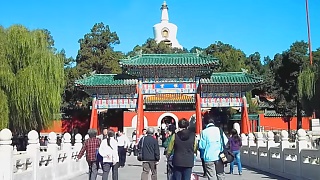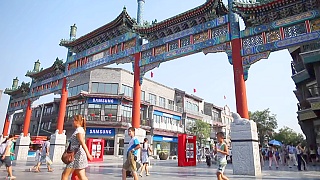
BeiJing 北京 ricksaw ride

[640],shadow=true,start=,stop=

Beijing, the capital city of China, is a vibrant metropolis steeped in history, culture, and modernity. Here's a brief overview of what you can expect as a tourist in Beijing:

Historical Landmarks:
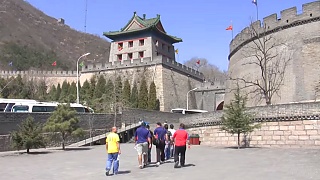
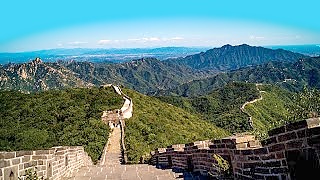
The Great Wall of China: One of the most iconic structures in the world, the Great Wall is easily accessible from Beijing. Mutianyu and Badaling sections are popular among tourists.

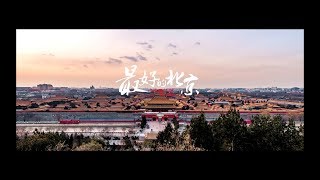
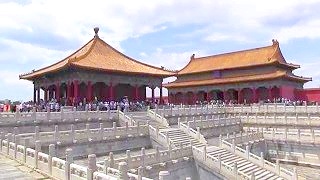
Forbidden City (Palace Museum): A UNESCO World Heritage Site, this vast imperial palace complex was home to Chinese emperors for over 500 years. It houses numerous halls, courtyards, and historical artifacts.

Temple of Heaven: A masterpiece of Chinese architecture, this ancient temple complex served as a place of worship for emperors to pray for good harvests.

Summer Palace: A stunning ensemble of lakes, gardens, and palaces, the Summer Palace served as a retreat for emperors during the Qing dynasty.

Tiananmen Square: One of the largest city squares in the world, Tiananmen Square is flanked by important landmarks such as the Monument to the People's Heroes, the Great Hall of the People, and the Mausoleum of Mao Zedong.

Cultural Sites:
Beijing Hutongs: Explore the narrow alleyways and traditional courtyard residences of Beijing's historic neighborhoods. You can take a rickshaw tour or simply wander around on foot.

Beijing Opera: Experience traditional Chinese opera performances at venues like the Liyuan Theater or the Chang'an Grand Theatre.

798 Art District: A hub of contemporary art and culture, this former industrial area is now home to numerous galleries, studios, and cafes.

Modern Attractions:
Olympic Park: Visit iconic structures such as the Bird's Nest (National Stadium) and the Water Cube (National Aquatics Center) from the 2008 Beijing Olympics.

CBD (Central Business District): Marvel at the futuristic skyline of Beijing's modern business district, which includes landmarks like the CCTV Headquarters and the China World Trade Center Tower III.

Culinary Delights:
Peking Duck: Indulge in Beijing's most famous dish, crispy roast duck served with pancakes, scallions, and hoisin sauce.

Street Food: Explore the city's vibrant street food scene and sample local delicacies like jianbing (savory crepes), lamb skewers, and dumplings.

Practical Tips:
Transportation: Beijing has an extensive public transportation system, including the subway, buses, and taxis. However, traffic can be heavy, so plan your travels accordingly.

Language: While English is not widely spoken, especially outside tourist areas, many signs and transportation announcements are in English. It's helpful to carry a translation app or a phrasebook.

Weather: Beijing experiences four distinct seasons, with hot summers and cold winters. The best times to visit are spring (April to June) and autumn (September to October) when the weather is mild and comfortable.

Etiquette: Respect local customs and traditions, such as removing your shoes before entering someone's home and using both hands to pass or receive items.

Beijing offers a rich tapestry of experiences for tourists, blending ancient heritage with modern innovations. Whether you're fascinated by history, culture, or culinary delights, there's something for everyone in this dynamic city.
Related Videos


Featured Videos

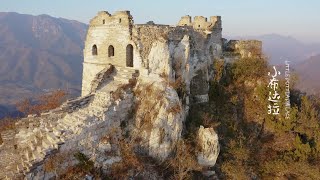
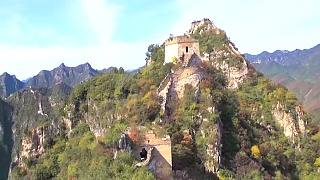
The Great Wall of China 长城 in autumn
Sections of the Great Wall near BeiJing, including HuangHua, filmed from a small, remote-controlled quad-copter drone; awesome ...
BeiJing 北京 hutong 互通 food tour
To the hùtōng ! With the Fung Bros ...
A.I. – what it is and why it is a big thing
Artificial Intelligence is already changing our world and its impact will become ever greater, and more quickly than most of us realise. AI, in our view, is not merely a simulation of human intelligence but pretty much the same thing, minus the needs and desires that a biological brain endures. Consciousness is not a mystery; it is - again, in our view - simply awareness of awareness. Here is an introduction to the history and current state of AI. With ColdFusion ...
QiBao Ancient Town, ShangHai
With Roaming N Watching ... With Fyfy & Nyny ... QiBao Ancient Town visitor guide Overview QiBao Ancient Town, located in the MinHang district of ShangHai, is a picturesque water town known for its well-preserved ancient architecture, historical sites, and traditional culture. The name "QiBao" means "Seven Treasures," and the town is famous for its seven historic treasures, though only a few remain today. QiBao offers visitors a glimpse into China's rich cultural heritage and a chance to experience traditional JiangNan water town scenery. History QiBao Ancient Town has a history that dates back over a thousand years to the Northern Song Dynasty. It flourished during the Ming and Qing dynasties as a prosperous commercial hub. Today, QiBao retains much of its historical charm, with well-preserved buildings, stone bridges, and narrow canals that transport visitors back in time. Main Attractions QiBao Temple QiBao Temple is a significant religious and cultural site in the town. Originally built during the Song Dynasty, the temple has undergone several restorations. It is an important place of worship and a symbol of the town's spiritual heritage. QiBao Old Street QiBao Old Street is the heart of the ancient town, lined with traditional shops, teahouses, and food stalls. The street is divided into North Street and South Street, each offering unique experiences and local delicacies. QiBao Shadow Play Art Museum The QiBao Shadow Play Art Museum showcases the traditional Chinese art of shadow puppetry. Visitors can learn about the history of shadow plays, watch live performances, and even try their hand at manipulating the puppets. QiBao Zhuzhai (Old Residences) QiBao Zhuzhai are ancient residential buildings that offer a glimpse into the traditional lifestyle of QiBao's inhabitants. These well-preserved houses reflect the architectural style of the Ming and Qing dynasties and provide insight into the daily lives of ancient Chinese families. Culture and Traditions QiBao Ancient Town is a cultural gem that showcases traditional JiangNan water town culture. The town is known for its traditional crafts, local cuisine, and cultural performances. Visitors can explore the various workshops and studios where artisans create silk, paper-cuts, and other traditional handicrafts. Activities and Experiences Boat Rides One of the best ways to experience QiBao Ancient Town is by taking a boat ride along its narrow canals. The boat ride offers a unique perspective of the town's architecture and serene waterways, providing a peaceful and scenic experience. Food Tasting QiBao is renowned for its local delicacies, including QiBao rice cakes, braised pork, and stinky tofu. The food stalls and restaurants along QiBao Old Street offer a wide variety of traditional snacks and dishes that are a must-try for visitors. Cultural Performances Visitors to QiBao can enjoy various cultural performances, including traditional Chinese opera, shadow plays, and folk music. These performances are often held in public squares and cultural centers, providing an authentic cultural experience. Accommodation QiBao Ancient Town offers a range of accommodation options, from traditional guesthouses to modern hotels. Staying in a local guesthouse provides an immersive experience and a chance to enjoy the town's charm after the day-trippers have left. Travel Tips Best Time to Visit: The best time to visit QiBao Ancient Town is during spring (March to May) and autumn (September to November) when the weather is mild and pleasant. Getting There: QiBao Ancient Town is located about 18 kilometers from ShangHai city center. It is accessible by metro (Line 9, QiBao Station) or by taxi. The journey takes approximately 30-40 minutes. Opening Hours: The town is open to visitors daily from 8:30 AM to 4:30 PM. Entrance Fees: There is no entrance fee for the town itself, but some attractions and museums within the town may charge a small fee. Dress Comfortably: Wear comfortable walking shoes, as the town's streets are paved with cobblestones and can be uneven. Respect Local Customs: When visiting temples and cultural sites, be respectful of local customs and traditions. Always ask for permission before taking photos of people.
US hegemony – in south and central America, and the encirclement / ‘containment’ of China
YT comment : "If America really does not want to contain China, why would they build so many military bases around China and constantly instigate chaos either in China or in the countries around it?" Geo-politics explained - don't miss it ... Bonus film - Cuba's Ambassador : 6 Decade-Long US Embargo is a Genocidal Policy! Plus, western subversion of Cuba, China, and more ...
Happy Christmas from BeiJingBuzzz, 2018
HaiDian Christian Church, North-West BeiJing, outdoor tree lighting sing and dance, 2014 ... Whatever your vision or path, be true (good), and share the joy of life (that's Love) !
SanYa, HaiNan
With Walk East ...
A trip to Kashgar, XinJiang province
With Li JingJing ... Visitor Guide to Kashgar, XinJiang Overview Kashgar, located in the XinJiang Uyghur Autonomous Region of China, is a city steeped in history and culture. It is known for its rich Silk Road heritage, bustling markets, and beautiful mosques. Kashgar is a melting pot of different cultures and ethnicities, with a unique blend of Uyghur, Han Chinese, and other influences. Getting There By Air: Kashgar Airport (KHG) is the main airport serving the city, with regular flights from major cities such as Urumqi, BeiJing, and ShangHai. The airport is located about 10 kilometers northeast of the city center. From the airport, you can take a taxi or a shuttle bus to reach your destination. By Train: Kashgar Railway Station is connected to major cities in XinJiang and beyond. The train journey from Urumqi to Kashgar offers stunning views of the region's diverse landscapes. The railway station is located about 5 kilometers from the city center. By Bus: Long-distance buses connect Kashgar with other cities in XinJiang. The main bus station is located in the city center, making it a convenient option for travelers. Getting Around Public Transport: Kashgar has a local bus network that covers major areas of the city. Buses are an affordable way to get around. Taxis: Taxis are widely available and relatively inexpensive. Make sure to have your destination written in Chinese or Uyghur for ease of communication. Biking: Bike rentals are available for those who want to explore the city at their own pace. Main Attractions Id Kah Mosque The Id Kah Mosque is the largest mosque in China and a central landmark in Kashgar. Built in 1442, it is a place of worship for the city's Muslim population and a beautiful example of Islamic architecture. Visitors can explore the mosque's courtyards, prayer halls, and gardens. Kashgar Old Town Kashgar Old Town is a maze of narrow streets, traditional mud-brick houses, and bustling bazaars. It's a great place to experience the city's unique culture and heritage. Wander through the streets, visit local shops, and try some traditional Uyghur cuisine. Sunday Market The Kashgar Sunday Market is one of the largest and most vibrant markets in Central Asia. Held every Sunday, it attracts traders and buyers from all over the region. You can find everything from fresh produce and spices to textiles, handicrafts, and livestock. Abakh Hoja Tomb The Abakh Hoja Tomb, also known as the Xiangfei Tomb, is a beautiful mausoleum built in the 17th century. It is the burial place of the famous Uyghur ruler Abakh Hoja and his family. The tomb is renowned for its stunning architecture and intricate tilework. Karakul Lake Located about 200 kilometers from Kashgar, Karakul Lake is a high-altitude lake surrounded by snow-capped mountains. The lake's crystal-clear waters and stunning scenery make it a popular destination for trekking and camping. Historical Significance Kashgar has a long and rich history as a major stop on the ancient Silk Road. It was an important hub for trade and cultural exchange between the East and West. Over the centuries, Kashgar has been influenced by various cultures, including Persian, Indian, Greek, and Arab, which is reflected in its diverse architecture and cultural heritage. The city has also been a center of Islamic learning and culture in China. The Id Kah Mosque and other religious sites in Kashgar attract pilgrims and scholars from all over the Muslim world. Local Cuisine Uyghur cuisine is a highlight of any visit to Kashgar. Here are some must-try dishes: Pilaf (Polo): A flavorful rice dish cooked with lamb, carrots, onions, and spices. Laghman: Hand-pulled noodles served with a savory sauce made of meat, vegetables, and spices. Kebab: Grilled skewers of marinated lamb or chicken, often served with flatbread and salad. Samsa: Baked pastries filled with minced meat and onions, similar to samosas. Nan: Traditional Uyghur bread baked in a tandoor oven, perfect for accompanying any meal. Shopping Sunday Market: The best place to buy local handicrafts, textiles, spices, and souvenirs. Don't forget to haggle for the best prices. Night Market: Explore the night market for a variety of street food and local snacks, as well as traditional Uyghur music and dance performances. Local Shops: Numerous shops in Kashgar sell unique items such as silk scarves, carpets, pottery, and jewelry. Accommodation Luxury Hotels: Kashgar offers several high-end hotels with excellent amenities, such as the Radisson Blu Hotel Kashgar and the Yue Xing Jin Jiang International Hotel. Mid-Range Hotels: There are numerous mid-range options providing comfortable accommodations at reasonable prices, including the Seman Hotel and the Kashgar Old City Youth Hostel. Budget Accommodations: Budget travelers can find affordable guesthouses, hostels, and budget hotels throughout the city. Tips for Visitors Best Time to Visit: The best times to visit Kashgar are spring (April to June) and autumn (September to November) when the weather is mild and pleasant. Clothing: Dress modestly, especially when visiting religious sites. Light, breathable clothing is recommended for the hot summer months, and warm layers for the colder seasons. Respect Local Customs: Be respectful of local customs and traditions, particularly in the predominantly Muslim areas. Always ask for permission before taking photos of people. Language: While Mandarin is widely spoken, knowing a few basic phrases in Uyghur can be helpful. English may not be commonly understood, so consider using a translation app. Plan Your Visit: Kashgar offers a rich mix of cultural, historical, and natural attractions. Plan your visit to include a variety of experiences to fully appreciate the city's diverse offerings. Conclusion Kashgar, with its rich history, vibrant culture, and stunning landscapes, offers a unique and unforgettable travel experience. Whether you're exploring the ancient streets of the Old Town, marveling at the architectural beauty of the Id Kah Mosque, or enjoying the breathtaking scenery of Karakul Lake, Kashgar promises a journey filled with discovery and wonder. Plan your visit carefully to make the most of your time in this extraordinary city in XinJiang.
The ShangHai 上海 metro – video
Only begun in 1995, the Shanghai metro now has 12 lines with 268 stations over 420km. Already the world's longest metro system, by 2020 it will double in size to comprise 22 lines with a total length of 877 km.

Tag search ?