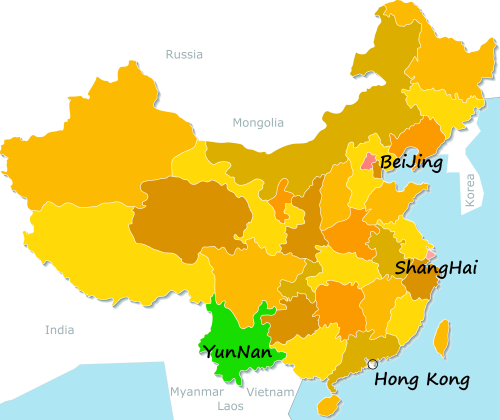
 YunNan 云南 province, south west China
With Jordan Porter.
[640],shadow=true,start=,stop=Dali, located in Yunnan Province in southwestern China, is a charming and culturally rich destination that attracts visitors with its stunning natural scenery, ancient history, and vibrant local culture. Here's a guide for visitors to Dali:
Historical and Cultural Significance:
Ancient City: Dali Ancient City, also known as Dali Old Town, is a well-preserved historical town that dates back over 1,000 years. It served as the capital of the Kingdom of Dali during the Tang Dynasty and later as an important trading post on the ancient Tea Horse Road.
Bai Minority Culture: Dali is home to the Bai ethnic minority, whose unique culture and traditions are evident throughout the region. Visitors can explore Bai villages, interact with locals, and learn about their traditional customs, architecture, and craftsmanship.
Top Attractions:
Erhai Lake: One of Dali's most iconic natural attractions is Erhai Lake, a vast freshwater lake surrounded by picturesque landscapes. Visitors can take boat cruises on the lake, cycle along its shores, or hike to viewpoints for panoramic views of the water and surrounding mountains.
Three Pagodas of Chongsheng Temple: Located just outside Dali Ancient City, the Three Pagodas are iconic symbols of the region and date back to the Tang Dynasty. The pagodas are set against the backdrop of Cangshan Mountain and are surrounded by lush gardens and temples.
Cangshan Mountain: Cangshan Mountain is a scenic mountain range that towers over Dali and offers numerous hiking trails, scenic viewpoints, and opportunities for outdoor adventure. Visitors can hike to waterfalls, explore alpine meadows, and enjoy panoramic views of the valley below.
Xizhou Ancient Town: Xizhou Ancient Town is another well-preserved historical town near Dali, known for its traditional Bai architecture, historic courtyards, and vibrant market streets. Visitors can wander through the town's narrow alleyways, visit ancient temples, and sample local delicacies.
Cultural Experiences:
Bai Architecture: Explore the distinctive Bai architecture found throughout Dali, characterized by white-washed walls, gray tiled roofs, and intricately carved wooden decorations. Visitors can tour traditional Bai homes, visit ancient temples, and learn about local building techniques.
Cultural Performances: Experience traditional Bai music, dance, and theater performances at local venues and cultural centers in Dali. These performances often showcase traditional costumes, musical instruments, and storytelling techniques unique to the Bai culture.
Practical Tips:
Weather: Dali enjoys a mild climate year-round, but the best time to visit is during the spring (March to May) and autumn (September to November) when the weather is most pleasant and the landscapes are lush and green.
Transportation: Getting around Dali is convenient with its network of buses, taxis, and bicycles. Many attractions are within walking distance of Dali Ancient City, while others can be reached by public transportation or organized tours.
Accommodation: Dali offers a range of accommodation options, including boutique hotels, guesthouses, and traditional courtyard homes. Staying in Dali Ancient City allows visitors to immerse themselves in the town's historic atmosphere and vibrant culture.
Dali offers a captivating blend of natural beauty, cultural heritage, and traditional charm, making it an enchanting destination for visitors seeking to explore the treasures of Yunnan Province. Whether hiking in the mountains, wandering through ancient towns, or immersing oneself in local culture, Dali has something to offer for every traveler.
Lijiang, located in the northwest of Yunnan Province in southwestern China, is a picturesque ancient town renowned for its stunning natural scenery, rich cultural heritage, and well-preserved traditional architecture. Here's a guide for tourists visiting Lijiang:
Historical and Cultural Significance:
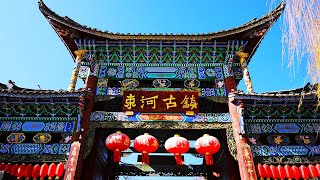
Ancient Town: Lijiang Old Town, a UNESCO World Heritage site, is a well-preserved ancient town with a history dating back over 800 years. It was an important stop on the ancient Tea Horse Road, a trading route connecting Yunnan with Tibet and Southeast Asia.
Naxi Culture: Lijiang is home to the Naxi ethnic minority, whose rich cultural heritage is reflected in the town's architecture, music, and customs. Visitors can experience Naxi culture through traditional music performances, local festivals, and visits to Naxi villages.
Top Attractions:
Lijiang Old Town: Explore the cobblestone streets, winding alleys, and historic buildings of Lijiang Old Town, which is renowned for its traditional Naxi architecture, wooden houses, and flowing canals. Highlights include the ancient Mu Residence, Black Dragon Pool Park, and Sifang Street.
Jade Dragon Snow Mountain: Towering over Lijiang, Jade Dragon Snow Mountain is a majestic snow-capped mountain range known for its breathtaking scenery and diverse ecosystems. Visitors can take a cable car ride to the mountain's summit, hike along scenic trails, and enjoy panoramic views of the surrounding landscape.
Lijiang Mural: Baisha Village: Baisha Village, located near Lijiang, is home to a collection of ancient murals dating back to the Ming Dynasty. These exquisite frescoes depict scenes from Chinese mythology, religious rituals, and daily life, providing insights into the region's cultural heritage.
Tiger Leaping Gorge: Located about 60 kilometers north of Lijiang, Tiger Leaping Gorge is one of the deepest river canyons in the world and a popular destination for hiking and outdoor adventure. Visitors can trek along scenic trails, admire dramatic cliffs and waterfalls, and experience the natural beauty of the gorge.
Culinary Delights:
Yunnan Cuisine: Lijiang is known for its diverse and flavorful Yunnan cuisine, which features fresh ingredients, bold flavors, and influences from neighboring regions. Visitors can sample local specialties such as Yunnan hot pot, crossing-the-bridge noodles, and yak meat dishes at restaurants and street food stalls throughout the town.
Old Town Snacks: Explore the bustling markets and food stalls of Lijiang Old Town to discover a wide variety of snacks and delicacies, including fried cheese, sweet pastries, and rice cakes. Don't miss the opportunity to try local specialties like yak butter tea and rose-flavored desserts.
Practical Tips:
Weather: Lijiang enjoys a mild climate year-round, with cool summers and chilly winters. The best time to visit is during the spring (March to May) and autumn (September to November) when the weather is pleasant and the scenery is beautiful.
Altitude: Lijiang is situated at a high altitude, so visitors should take precautions to prevent altitude sickness, such as staying hydrated, avoiding strenuous activity, and acclimatizing gradually.
Transportation: Getting around Lijiang is convenient with its network of public buses, taxis, and bicycles. Many attractions in and around the town can be explored on foot or by bicycle, while taxis and buses provide transportation to more distant locations.
Accommodation: Lijiang offers a wide range of accommodation options, including boutique hotels, guesthouses, and traditional courtyard homes. Staying in Lijiang Old Town allows visitors to immerse themselves in the town's historic atmosphere and vibrant culture.
Lijiang offers a captivating blend of natural beauty, cultural heritage, and traditional charm, making it an enchanting destination for tourists seeking to explore the treasures of Yunnan Province. Whether marveling at ancient architecture, hiking through majestic mountains, or savoring local cuisine, Lijiang has something to offer for every traveler.
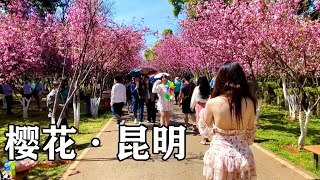
Kunming, the capital of China's Yunnan province, is known as the 'City of Eternal Spring' due to its mild climate year-round. It's a vibrant city with a rich cultural heritage, stunning natural scenery, and diverse ethnic minority communities. Here's a guide for tourists visiting Kunming:
Natural Attractions:
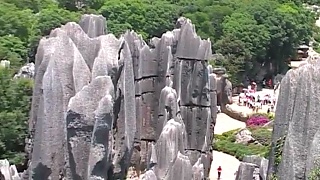
Stone Forest (Shilin): Located about 90 kilometers southeast of Kunming, the Stone Forest is a UNESCO World Heritage Site known for its surreal limestone formations resembling a forest of stone pillars. Visitors can explore the maze-like paths, visit local villages, and learn about the Yi ethnic minority culture.
Dianchi Lake: Kunming's largest lake offers scenic views, waterfront parks, and recreational activities such as boating and fishing. Nearby attractions include the Yunnan Nationalities Village, where visitors can learn about the diverse cultures of Yunnan's ethnic minority groups.
Jiaozi Snow Mountain: This scenic area northwest of Kunming features snow-capped peaks, alpine meadows, and hiking trails. Visitors can take a cable car ride to enjoy panoramic views of the surrounding landscape.
Cultural and Historical Sites:
Yuantong Temple: Dating back over 1,200 years, Yuantong Temple is one of the oldest and most important Buddhist temples in Kunming. It features traditional architecture, serene gardens, and ornate halls with Buddhist statues and artifacts.
Kunming Old Street (Guandu Ancient Town): Explore the historic streets and traditional architecture of Guandu Ancient Town, located on the outskirts of Kunming. Highlights include the Guandu Old Bridge, temples, and local markets.
Ethnic Minority Culture:
Yunnan Ethnic Village: This cultural theme park showcases the diverse traditions, customs, and architecture of Yunnan's ethnic minority groups, including the Yi, Bai, Dai, and Hani people. Visitors can watch cultural performances, shop for handicrafts, and sample ethnic cuisine.
Golden Temple (Jin Dian): Located on Mingfeng Hill, the Golden Temple is a Taoist temple complex known for its large copper pavilion covered in gold leaf. It offers panoramic views of Kunming and the surrounding countryside.
Modern Attractions:
Green Lake Park (Cuihu Park): This urban park in central Kunming is a popular recreational spot for locals and tourists alike. It features scenic walking paths, pavilions, gardens, and a variety of bird species.
Daguan Park: Known for its expansive lake and picturesque views of the Western Hills, Daguan Park is a tranquil retreat from the city's hustle and bustle. Visitors can stroll along the lakeside promenade, enjoy traditional tea houses, and admire the park's classical Chinese architecture.
Practical Tips:
Transportation: Kunming has a well-developed public transportation system, including buses and the Kunming Metro. Taxis and ride-hailing services are also widely available.
Weather: Kunming enjoys a mild climate year-round, but it can be cool and rainy in the winter months. It's advisable to check the weather forecast and pack accordingly.
Language: Mandarin Chinese is the official language, but English may not be widely spoken outside of tourist areas. It's helpful to learn a few basic phrases or carry a translation app, especially when interacting with locals from ethnic minority groups.
Kunming's blend of natural beauty, cultural diversity, and historical charm makes it a fascinating destination for tourists. Whether you're exploring ancient temples, admiring stunning landscapes, or immersing yourself in ethnic minority culture, Kunming offers a unique and memorable experience for visitors of all interests.