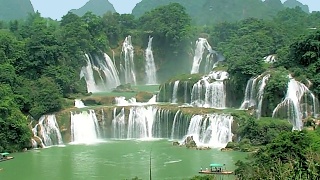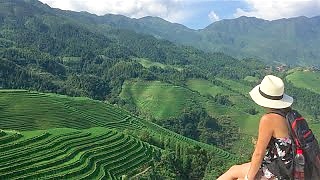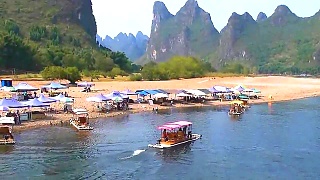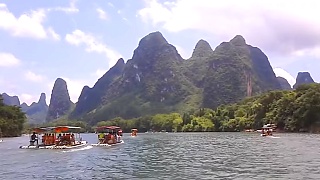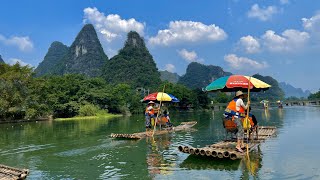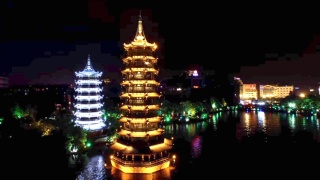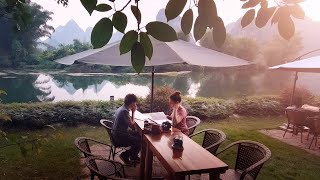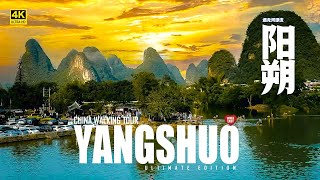
YangShuo 阳朔 : beautiful scenery

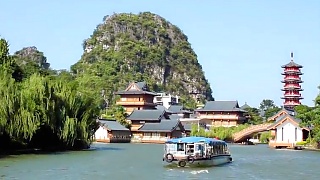
A tour of YangShuo and its beautiful countryside of rivers and karst peaks.


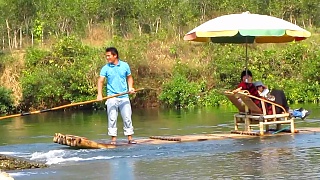
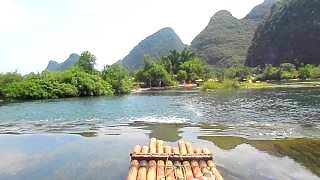
Go hiking along the Li River, bamboo raft down the YuLong River and visit other attractions like Moon Hill and the Big Banyan Tree.


[640],shadow=true,start=,stop=

Yangshuo, situated in Guangxi Zhuang Autonomous Region in southern China, is renowned for its breathtaking karst landscapes, serene rivers, and vibrant local culture. Here's a guide for visitors to Yangshuo:

Natural Beauty:
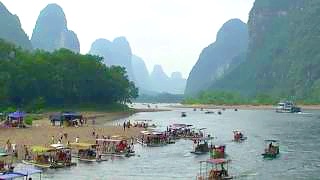
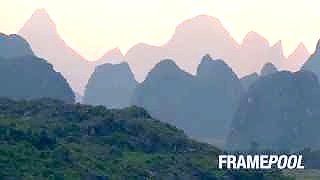
Karst Mountains: Yangshuo is famous for its iconic karst mountains, which rise sharply from the surrounding plains, creating a dramatic and picturesque landscape. Visitors can explore these unique limestone formations by hiking, biking, or taking boat cruises along the Li River.

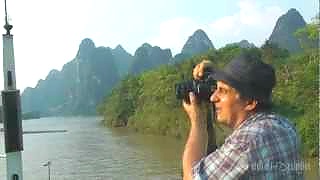
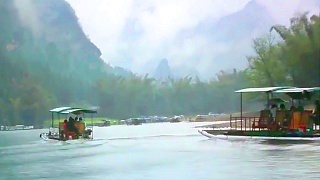
Li River: The Li River, one of China's most scenic waterways, meanders through the karst mountains of Yangshuo, offering stunning vistas at every turn. A leisurely boat cruise along the Li River is a must-do activity for visitors, providing opportunities to admire the breathtaking scenery and capture iconic views of the karst peaks reflected in the water.

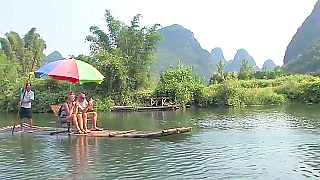
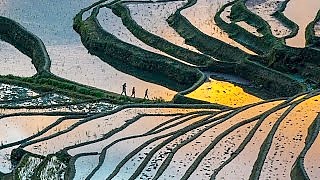
Yulong River: The Yulong River, a tributary of the Li River, is another picturesque waterway that flows through Yangshuo's countryside. Visitors can enjoy bamboo rafting or kayaking on the Yulong River, passing through idyllic villages, rice paddies, and bamboo groves along the way.

Outdoor Activities:
Cycling: Yangshuo is a cyclist's paradise, with scenic countryside roads and trails that wind through rice fields, orchards, and traditional villages. Renting a bicycle and exploring the surrounding countryside at a leisurely pace is a popular activity for visitors.

Rock Climbing: With its towering karst cliffs and limestone peaks, Yangshuo is a premier rock climbing destination in China. Experienced climbers and beginners alike can find suitable routes and climbing spots in the area, with options for guided tours and equipment rental available.

Cultural Experiences:
West Street: West Street (Xi Jie) is the main thoroughfare in Yangshuo's town center and a hub of activity for tourists and locals alike. Lined with shops, restaurants, cafes, and bars, West Street offers a vibrant atmosphere and is a great place to shop for souvenirs, sample local cuisine, and soak in the town's unique charm.

Impression Sanjie Liu: Directed by renowned filmmaker Zhang Yimou, Impression Sanjie Liu is a spectacular outdoor performance staged on the Li River. Featuring a cast of hundreds of performers, including local fishermen and farmers, the show combines music, dance, and light effects to showcase the natural beauty and cultural heritage of the area.

Practical Tips:
Weather: Yangshuo has a subtropical climate with mild winters and hot, humid summers. The best time to visit is during the spring (March to May) and autumn (September to November) when the weather is most pleasant and the landscapes are lush and green.

Accommodation: Yangshuo offers a range of accommodation options, including guesthouses, boutique hotels, and hostels catering to various budgets and preferences. Staying in the town center allows visitors to easily access attractions, restaurants, and transportation options.

Local Cuisine: Don't miss the opportunity to sample Yangshuo's delicious local cuisine, which includes specialties such as beer fish and Guilin rice noodles. Many restaurants in Yangshuo offer outdoor seating with panoramic views of the surrounding karst landscape.

Yangshuo's stunning natural scenery, outdoor activities, and vibrant cultural scene make it a popular destination for travelers seeking to explore the beauty of southern China. Whether cruising along the Li River, cycling through the countryside, or immersing oneself in the town's bustling street life, Yangshuo offers unforgettable experiences for visitors of all ages and interests.
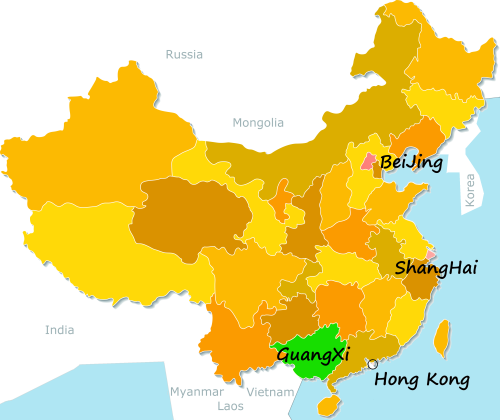
GuangXi map

Related Videos


Featured Videos

The ‘Panda Base’ Research, Education and Breeding Center, ChengDu 成都
SiChuan province. 成都大熊猫繁育研究基地
China technology update – September 2024
The beautiful YanQi Lake, BeiJing
With Beijing Old Liu ... Visitor Guide to YanQi Lake, BeiJing Overview YanQi Lake, located in the HuaiRou District of BeiJing, is a stunning natural area known for its picturesque landscapes and clear waters. It is a popular destination for both leisure and business, offering a tranquil escape from the bustling city and a venue for high-profile international events, including the Asia-Pacific Economic Cooperation (APEC) summit in 2014. Getting There By Air: The nearest airport is Beijing Capital International Airport (PEK), approximately 50 kilometers from YanQi Lake. From the airport, you can take a taxi or a shuttle bus to reach the lake. By Train: You can take a high-speed train to HuaiRou North Railway Station and then a taxi or local bus to YanQi Lake. By Bus: Several buses run from downtown BeiJing to HuaiRou District. You can then take a local bus or taxi to YanQi Lake. Getting Around Walking: YanQi Lake area is best explored on foot, allowing you to fully appreciate its natural beauty and serene environment. Biking: Renting a bike is a popular option for getting around and exploring the scenic routes around the lake. Local Transport: Taxis and shuttle services are available for traveling to and from different parts of the lake area and nearby attractions. Main Attractions YanQi Island YanQi Island is the centerpiece of YanQi Lake, hosting luxury resorts, conference centers, and beautiful gardens. It is an ideal place for relaxation, high-end dining, and international conferences. YanQi Tower The YanQi Tower offers panoramic views of the lake and surrounding mountains. Visitors can take an elevator to the top for breathtaking scenery and photography opportunities. Boat Tours Boat tours on YanQi Lake provide a peaceful and scenic way to explore the area. Various types of boats, from traditional Chinese boats to modern yachts, are available for hire. Wild Duck Lake Nearby Wild Duck Lake is a birdwatcher's paradise, home to a variety of bird species, especially migratory birds. It's a great spot for nature enthusiasts and photographers. Hongluo Temple Located a short distance from YanQi Lake, Hongluo Temple is one of the largest and oldest temples in northern China. It offers a serene environment and rich cultural heritage. Local Cuisine While visiting YanQi Lake, you can enjoy a variety of local and international cuisines. Here are some recommendations: Peking Duck: A world-famous dish, Peking Duck is a must-try when in BeiJing. Many restaurants near YanQi Lake serve this delicacy. YanQi Lake Fish: Freshly caught fish from the lake, prepared in various styles, is a local specialty. HuaiRou Chestnut: HuaiRou is known for its delicious chestnuts, which can be enjoyed roasted or used in local dishes. Shopping Local Handicrafts: Explore shops around YanQi Lake for traditional Chinese handicrafts, including silk products, pottery, and paintings. Specialty Foods: Purchase local specialties such as HuaiRou chestnuts, honey, and other agricultural products. Souvenirs: Various souvenir shops offer items commemorating the APEC summit and other significant events held at YanQi Lake. Accommodation Luxury Resorts: YanQi Lake is home to several luxury resorts, such as the YanQi Lake Kempinski Hotel, which offers top-notch amenities and stunning views. Mid-Range Hotels: There are also several mid-range hotels and boutique accommodations around the lake area, providing comfort and convenience at reasonable prices. Guesthouses: For a more local experience, consider staying in one of the guesthouses or inns in the nearby villages. Historical Background of YanQi Lake YanQi Lake is a man-made reservoir created in the 1980s to improve water supply and irrigation for the HuaiRou District. The project aimed to enhance the local agricultural productivity and provide a recreational area for residents and visitors. Over the years, YanQi Lake has developed into a major tourist destination and a hub for international events. The lake and its surrounding areas have been carefully maintained and upgraded to offer a blend of natural beauty, cultural heritage, and modern amenities. The area around YanQi Lake has also been a site of historical significance. The nearby Hongluo Temple, dating back over 1,000 years, reflects the region's rich spiritual and cultural history. The combination of ancient traditions and modern development makes YanQi Lake a unique and attractive destination. Tips for Visitors Best Time to Visit: The best times to visit YanQi Lake are spring (April to June) and autumn (September to November) when the weather is mild and the scenery is at its most beautiful. Clothing: Wear comfortable walking shoes and dress in layers to accommodate changing temperatures. An umbrella or raincoat is useful during the rainy season. Respect Local Customs: Be respectful of local customs and traditions. Dress modestly and be mindful of local etiquette, especially when visiting historical and cultural sites. Language: While Mandarin is widely spoken, learning a few basic phrases or using a translation app can be very helpful. Plan Your Visit: YanQi Lake is best explored at a leisurely pace. Take your time to enjoy the scenic views, visit local attractions, and savor the local cuisine. Conclusion YanQi Lake, with its stunning natural beauty, historical significance, and modern amenities, offers a unique and memorable travel experience. Whether you're exploring the tranquil lake, visiting nearby cultural sites, or enjoying local cuisine, YanQi Lake provides a serene escape and a glimpse into the rich heritage of BeiJing. Plan your visit carefully to make the most of your trip to this picturesque destination in the HuaiRou District.
Song of the Road 路之歌
With MiuMiu (周昭妍 Zhōu ZhāoYán) and famous Chinese indie band Tong Yang 和痛仰乐队的叔叔们一起祝大家六一节快乐 Song by Chinese rock band 痛苦的信仰 (Miserable Faith), 2008. Love this ...
Geopolitics update – February 2025 (2)
With Mick Dunford, Michael Hudson and Radhika Desai ... With Wave Media ... With Dialogue Works plus Alex Krainer and Pepe Escobar ... With Stephen Roach ... With Brian Berletic ... With Trip Bitten, on RedNote ... 1. Introduction: The West’s Illusion of Superiority The West has long portrayed itself as the pinnacle of civilization, a beacon of freedom, democracy, and progress. Yet, beneath this self-congratulatory narrative lies a history of exploitation, inequality, and moral decay. From its roots in colonialism and slavery to its modern-day obsession with short-term profits and individualism, the West’s claims to superiority are built on shaky foundations. In contrast, nations like China and many across Asia offer a different vision—one rooted in collective well-being, long-term planning, and a deep respect for cultural heritage. This exploration seeks to uncover the truth behind the West’s facade and highlight the strengths of alternative models. --- 2. The West’s Historical Foundations: Colonialism, Slavery, and Exploitation The West’s rise to global dominance was not achieved through innovation or moral superiority but through the brutal exploitation of others. Colonialism and slavery were not mere historical footnotes—they were the foundation of Western wealth and power. Entire continents were plundered, their resources stolen, and their people subjugated. The transatlantic slave trade, the genocide of indigenous populations, and the exploitation of colonies in Asia, Africa, and the Americas are indelible stains on the West’s conscience. Even today, the West continues to benefit from the structures of inequality established during the colonial era. Global economic systems are still rigged in favor of Western nations, while former colonies are burdened with debt, poverty, and instability. The West’s refusal to confront this history is a testament to its enduring arrogance and hypocrisy. --- 3. The Myth of Democracy and Free Speech: Tools for Regime Change and Hegemony The West’s promotion of “democracy and free speech” is often portrayed as a noble endeavor to spread freedom and human rights. In reality, these ideals have frequently been used as a smokescreen for regime change, economic exploitation, and the maintenance of Western hegemony. Far from empowering people, the West’s version of democracy has often been a backdoor for imposing its will on other nations, destabilizing governments that resist its dominance, and ensuring that the global order remains tilted in its favor. The West’s emphasis on free speech is equally hypocritical. While people are technically free to say what they want, there are significant social and professional consequences for speaking out against the status quo. Dissent is often met with ridicule, ostracism, or even retaliation, particularly when it challenges powerful institutions or entrenched ideologies. --- 4. Poverty as a Tool for Compliance: The West’s Deliberate Inequality Poverty is not an accident or a natural outcome of economic systems—it is a deliberate tool used by the West to maintain compliance and control. By keeping large segments of the population in a state of economic precarity, the West ensures that people are too preoccupied with survival to question the systems that exploit them. Poverty is not just a condition; it is a mechanism of oppression, designed to perpetuate inequality and servitude. The West’s reliance on poverty as a tool of control comes at a tremendous cost—not just for the poor, but for society as a whole. Poverty undermines social cohesion, fuels inequality, and stifles human potential. It is a barrier to progress, a source of suffering, and a stain on the conscience of any society that allows it to persist. --- 5. The Culture of Fear and Conformity: Why the West is Scared to Be Free When visiting the West, one of the most striking observations is the pervasive sense of fear that seems to grip its people. Fear of judgment, fear of failure, fear of standing out—this culture of fear is not an accident but a deliberate outcome of systems designed to keep people compliant, divided, and isolated. In the West, the illusion of freedom masks a reality of constraint, where people are too scared to be themselves, too scared to speak their minds, and too scared to challenge the status quo. This fear of freedom is rooted in the West’s culture of individualism, which isolates people and undermines collective action. In a society where everyone is focused on their own survival and success, there is little room for solidarity or mutual support. People are taught to see themselves as competitors rather than allies, making it difficult to unite against the systems that oppress them. --- 6. The Infantile Culture of the West: Distraction, Instant Gratification, and Ethical Decay The West’s culture is defined by its obsession with instant gratification. From fast food to fast fashion, from social media to sensationalist news, the West prioritizes quick fixes and superficial pleasures over meaningful, lasting fulfillment. This culture of distraction is not just a byproduct of modernity—it is a tool of control. By keeping people focused on trivialities and immediate desires, the West’s elites ensure that the population remains disengaged from the deeper issues that affect their lives. This infantilization is evident in the West’s media and entertainment industries, which prioritize spectacle over substance. Blockbuster movies, reality TV, and viral social media trends dominate the cultural landscape, offering escapism rather than enlightenment. The result is a society that is intellectually and emotionally stunted, unable to grapple with complex issues or think critically about the world around them. --- 7. Short-Term Profits vs. Long-Term Planning: The West’s Unsustainable Model One of the most striking differences between China and the West is their approach to time. China’s governance is defined by its commitment to long-term planning, with a focus on sustainable development, infrastructure, and the well-being of future generations. In contrast, the West is dominated by a culture of short-term profits, where immediate gains are prioritized over long-term stability and progress. This obsession with short-term profits has led to a culture of instability and insecurity. In the West, workers are often treated as disposable, with little job security or access to benefits. Corporations prioritize shareholder returns over the well-being of their employees, leading to a cycle of layoffs, outsourcing, and wage stagnation. The result is a society where people are constantly struggling to keep up, with little hope for a stable or prosperous future. --- 8. China’s Alternative: A Civilization Rooted in Harmony, Collective Well-Being, and Progress In contrast to the West’s infantile culture, China represents a mature and grounded civilization, rooted in thousands of years of cultural heritage and philosophical wisdom. China’s approach to governance and society is defined by its commitment to harmony, collective well-being, and long-term thinking. This is not just a matter of policy—it is a reflection of a deep cultural understanding of what it means to build a just and equitable society. China’s emphasis on education, moral values, and social responsibility fosters a culture of maturity and depth. Rather than being distracted by superficial pleasures, the Chinese people are encouraged to contribute to the collective good and to think critically about the future. This sense of purpose and responsibility stands in stark contrast to the West’s culture of distraction and instant gratification. --- 9. Asia’s Distinct Friendliness and Helpfulness: A Culture of Community and Respect In contrast to the West’s ethical decline, many Asian cultures are characterized by a distinct sense of friendliness, helpfulness, and community. This is not just a superficial difference but a reflection of deeper cultural values that prioritize harmony, respect, and collective well-being. For visitors to Asia, this warmth and generosity are often immediately apparent, creating a stark contrast with the individualism and alienation often experienced in the West. This sense of harmony is evident in everyday interactions. In many Asian countries, people go out of their way to assist strangers, whether by giving directions, offering a seat on public transport, or simply sharing a smile. This friendliness is not just a matter of politeness but a reflection of a deeper cultural commitment to creating a positive and supportive social environment. --- 10. Conclusion: A Choice Between Two Paths The West’s ethical decline and Asia’s distinct friendliness and helpfulness represent two very different approaches to society and culture. The West’s focus on individualism, profit, and power has led to a culture of alienation and moral decay, while Asia’s emphasis on harmony, community, and mutual support has created a culture of warmth and resilience. The choice between these two paths is not just a matter of cultural preference but a question of values. The West’s ethical decline is a reminder of the dangers of prioritizing power and profit over people, while Asia’s friendliness and helpfulness offer a vision of a more just and equitable world. In this new era, it is clear that the West has much to learn from Asia’s example—not just about how to treat others, but about how to build a society that truly values harmony, respect, and collective well-being. Quality of life FOR ALL is what we need.
2020 – looking back, looking forward, and the NOW …
An unusual video for the new year (it is not about China), but it relates to our by-line - 'live more'. The past can provide wisdom, the future goals to strive for, but don't lose focus on the here and now - it is the true reality so don't miss it. Wishing all the best in life to all our visitors. Do your best to make it happen, whatever your dreams, yet love and live each moment (it might not be one's ideal circumstance, but we can still make the most of it) ...
The 2018 Mid-Autumn Festival galas 中秋晚会
HuNan TV ... China Central TV ...
Something different – more about narcissism (psychology)
At root, narcissism ('life is all about me') is self-loathing projected onto someone else (the scapegoat, who might be driven to death - through illness, madness, suicide; let's call it what it is - emotional torture; in contrast, all others are shown a completely opposite, OTT, 'lovely' persona; and many will be deceived by this). Narcissism is very destructive; and not often recognized. This is not a rare thing; it could well be 1 in 5 people. Don't miss this; Dr. Ramani is awesome. Ramani Durvasula in conversation with Lewis Howes ... Narcissistic fathers and the damage they do to their children ... Narcissistic mothers and the damage they do to their children ... Narcissism and society ... On how a narcissist will try to destroy you ... Is your depression a symptom of being in a narcissistic relationship? Relationships need some work, including self-reflection; but they shouldn't be hard work - that's a sign it might never work out; if one feels a need to be treading on egg shells, that's confirmation it is doomed. Real relationships are based on mutual respect, flexibility and compassion (unconditional love - no ifs or buts)*; narcissists have none of these attributes. In a time of stress, does the other stay positive and chip in, or start a blame game? Things like this are the signs to look out for. Does the other help you reach your dreams, or belittle you ? Are they present in the moment or in their own little bubble ? A narcissist can't stand your success or happiness. Psychopathologies are all about distortions between reality and self, between inner self and behavior. When there is the absence of such distortions - masks, projections, defense mechanisms, etc., there is authenticity. That's going from acting, to really living. * without needing that person, or allowing oneself to be walked upon. One must be at least somewhat authentic / love oneself first; not trying to complete oneself, etc.
KunMing, aka Spring City, YunNan province
With Reporterfy Media ... With CHN Tourism ... With Blondie In China ...

Tag search ?