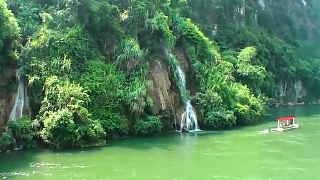
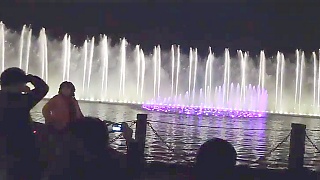
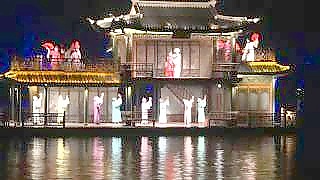
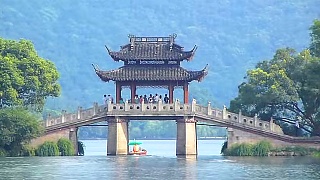
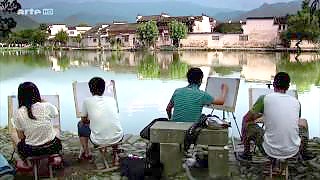
 West Lake 西湖 boat trip, HangZhou 杭州
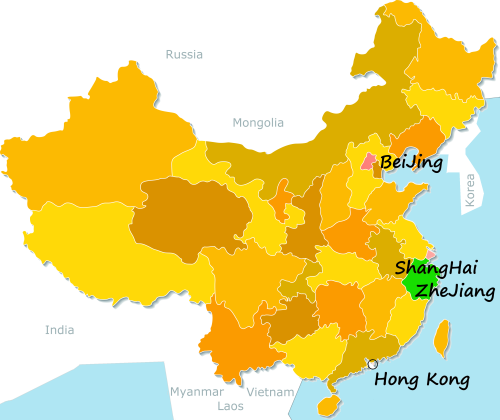
ZheJiang province.
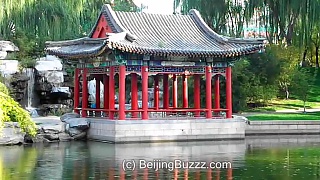
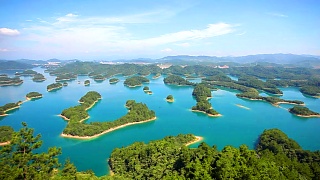
Xī Hú is a fresh water lake with the city on side. There are numerous temples, pagodas, gardens, bridges and artificial islands within and around the lake. West Lake is a UNESCO World Heritage Site as an outstanding example of Chinese garden arts and the guiding principle of harmony between human and nature.
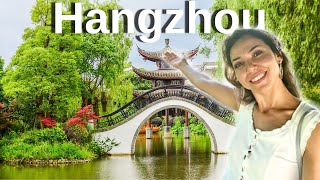
[640],shadow=true,start=,stop=Hangzhou, located in eastern China's Zhejiang province, is renowned for its picturesque West Lake, traditional tea culture, and historic sites. Here's a guide for tourists visiting Hangzhou:
West Lake and Scenic Areas:
West Lake (Xi Hu): This UNESCO World Heritage Site is the centerpiece of Hangzhou's natural beauty, with its serene waters, pagodas, gardens, and surrounding hills. Visitors can take boat cruises, stroll along the lakeside paths, or rent bicycles to explore the area.
Leifeng Pagoda: Situated on the southern shore of West Lake, this historic pagoda offers panoramic views of the lake and the city skyline.
Lingyin Temple (Temple of the Soul's Retreat): One of the most important Buddhist temples in China, Lingyin Temple features ancient rock carvings, serene courtyards, and a large statue of Buddha.
Xixi Wetland Park: Explore the tranquil waterways, traditional villages, and lush greenery of this scenic wetland park, located on the outskirts of Hangzhou.
Tea Culture:
Longjing (Dragon Well) Tea Plantations: Hangzhou is famous for producing Longjing tea, one of China's most prized green teas. Visitors can tour the tea plantations in the nearby hills, learn about the tea-making process, and sample freshly brewed Longjing tea.
National Tea Museum: Learn about the history, cultivation, and cultural significance of tea in China at this informative museum located on the outskirts of Hangzhou.
Historic and Cultural Sites:
Six Harmonies Pagoda (Liuhe Pagoda): This ancient pagoda offers panoramic views of the Qiantang River and the surrounding countryside. It also houses a small museum showcasing Buddhist artifacts.
Hefang Street (Qinghefang Ancient Street): Stroll along this historic street lined with traditional shops, teahouses, and snack stalls selling local delicacies and handicrafts.
China National Silk Museum: Discover the art of silk production and the history of the silk trade in China at this museum, which features exhibits on silk weaving, dyeing techniques, and cultural artifacts.
Modern Attractions:
Hangzhou Grand Canal: Take a boat cruise along the Grand Canal, the world's longest and oldest canal, to admire the historic architecture and bustling waterfront scenes.
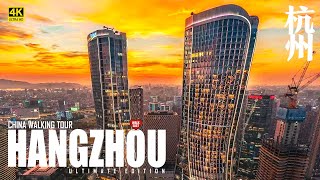
Hangzhou CBD (Central Business District): Explore the modern side of Hangzhou with its skyscrapers, shopping malls, and vibrant nightlife.
Practical Tips:
Transportation: Hangzhou has an extensive public transportation network, including buses, subways, and taxis. Bicycles and electric scooters are also popular options for getting around the city.
Weather: Hangzhou has a humid subtropical climate with hot, humid summers and mild, damp winters. Spring and autumn are the best times to visit when the weather is pleasant and the landscapes are at their most beautiful.
Language: Mandarin Chinese is the official language, but English may not be widely spoken outside of tourist areas. It's helpful to learn a few basic phrases or carry a translation app.
Hangzhou's blend of natural beauty, cultural heritage, and modern amenities makes it a captivating destination for tourists. Whether you're exploring historic sites, indulging in tea culture, or simply enjoying the tranquility of West Lake, Hangzhou offers a memorable experience for visitors of all interests.