HangZhou city walk

ZheJiang province. With Walk East ...

[640],shadow=true,start=,stop=

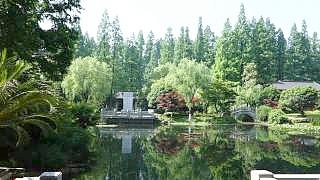
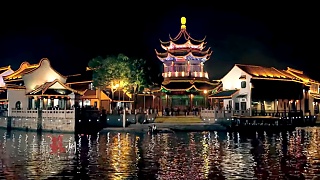
Hangzhou, located in eastern China's Zhejiang province, is renowned for its picturesque West Lake, traditional tea culture, and historic sites. Here's a guide for tourists visiting Hangzhou:

West Lake and Scenic Areas:
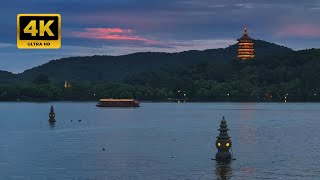
West Lake (Xi Hu): This UNESCO World Heritage Site is the centerpiece of Hangzhou's natural beauty, with its serene waters, pagodas, gardens, and surrounding hills. Visitors can take boat cruises, stroll along the lakeside paths, or rent bicycles to explore the area.

Leifeng Pagoda: Situated on the southern shore of West Lake, this historic pagoda offers panoramic views of the lake and the city skyline.

Lingyin Temple (Temple of the Soul's Retreat): One of the most important Buddhist temples in China, Lingyin Temple features ancient rock carvings, serene courtyards, and a large statue of Buddha.

Xixi Wetland Park: Explore the tranquil waterways, traditional villages, and lush greenery of this scenic wetland park, located on the outskirts of Hangzhou.

Tea Culture:
Longjing (Dragon Well) Tea Plantations: Hangzhou is famous for producing Longjing tea, one of China's most prized green teas. Visitors can tour the tea plantations in the nearby hills, learn about the tea-making process, and sample freshly brewed Longjing tea.

National Tea Museum: Learn about the history, cultivation, and cultural significance of tea in China at this informative museum located on the outskirts of Hangzhou.

Historic and Cultural Sites:
Six Harmonies Pagoda (Liuhe Pagoda): This ancient pagoda offers panoramic views of the Qiantang River and the surrounding countryside. It also houses a small museum showcasing Buddhist artifacts.

Hefang Street (Qinghefang Ancient Street): Stroll along this historic street lined with traditional shops, teahouses, and snack stalls selling local delicacies and handicrafts.

China National Silk Museum: Discover the art of silk production and the history of the silk trade in China at this museum, which features exhibits on silk weaving, dyeing techniques, and cultural artifacts.

Modern Attractions:
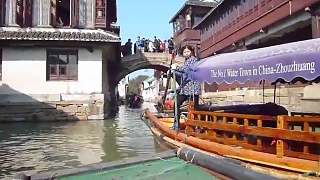
Hangzhou Grand Canal: Take a boat cruise along the Grand Canal, the world's longest and oldest canal, to admire the historic architecture and bustling waterfront scenes.

Hangzhou CBD (Central Business District): Explore the modern side of Hangzhou with its skyscrapers, shopping malls, and vibrant nightlife.

Practical Tips:
Transportation: Hangzhou has an extensive public transportation network, including buses, subways, and taxis. Bicycles and electric scooters are also popular options for getting around the city.

Weather: Hangzhou has a humid subtropical climate with hot, humid summers and mild, damp winters. Spring and autumn are the best times to visit when the weather is pleasant and the landscapes are at their most beautiful.

Language: Mandarin Chinese is the official language, but English may not be widely spoken outside of tourist areas. It's helpful to learn a few basic phrases or carry a translation app.

Hangzhou's blend of natural beauty, cultural heritage, and modern amenities makes it a captivating destination for tourists. Whether you're exploring historic sites, indulging in tea culture, or simply enjoying the tranquility of West Lake, Hangzhou offers a memorable experience for visitors of all interests.
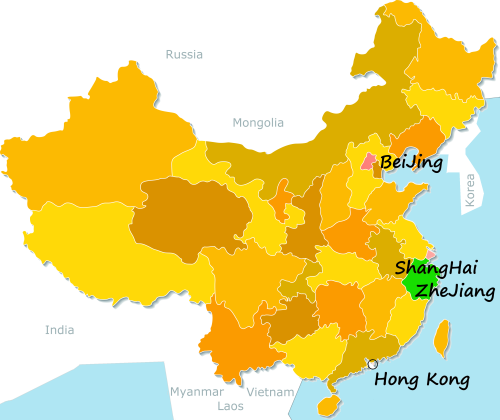
ZheJiang map

Related Videos


Featured Videos

White radish 白萝卜 – growing, pickling and cooking
A mild-flavored winter radish usually characterized by fast-growing leaves and a long, white, napiform root. It is similar in appearance to fresh horseradish but packs a lighter peppery punch similar to watercress. Unlike other radishes, it is as good cooked as it is raw. A very beautiful film and culinary masterclass with LiZiQi 李子柒. Dishes include SiChuan pickles, NorthEast sauerkraut and several types of XianCai, salty side-dish, and SuanCai, sour cabbage, with spice and without. Similar to Korean kimchi - Korean is one of the 56 ethnic groups in China. Don't miss it ... Rimo Z : 0:23 Rapeseed flowers 2:50 White Radish 3:37 Carrot 4:31 Chinese Cabbage 6:03 Mustard, then dehydrate the vegetables 7:58 Smear chilli sauce 8:28 Sealed for 1 month 8:51 Pine leaves for smoking the meat (Bacon) 9:03 Orange or clementine 9:10 Pomelo on the tree 9:22 Start smoking the sausage and meat 9:30 Add the pomelo and orange peel to enrich the flavor 10:16 Add salt and chilli powder, start pickling the dehydrated radish and carrots 10:36 Dried fish 11:58 put the dried fish, sausage and meat (or bacon) for boiling before eating or further cooking, this step helps to clean the food and reduce the salt 12:47 stir fry with ginger and then start stewing with green onion and orange peel 13:34 Fermented pickle cabbage (non-spicy) 13:49 Fermented pickle cabbage (spicy) 14:06 Minced meat with oil, spice powder, green onions, soy sauce, ginger and 14:14 hot oil to increase the aroma 14:26 Chop the pickle Chinese cabbage 14:38 Mix the minced meat and pickled cabbage, start making dumplings 15:53 Cut the salted meat, stir fry with green onion and stew with the dried vegetables 15:52 Add spicy pickled cabbages 16:16 Add some hot oil on top of the pickle dishes to excite the fragrance 16:42 Cut the boiled sausage, salted meat etc. 17:49 Looks like rose tea 17:55 Just white congee 米老鼠 : Kimchi first appeared in the book of songs. It was interpreted as sauerkraut in China. Korean kimchi originated in the Tang Dynasty. Tang Dynasty general Xue Rengui was assigned to Korea (today's Korea) by the government to settle down in Korea. Many of his entourage were from Jiangbei County, Chongqing, who could make kimchi in his hometown. Since then, Chongqing kimchi has entered Korea. Several wars in Korea have brought this kind of dish into Korean civilian families. Kimchi went through several stages before it became the real Korean kimchi. The first stage is the Three Kingdoms period, when the pickled dishes or radish, cucumber, etc., introduced to South Korea after adding leeks and other fresh vegetables. In the second stage, in the Korean period, the production methods began to be enriched, and the raw materials were added to the base. The third stage is that cabbage has become the main raw material, which is what we eat now.
QinHuangDao 秦皇岛
Where the Great Wall of China meets the sea, HeBei province, east from BeiJing ...
DunHuang 敦煌, GanSu province : along the old Silk Road
Explore the beautiful ancient town and surrounding sand-dunes and Buddhist caves with Sticker Travel. The second film shows the Silk Road DunHuang Hotel. DunHuang lies at the eastern end of the old northern Silk Route, from the ancient capital of Xi'An westwards to Kashgar in XinJiang province. The Great Wall was extended westwards to here around 120 BCE during the Han dynasty (202 BCE - 220 AD). During the Han and Tang dynasties, in particular, it was an important point of communication between China and central Asia.
The beauty of HangZhou 杭州 …
Hángzhōu lies in ZheJiang province
Night walk in KaiFeng, HeNan province
With China Walking Tour ...
FoDing mountain, ShiQian, GuiZhou – hot spring in the rain
China’s awesome metro systems – don’t miss it
This shows what can be done when the government works for the people. Infrastructure enhances both individual freedom and quality of life. Not only super functional but also artistically beautiful. With Flying Dumplings ... Bonus film : HangZhou West railway station - with Gecko Walks ...
JieTai Temple, in the mountains west of BeiJing
Tofu (DoFu) – traditional country style – making and cooking

Tag search ?