The ShangHai Auto Show, 2023

With Inside China Auto ...

[640],shadow=true,start=,stop=

With the Fully Charged Show - the BYD Seal ...

[320],shadow=true,start=,stop=

Related Videos


Featured Videos

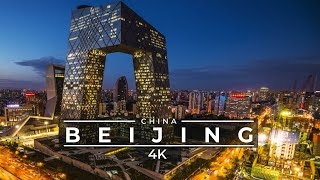
BeiJing 北京 in motion …
Colorful Beijing life, plus a beautiful timelapse film and more ... A look at the city through the seasons. SiChaHai central lakes area at night (QianHai and HouHai) ...
The MIC – this time, the Medical Industrial Complex
Why Western medicine is not in your interests - profits come from illness and symptom relief (and side-effects), not from health ...
Sun Kissed in ZhengZhou, HeNan province
First time in China – ShangHai to SuZhou by high speed rail – plus a guide for visitors
With Dany Dev ... A Guide to China's High-Speed Rail Network China's high-speed rail (HSR) network is the largest and most advanced in the world, offering an efficient, modern, and fast way to travel across the country. Since its inception, the network has revolutionized travel within China, making it easier and quicker to connect cities and regions that were once separated by long distances. Overview of the High-Speed Rail Network Size and Scope: As of 2024, China’s HSR network spans over 40,000 kilometers (25,000 miles), connecting nearly all major cities across the country. The network is continuously expanding, with new lines being constructed each year. Speed: Trains on the high-speed network typically travel at speeds ranging from 250 to 350 kilometers per hour (155 to 217 miles per hour). Some of the fastest trains, such as those on the Beijing–Shanghai line, can reach speeds up to 350 km/h. Key Routes: Beijing-Shanghai: This flagship route is one of the busiest and most popular, covering a distance of 1,318 kilometers (819 miles) in about 4.5 hours. Beijing-Guangzhou: One of the longest HSR routes in the world, spanning 2,298 kilometers (1,428 miles) and taking around 8 hours. Shanghai-Hong Kong: Connects the financial hub of Shanghai with the vibrant city of Hong Kong, covering 1,200 kilometers (746 miles) in approximately 8 hours. Xi’an-Chengdu: A scenic route that links the historic city of Xi’an with Chengdu, famous for its pandas, covering 658 kilometers (409 miles) in about 3 hours. Guangzhou-Shenzhen-Hong Kong: This line offers a rapid connection between the three major economic hubs, with a travel time of about 14 minutes from Shenzhen to Hong Kong. Features of China’s High-Speed Trains Train Classes: China’s high-speed trains are classified primarily into three categories based on speed and service: G-Class (Gaotie): The fastest trains, operating at speeds up to 350 km/h. These are typically used on major routes like Beijing-Shanghai. D-Class (Dongche): Slightly slower, operating at speeds up to 250-300 km/h. These trains are often used on shorter or less busy routes. C-Class: Suburban trains designed for short-distance travel, operating at speeds up to 200-250 km/h. Comfort and Amenities: Seating: HSR trains offer different classes of seating, including Second Class, First Class, and Business Class. Business Class offers the most luxurious experience, with wide reclining seats and more space. Facilities: Trains are equipped with modern amenities such as power outlets, Wi-Fi (on some trains), clean restrooms, and food and beverage services. Quiet carriages are also available for passengers who prefer a more serene environment. Punctuality: The HSR network is known for its punctuality, with trains typically departing and arriving on time. Key Stations and Infrastructure Major Hubs: Beijing South Railway Station: One of the largest and busiest HSR stations, serving as a key hub for northern and central China. Shanghai Hongqiao Railway Station: A massive transportation hub that integrates rail, air, and metro services, making it one of the most important stations in eastern China. Guangzhou South Railway Station: A key gateway to southern China, connecting the region with major cities like Shenzhen and Hong Kong. Wuhan Railway Station: A central hub in the heart of China, crucial for connections between the east and west. Modern Design: The stations are often architectural marvels, designed to handle large volumes of passengers efficiently. Many stations are integrated with other forms of transport, including metro lines and airports, making transfers seamless. Benefits of Using the High-Speed Rail Network Speed and Efficiency: High-speed trains are often faster than flying when considering the time spent on security checks and travel to and from airports. For distances up to 1,200 kilometers (746 miles), trains are often the quickest option. Convenience: With frequent departures, extensive coverage, and easy booking options (including online and mobile apps), the HSR network is extremely convenient for both domestic and international travelers. Environmental Impact: HSR is a greener option compared to air travel, contributing less to carbon emissions per passenger kilometer. Challenges and Future Prospects Expansion to Rural Areas: While the HSR network covers most major cities, there are ongoing efforts to expand services to more rural and remote areas, ensuring broader access. International Links: China is also exploring international HSR connections, such as a proposed high-speed rail link to Moscow, Russia, which could enhance connectivity beyond China's borders. Technological Advances: China is investing in maglev (magnetic levitation) technology, which could further increase speeds to around 600 km/h (373 mph), positioning China at the forefront of global rail innovation. Tips for Travelers Booking Tickets: Tickets can be booked online, at stations, or through travel agencies. During peak travel times, such as Chinese New Year, it is advisable to book tickets well in advance. Travel Documents: Foreign travelers will need to present their passports when booking tickets and boarding trains. Luggage: There are generous luggage allowances on HSR trains, with space available for larger items in overhead compartments or at the ends of carriages. Language: While English signage is available in major stations, it is useful to have your destination written in Chinese to show to station staff if needed. Conclusion China’s high-speed rail network is a remarkable achievement in modern transportation, offering an efficient, comfortable, and eco-friendly way to explore the vast and diverse landscapes of the country. Whether you are traveling for business or leisure, the HSR network provides an unparalleled travel experience that continues to set global standards.
How the West builds consent for new wars
With Daniel Dumbrill - don't miss it ... Ultimately, ignorance is a choice - the decision to ignore truth / reality. Plus, some pertinent reflections from Living in China ... Bonus film from The New Atlas ...
XiJiang QianHu Miao Village, GuiZhou province
With Beijing Old Liu ... Xijiang Qianhu Miao Village Visitor Guide Overview Xijiang Qianhu Miao Village, located in Leishan County, Guizhou Province, is the largest Miao village in China and is often referred to as the "Thousand Household Miao Village." This picturesque village is known for its well-preserved traditional Miao architecture, vibrant cultural heritage, and stunning natural scenery. It offers a unique glimpse into the life and traditions of the Miao people. History and Culture The Miao people are one of China's 56 ethnic minorities, with a history that dates back over 2,000 years. Xijiang Qianhu Miao Village is a living museum of Miao culture, where visitors can experience traditional Miao customs, clothing, music, and dance. The village is known for its grand festivals, including the Lusheng Festival, the Miao New Year, and the Sisters' Meal Festival, which feature elaborate costumes, folk dances, and traditional music performances. Main Attractions Miao Ethnic Museum The Miao Ethnic Museum offers a comprehensive look at the history, culture, and traditions of the Miao people. Exhibits include traditional clothing, silver ornaments, musical instruments, and artifacts from daily life. Traditional Miao Architecture The village is renowned for its traditional stilt houses, known as "Diaojiaolou," which are built on wooden stilts and feature intricate wooden carvings. Walking through the village, visitors can admire these unique structures and learn about their construction and significance. Folk Performances Daily folk performances in the village square showcase traditional Miao music and dance. These performances are an excellent way to experience the vibrant cultural heritage of the Miao people. Festival Celebrations Visiting during one of the major festivals, such as the Miao New Year or the Sisters' Meal Festival, provides a deeper insight into Miao culture. These festivals feature colorful parades, traditional music, and elaborate dances, making them a highlight of any visit. Outdoor Activities Hiking and Nature Walks The surrounding hills and rice terraces offer excellent opportunities for hiking and nature walks. The scenic trails provide panoramic views of the village and the lush countryside, making it a paradise for nature lovers and photographers. Exploring Rice Terraces The rice terraces around Xijiang are a testament to the agricultural ingenuity of the Miao people. Visitors can explore these terraced fields, which change colors with the seasons and offer stunning photographic opportunities. Local Cuisine Miao cuisine is known for its bold flavors and use of local ingredients. Some must-try dishes include sour fish soup, sticky rice cakes, and various pickled vegetables. Many local restaurants and street vendors offer authentic Miao food, providing a true taste of the region. Accommodation Xijiang Qianhu Miao Village offers a range of accommodation options, from traditional Miao-style guesthouses to modern hotels. Staying in a local guesthouse provides a more immersive experience, allowing visitors to enjoy Miao hospitality and learn more about their way of life. Travel Tips Best Time to Visit: The best time to visit is during the spring (March to May) and autumn (September to November) when the weather is mild, and the rice terraces are most picturesque. Getting There: The village is accessible by bus from Kaili City, which is connected to major cities like Guiyang by train and bus. Respect Local Customs: When visiting, be respectful of local customs and traditions. Ask for permission before taking photos of people, especially during festivals and ceremonies. Pack Accordingly: Bring comfortable walking shoes for exploring the village and surrounding areas. A light jacket is recommended for the evenings, as temperatures can drop.
BeiHai Park 北海公园, BeiJing – beautiful slideshow
A film by kinabaloo.com ...
A trip to TongLi 同理, SuZhou
A water town in north-east JiangSu province, not far from Shanghai. SuZhou Old Town is famous for its gardens as well as canals. The classical gardens are on the UNESCO World Heritage Site list.
WangJing 望京 Galaxy SOHO, BeiJing
Posted in respect to Iraq born architect Zaha Hadid, who sadly died today (31st March 2016). Galaxy SOHO opened in November 2011 as an office, retail and entertainment complex. An excellent example of a unique perspective, this building, in north east Beijing, with characteristic natural forms and curves, with futuristic outlook, opened in 2014. Her talent and bold vision will be missed by everyone. Thank you Zaha for all you did to help make this world a better place ...

Tag search ?