With Redacted ...
[640],shadow=true,start=,stop=With Brian Berletic, Angelo Giuliano and Danny HaiPhong ...
[320],shadow=true,start=,stop=
With Reportify Media and George Galloway ...
[320],shadow=true,start=260,stop=Live more ...
 US planning the destruction of Taiwan
With Redacted ...
[640],shadow=true,start=,stop=With Brian Berletic, Angelo Giuliano and Danny HaiPhong ...
With Reportify Media and George Galloway ...
[320],shadow=true,start=260,stop=
|
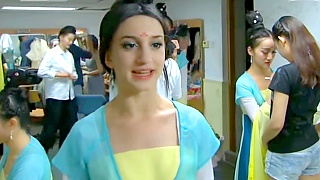
The story of an American girl with a dream to master Chinese dance through to graduation at Beijing Normal University's dance school ...
|

|
One can see this distinction in the wider society too - East vs. West; cultures with different foundations - long term (family, infrastructure, community, the arts) versus short term (hype, sex, gossip, war). Mature versus immature. We versus me.
The immature mind thinks 'me'; the mature mind understands that life is really about 'we'.
Maturity is when one grows beyond the narcissism phase *.
'I' am just a small part of a bigger 'I' - humanity.
With Dr. Robert Lustig ...
One is controlled when one believes what one has been told (sold).
Freedom is removing these mind chains and seeing reality.
-----
* (footnote) At BB, we think that narcissism is a development phase that most transition out of; but some stay there and it can become exaggerated. The traditional views might also be true; likely, there is an interplay involved.
-----
-----
Aside #1 : Q : Why does BB have so much content about health - nutrition and mental well-being ?
A : Because it is fundamental to everything else; one cannot see the beauty of life if one's mind is mixed up; one cannot live life to the full if one is ill.
-----
-----
Aside #2 : Confucius : One can grow from everybody one meets. On life's journey, one will meet wise people - learn from them; one will also meet foolish people - look deep within to see if one also has these follies.
|
|
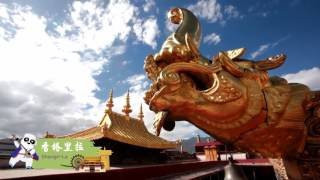
China welcomes you ...
|

|
Zide guqin Studio was set up in 2014, it is a creative and versatile team gather the 80s and 90s young artist. Our goal is to promote the excellent traditional culture of Guqin by holding up concerts, making speeches, teaching online, and so on.
Since 2017, as the concept of rigorous and scientific teaching methods, Zide has made excellent courses for global guqin lovers in the most economical and convenient way. At present, Zide has served thousands of students from all over the world including the United States, Japan, Australia, and other countries. On the other hand, we have successfully held a series of performances in many countries. The Tianzhen Zide Concert Series is the most popular.
All of our videos are produced independently, we sincerely wish the art of Guqin can get into people's lives, and bring peace and happiness.
‘A Ballad in the Moonlight’ - the Story of a Cat Elf on an ancient DunHuang mural ...
Sun Quan, the Emperor - rock style, with electric GuQin ...
Legend of the Journey to the West 青春同路相伴 一生所爱无悔 ...
'Birdsong in hollow valley', court music style宫廷雅乐风 宋代装束 秦时明月 ...
“Daxia2049“- 2021 Zide New Year Concert (live) ...
Take you on a magical journey - ShaHaiQiXiaZhi (ZiDe new music) ...
|
|
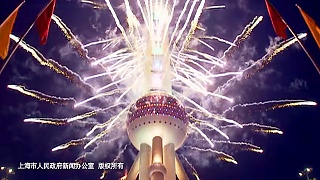
A promotional video for the city of the World Expo 2010 ...
|
|
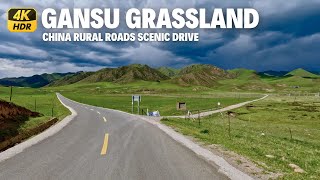
With Walk China ...
Grasslands of Gansu Province travel guide
Introduction
The grasslands of Gansu Province are a breathtaking natural wonder, offering vast expanses of rolling hills, lush meadows, and vibrant wildflowers. These grasslands are home to diverse wildlife and traditional nomadic cultures, providing visitors with a unique and immersive experience. This guide will help you explore the beauty of Gansu's grasslands, including must-see attractions, local culture, and practical travel tips.
Must-See Grasslands
Maqu Grassland (玛曲草原)
Maqu Grassland, located in the southern part of Gansu Province, is one of the most beautiful and well-preserved grasslands in China. The area is known for its rich biodiversity, including rare species of plants and animals. Visitors can experience traditional Tibetan nomadic culture, including horseback riding and staying in yurts.
Gannan Tibetan Autonomous Prefecture (甘南藏族自治州)
Gannan Tibetan Autonomous Prefecture is a region in Gansu known for its stunning landscapes and vibrant Tibetan culture. The grasslands here are dotted with monasteries, prayer flags, and nomadic camps. Highlights include the Labrang Monastery, one of the six great monasteries of the Gelug school of Tibetan Buddhism, and the Sangke Grassland, a perfect spot for camping and picnicking.
Ruoergai Grassland (若尔盖草原)
Ruoergai Grassland, also known as Zoige Grassland, is located at the border of Gansu and Sichuan provinces. It is one of the largest and most picturesque grasslands in China, featuring vast wetlands, rivers, and lakes. The area is home to numerous bird species, making it a paradise for bird watchers.
Langmusi (郎木寺)
Langmusi is a small town located on the border of Gansu and Sichuan provinces, known for its beautiful grasslands and Tibetan Buddhist monasteries. The town is surrounded by lush meadows and mountains, offering excellent opportunities for hiking and horse riding. The local monasteries, such as the Kirti Monastery and Sertri Monastery, are also worth visiting.
Local Culture
The grasslands of Gansu are home to a diverse range of ethnic groups, including Tibetans, Mongolians, and Hui Muslims. These communities have preserved their traditional ways of life, including nomadic herding, Tibetan Buddhism, and unique culinary traditions. Visitors can immerse themselves in local culture through homestays, attending festivals, and participating in traditional activities.
Tibetan Festivals
Tibetan festivals are an integral part of the cultural landscape in Gansu's grasslands. Key festivals include Losar (Tibetan New Year), Shoton (Yogurt Festival), and the Horse Racing Festival. These events feature traditional music, dance, religious rituals, and sports competitions, providing a vibrant and immersive cultural experience.
Traditional Nomadic Life
Experiencing the traditional nomadic lifestyle is a highlight of any visit to the grasslands. Visitors can stay in yurts, ride horses, and learn about the herding practices that have sustained these communities for centuries. This offers a unique insight into the symbiotic relationship between the nomads and their natural environment.
Practical Travel Tips
Best Time to Visit: The best time to visit the grasslands of Gansu is during the summer months (June to September) when the weather is mild, and the grasslands are in full bloom.
Getting Around: Due to the vast and remote nature of the grasslands, hiring a local guide or joining a tour is recommended. Public transportation options are limited, and having a guide will enhance your experience.
Accommodation: Accommodation options range from basic guesthouses to traditional yurts. Staying in a yurt provides a unique cultural experience, but it's essential to book in advance, especially during peak tourist season.
Health and Safety: The high altitude of some grassland areas can cause altitude sickness. It's important to acclimatize gradually and stay hydrated. Be prepared for varying weather conditions and pack appropriate clothing.
Respect Local Customs: When visiting Tibetan and other ethnic communities, respect local customs and traditions. Seek permission before taking photographs, especially in religious sites and of local people.
Conclusion
The grasslands of Gansu Province offer a unique and unforgettable travel experience, combining stunning natural landscapes with rich cultural heritage. Whether you're exploring the vast meadows, learning about nomadic traditions, or immersing yourself in Tibetan culture, the grasslands of Gansu provide a deep and enriching connection to the natural and cultural wonders of China. Use this guide to plan your journey and make the most of your visit to this extraordinary region.
|

|
Overview
ShenZhen (深圳) is a modern metropolis located in Guangdong Province, bordering Hong Kong. It's renowned as a major tech hub and a gateway to China's manufacturing industry. The city's skyline is dominated by sleek skyscrapers, reflecting its status as a global innovation center.
Top Attractions
Splendid China Folk Village (锦绣中华民俗村) - Jǐnxiù Zhōnghuá Mínsú Cūn
Window of the World (世界之窗) - Shìjiè Zhī Chuāng
Dameisha Beach (大梅沙海滨公园) - Dàméishā Hǎibīn Gōngyuán
Lianhua Mountain Park (莲花山公园) - Liánhuā Shān Gōngyuán
Shenzhen Museum (深圳博物馆) - Shēnzhèn Bówùguǎn
Dafen Oil Painting Village (大芬油画村) - Dàfēn Yóuhuà Cūn
Nanshan Cultural Tourist Zone (南山文化旅游区) - Nánshān Wénhuà Lǚyóu Qū
Shenzhen Bay Park (深圳湾公园) - Shēnzhèn Wān Gōngyuán
Shenzhen Safari Park (深圳野生动物园) - Shēnzhèn Yěshēng Dòngwùyuán
Tech and Innovation
Huaqiangbei Electronics Market (华强北电子市场) - Huáqiángběi Diànzǐ Shìchǎng
Shenzhen Bay Tech Ecological Park (深圳湾科技生态园) - Shēnzhèn Wān Kējì Shēngtài Yuán
Tencent Seafront Towers (腾讯滨海大厦) - Téngxùn Bīnhǎi Dàshà
DJI Flagship Store (大疆旗舰店) - Dàjiāng Qíjiàn Diàn
Shopping and Dining
Coco Park and OCT-LOFT (coco park 和 华侨城创意文化园区) - Huáqiáo Chéng Chuàngyì Wénhuà Yuánqū
Dongmen Pedestrian Street (东门步行街) - Dōngmén Bùxíng Jiē
OCT-LOFT Creative Culture Park (华侨城创意文化园区) - Huáqiáo Chéng Chuàngyì Wénhuà Yuánqū
Laojie (Old Street) in Luohu (罗湖老街) - Luóhú Lǎojiē
Nightlife and Entertainment
Shekou Sea World (蛇口海上世界) - Shékǒu Hǎishàng Shìjiè
Futian and Luohu Districts (福田和罗湖区) - Fútián hé Luóhú Qū
Coco Park and OCT Bay (coco park 和 华侨城创意文化园区) - Huáqiáo Chéng Chuàngyì Wénhuà Yuánqū
Shenzhen Concert Hall (深圳音乐厅) - Shēnzhèn Yīnyuètīng
Practical Tips
Transportation: Utilize Shenzhen's efficient metro system and ride-hailing apps.
Language: Learn basic Mandarin phrases for easier communication.
Safety: Be cautious of pickpocketing in crowded areas.
Visa: Check China's visa policy based on your nationality.
Currency: Use local currency (Renminbi) for transactions.
Weather: Pack accordingly for Shenzhen's subtropical climate.
Hidden Gems
Wutong Mountain (梧桐山) - Wútóng Shān
Dapeng Ancient City (大鹏古城) - Dàpéng Gǔchéng
Guangdong Hakka Museum (广东客家博物馆) - Guǎngdōng Kèjiā Bówùguǎn
Additional Dining Recommendations
Dim Sum: Experience authentic Cantonese dim sum.
Seafood: Indulge in fresh seafood in Shekou.
Street Food: Explore Dongmen Food Street for local snacks.
By exploring these attractions, dining spots, and practical tips, you'll have a comprehensive guide to experiencing Shenzhen's rich blend of culture, technology, and natural beauty.
|

|
Truth lies in being able to see 'what is', without preconception. No what 'I already know' or what 'should be'. First, must come clear sight of that what is (the solution always lies within the question).
Is one a figment of the past, and conditioning, or really alive in the present moment? Half blind or of clear sight ?
With Jiddu Krishnamurti ...
Bonus film - with Alan Watts - on Being There, rather than merely Passing By ...
|
|
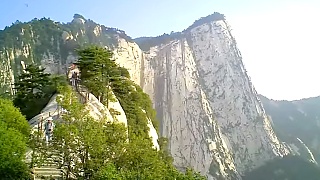
Filmed in August 2010.
Includes the famous 'plank walk' at the end; this is perched precariously on a cliff face that is well over 1000m above the valley below, in a sheer drop. The plank walk is on the east peak, which is about a 15km walk / climb from the north peak.
HuaShan ('Flower Mountain', or 'Splendid Mountain') lies in southern ShaanXi province, about 120km east of Xi'An; it is one of the five sacred Taoist mountains, with four main peaks. There are hiking trails to all four peaks and a cable car to the north peak. The south peak is highest at 2155 meters.
There are a number of hotels and hostels around the base.
|