To live, you must first die (psychology / philosophy)

To be free, is to be off the time-lapse trajectory of the past into the future. This means to stop rationalizing and die to the past - only then one can truly live in the present moment. The past is still the past, but one is no longer its hostage.

What stands in the way of a true life is - you - that is, the past, that one thinks of as 'me' (a mush of programming and fantasies - the noise that precludes clarity).

The truth is simple; but it is not easy. One must be aware of one's thoughts and see them not as you but as relics; to see these thoughts as what they really are and not be ruled by them. The first, and crucial, step is to see how one has been hijacked by the past. To be free, is to be free of the past.

Truth is not about believing, or 'knowing', a bunch of concepts; truth is being real.

At BB, we can recommend Alan Watts, Jiddu Krishnamurti and Gabor Mate as sincere and wise voices to explore this more; though there are many others, these are straight talkers (some of their talks are featured here). The thing is - the guide is not the truth, it is only a guide; never trust in or believe a guide as though it is the truth - either you simply believe this or that, or you are true. Don't be an addict - to a belief. Don't be an addict to your past and ego.

10,000 years and 100,000 books of philosophy distilled into a few sentences. Once out of the prison of the past, everything else becomes clear.

Kyle Cease talks with Tom Bilyeu ...

[640],shadow=true,start=,stop=

Bonus film - with Jiddu Krishnamurti ...

[320],shadow=true,start=,stop=

Bonus film 2 - with Alan Watts ...

[320],shadow=true,start=,stop= [320],shadow=true,start=,stop= [320],shadow=true,start=,stop=

Related Videos


Featured Videos

The health epidemic that has been long ignored
Chronic disease and the food industry and 'healthcare' system - don't miss it . With doctors Mark Hyman and Rangan Chatterjee ... Freedom is when there is a gap between stimulus and response.
NanJing, with MiuMiu, the Guitar Girl
JiangSu province ...
The shocking history of the European empires
Rita Loves Travel – in China …
The karst mountains and countryside around YangShuo, GuangXi province ... The LongJi rice terraces, YunNan province ... Great Wall BeiJing ...
Cancer as a metabolic disease – stage 4 survival strategy
With Dr. Eric Berg and Guy Tenenbaum ... Note : prolonged fasting requires more than just water (plus green tea and a little black coffee), such as salt (lo-salt), about 1 and a 1/2 tsp / day (more as needed), electrolytes and other essential vitamins. No sugar, fruit or sweetener. Do research first and maybe start with as little as 1 or 2 days, intervened with OMAD (keto). Also see this video film ... Note : Missed curcumin, which has the most support in studies. Take with a little black pepper and EVOO. Up to 5 or 6g / day. Arguably, curcumin (a turmeric extract), ECGC (a green tea extract) and sulforaphane (a broccoli extract) are the most important three (see pubmed).
‘ShangHai 上海 Concerto’ – promo video
A promotional video for the city of the World Expo 2010 ...
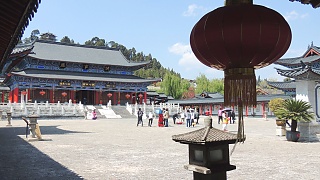
The Stone Village of the NaXi people, YunNan province
With China Road Tales ... The Stone Village of the NaXi people, located in YunNan Province, China, is a remarkable destination that offers a unique glimpse into the traditional lifestyle, culture, and architecture of the NaXi ethnic minority. Here’s a detailed look at this fascinating village: ### Location and Overview - **Location**: The Stone Village, also known as ShiZhiShu Village, is situated in the YuLong Naxi Autonomous County in the northwestern part of Yunnan Province, near the town of Lijiang. - **Geography**: Nestled in the foothills of the Jade Dragon Snow Mountain (YuLong XueShan), the village is surrounded by stunning natural beauty, including rugged mountains, lush forests, and clear streams. ### NaXi Culture and Heritage - **Ethnic Group**: The NaXi people are one of China’s 56 recognized ethnic groups, with a rich cultural heritage that blends elements of Han Chinese, Tibetan, and other neighboring cultures. - **Language**: The NaXi language, belonging to the Sino-Tibetan language family, is still spoken by many villagers. The NaXi also have a unique pictographic script called Dongba, used primarily for religious texts. - **Matriarchal Society**: Historically, the NaXi society was matrilineal, with property and family names passed down through the female line. ### Architecture - **Stone Houses**: The village is renowned for its traditional stone houses, built using local materials such as stone, wood, and mud. These houses are designed to blend harmoniously with the natural environment and are known for their durability and unique aesthetic. - **Courtyards**: Many homes are built around central courtyards, which serve as communal spaces for family activities and social gatherings. - **Wooden Carvings**: Intricate wooden carvings and decorations adorn the houses, showcasing the NaXi’s craftsmanship and artistic traditions. ### Traditional Lifestyles - **Agriculture**: The NaXi people in the Stone Village primarily engage in agriculture, cultivating crops such as barley, wheat, and vegetables. They also raise livestock, including pigs, chickens, and yaks. - **Traditional Dress**: The NaXi have distinctive traditional clothing, often featuring bright colors and intricate embroidery. Women’s attire includes long gowns with wide belts and colorful headscarves, while men typically wear tunics and trousers. - **Festivals and Rituals**: The NaXi people celebrate various traditional festivals, such as the Torch Festival and the Sanduo Festival, which are marked by music, dance, and religious ceremonies. ### Dongba Religion - **Animism and Shamanism**: The NaXi practice Dongba religion, an animistic belief system that involves worshiping nature spirits and ancestors. Dongba priests, who are also scholars, play a central role in religious rituals and the preservation of cultural heritage. - **Dongba Texts**: These religious texts are written in the unique Dongba script, a pictographic writing system that dates back over a thousand years. ### Tourism and Preservation - **Cultural Tourism**: The Stone Village has become a popular destination for tourists seeking to experience the traditional lifestyle and culture of the NaXi people. Visitors can explore the village, interact with locals, and learn about their customs and traditions. - **Preservation Efforts**: There are ongoing efforts to preserve the unique architecture and cultural heritage of the Stone Village. Local and regional governments, along with cultural organizations, are working to protect the village from modern development and ensure the continuation of NaXi traditions. ### Nearby Attractions - **Lijiang Ancient Town**: A UNESCO World Heritage Site, Lijiang is known for its well-preserved ancient architecture and vibrant NaXi culture. It is a short drive from the Stone Village and offers additional cultural experiences. - **Jade Dragon Snow Mountain**: This majestic mountain range provides opportunities for hiking, skiing, and enjoying spectacular natural scenery. ### Conclusion The Stone Village of the NaXi people in Yunnan Province is a captivating destination that offers an authentic glimpse into the traditional life and culture of one of China’s most unique ethnic groups. With its distinctive stone architecture, rich cultural heritage, and stunning natural surroundings, the Stone Village provides a memorable and enriching experience for all who visit.
How the West builds consent for new wars
With Daniel Dumbrill - don't miss it ... Ultimately, ignorance is a choice - the decision to ignore truth / reality. Plus, some pertinent reflections from Living in China ... Bonus film from The New Atlas ...
The awesome BeiWangShan Forest Park, BeiJing
With MisterVaughn ... Welcome to BeiWangShan Forest Park Discover the natural beauty and tranquility of Beiwangshan Forest Park in Beijing. Introduction Beiwangshan Forest Park, located in Beijing, is a beautiful natural retreat offering a peaceful environment away from the hustle and bustle of city life. It is known for its lush greenery, scenic views, and diverse wildlife. Location Beiwangshan Forest Park is situated in the north-west part of Beijing, making it easily accessible from the city center. History Beiwangshan Forest Park was established in the late 20th century as part of Beijing's efforts to enhance urban green spaces and promote ecological conservation. The park has since become a popular destination for locals and tourists alike, offering a natural escape within the bustling city. The development of the park included extensive tree planting, trail construction, and the establishment of various facilities to support outdoor activities and environmental education. Over the years, it has grown into a mature forest park, celebrated for its biodiversity and scenic beauty. Attractions Scenic Trails: Explore numerous hiking trails that offer stunning views of the forest and surrounding areas. Observation Decks: Enjoy panoramic views from various observation decks situated within the park. Flora and Fauna: Witness a rich diversity of plant and animal species. Picnic Areas: Relax and have a meal in designated picnic spots. Activities Hiking and Nature Walks Bird Watching Photography Picnicking Camping (seasonal) Facilities Visitor Center Restrooms Parking Lots Food Stalls Guided Tour Services Visitor Tips Wear comfortable shoes for hiking. Bring enough water and snacks. Respect the natural environment; do not litter. Check the weather forecast before your visit. Follow park regulations and guidelines.

Tag search ?