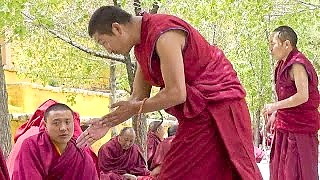
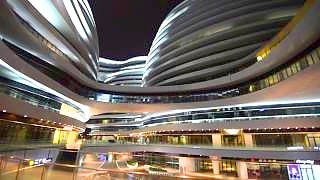
Tibet Impressions

A beautiful place ...

[640],shadow=true,start=,stop=
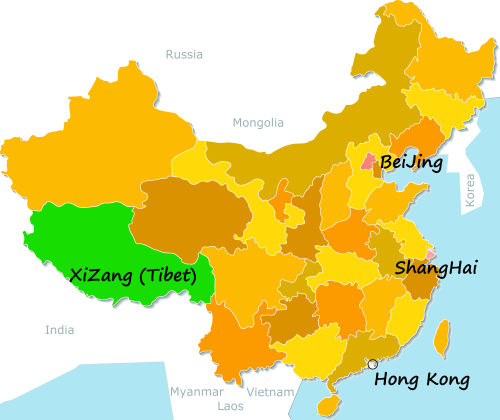
Tibet map

Related Videos


Featured Videos

21 amazing days in China …
With ClaireTrips ...
Something different – Downstream : Sina-Drums (music)
An extended chill-out instrumental piece with elements of jazz, classical and prog-rock. Written by Uwe Müller. A very talented teen musician ...
Geopolitics – December 2023- don’t miss it
With Brian Berletic and Danny Haiphong ... * In China, the people are family. * In the West, the people are livestock. With Angelo Giuliano - on Myanmar, the Philippines and Taiwan; how the West is trying to burn down south-east Asia to contain China to maintain its hegemony over the world (keep it down and plunder its resources) ... The US goal of world hegemony dates from at least the 1960s ... The 'threat' of China is simply that it is a good example; 'no country should be other than our slave'. With Willene Business & Lifestyle ... On hegemony / dominance, with Jeffrey Sachs ... Latest news on China - with Wave Media ... On the EV car market - with Cyrus Janssen ... Italy, a basket case with a tendency to fascism, has buckled to US pressure and left the BRI; but three countries line up to replace it - Turkey, Greece and Spain ... Ciao Italia. Video was deleted by YT. On the Chinese island of Taiwan ... On Jimmy Lai, Apple Daily and the attempted HK overthrow ... Now, some positive videos : KunMing city, YunNan province ... ShangHai trip - with Sophie Kim ... A room with a view - YangShuo, with Darby Alex ... LiJiang, YunNan province, with Fel Thommy ...
Movie time – Let’s Get Married ! 咱们结婚吧 !
An awesome romantic comedy movie for Valentine's Day. Four couples with love, life and romance. Filmed in China (BeiJing and ShenZhen) and Italy (Rome, Matera). Directed by Liu Jiang ... Trailer ...
The DaMing Buddhist temple, YangZhou, JiangSu province
With China Walking Tour ... The DaMing Temple (大明寺) in YangZhou, JiangSu province, is a renowned Buddhist temple with a rich history dating back over a thousand years. It is one of the key cultural and historical landmarks in YangZhou and holds significant importance in Chinese Buddhist heritage. Here is more information about the DaMing Temple: History and Origins: Establishment: The DaMing Temple was originally built during the Southern Dynasties period in the 5th century AD, making it one of the oldest temples in Jiangsu province. Significance: It was initially established by the ruler of the Liang Dynasty, Emperor Wu, as a center for Buddhist teachings and practices. Architectural Features: Main Hall (Mahavira Hall): The temple's main hall is the Mahavira Hall (大雄宝殿), a grand and majestic structure that enshrines statues of Buddha and other important figures in Buddhism. Pagoda: The temple complex also includes a historic pagoda, known as the Yunyan Pagoda (云岩塔), which is a designated national treasure and an iconic symbol of Yangzhou. Cultural Heritage: Influence: Throughout its history, the DaMing Temple has played a pivotal role in the development of Buddhist culture, attracting scholars, monks, and pilgrims from across China and beyond. Renowned Monks: The temple has been associated with several influential Buddhist monks and scholars, contributing to the spread of Buddhism and the exchange of knowledge. Attractions and Highlights: Yunyan Pagoda: The pagoda within the temple grounds is a must-visit attraction, offering panoramic views of Yangzhou from its upper levels. Historic Artifacts: The DaMing Temple houses various Buddhist artifacts, scriptures, and relics, providing insights into the region's religious and cultural heritage. Modern Significance: Cultural Site: Today, the DaMing Temple remains an active Buddhist temple and a popular destination for tourists, scholars, and pilgrims interested in exploring China's Buddhist traditions. Tourist Destination: Visitors can immerse themselves in the serene atmosphere of the temple complex, admire its architecture, and learn about its historical significance. Location: Address: DaMing Temple, No. 1 Taicheng Road, Hanjiang District, Yangzhou, Jiangsu Province, China. The DaMing Temple in Yangzhou stands as a testament to China's enduring Buddhist legacy and serves as a living link to the region's ancient past. Its blend of architectural beauty, cultural heritage, and spiritual significance makes it a captivating destination for travelers seeking to explore Jiangsu's historical treasures.
Breakaway – by the Double Angels; music video
From the TV new music talent show Sing!China. 【纯享版】打包安琪 《尼古拉斯狂想曲》好声音20180907第八期 Sing!China官方HD Then that double happiness - that sublime mix of yin and yang - became one * ... * Internet hate led to the other withdrawing from the show. So sad. But she's young. The takeaway - don't ever let that be you. No matter how meek one tries to be, hate is always there. So realise that it is really nothing, just air; not even a breeze. One life; one chance to be you. Valiant effort by the remaining girl to maintain an experimental vibe. Kudos.
Good morning BeiJing 北京 !
Early morning in the Temple of Heaven (TianTan) park ...
Geopolitics update – November 2024
With Jeffrey Sachs and ShangHaiEye ... With Nomad Capitalist and Cyrus Janssen ... With The Bridge Podcast and Ben Norton ... With BreakThrough News and Ben Norton ... With Richard Wolff ... With Brian Berletic ... With Daniel Dumbrill ...
ShangHai Summer – don’t miss it !
With Wei's Travel ... ShangHai can be considered a 'garden city' due to its extensive green spaces, parks, and efforts to integrate nature within its urban environment. Here are some key aspects that contribute to this : ### Extensive Green Spaces and Parks 1. **Large Urban Parks**: Shanghai is home to numerous large parks such as Century Park, Gongqing Forest Park, and Shanghai Botanical Garden. These parks provide significant green spaces within the city and offer residents and visitors places to relax and enjoy nature. 2. **Green Belt**: The city has developed green belts and corridors that integrate natural elements into the urban landscape, helping to connect different green spaces and providing continuous natural areas for walking, cycling, and leisure. ### Historical and Traditional Gardens 3. **Traditional Chinese Gardens**: Shanghai boasts several well-preserved traditional Chinese gardens, such as Yu Garden (YuYuan), which exemplify classical Chinese garden design with ponds, rockeries, pavilions, and intricate landscaping. These gardens reflect the city's historical commitment to integrating nature with urban living. ### Urban Greening Initiatives 4. **Street Landscaping**: Many of Shanghai's streets are lined with trees, flowers, and shrubs, contributing to a greener urban environment. The city has invested in extensive landscaping to enhance the aesthetic appeal and environmental quality of its streets and boulevards. 5. **Vertical Gardens and Green Roofs**: Shanghai has embraced innovative urban greening techniques such as vertical gardens and green roofs on buildings. These initiatives help to increase the amount of greenery in densely populated urban areas and contribute to better air quality and urban biodiversity. ### Green Urban Planning 6. **Sustainable Development**: Shanghai's urban planning policies emphasize sustainable development and the creation of eco-friendly urban spaces. This includes the development of eco-districts and the incorporation of green spaces into new residential and commercial developments. 7. **Waterfront Revitalization**: The revitalization of waterfront areas along the Huangpu River and Suzhou Creek has included the creation of green promenades, parks, and recreational areas that provide residents with access to nature and enhance the city's overall green infrastructure. ### Community and Public Engagement 8. **Public Involvement**: The city encourages public participation in maintaining and developing green spaces through community gardens and public involvement initiatives. This engagement helps to foster a sense of ownership and responsibility for the city's natural environments. ### Environmental Conservation 9. **Biodiversity Conservation**: Efforts to preserve and enhance biodiversity within the city, such as the creation of urban wildlife habitats and conservation areas, contribute to Shanghai's identity as a garden city. ### Seasonal Flower Displays 10. **Flower Festivals and Displays**: Shanghai hosts various flower festivals and seasonal floral displays that enhance the city's visual appeal and celebrate its botanical diversity. These events attract tourists and residents alike, further emphasizing the city's green character. ### Conclusion Shanghai's commitment to integrating green spaces and nature into its urban environment through parks, traditional gardens, innovative greening techniques, and sustainable urban planning practices helps to position it as a 'garden city.' These efforts not only enhance the city's aesthetic appeal but also contribute to the well-being of its residents and the sustainability of its urban ecosystem.

Tag search ?